Nature
Food of the Madonie
Mushrooms in the Madonie: when to find them, the rare basilisk mushroom, Park and Region rules on permits and limits, truffles and where to eat them in autumn.
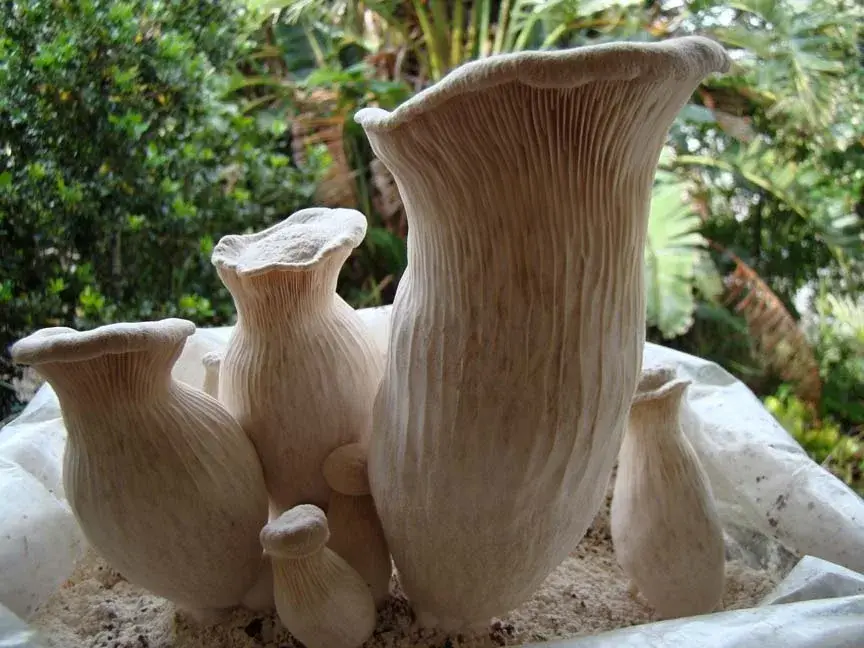
In the Madonie mushrooms are picked mainly in autumn, in the chestnut, oak and beech woods between Castelbuono and Piano Battaglia, and in spring on the high pastures, where the rare basilisk mushroom grows. To pick them you need the regional permit, and inside the Park the Park Authority’s rules on hours, quantities and protected species also apply. If you just want to eat them, the Funghi Fest in Castelbuono, at the end of October, is the place to be.
At a glance
Autumn is the main season. The pages on the northern trails, such as the Bosco di Castelbuono and the trail from Battaglietta to Piano Sempria, say so: in October and November the chestnuts and beech woods change colour and it is mushroom time.
In spring, between April and June, the basilisk mushroom appears on the mountain pastures. It is the most famous species of the Madonie and also the most fragile, and we cover it below.
Years vary a lot and depend on rainfall: no date is guaranteed.
The funcia di basiliscu is an ivory-white mushroom, firm and fleshy, with the stem attached to one side. It grows on the remains of roots and stems of Prangos ferulacea, a plant of the carrot family that dominates the mountain pastures. It appears between April and June.
In Sicily it lives only in the Madonie; outside the island it has been found on a few mountains in Greece. The page of the IUCN specialist group lists it as Endangered. In Sicily there are fewer than ten sites and fewer than 150 mature individuals, declining because of heavy picking, driven by its high price and flavour.
The rules are clear. The Park Authority regulation bans picking it in Zone A and, in the rest of the Park, bans specimens under 3 centimetres, that is those that have not yet released their spores. The IUCN itself notes that the ban is often ignored: if you find one, leave it where it is.
It is also cultivated. A Sicilian cultivation project ended in 2002 and the mushroom has been grown in small pilot units, with the same qualities as the wild one (IUCN).
Two varieties of king oyster mushroom also grow in the Madonie: Pleurotus eryngii var. ferulae, linked to giant fennel (Ferula communis), and var. elaeoselini, linked to Elaeoselinum asclepium. A group of Italian universities, including Palermo, collected them in autumn 2023 near Collesano, at 559 metres, for a study published in Frontiers in Chemistry in 2024.
The Park regulation names other species with size limits:
| Species | Common name | Rule in the Park |
|---|---|---|
| Boletus edulis and group | porcini | specimens with caps under 3 cm banned |
| Calocybe gambosa | St George’s mushroom | specimens with caps under 2 cm banned |
| Cantharellus cibarius | chanterelle | specimens with caps under 2 cm banned |
| Amanita caesarea | Caesar’s mushroom | banned at the closed-egg stage, maximum 1 kg a day |
In Sicily picking is governed by regional law of 1 February 2006, no. 3, whose text is published by ISPRA. The main points:
The law set the fees at 30 euros a year for the amateur permit and for non-residents and 100 euros for the professional one, with updates every five years. Ask the municipality for the current amount.
The Park regulation applies “where it does not conflict” with the regional law. It adds its own rules:
The regulation also provides for a Park Authority permit. Before you set off, call the Park Authority or your municipality to find out which authorisation is needed today: the two sets of rules overlap.
To sell wild mushrooms, the Park regulation requires a check by a mycology inspector and a certificate from the health authority. To eat them, if you are not an expert, have them checked by a mycologist before cooking: ask the provincial health authority (ASP) whether a mushroom-checking desk is open and bring your whole harvest, not just the doubtful ones.
In autumn it gets dark early in the mountains. Before heading into the woods, check the weather forecast for the Madonie and the advice in our guide to mountain safety.
There are truffles in the Madonie too. The Park regulation allows two species, with different calendars:
| Species | Common name | Picking allowed |
|---|---|---|
| Tuber aestivum | summer truffle, scorzone | 1 May-30 November |
| Tuber borchii (or albidum) | bianchetto, marzolo | 15 January-30 April |
To hunt them you need an authorisation from the Park Authority, obtained after an exam before a committee. Hunting is only allowed with a trained dog, digging with a small spade only where the dog has started, and holes must be filled in. It is forbidden to pick unripe truffles and to hunt from one hour before sunset until 7 am.
Some facts on their presence. In 2006 the mycology laboratory of the University of Palermo planted an experimental truffle orchard with a farm in the Park, with hazel and downy oak seedlings inoculated with summer truffle and black truffle. In April 2023 Balarm reported the discovery of bianchetto in a pine wood on Gangi’s municipal estates, during an activity of the town’s agricultural school.
The mushroom festival of the Madonie takes place in Castelbuono over a weekend at the end of October, from Friday to Sunday. There are stalls along Via Sant’Anna, tastings of mushroom dishes in Piazza Castello at lunch and dinner, walks in the woods and music in the evening. It is organised by Promomadonie and PromoCastelbuono; each year’s dates and programme are on the Funghi Fest page.
| Period | Festival | Town |
|---|---|---|
| end of October | Festa dei Sapori Madoniti d’Autunno | Petralia Sottana |
| November | Sapori d’Autunno | Isnello |
The other food festivals of the year are in the Madonie food festival calendar.
In autumn, look for mushrooms on the menus of mountain trattorias. To find them, start from the village pages: where to eat in Castelbuono, where to eat in Petralia Sottana, where to eat in Isnello. The guide what to eat in the Madonie explains which towns to choose for which dish.
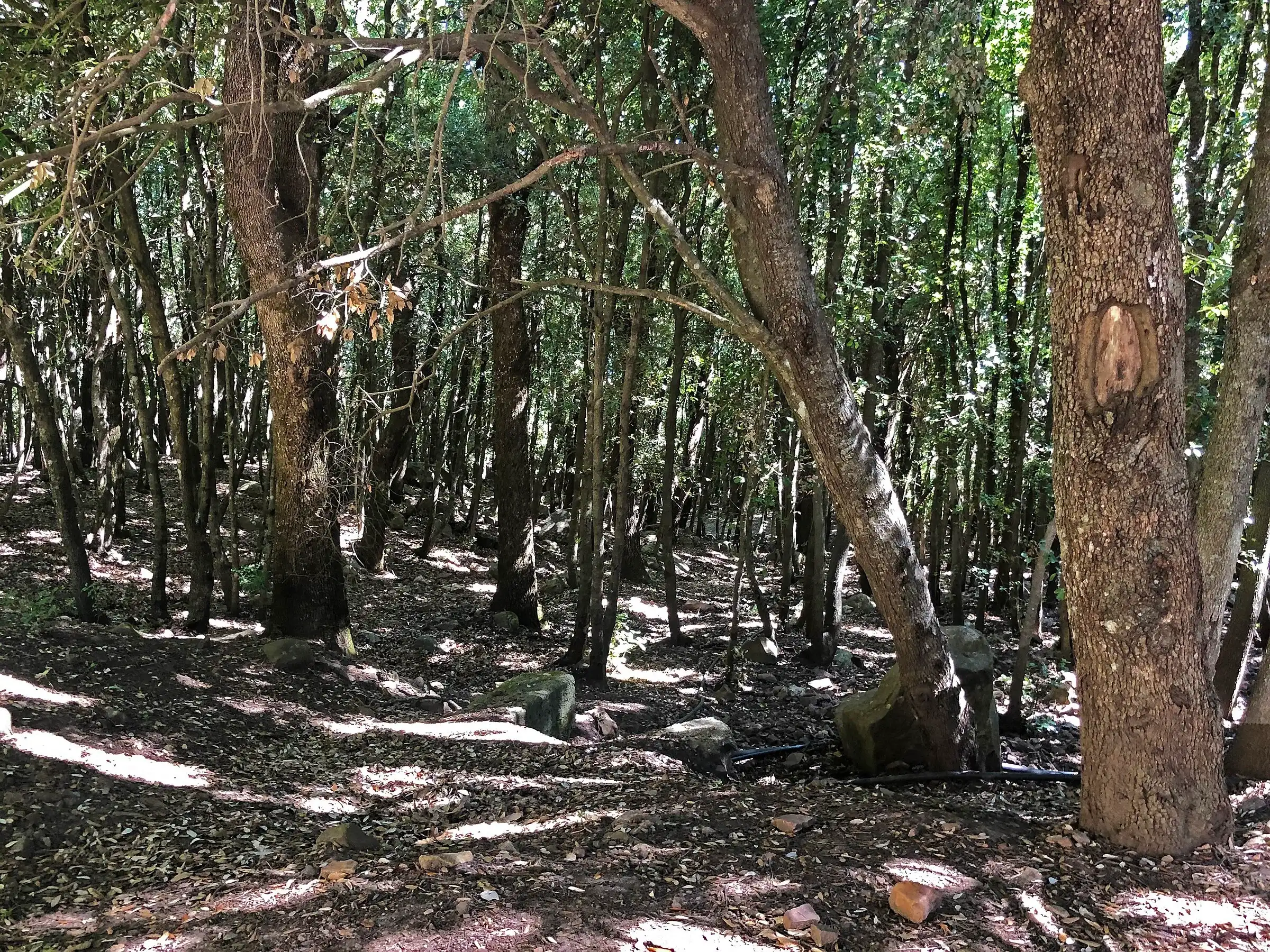
If you come at the end of October, you can combine the festival with a walk. On Saturday morning go up into the Bosco di Castelbuono or do the loop from Case La Pazza to Piano Sempria; in the afternoon head down to town for the tastings. To see the colours of the woods, read where to find the beech woods in autumn, and for the night see where to stay in Castelbuono.
Updated on 19 October 2026
 Hiking trail
Piano Sempria · Out and back
 Hiking trail
Piano Sempria · Point to point
 Hiking trail
Case la Pazza · Point to point
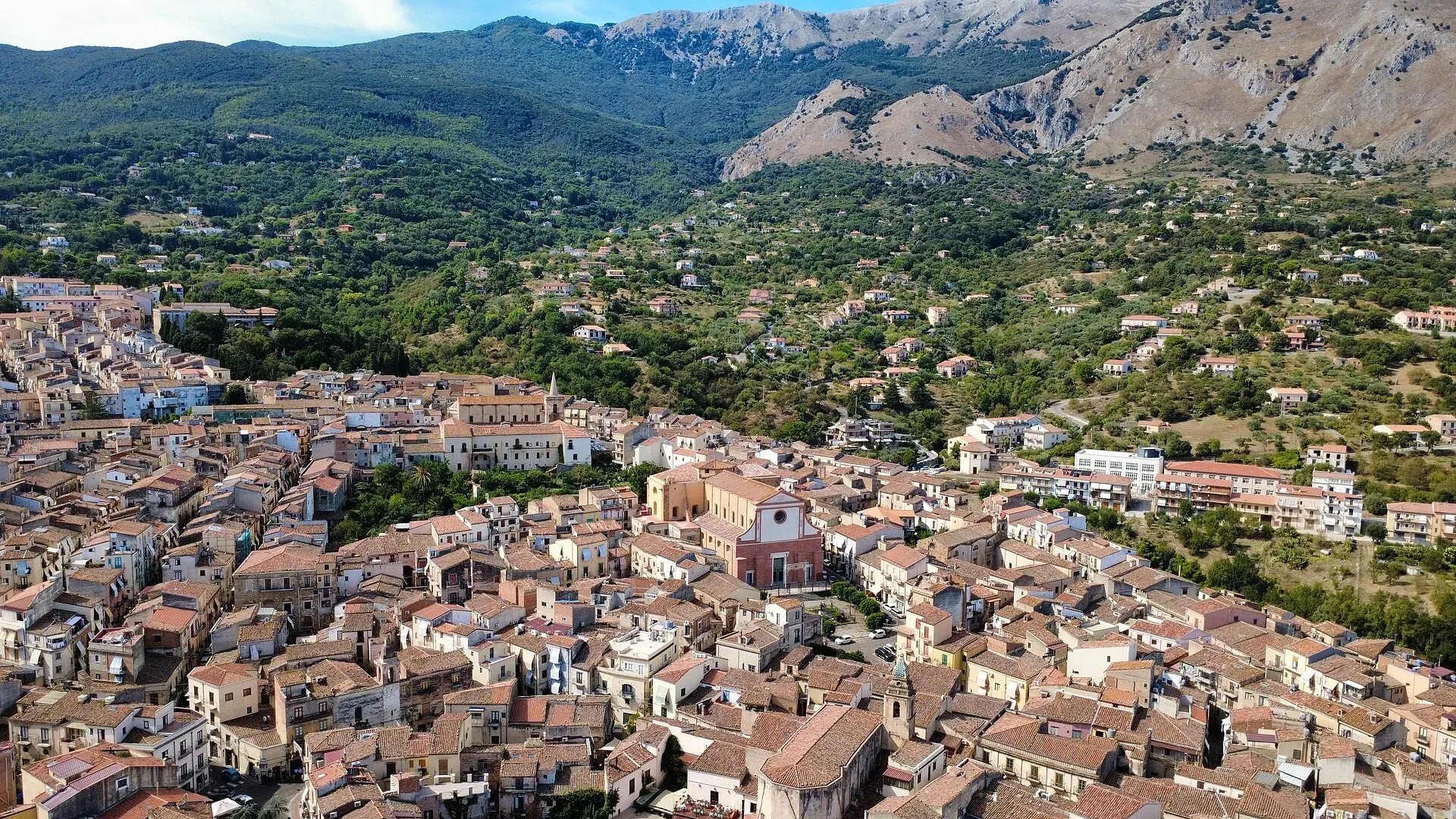
423 m a.s.l.
The town of the Ventimiglia castle, manna and testa di turco
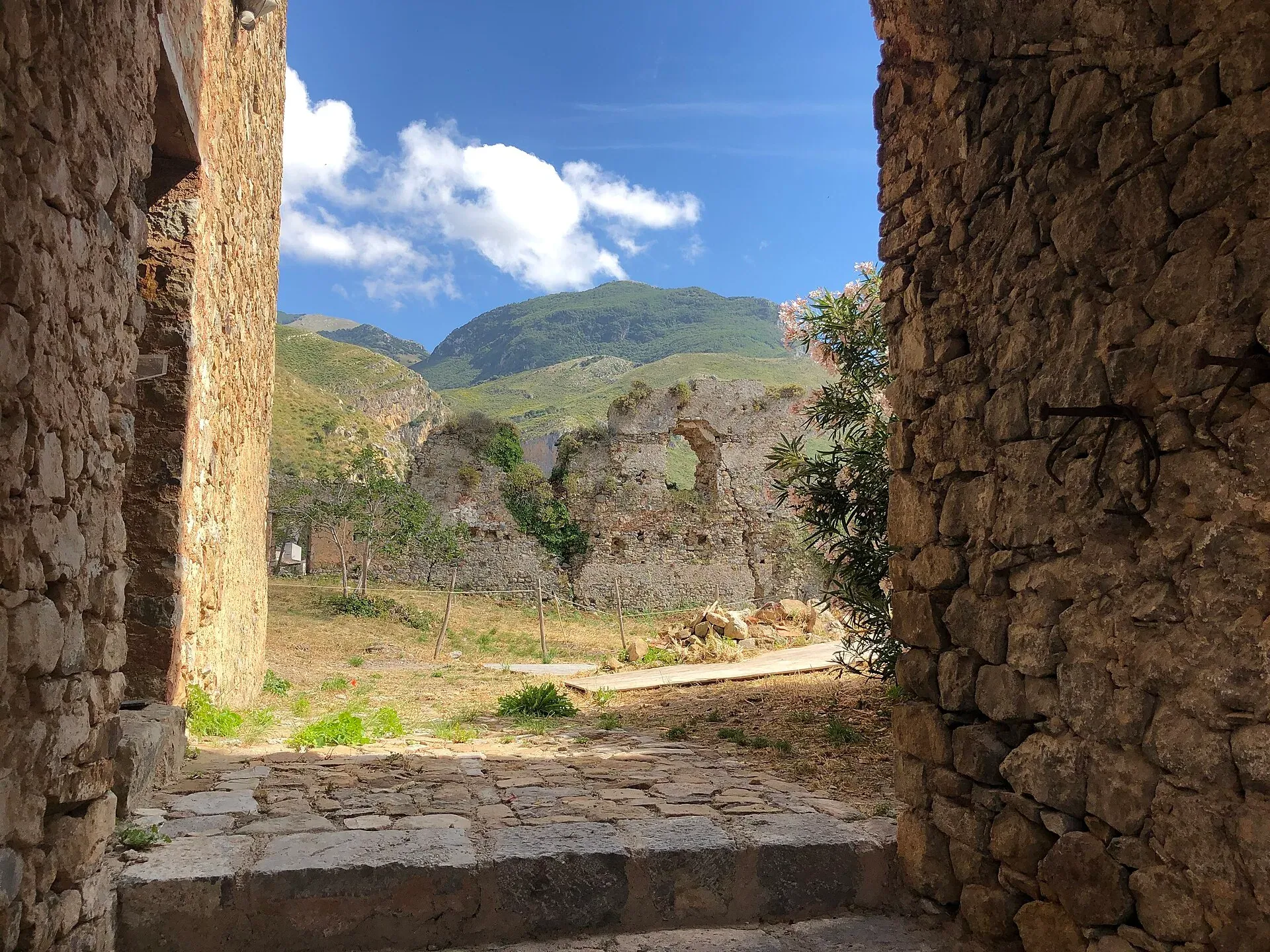
470 m a.s.l.
Ceramics, a castle and the Targa Florio museum
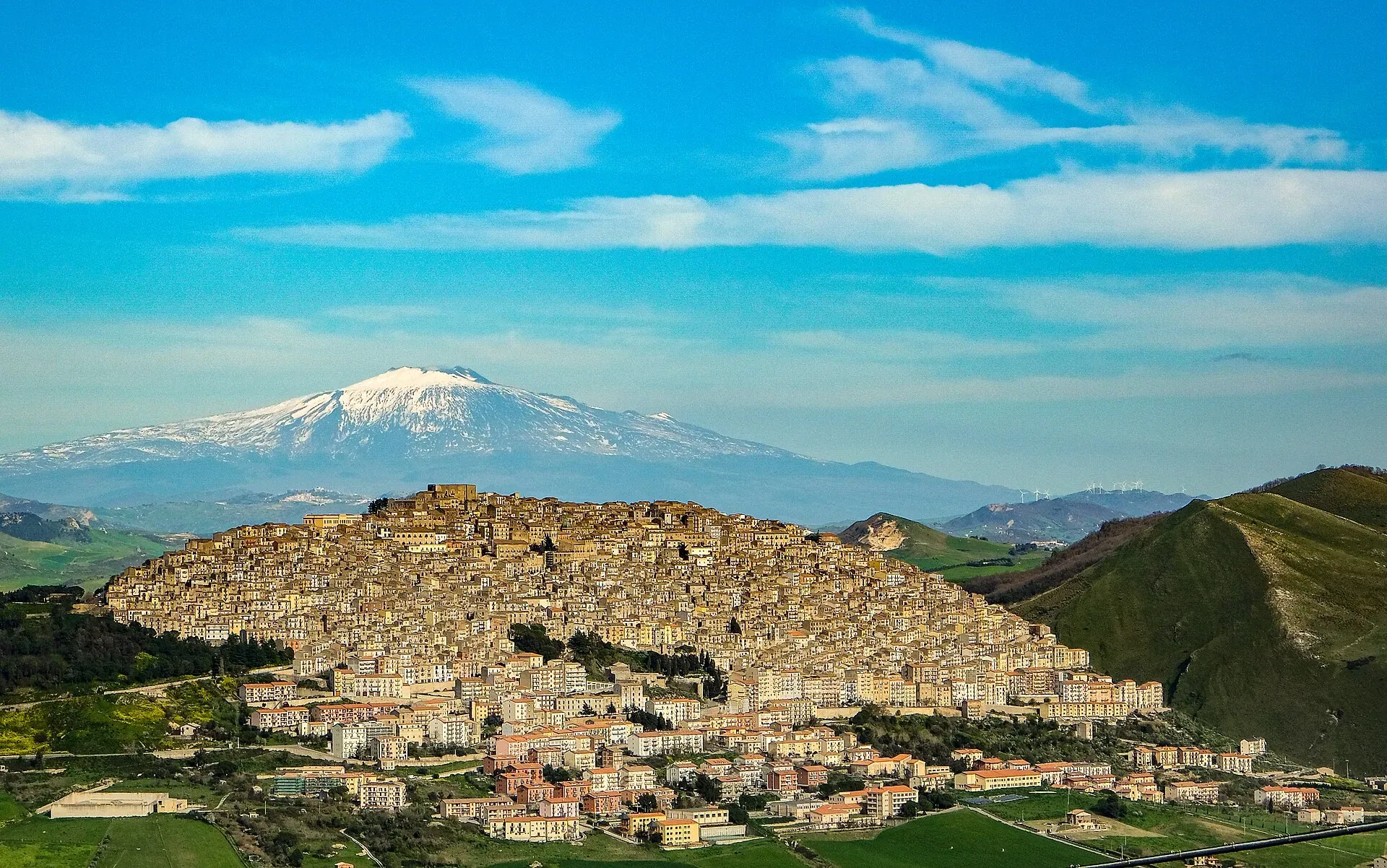
1,011 m a.s.l.
Borgo dei Borghi 2014, all stone on Monte Marone
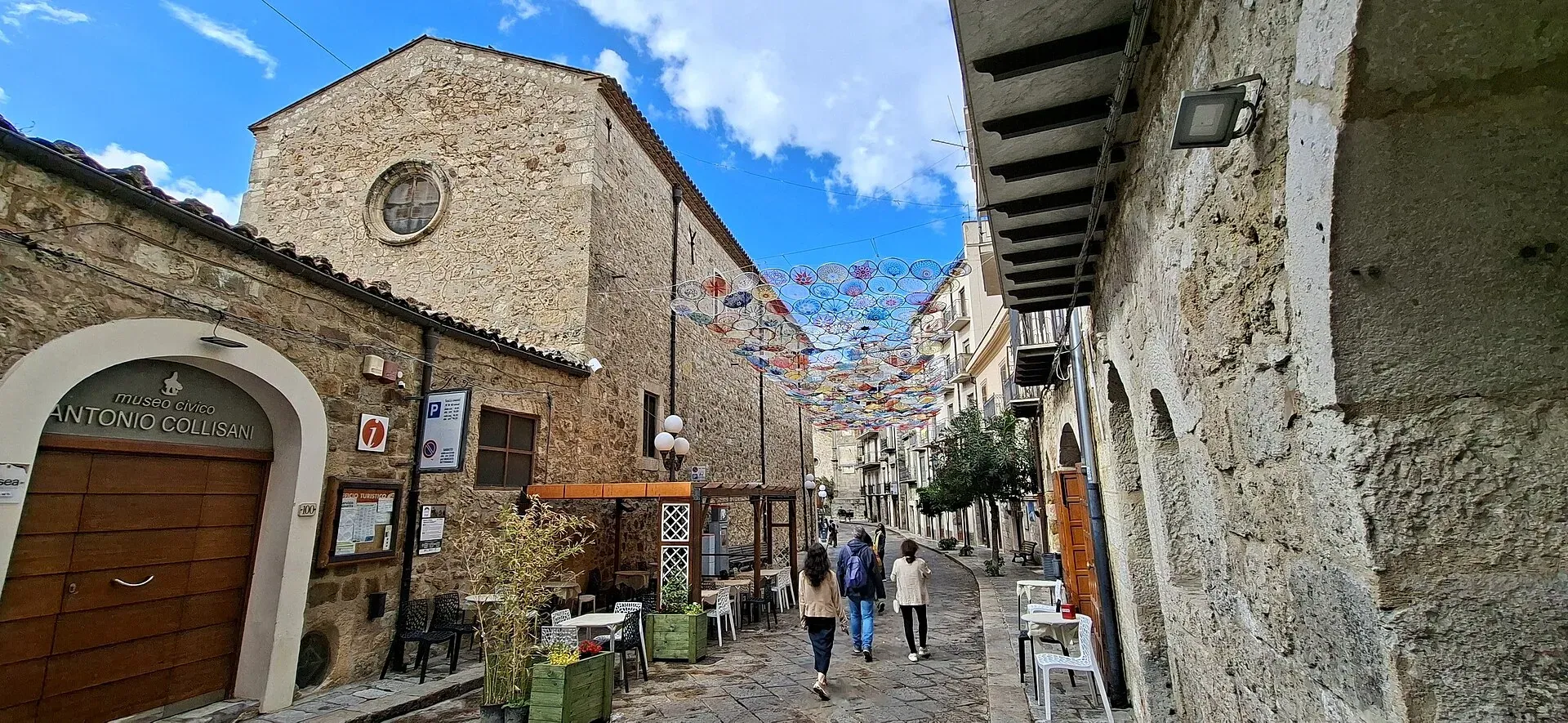
1,039 m a.s.l.
Home of the Madonie Park, at the foot of Piano Battaglia
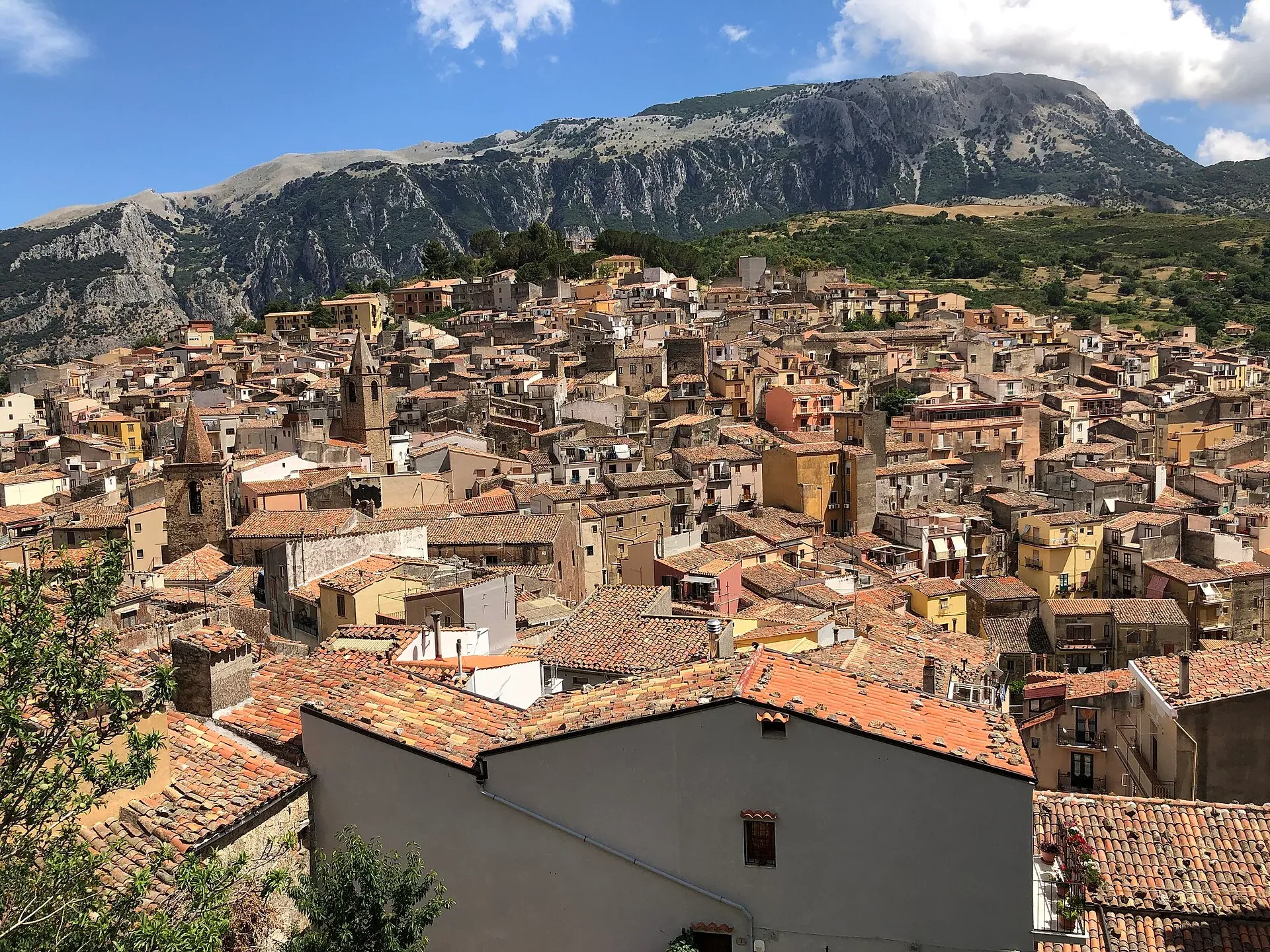
583 m a.s.l.
The town of the stars, beneath the Madonie cliffs
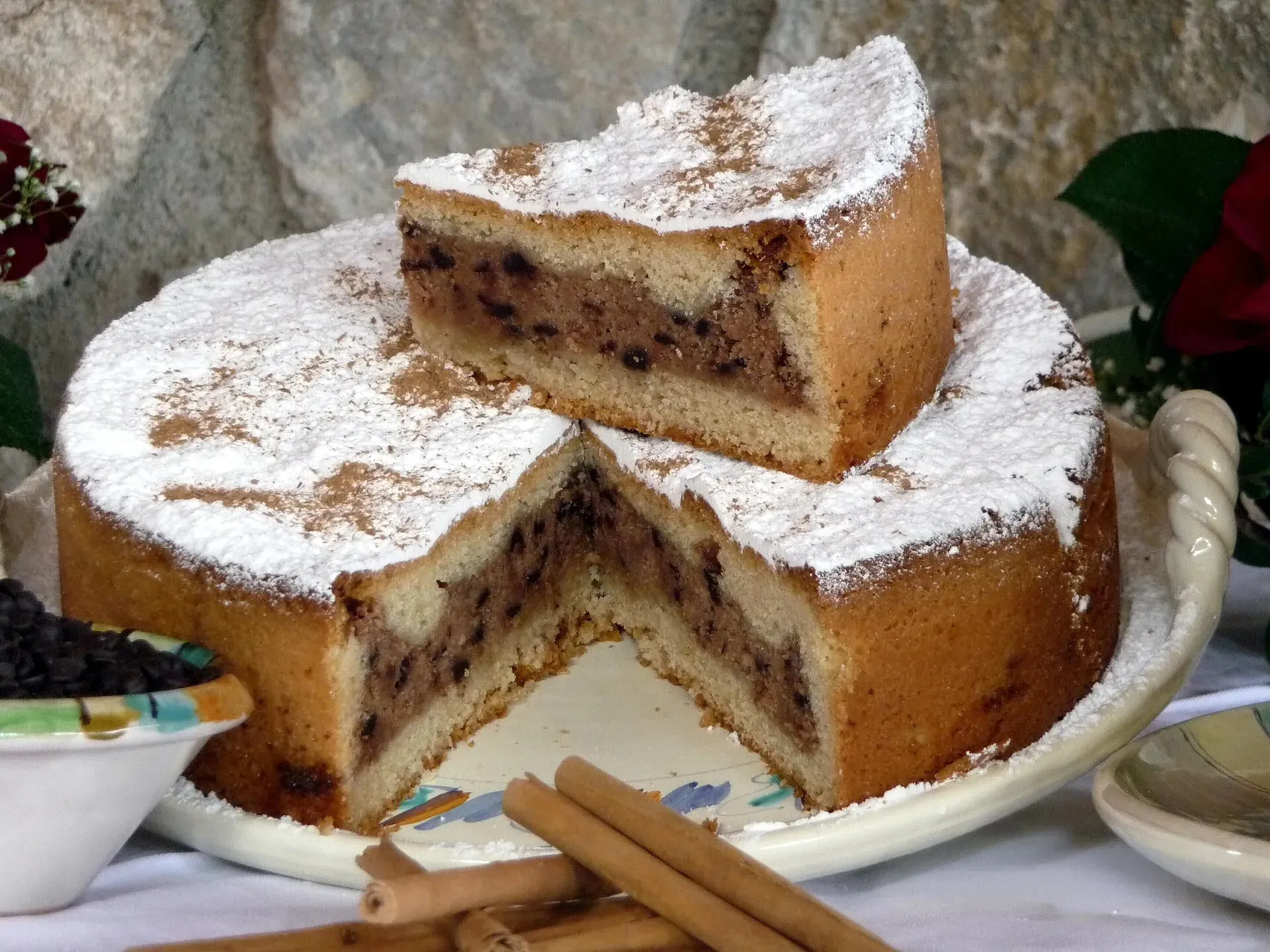
Food
Documented Madonie recipes step by step: Castelbuono's testa di turco, Polizzi's sfoglio, Gratteri's vastedda fritta and taralle, bread and broad beans.
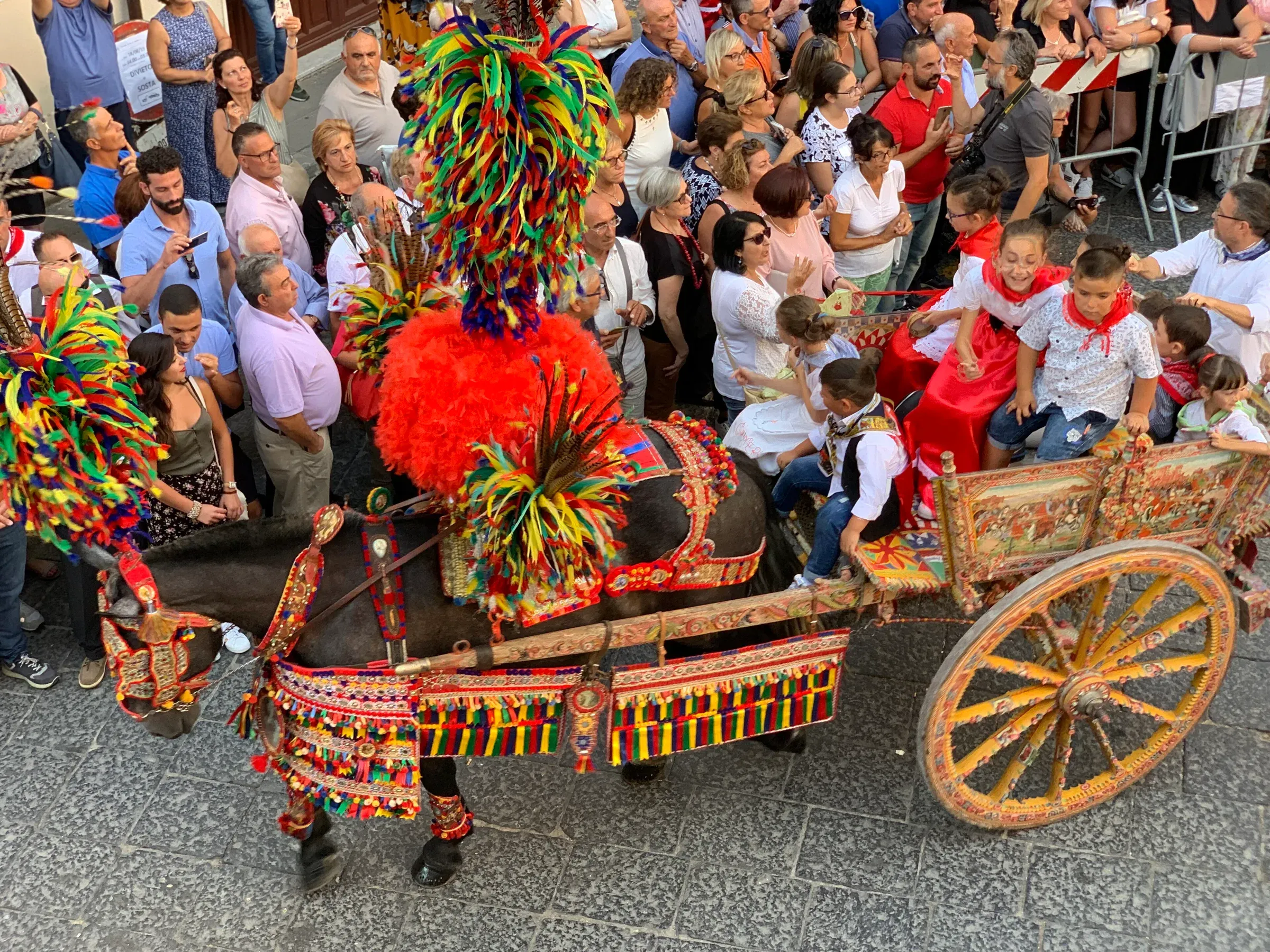
Food
Madonie food festival (sagre) calendar by season: usual periods, villages and what you eat, from Scillato oranges to Polizzi hazelnuts and mushrooms.
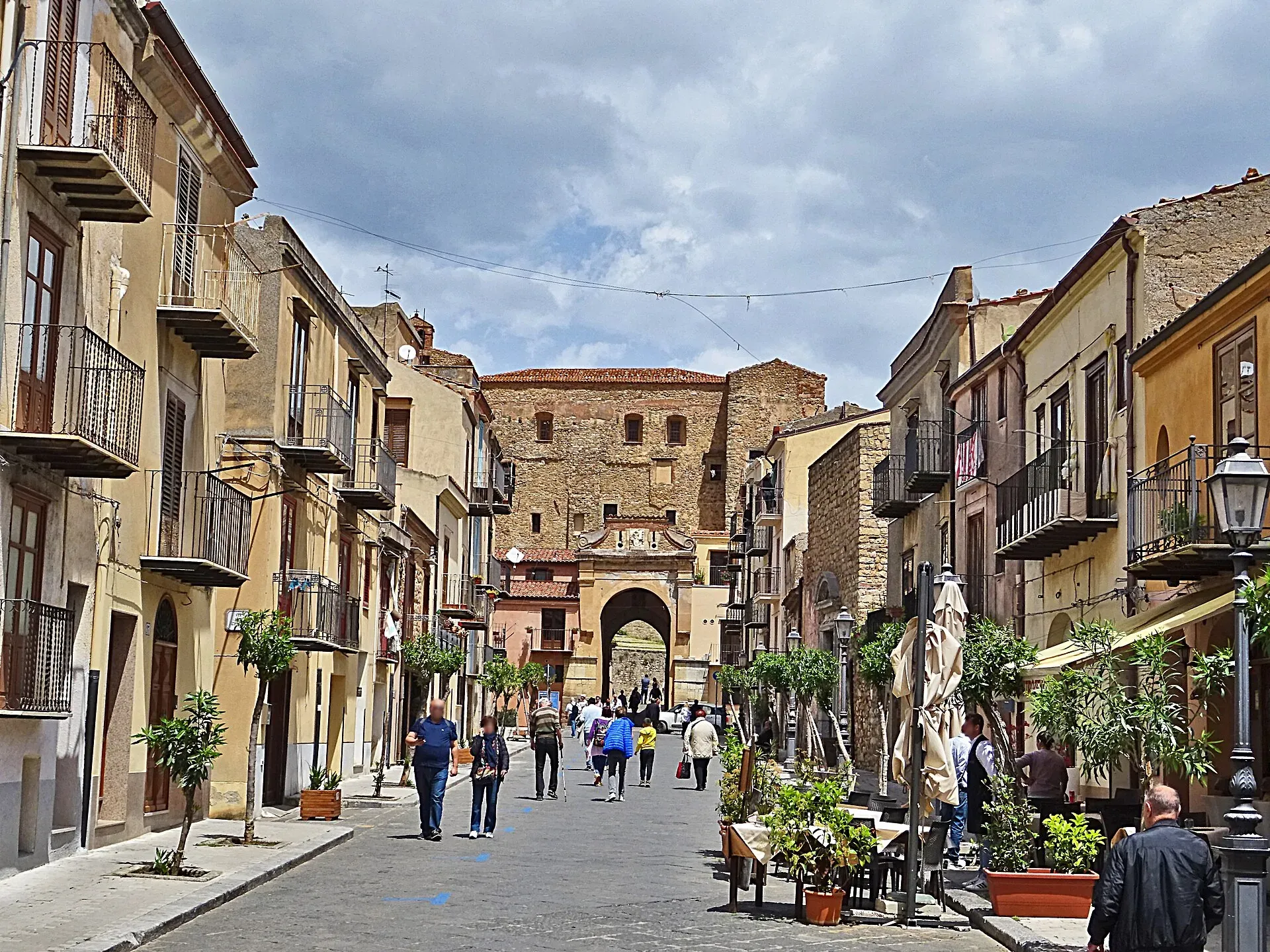
Food
What to eat in the Madonie and in which town: cheese, badda beans, mushrooms, manna and desserts, a seasonal food calendar and which type of place to choose.
Nature