Travel info
Nature and landscapes
Madonie wildlife: golden eagles, griffon vultures back after 70 years, Egyptian vultures, fallow deer, porcupines and the Parnassius apollo siciliae butterfly.
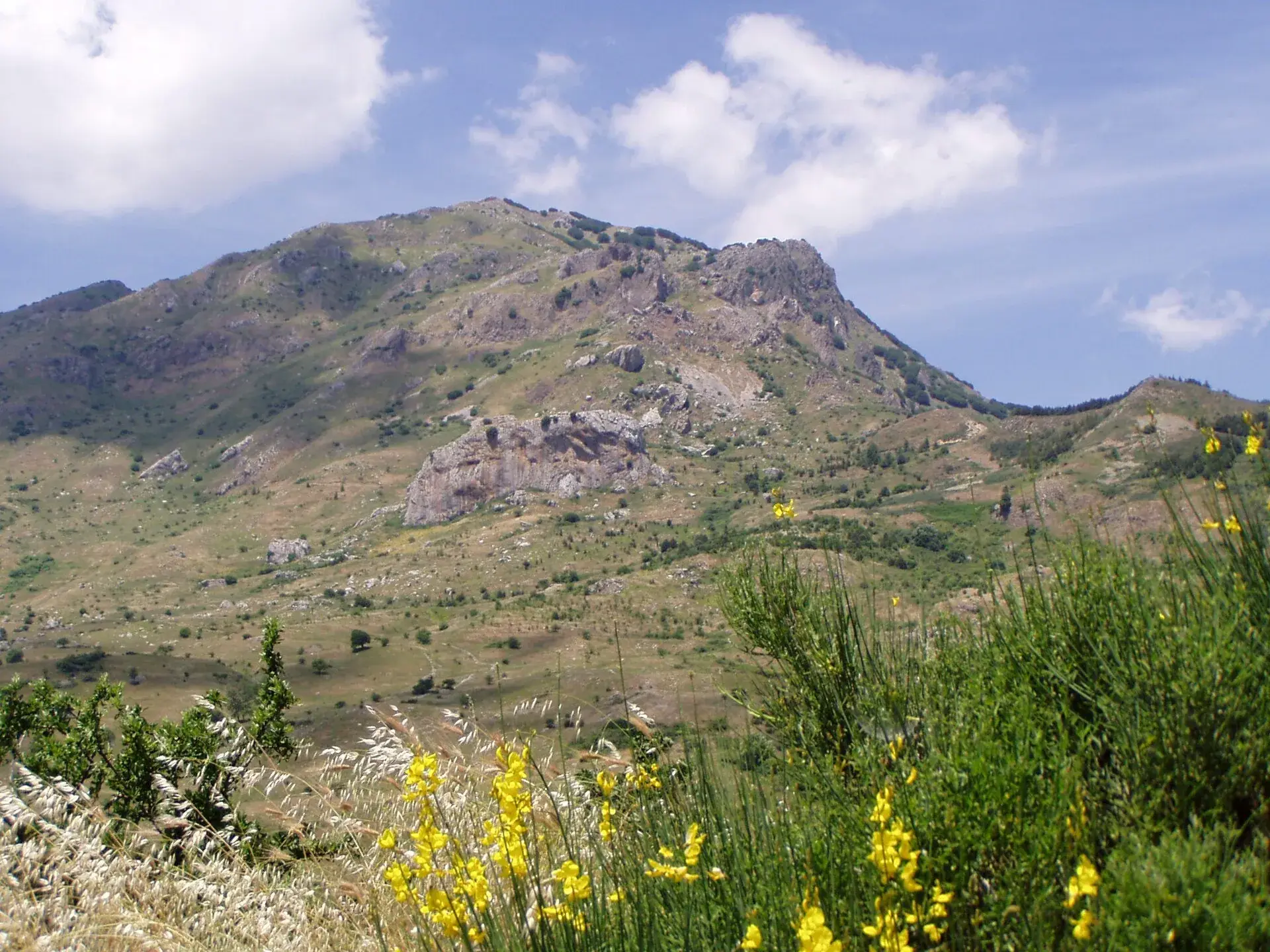
The Madonie are home to a huge share of Sicily’s wildlife: according to the Park Authority the Madonie Park hosts every mammal species on the island, more than half of the birds and more than half of the invertebrates of Sicily. Golden eagles nest on the cliffs, and since 2021 the griffon vulture has been back, after disappearing from here in the 1950s: in 2026 two pairs raised the first chicks in about 70 years. Over the summits flies Parnassius apollo siciliae, a butterfly that lives only here.
Not everything is going well. Fallow deer, reintroduced in the 1980s, are now too many, and hybrid wild boar damage woods and meadows. This guide covers who lives in the Madonie, where to watch them and which rules to follow.
At a glance
The large mammals of the past, such as red deer and wolf, have disappeared from the Madonie. The Park Authority points out that a predator like the wolf is now entirely missing, across the whole of Sicily. Many species remain, though, some of them rare.
| Animal | Scientific name | Notes |
|---|---|---|
| Fallow deer | Dama dama | Reintroduced in the 1980s, now overabundant |
| Wild boar and hybrids | Sus scrofa | Often crossed with pigs, controlled under a management plan |
| Porcupine | Hystrix cristata | Protected under the Habitats Directive |
| Italian hare | Lepus corsicanus | Endemic to southern Italy and Sicily, vulnerable for the IUCN |
| Red fox | Vulpes vulpes | Park Authority species page |
| Wildcat | Felis silvestris | Listed by Wikipedia |
| Pine marten | Martes martes | Listed by Wikipedia |
| Edible dormouse and hazel dormouse | Glis glis, Muscardinus avellanarius | Listed by Wikipedia |
| Weasel | Mustela nivalis | Listed by Wikipedia |
The fallow deer died out in Sicily at the end of the 19th century. In the 1980s the regional forestry agency reintroduced it in the Ficuzza woods and in the Madonie. In its 2010 species page the Park Authority estimated fewer than 300 fallow deer in the park.
Today the numbers are different. The Park Authority’s count on 15 and 16 April 2025 recorded at least 1,856 fallow deer in a single sunset session. The control plan, started in May 2022, culls hundreds of animals every year: 871 in 2024 alone, with activity halted for the whole first half of the year.
The Park Authority blames wild boar, often crossed with pigs, for damage to meadows, undergrowth, orchids and Hermann’s tortoise, and even to the natural population of Abies nebrodensis. On 11 September 2026 the Park Council asked the Region to declare a state of emergency over fallow deer and wild boar, with 224 trained marksmen already at work.
On control days the Park Authority publishes “danger zone” notices listing the areas involved: read them before leaving the main trails.
The Italian hare lives only in central-southern Italy and Sicily. It had almost vanished from the Madonie; according to the Park Authority, after ten years of protection it is easy to meet at the edges of woods in the middle and high mountains. It is active mostly at dawn, at dusk and at night.
The porcupine is tied to farmland and woodland edges. The Habitats Directive lists it among the species that need strict protection.
The Park Authority writes that more than half of Sicily’s bird species live in the park. Raptors are what birdwatchers look for most.
Golden eagle. It has a wingspan of over two metres and nests on the rock faces of the high Madonie. The Park Authority runs a dedicated project and some trails have seasonal closures. The stretch of trail 565 at the foot of Pizzo Canna is closed from 1 February to 30 July, because passing hikers cause breeding to fail. From May to October the Sentiero Italia between Scillato and Piano Zucchi follows a variant.
Other raptors. Wikipedia lists Bonelli’s eagle, peregrine falcon, lanner falcon, kestrel, hobby and buzzard, and among the night birds tawny owl, little owl, scops owl and barn owl.
Rock birds. Above 1,400 metres live the rock thrush and the red-billed chough, which nests in dolines and swallow holes. The Sicilian rock partridge, a subspecies endemic to the island, is declining across the region but is still present in the Madonie.
Birds of the pastures. The Park Authority mentions nightjar, woodlark and red-backed shrike, which depend on pastures and traditional farmland.
The griffon vulture, a vulture whose wingspan can exceed two and a half metres, lived in the Madonie until the 1950s. In 2021 the Sicilian Region, the Park Authority, the Nebrodi Park, the regional veterinary institute, the town of Isnello and the Rotary Club started the reintroduction, with an acclimatisation aviary at Isnello.
The founding group is 35 young griffons brought from Spain, 16 of them fitted with satellite GPS. According to the Park’s zoologist other griffons arrived on their own from elsewhere in Sicily and Italy, and today at least 80 are estimated. In 2026 two pairs nested on the park’s cliffs and both chicks fledged: it had not happened for about 70 years.
The project goes on. Between 2026 and 2027 another 50 to 60 griffons will arrive from Spain, under an agreement between the Park Authority, the town of Isnello and the International Foundation for Mediterranean Biodiversity. The Park Authority will supply carcasses from the wildlife control plans to feed them.
With the feeding stations the Egyptian vulture has come back too, a small migratory vulture called Pasqualino in Sicilian because it returns from Africa around Easter. The Park Authority counted one in 2023 and five in 2024; in 2025 the first pair bred successfully, and in 2026 it happened again. The Authority’s next dream is the bearded vulture, which according to the naturalist Francesco Minà Palumbo nested in the Madonie until the mid-19th century.
Lizards, skinks, geckos, whip snakes, grass snakes, frogs, painted frogs and toads are common in suitable habitats, according to Wikipedia. Hermann’s tortoise still has a fair population in the park, writes the Park Authority, but suffers from wild boar.
The only venomous snake is the viper. It lives in woods and on scree and bites only in self-defence; bites on humans are rare.
In the Madonie 90 of Sicily’s 100 butterfly species have been found, according to the Park Authority. Several are endemic or nearly so: the Park’s species page lists Hesperia comma hemipallida, Lycaena alciphron bellieri, Eumedonia eumedon nebrodensis and Polyommatus daphnis pallidecolor.
The most famous is Parnassius apollo siciliae, a white butterfly with red spots that lives only on the summit areas of the Madonie. The Park Authority considers it one of the most important ice-age relics of Sicilian fauna. CAI Sicilia records it on the Pizzo Carbonara plateau, and the Park Authority in the clearings along the Abies trail.
The caterpillar depends on Sedum plants, the adult on the nectar of high-altitude flowers. In 2026 monitoring by the Park’s zoologist Antonio Spinnato found no individuals in some historic areas: only small groups remain. The main cause given is grazing by fallow deer, which reduces the plants the butterfly needs.
In the summer of 2026 the Park Authority gathered a panel of experts in Petralia Sottana and put the butterfly forward as the symbol of the Park’s fauna, just as Abies nebrodensis is for its flora. Measures under study include temporary fencing to protect the habitat and better management of fallow deer.
Wild animals are best seen at dawn and dusk, with binoculars and in silence. Some places to start:
To get to know the plants that give these animals a home, see the guide to Madonie wildflowers; for woodland habitats, the guide to woods and beech forests.
The Park’s visitor rules forbid hunting, bringing weapons, catching or disturbing wild animals, which must be left in peace, without shouting or sudden movements.
Before setting off check the mountain weather and the general rules in the guide to the Madonie Park.
Updated on 19 October 2026
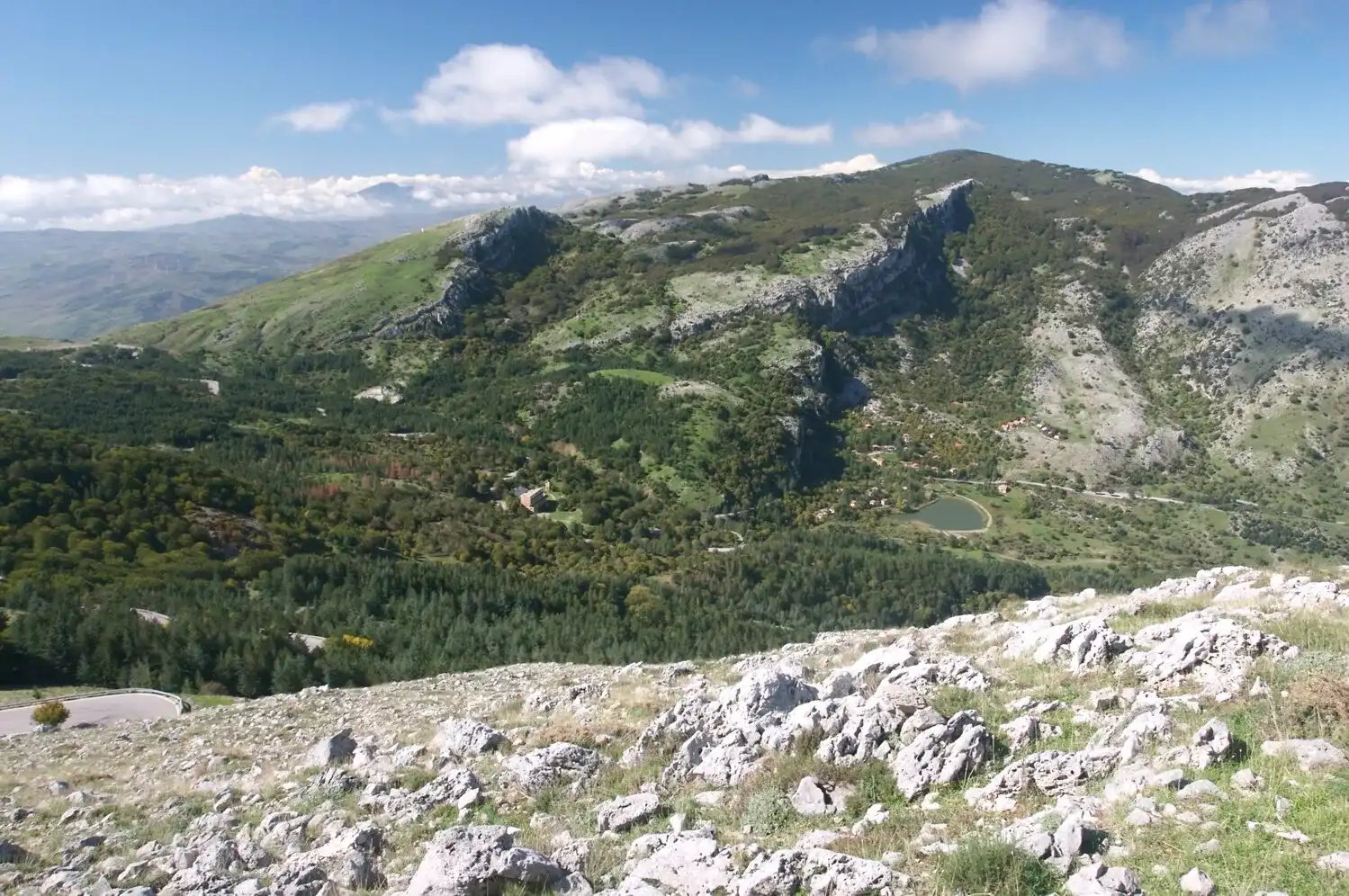 Hiking trail
Piano Battaglia · Loop
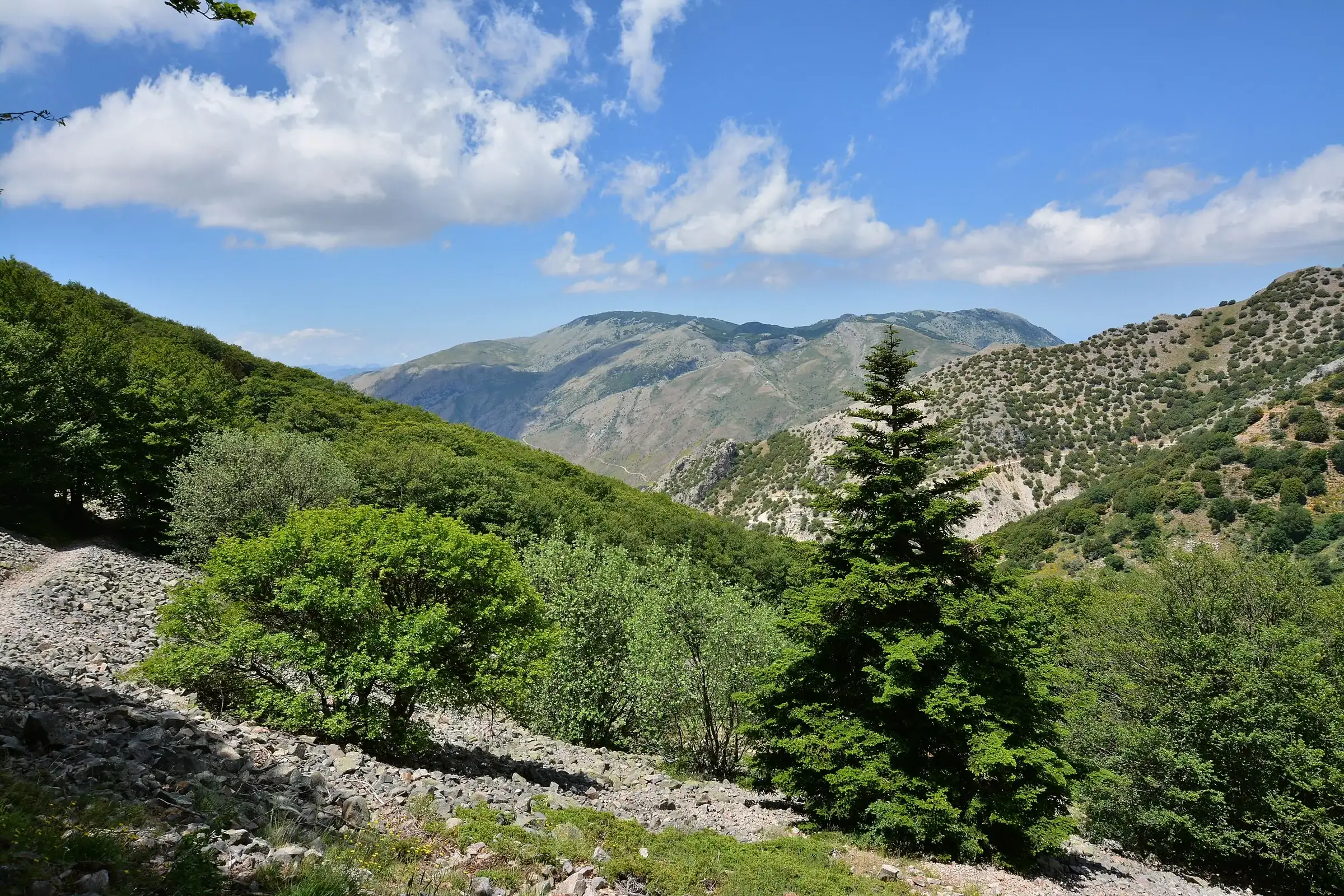 Hiking trail
Contrada Quacella, SP119 · Loop
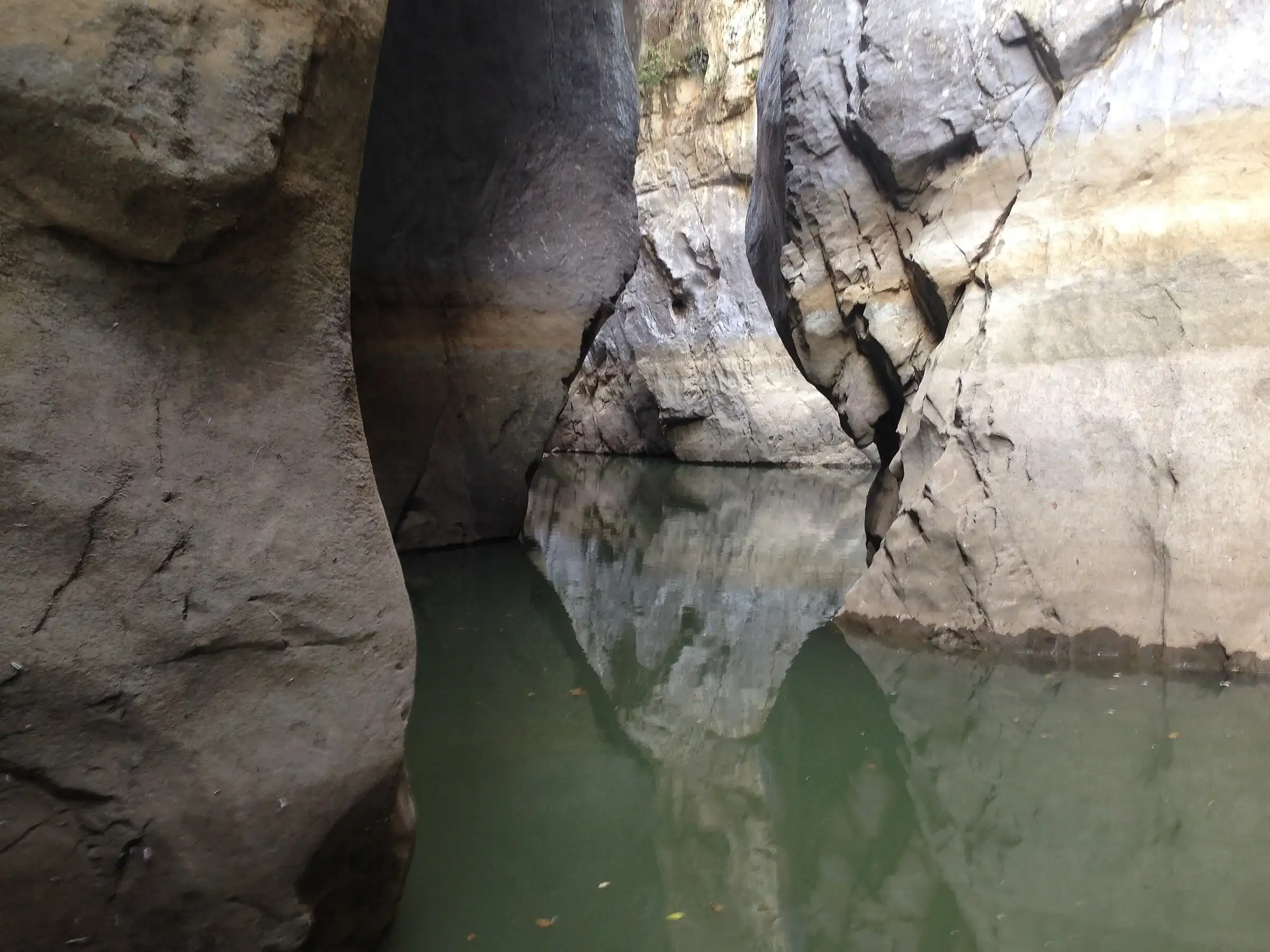 Hiking trail
Case Marcatagliastro · Out and back
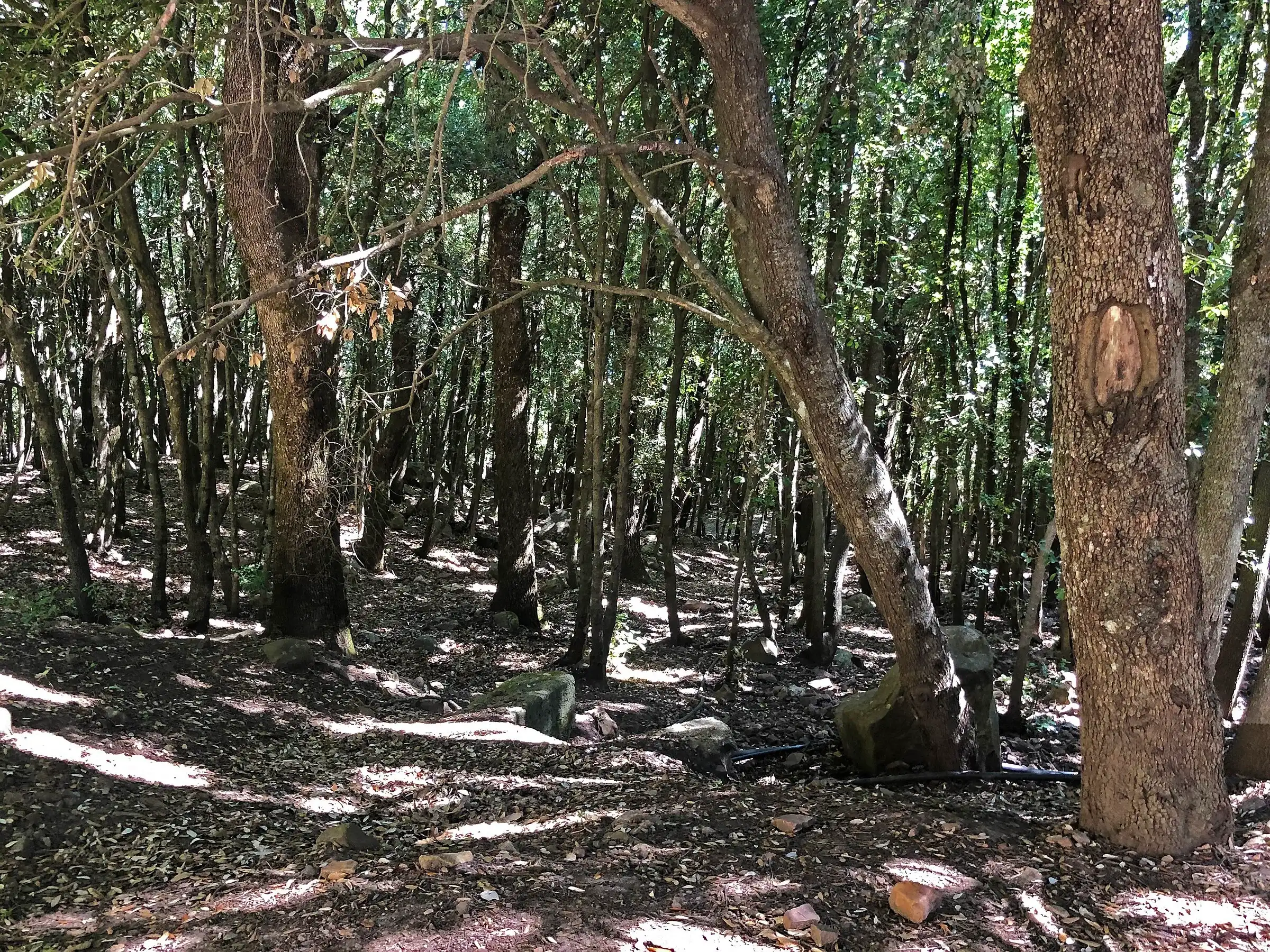 Hiking trail
Piano Sempria · Out and back
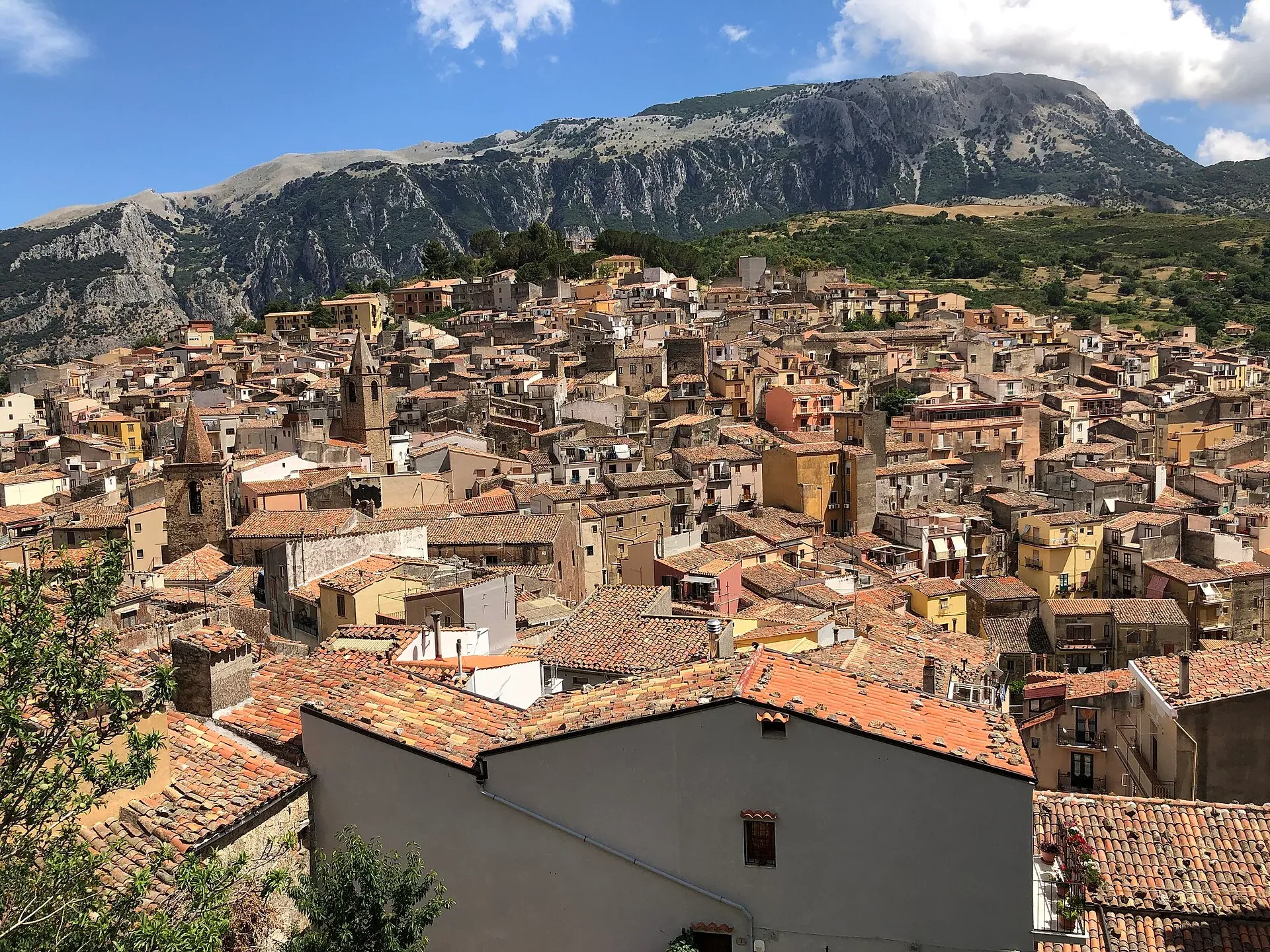
583 m a.s.l.
The town of the stars, beneath the Madonie cliffs
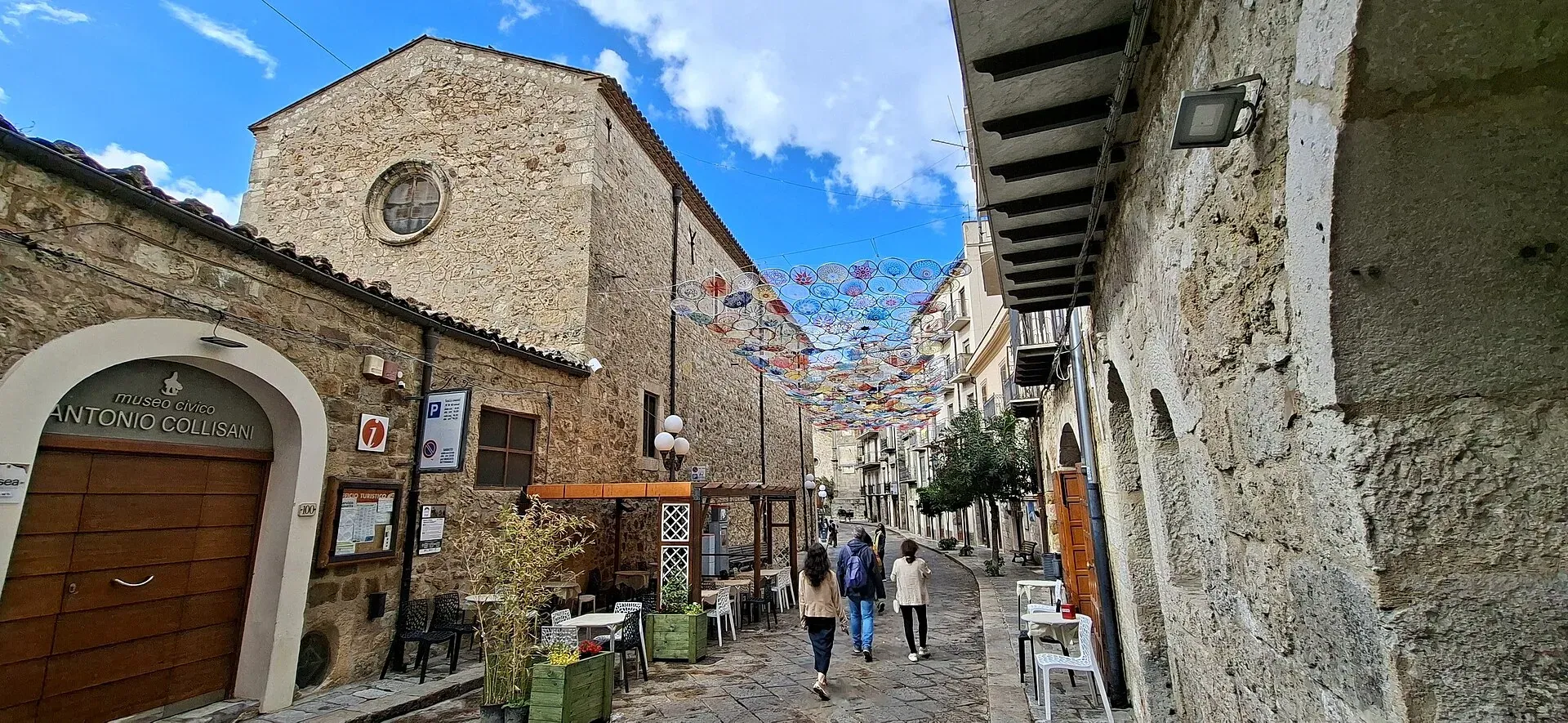
1,039 m a.s.l.
Home of the Madonie Park, at the foot of Piano Battaglia
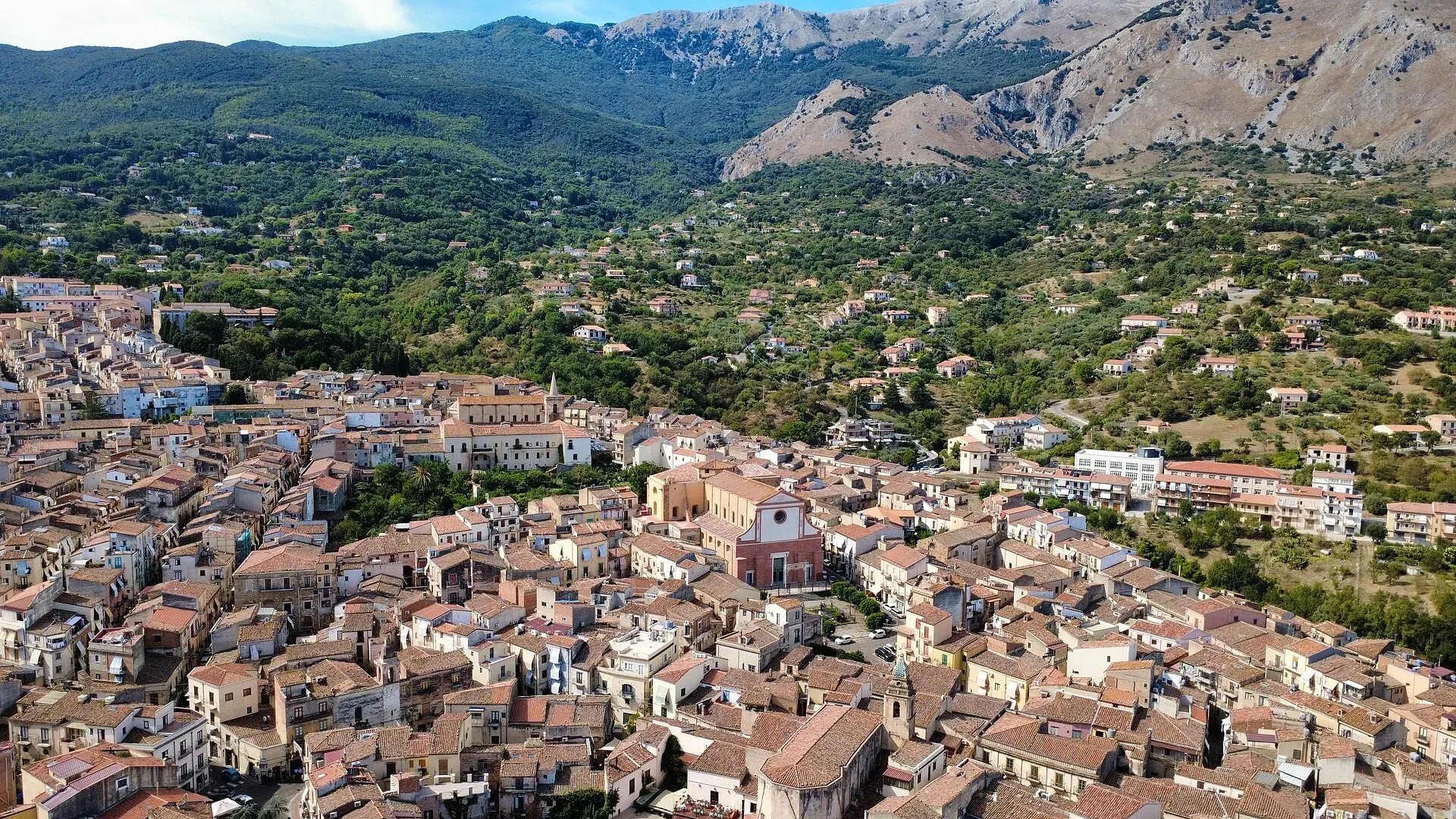
423 m a.s.l.
The town of the Ventimiglia castle, manna and testa di turco
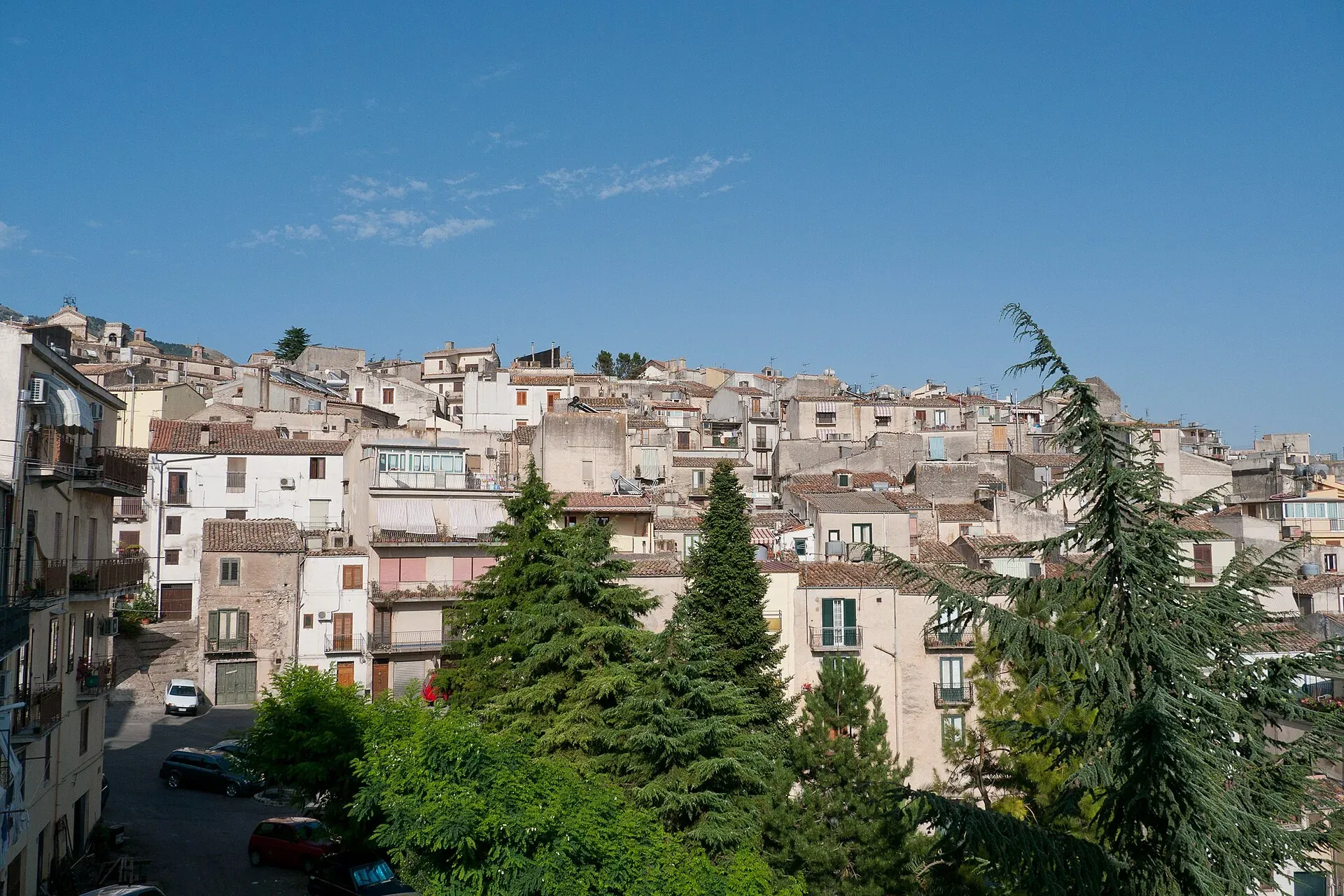
920 m a.s.l.
The town of the Abies nebrodensis, sfoglio and badda beans
239 m a.s.l.
Springs, water mills and oranges
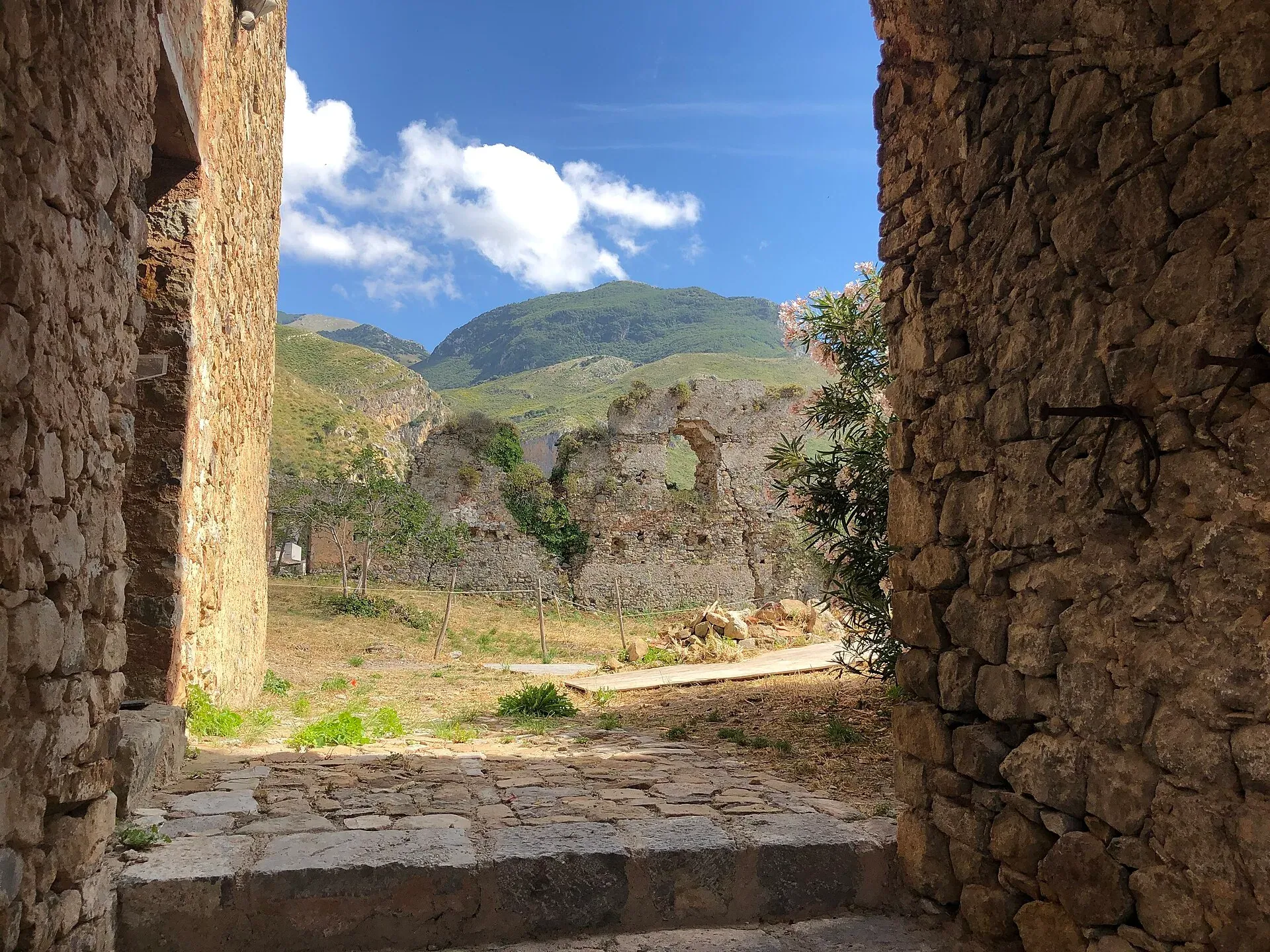
470 m a.s.l.
Ceramics, a castle and the Targa Florio museum
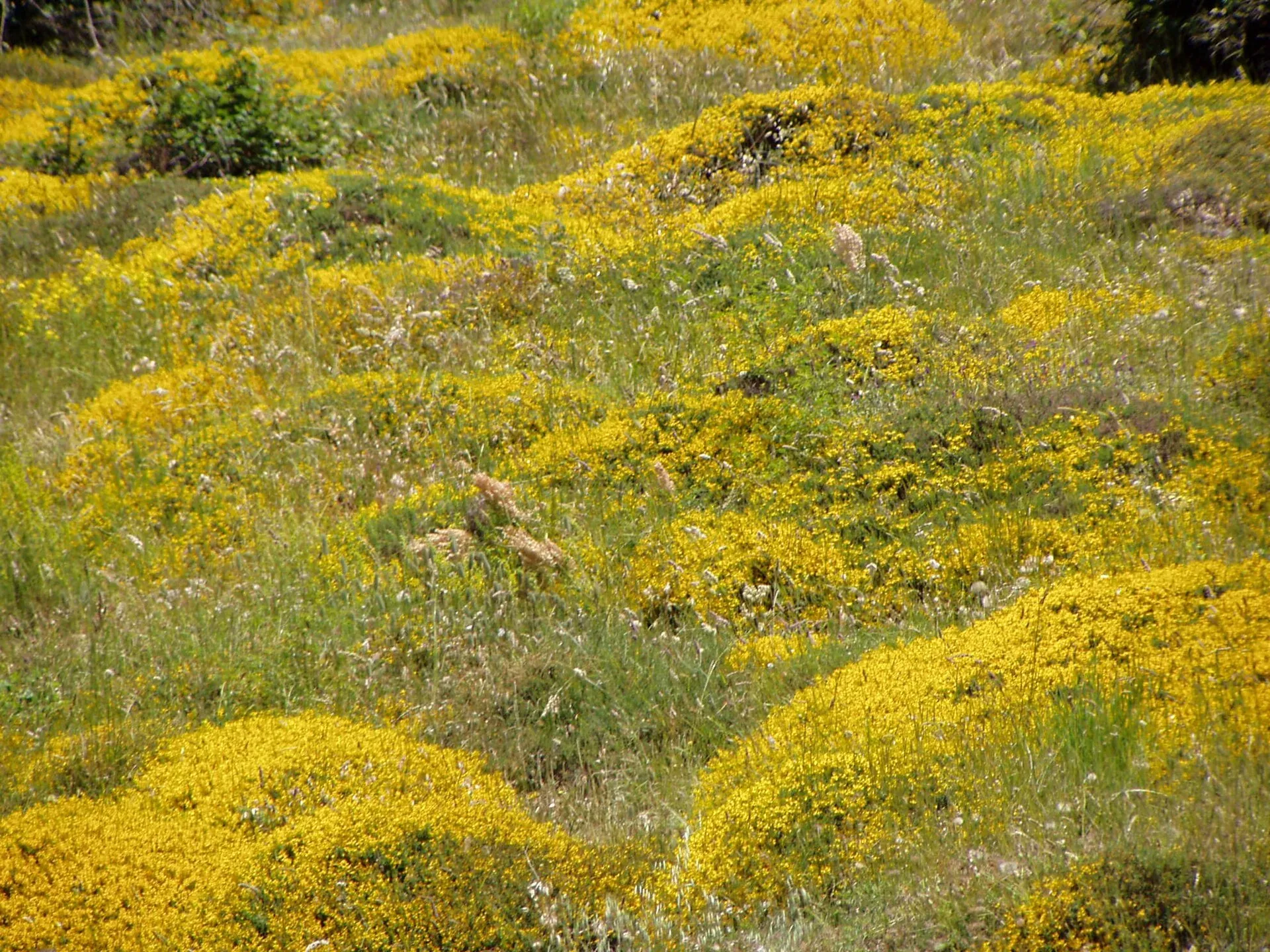
Nature
Madonie flora: about 1,500 species and 170 endemics, over half of Sicily's plants. Endemic plants, orchids, peonies, where to see them and when they flower.
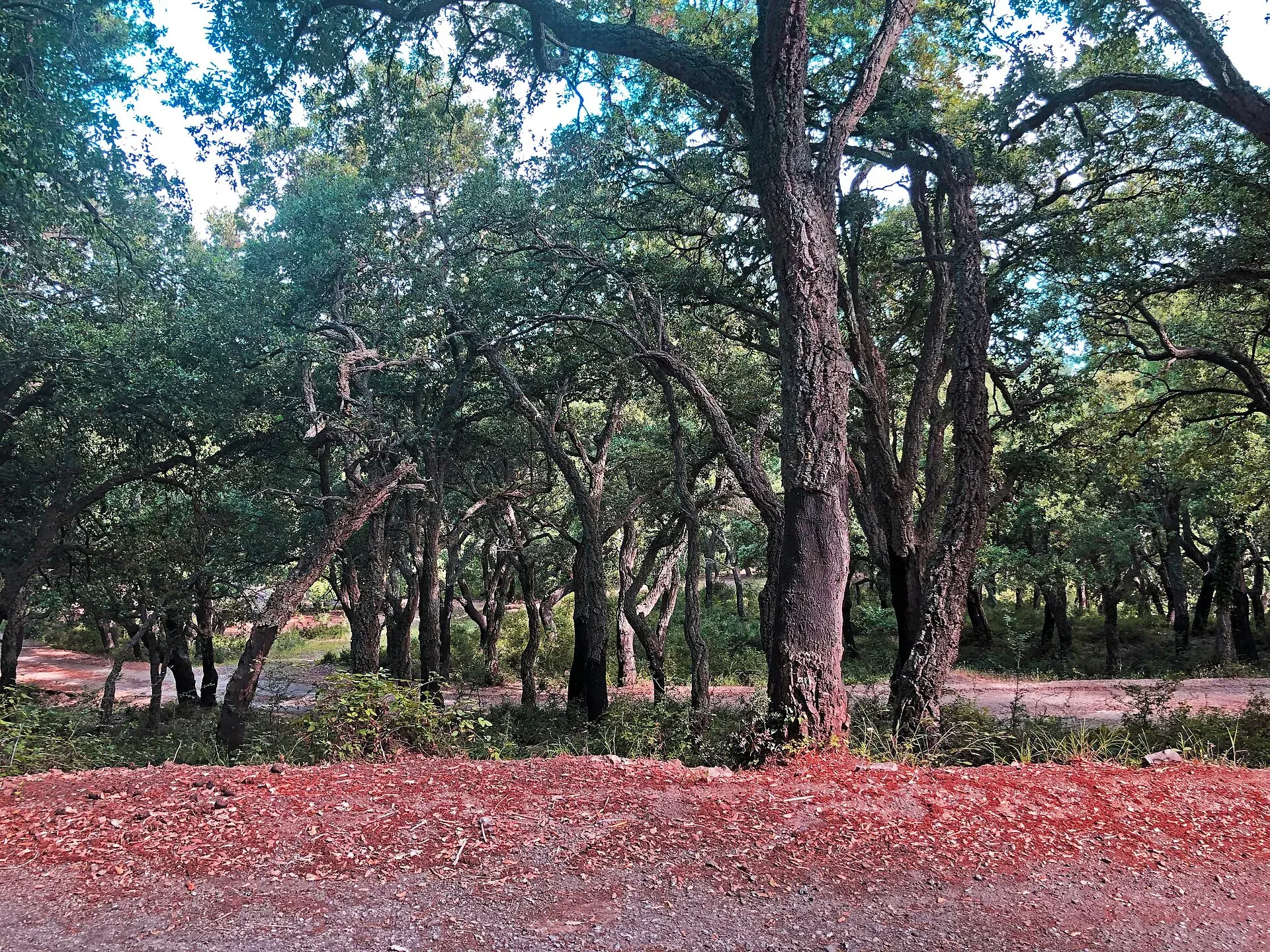
Nature
Madonie woods: beech forests up to 1,900 m, holm oaks, cork oaks, giant hollies and trees 800 years old. Where they are, how to tell them apart and when to go.
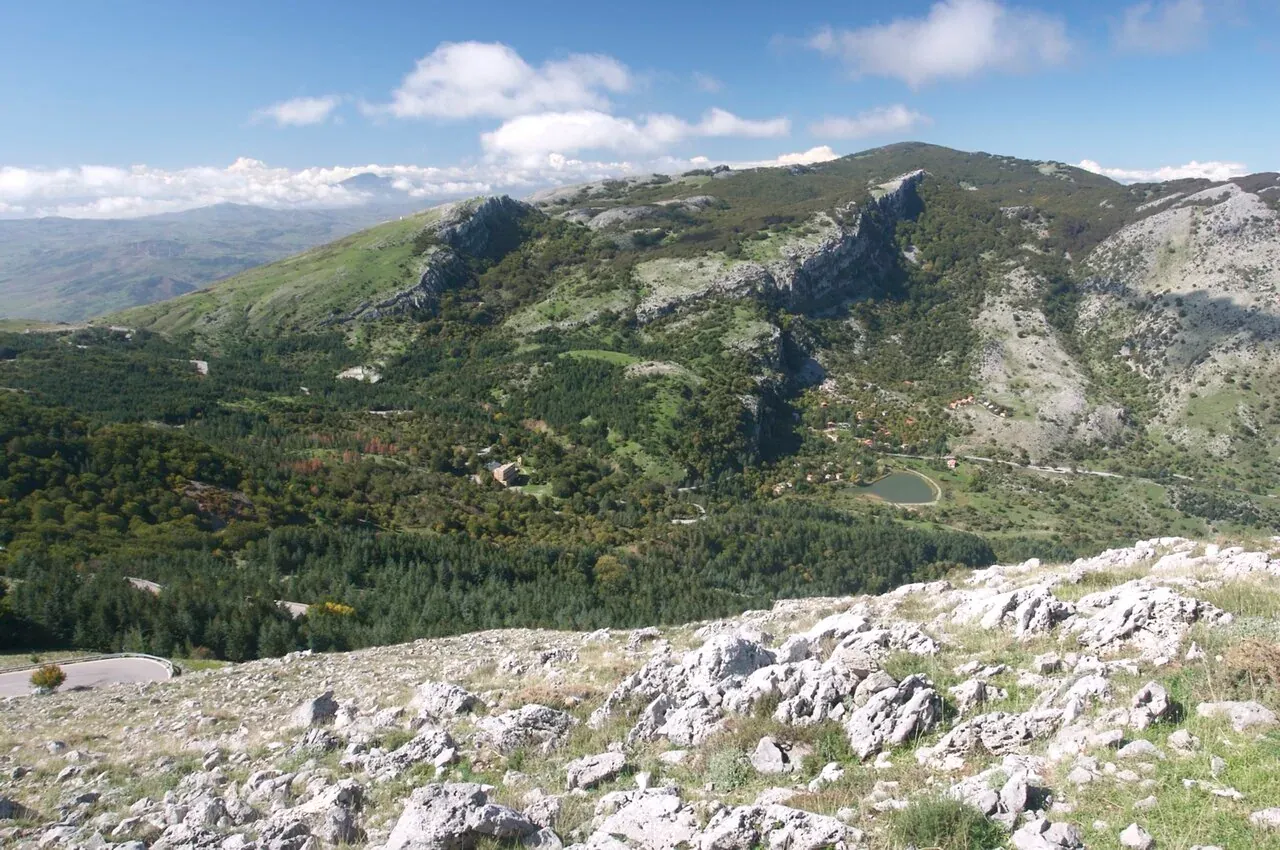
Nature
The peaks of the Madonie: Pizzo Carbonara 1,979 m, Pizzo Antenna Grande, Monte San Salvatore, Quacella and Mufara. Table of heights, trails and practical tips.
Nature
Madonie Park (Parco delle Madonie): 39,679 hectares and 15 towns between Cefalù and the Petralias, founded in 1989. Zones, rules, sights and how to get there.
Nature
The plateaus of the Madonie: Piano Battaglia at 1,572 m, Piano Zucchi, Piano Sempria, Piano Cervi, Piano Pomo and Piano Catarineci. Heights, access, what to do.
Travel info