Travel info
Things to do in the Madonie
Caving in the Madonie: the Abisso del Vento in Isnello and the Abisso del Gatto in Cefalù, the Park rules, CAI courses and who to call in an emergency.
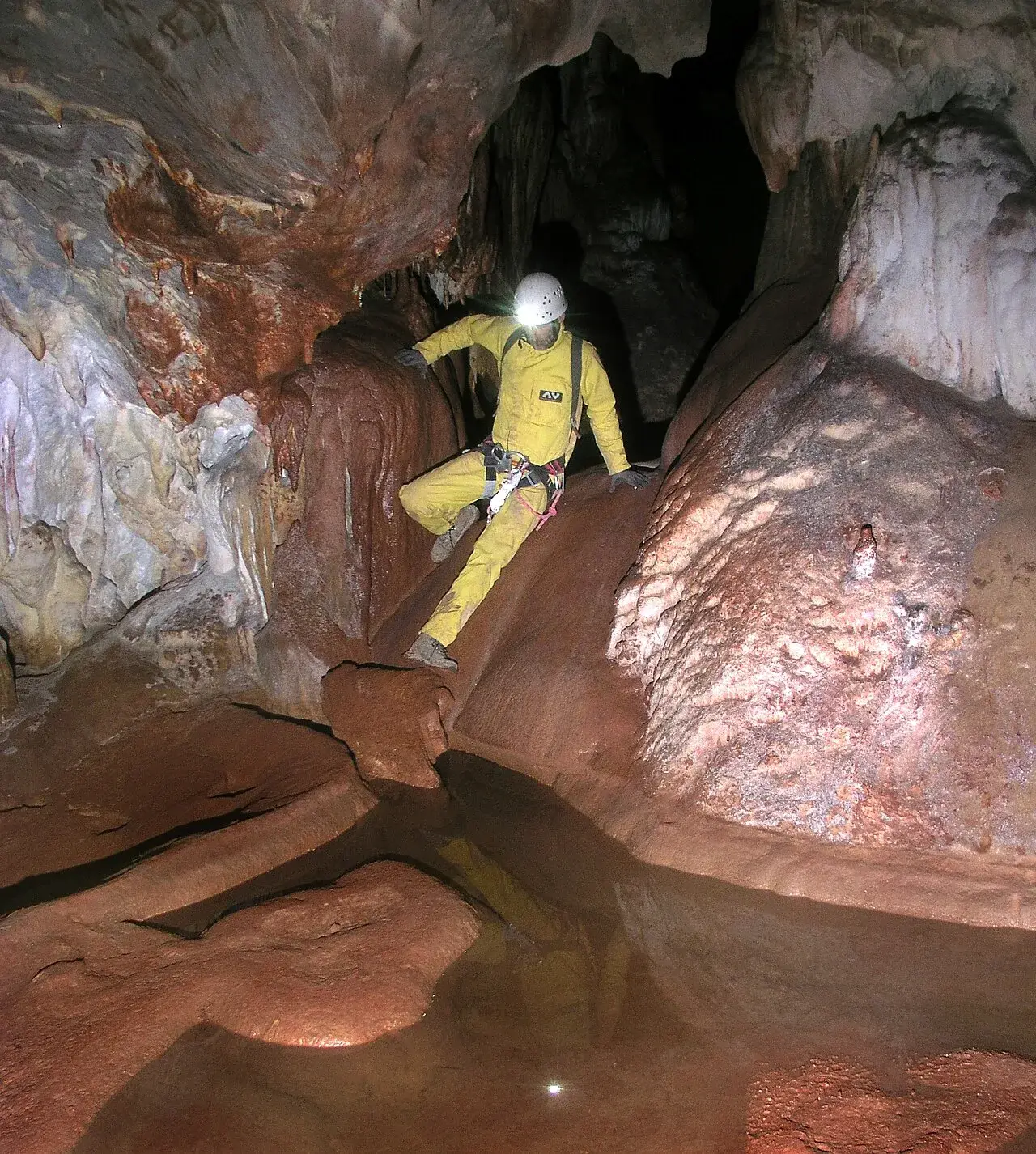
Caving in the Madonie revolves around two caves: the Abisso del Vento in Isnello, about 2 km of passages and more than 200 metres deep, and the Abisso del Gatto in Cefalù, 323 metres, which the CAI Sicilia leaflet describes as the deepest cave on the island. These are caves for experienced cavers, with entrances on private land. In the Parco delle Madonie it is forbidden to enter caves that are not signposted: you start with a Club Alpino Italiano course, never on your own.
This guide does not tell you how to reach the entrances or how to rig a shaft. It tells you what lies beneath the Madonie, who goes there and under what rules.
At a glance
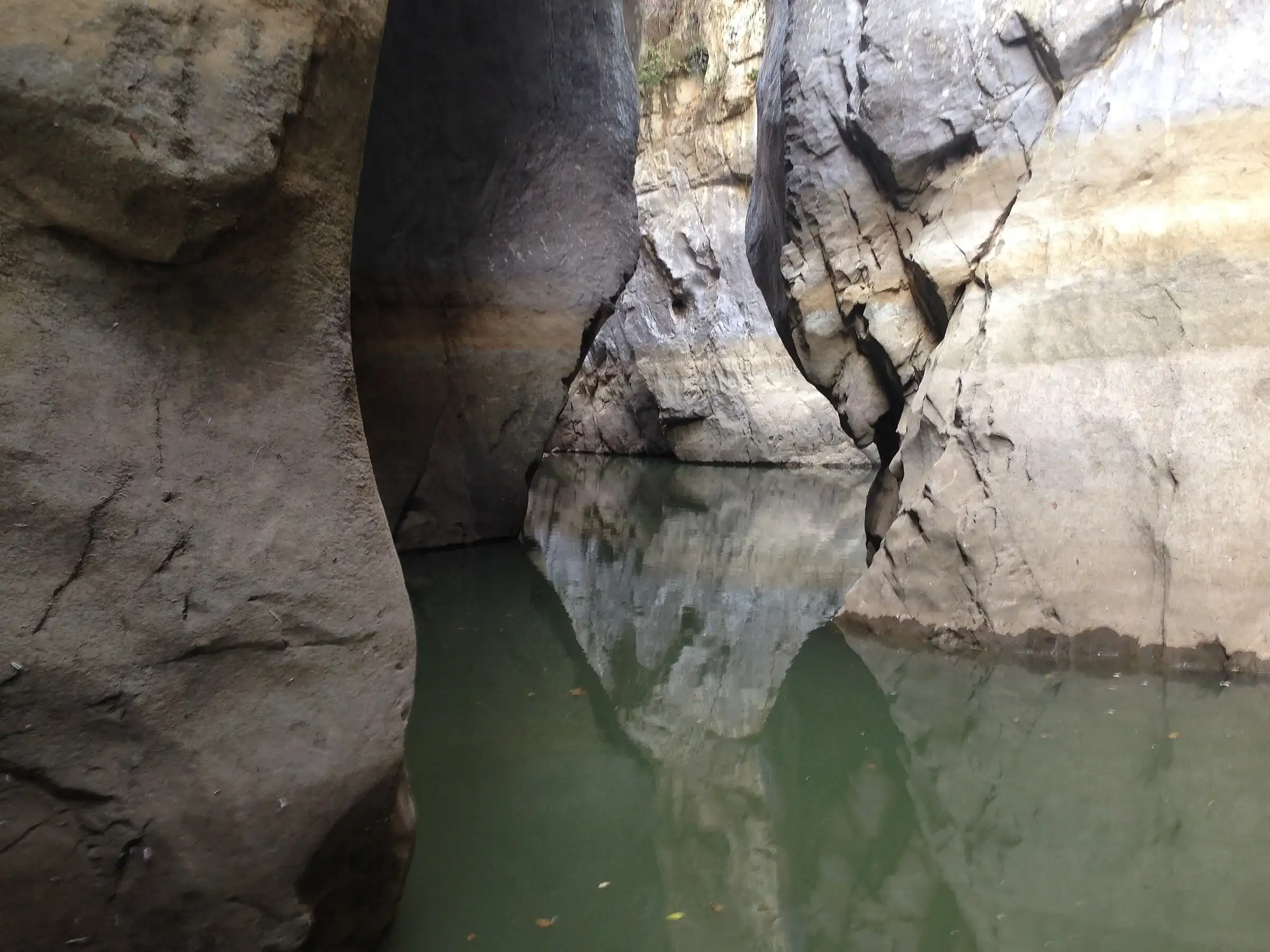
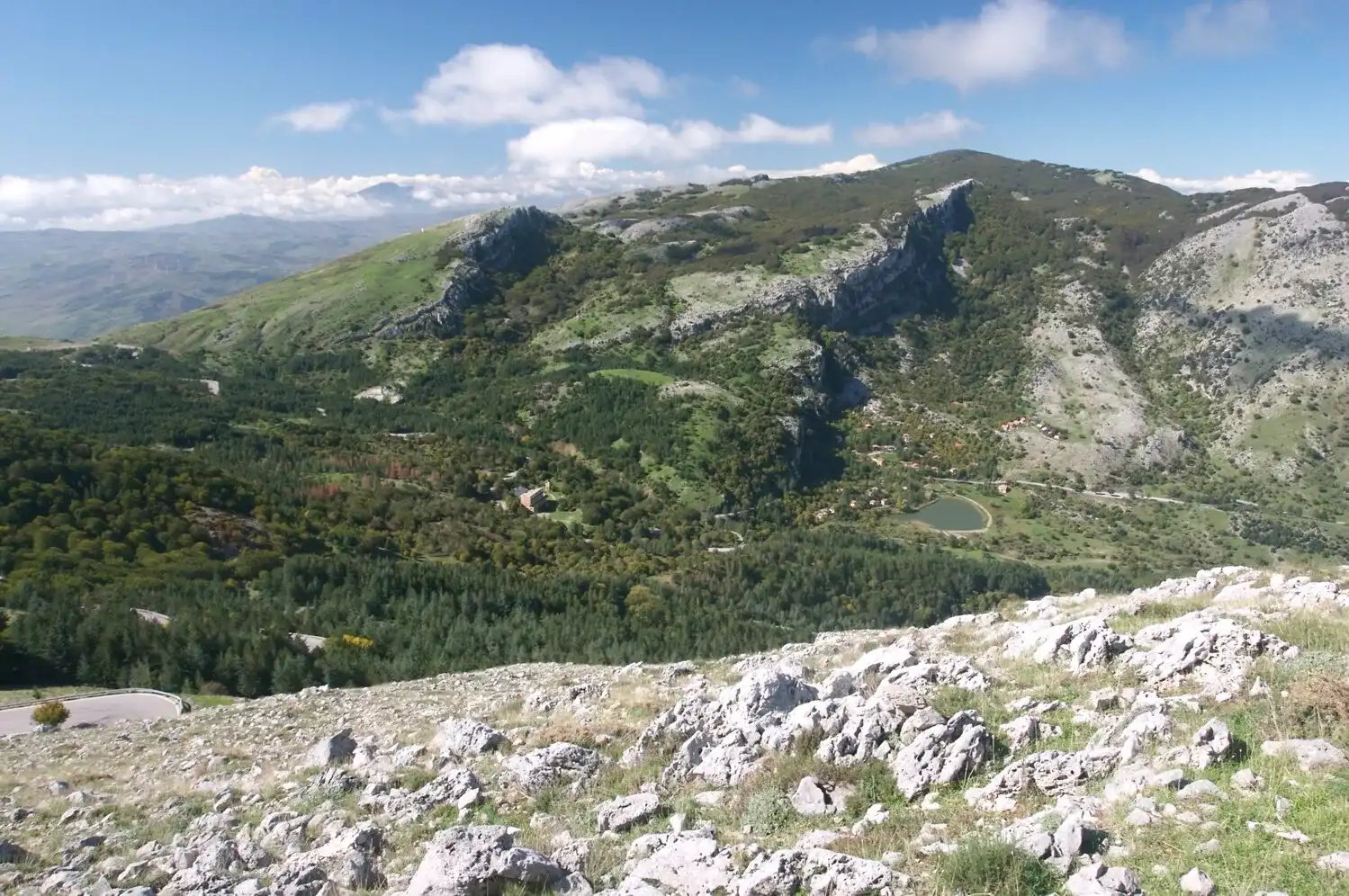
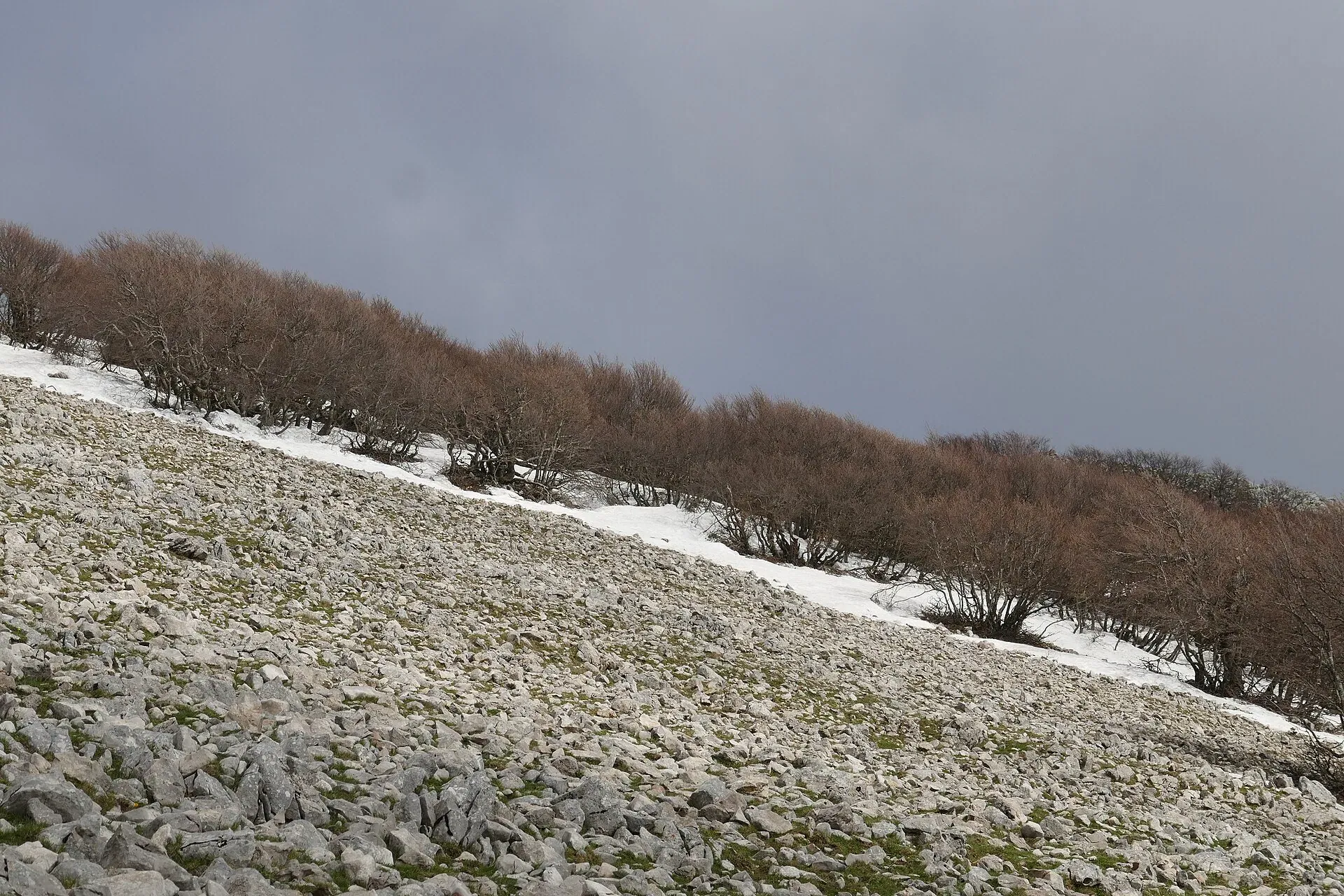
The heart of the Madonie, around Pizzo Carbonara, is limestone, a rock that water slowly dissolves. On the surface you see it in the plateaus pitted with dolines and sinkholes, where rain disappears into the ground. Below, the same water has carved passages, shafts and chambers.
The website sentierisiciliani.it puts it in practical terms: on the high plateaus you find no fountains, because the water goes down and comes up somewhere else. Caves are the other half of that landscape: the gorges, caves and waterfalls of the Madonie seen from outside are in the guide Gorges, caves and waterfalls.
Many caves also have a human history. Near the entrance of the Abisso del Vento, in the 1970s, cavers found an Eneolithic burial. In Petralia Sottana the Grotta del Vecchiuzzo has yielded Neolithic and Eneolithic finds, from the 4th and 3rd millennia BC.
The Abisso del Vento opens at the foot of Cozzo Balatelli, in the municipality of Isnello, inside zone A of the Park, the strictest protection zone.
Its name comes from a very strong draught that blows through the first squeeze near the entrance. Centuries ago C. Grisanti wrote that if you put your ear to the rock above the cave you could hear the sound of water: it was the wind.
The first explorations were made in 1972 by cavers from CAI Cefalù. Then groups came from Palermo, Catania, Ragusa and Versilia, and the cave became one of the most complex in Sicily.
What it is like, according to the leaflet produced by CAI Sicilia, the Park authority and the Comune of Isnello:
The leaflet gives about 2 km of passages and 220 metres of depth; news reports in 2018 say 213 metres. Both sources agree on one thing: only experienced cavers go in, and the entrance is on private land.
On 15 December 2018 a 42-year-old caver slipped about 100 metres down and broke her leg. She was with eight companions. Two stayed with her; the others climbed out to raise the alarm because there is no phone signal in the area.
Fifteen technicians from the National Alpine and Cave Rescue Corps, Palermo-Madonie station, arrived with two doctors, followed by reinforcements from the caving delegation in Catania: about thirty people. The stretcher recovery went on through the night.
It’s a good reminder. Even a large, experienced group in a well-known cave can need a whole night of rescue.
The Abisso del Gatto opens on the western slope of Cozzo Carcarello, in the municipality of Cefalù, at 380 metres above sea level and in zone B of the Park.
It is an active sinkhole: today it only takes in water during prolonged rain. That is why people who go there watch the weather closely.
| Data | Abisso del Vento | Abisso del Gatto |
|---|---|---|
| Municipality | Isnello | Cefalù |
| Park zone | A | B |
| Length | about 2 km | 1,100 m |
| Depth | 213-220 m | 323 m |
| First explorations | 1972, CAI Cefalù | 1955, CAI Cefalù |
| Access | experienced cavers, private land | experienced cavers, private land |
Source: leaflet from the CAI Sicilia and Parco delle Madonie project; for the depth of the Vento also LiveSicilia (2018).
The history of exploration is long. In 1955 cavers from CAI Cefalù descended the first 12-metre shaft and stopped for lack of equipment. Research resumed in the 1980s and in 1986, with CAI Palermo, the bottom was reached.
Inside, narrow passages on several levels are linked by shafts up to 60 metres deep, the deepest of which is called Pozzo Cefalù. In the upper parts the forms carved by flowing water dominate; in the deeper parts, the formations. The cave ends in a narrow passage where a small pool blocks further progress.
In the Park’s municipalities we found no show caves with tickets and opening hours, like those in other regions. And the Park rules are clear: you don’t enter natural caves unless they are signposted as places of interest, and only along the marked route.
There is one easy exception: the Grotta Grattara, at the foot of Pizzo di Pilo above Gratteri, at over 1,000 metres. According to the Park authority you reach it from the San Nicola plateau on a zigzag path through the pine wood; inside there is a large rock basin carved by dripping water, and local legend makes it the home of the Befana. You don’t need caving gear, but it is still a natural cave: look at it without climbing the walls.
You can also see the karst well while walking, and the geosites are described in the guide to the Madonie UNESCO Global Geopark:
Caving is learned in a group, with instructors, and the first step is an introductory course. In Sicily they are run by CAI sections with a caving group, under the National Caving School.
The latest published edition we found near the Madonie is CAI Palermo’s: the 54th, from 5 to 25 March 2025, with theory lessons on Tuesday evenings and practical sessions outdoors and in caves. It was open from age 15, with a non-competitive sports medical certificate, and places were limited. The section’s caving group also has trips planned in 2026, for members only.
On a course you learn to use the equipment, to move safely underground and to respect the cave environment. These things can’t be improvised, and this page deliberately does not explain them.
For the rest of the mountains, from the CAI scale to rescue, see the article on safety on Madonie trails. If you are interested in the rock from the outside, the guide to climbing in the Madonie covers the bolted crags.
Updated on 19 October 2026
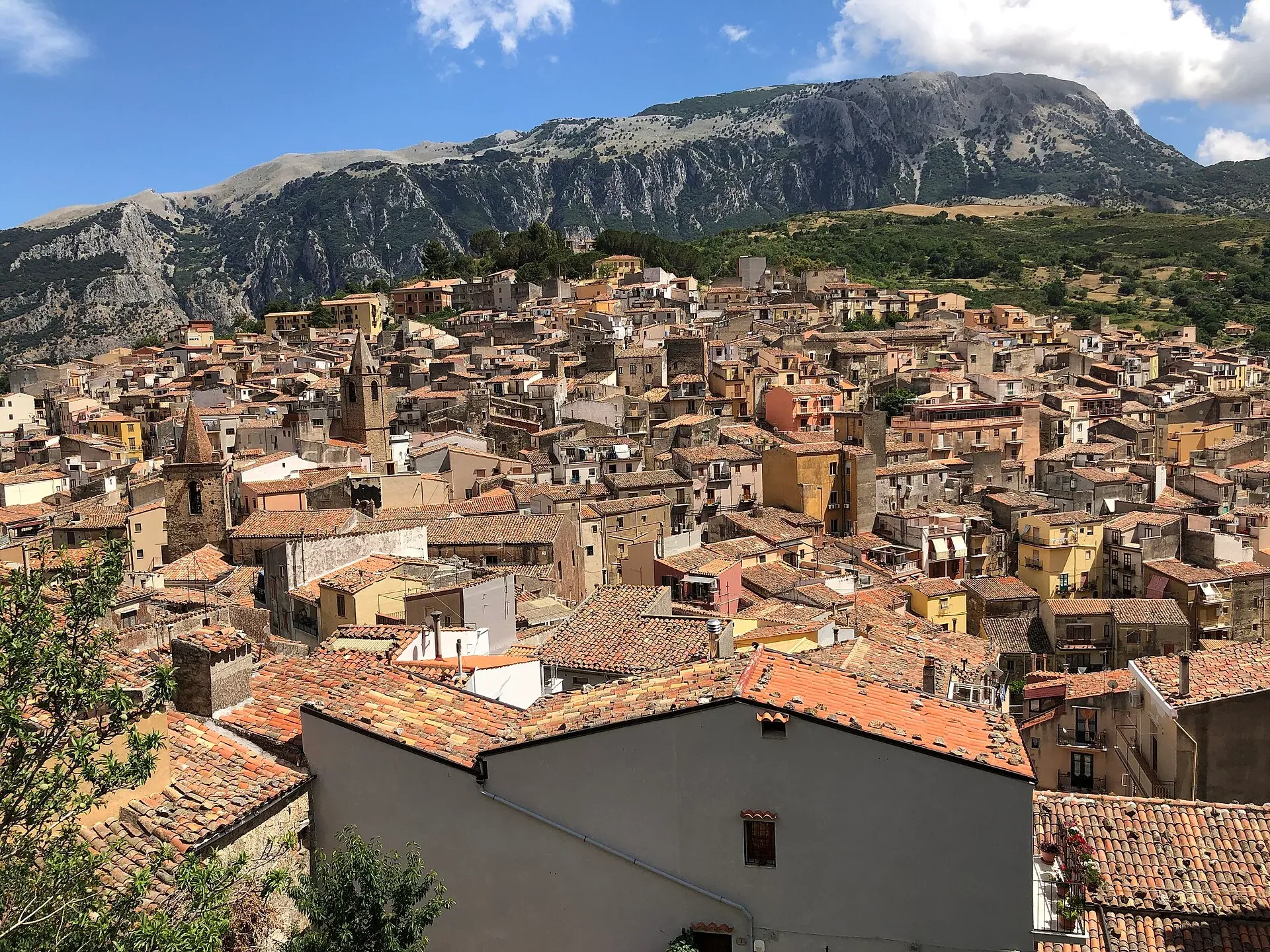
583 m a.s.l.
The town of the stars, beneath the Madonie cliffs
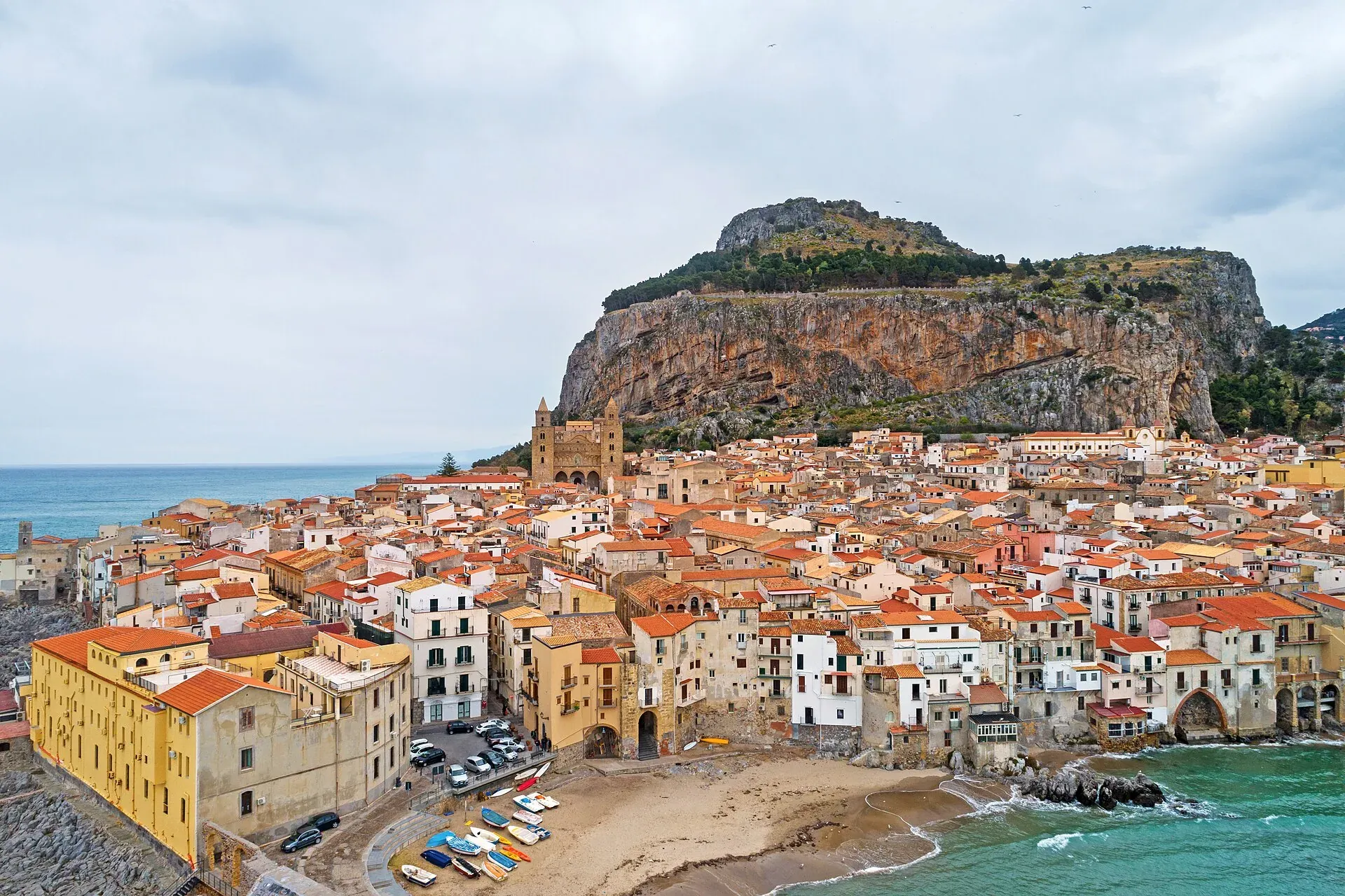
16 m a.s.l.
The Norman cathedral, the Rocca and the sea at the foot of the Madonie
680 m a.s.l.
The terrace over the Tyrrhenian Sea above Cefalù
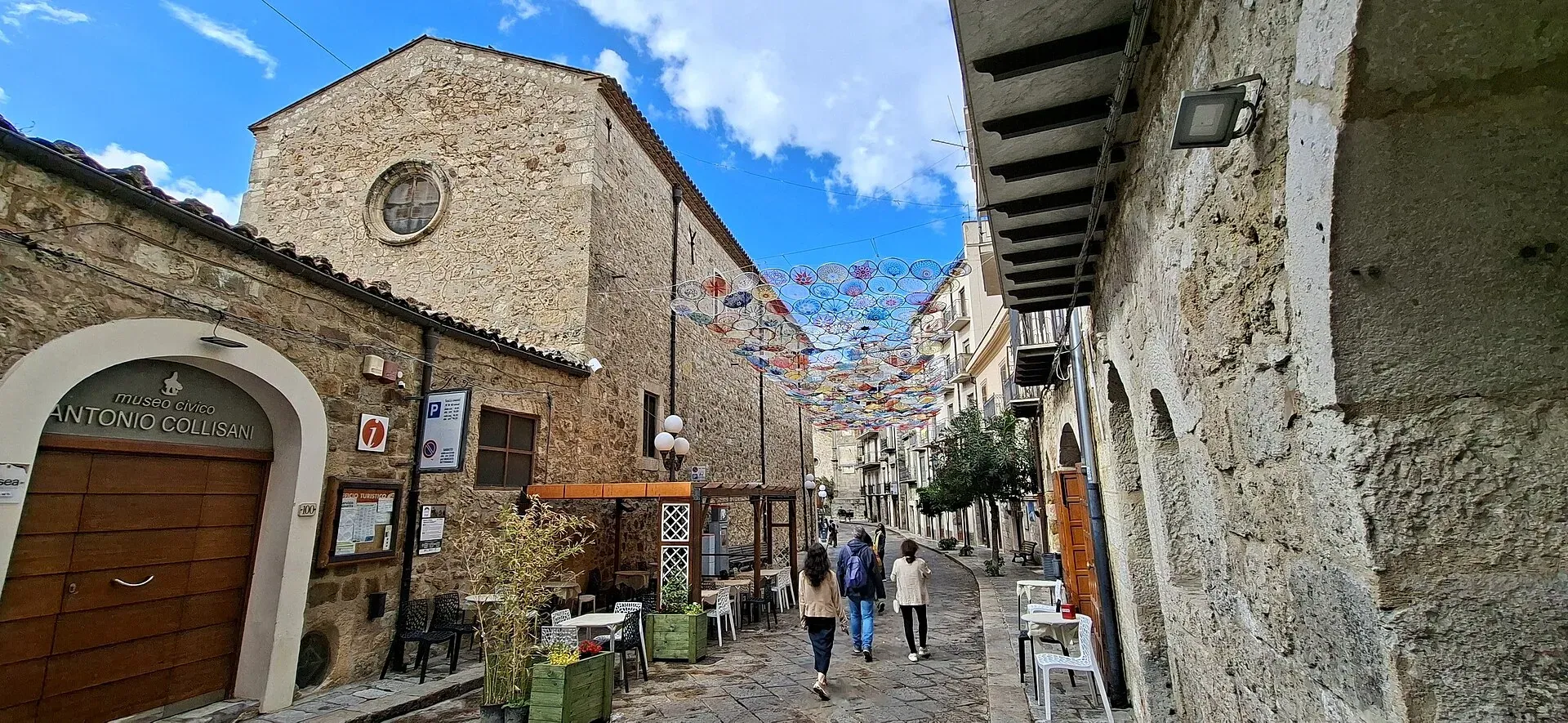
1,039 m a.s.l.
Home of the Madonie Park, at the foot of Piano Battaglia
Things to do
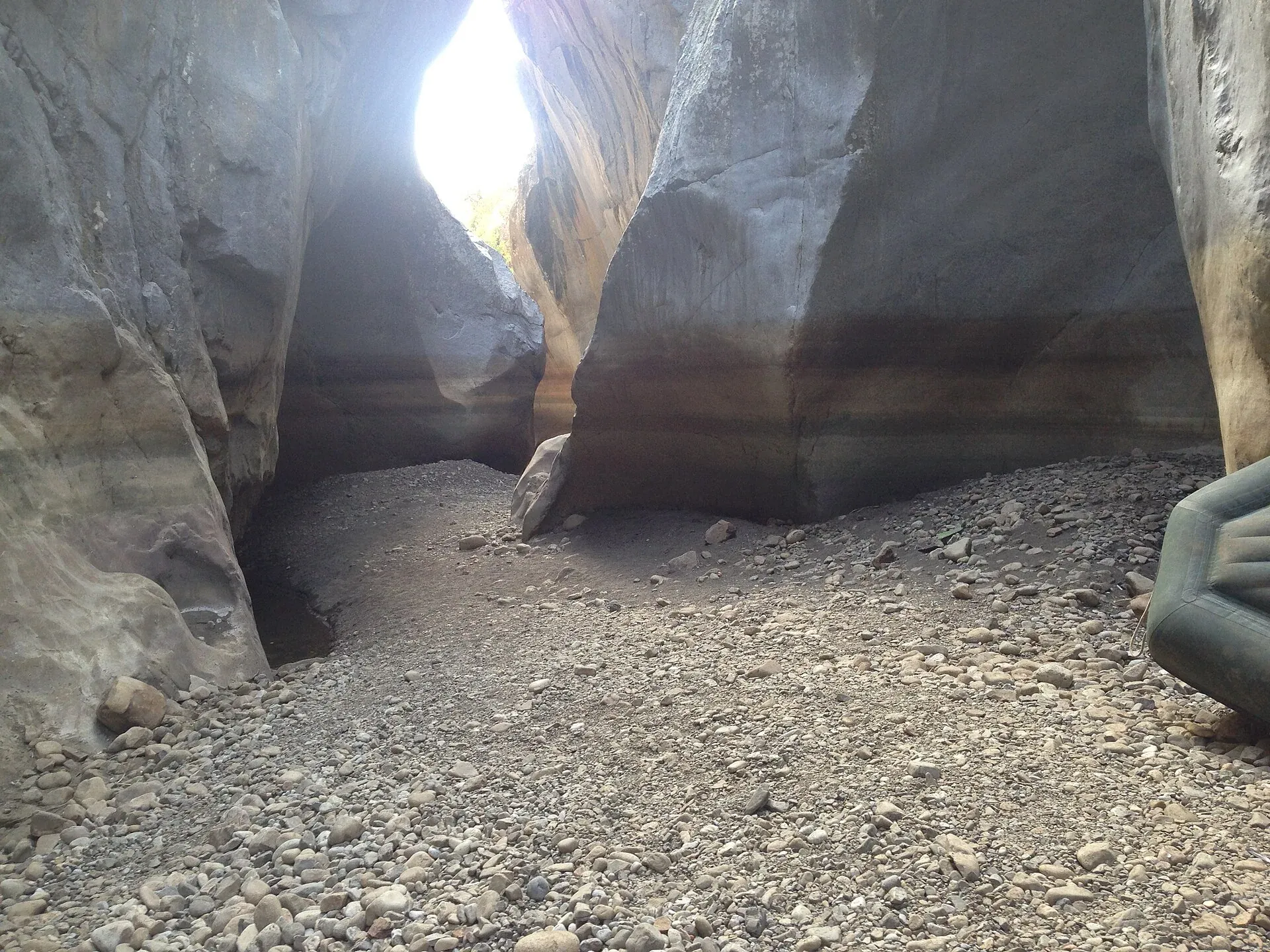
Gole di Tiberio, Grotta Grattara, Abisso del Vento, Abisso del Gatto and Scopalacqua falls: where they are, how to visit and what is banned in the Madonie.
Things to do
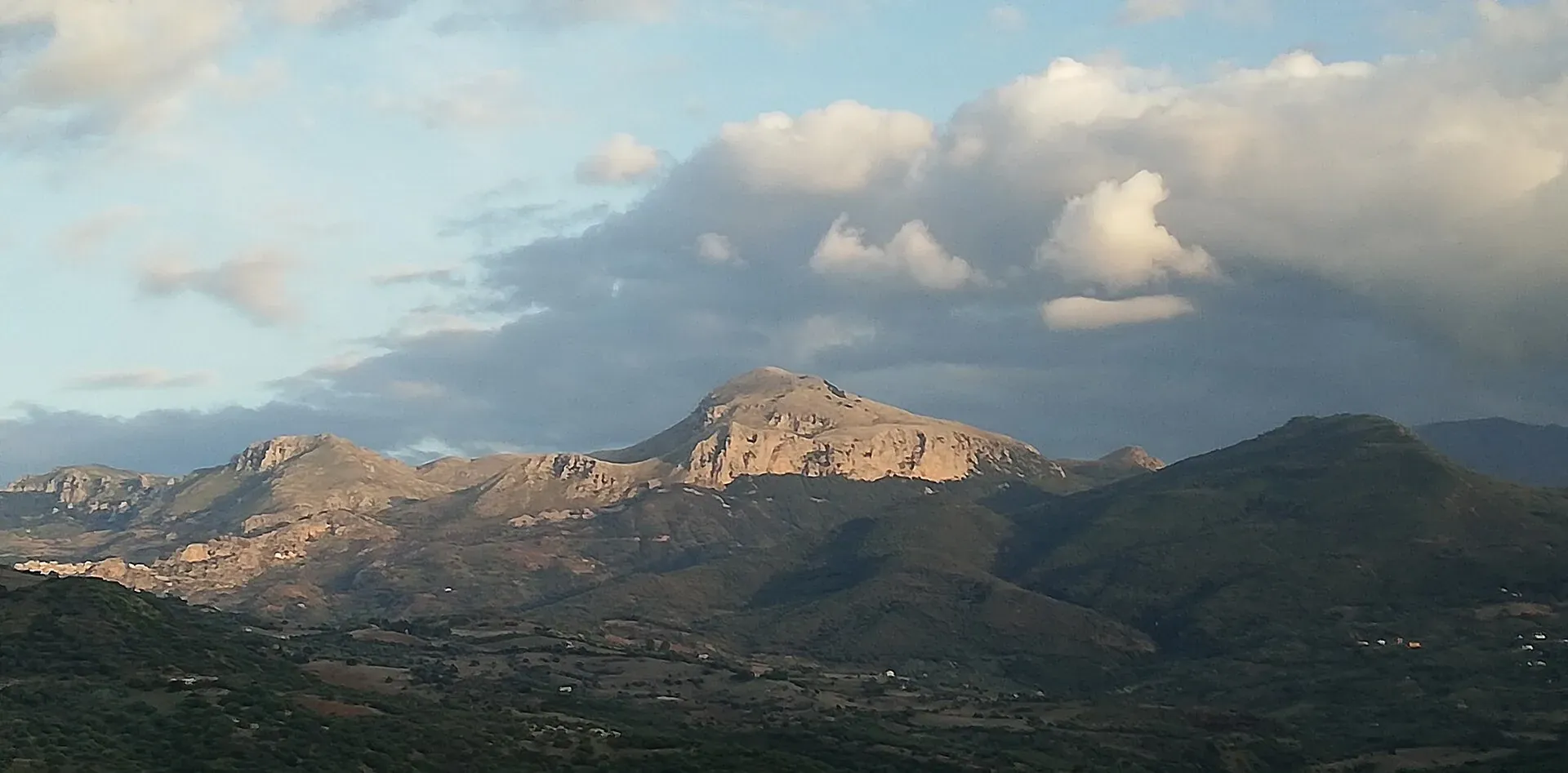
Madonie UNESCO Global Geopark: a geopark since 2001, UNESCO since 2015, 70 geosites and 220 million years of history. What to see, geological trails, museums.
Things to do
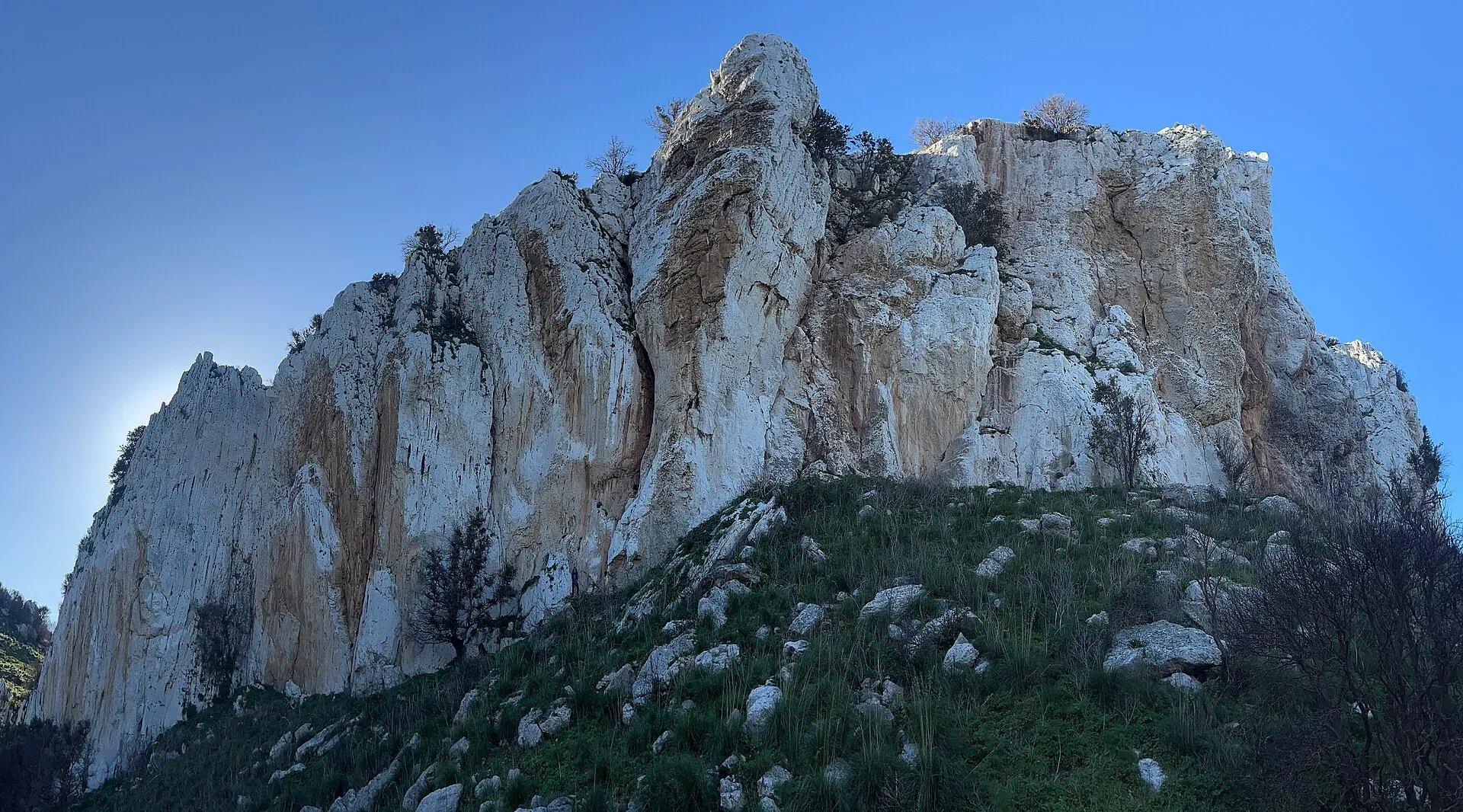
Climbing in the Madonie: the Passo Scuro crag at Castelbuono, the CAI routes at Petralia Sottana, Collesano and Caltavuturo, courses, rules and safety.
Things to do
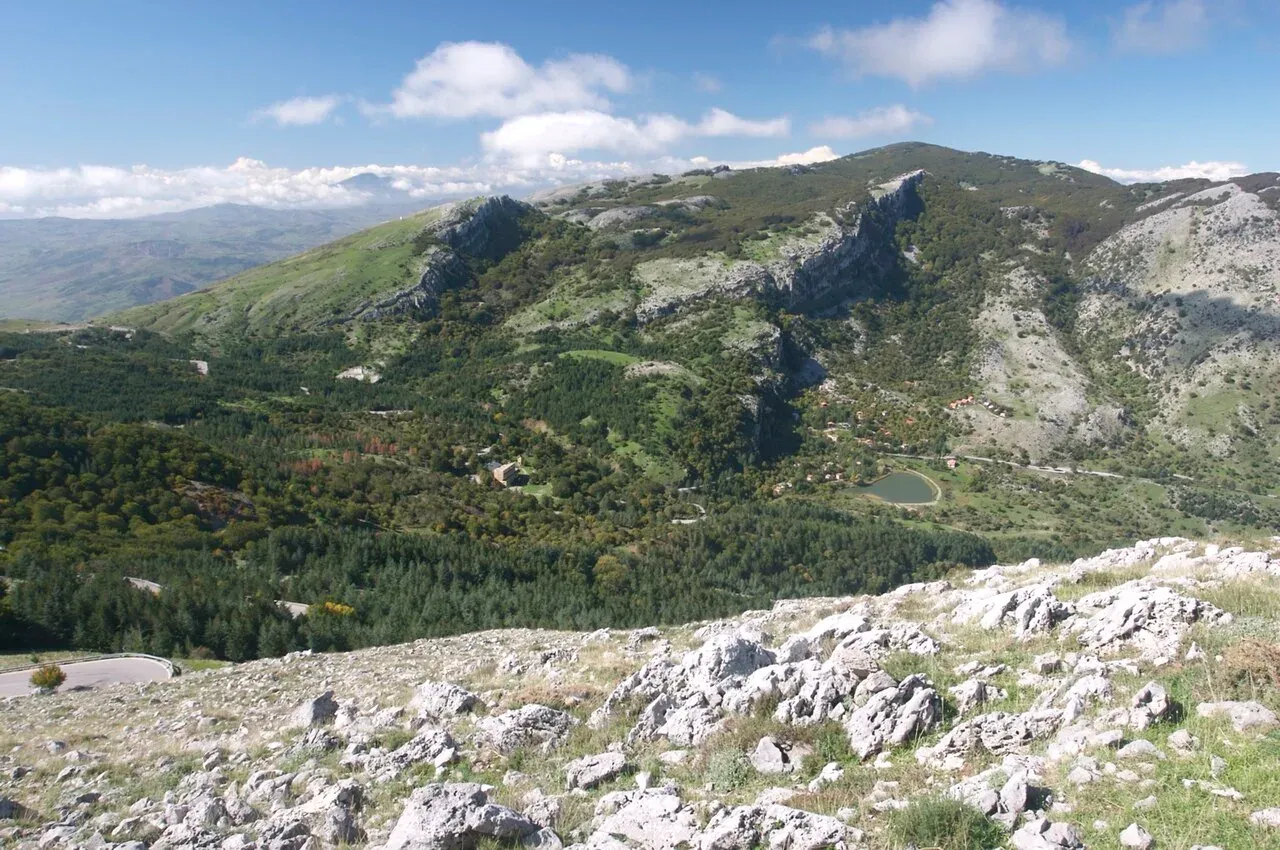
Hiking in the Madonie Park: where to walk, the right season, the CAI difficulty scale, the Sentiero Italia, hiking guides, the CAI and the Park rules.
Travel info