Food of the Madonie
Madonie beans and ancient grains: the badda bean
Polizzi Generosa's badda bean, a Slow Food Presidium, Isnello's broad beans and the ancient grains of the Madonie: what they are, harvest times, where to buy.
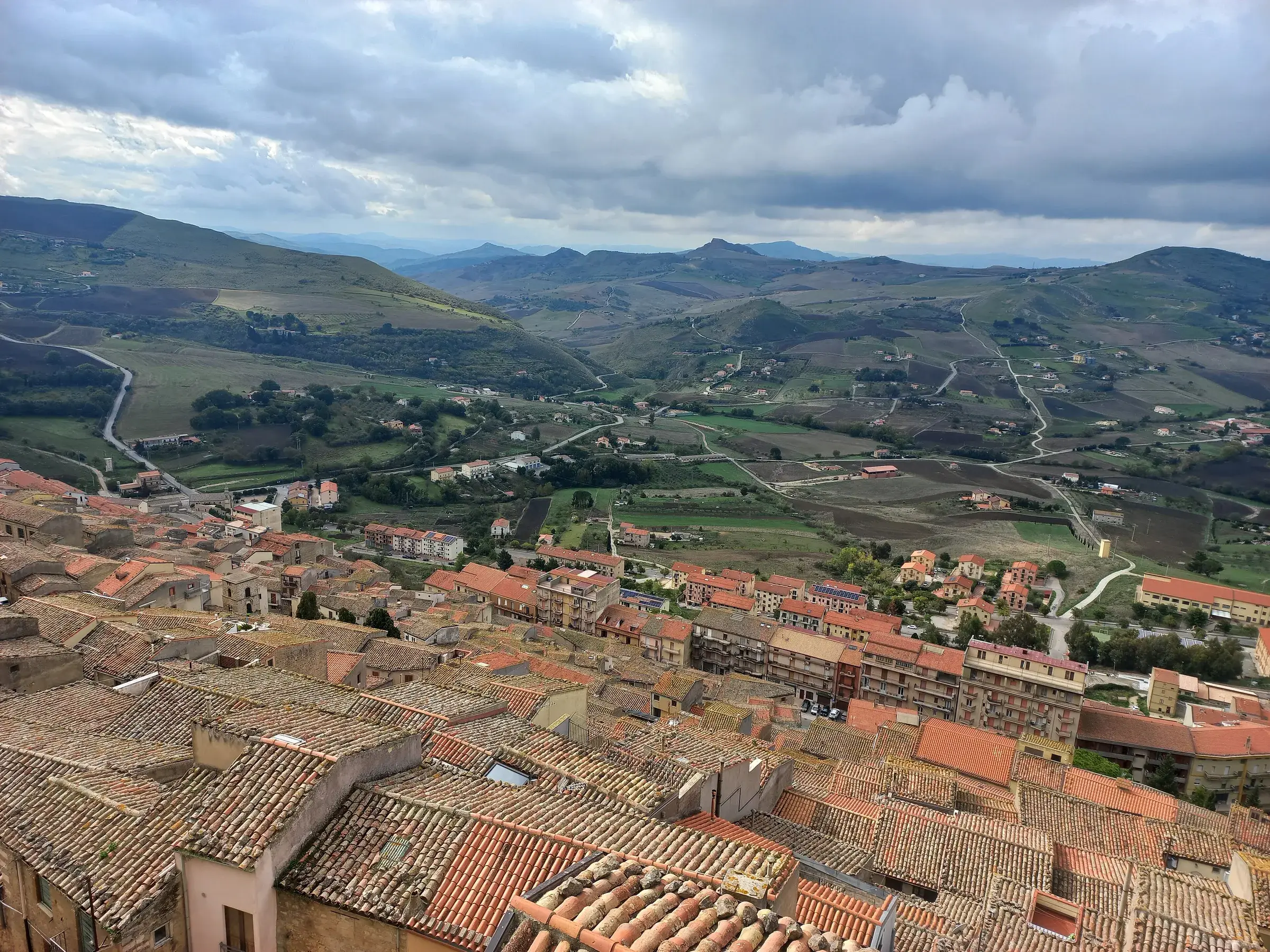
The signature legume of the Madonie is the badda bean of Polizzi Generosa: small, round and two-coloured, grown for about two centuries in the town’s vegetable gardens and protected by a Slow Food Presidium. Next to it come broad beans, which Isnello cooks in the square every 29 June, and wheat, which Gangi and Petralia Soprana celebrate every August. Here you will find what they are, when they are harvested and where to buy them.
At a glance
- Badda bean: Polizzi Generosa, harvested August to November, dried all year. Slow Food Presidium and traditional product of the Sicilian Region.
- Broad beans: a dish of broad beans, potatoes and onions at the Sagra delle Fave in Isnello, on 29 June.
- Wheat: Sagra della Spiga in Gangi and Sagra del Grano in Pianello, both in the first half of August.
- Bread: the naturally leavened bread of Castellana Sicula, made with twice-milled durum wheat semolina, is a recognised traditional product.
The badda bean of Polizzi Generosa
What it looks like and why it has that name
Badda means ball in dialect. The bean is small to medium, roundish and speckled, and almost unknown outside the Madonie. The Slow Food Foundation describes two local ecotypes, which people in Polizzi tell apart by the main colour:
| Local name | Colour |
|---|---|
| Badda bianca | ivory with pink and orange spots |
| Badda niura or munachedda | ivory with dark purple, almost black spots |
For centuries farmers saved their own seed, in small family gardens. That is how the two ecotypes adapted to the area.
How it is grown
Polizzi grows the bean at two altitudes, and the calendar changes:
- in the mountains, the upper part of the territory, almost all inside the Madonie Park, sowing starts in the first week of June; by tradition on the feast of Saint Anthony of Padua, 13 June;
- at the marina, at lower altitudes, sowing comes after mid-July, when the heat starts to ease.
The plants climb on four canes tied into a small hut, u pagliaru. The regional sheet adds that the field is watered every 4-6 days and that the supports go in about 30 days after sowing.
When it is harvested
| Product | Period |
|---|---|
| Green pods | from about 60 days after sowing, until November at higher altitudes |
| Dried beans | October-November, before the pods open |
| Dried beans on sale | all year |
What it tastes like and how it is cooked
Slow Food describes it as savoury, with herbal and even briny notes, slightly astringent, with a finish of chestnut and almond. When cooked it turns creamy without falling apart.
The regional technical sheet says it is eaten fresh or dried “to prepare typical soups”, during the winter and spring months. We have not found a traditional recipe documented by a reliable source, so we do not offer one: ask the growers, who have been cooking it for generations.
Protection and where to buy it
The badda bean has two kinds of recognition:
- the Slow Food Presidium, set up to make it better known and to expand its cultivation together with the municipality of Polizzi, respecting traditional techniques;
- a place on the list of traditional food products of Sicily, as “Fagiolo di Polizzi” (“Fasola a Badda”).
The Presidium page lists the growers with address and phone number: a farm stay and a few farms in Polizzi Generosa, plus a grower from Castellana Sicula who is the contact person. It is the surest way to get the real bean.
Polizzi Generosa stands at 920 metres, on the western side of the Madonie. To plan your visit, start from the page on Polizzi Generosa and from where to eat in Polizzi Generosa. The town’s territory also has the Abies nebrodensis trail and the Monte Quacella trail.
The broad beans of Isnello
In Isnello broad beans have a fixed date: 29 June, the feast of Saints Peter and Paul. That day the village prepares a simple dish of broad beans, potatoes and onions, dressed with extra virgin olive oil, vinegar and salt, and serves it at several points in the lanes (Cefalunews, 2026).
The festival has been going for almost half a century: in 2026 it reached its 47th edition. It combines the religious side of the saints’ feast with the popular one, with music and folklore.
Broad beans are also the base of màccu di favi, the dried broad bean purée that the PAT list recognises as a traditional product of all Sicily. For the other dishes of the village, see the page on Isnello.
The ancient grains of the Madonie
Which varieties
In the inland Madonie, around Gangi and Petralia Soprana, wheat still has its festivals. In recent years farmers and small pasta makers have been recovering almost forgotten local varieties. A 2015 article in Il Fatto Quotidiano, on a meeting of Madonie producers, mentioned Tumminia, Perciasacchi, Russello and Nero delle Madonie, together with stone mills restored after years of neglect.
There is no protected label for Madonie grains. The Sicilian PAT list recognises “durum wheat” in general as a traditional product of the island.
The naturally leavened bread of Castellana Sicula
The baked product most closely tied to local wheat is the bread of Castellana Sicula, recognised as a traditional product. The regional sheet describes a bread of twice-milled durum wheat semolina, kneaded for about 45 minutes with sourdough starter (cruscenti), water and salt, left to rise for about 4 hours in cloths and baked for about an hour in a wood oven. It keeps for about 4 days.
It is the same bread Slow Food recommends with provola delle Madonie: we cover it in the guide to Madonie cheeses.
Wheat festivals in August
August is the month of threshed wheat, and two festivals tell its story. These are their usual features:
| Festival | Town | Period | What happens |
|---|---|---|---|
| Sagra della Spiga e Corteo di Demetra | Gangi | first half of August, nine days | the bread procession, the play “U Pisatu”, the costumed Corteo di Demetra on the last day |
| Sagra del Grano | Pianello, a hamlet of Petralia Soprana | first weekend of August | threshing with mules (“a pisata”), sharing out the harvest (“a spartenza”), bread and fresh pasta |
The Sagra della Spiga is organised by the Pro Loco of Gangi and in 2026 reached its 61st edition. The Pianello festival is run by the hamlet’s cultural club with the municipality. To sleep nearby, see where to stay in Gangi and where to stay in Petralia Soprana.
And the hazelnuts of Polizzi?
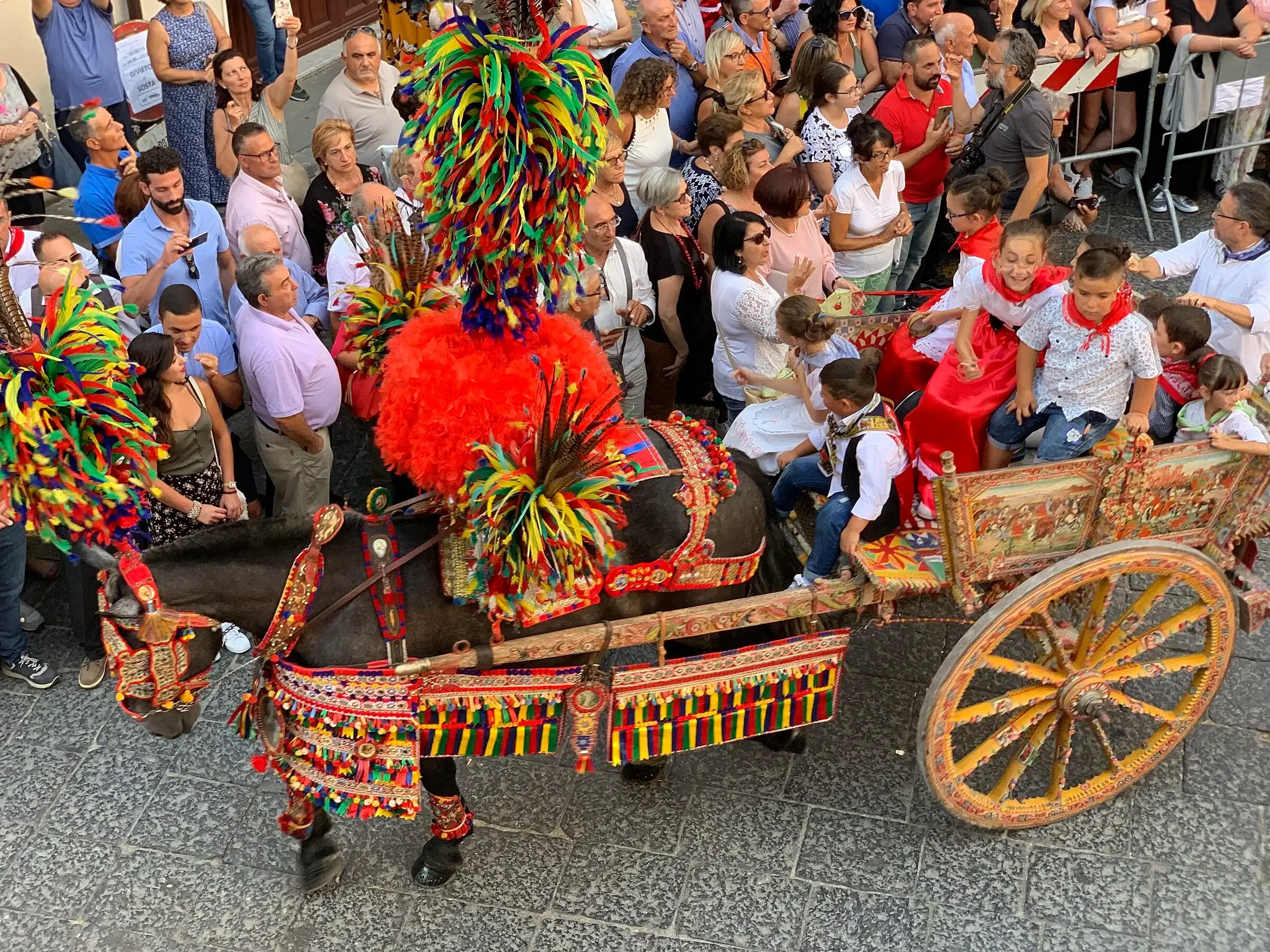
They are not legumes, but in Polizzi Generosa nuts have their own festival. The Sagra delle Nocciole is usually held on the third Sunday of August, with a parade of Sicilian carts and folk groups handing out hazelnuts. In 2026 it reached its 69th edition.
Where to taste beans and grains
- In Polizzi Generosa: badda beans from the Presidium growers and in the town’s restaurants.
- In Isnello: broad beans on 29 June, during the festival.
- In Gangi and Pianello: bread and fresh pasta during the August wheat festivals.
- All year: in the village food shops, which you can find by filtering by type in the list of places to eat in the Madonie.
The dishes to look for, town by town, are in what to eat in the Madonie. Documented traditional recipes, from vastedda fritta to sfoglio, are in the guide to traditional Madonie recipes.
Frequently asked questions
- What is the badda bean of Polizzi?
- It is a two-coloured, small to medium, roundish bean grown for about two centuries in the vegetable gardens of Polizzi Generosa. Badda means ball in dialect. There are two ecotypes: badda bianca, ivory with pink and orange spots, and badda nera, also called munachedda, with dark purple spots. It is a Slow Food Presidium.
- When is the badda bean harvested?
- Green pods are picked about 60 days after sowing, from August and, at the highest altitudes, until November. Beans for drying are harvested in October and November, before the pods open. Dried beans are available all year, according to the Slow Food Foundation.
- What does the badda bean taste like?
- Slow Food describes it as savoury, with herbal and even briny notes, slightly astringent, with hints of chestnut and almond at the end. When cooked it turns creamy without falling apart, which is why it suits soups, as the regional sheet for traditional products also notes.
- Where can I buy badda beans?
- From the growers of the Slow Food Presidium, almost all in Polizzi Generosa, whom the Slow Food Foundation lists with their contacts on the Presidium page. One of them is a farm stay. In town, ask in food shops and restaurants, especially in autumn after the harvest.
- What are the ancient grains of the Madonie?
- They are local wheat varieties recovered by farmers and small mills, such as Tumminia, Perciasacchi, Russello and Nero delle Madonie. They are used for bread, pasta and stone-ground flour. The Madonie celebrate wheat every August with the Sagra della Spiga in Gangi and the Sagra del Grano in Pianello.
- What do you eat at the broad bean festival in Isnello?
- On 29 June, the feast of Saints Peter and Paul, Isnello prepares broad beans, potatoes and onions dressed with extra virgin olive oil, vinegar and salt, and serves them at several points around the village. The festival began in the late 1970s: in 2026 it reached its 47th edition.
Sources
- Fondazione Slow Food, Presidio Fagiolo badda di Polizzi Generosa
- Scheda tecnica PAT Fagiolo di Polizzi "Fasola a Badda" (Regione Siciliana), riportata da Sicilia in Rete
- MASAF, elenco nazionale dei prodotti agroalimentari tradizionali (XXV revisione, 2025)
- Scheda tecnica PAT Pane a lievitazione naturale di Castellana Sicula (Regione Siciliana), riportata da Sicilia in Rete
- Cefalunews, Sagra delle Fave di Isnello, 47ª edizione (23 giugno 2026)
- MadoniePress, Sagra della Spiga di Gangi 2026 (17 luglio 2026)
- MadoniePress, Sagra del Grano di Pianello 2026 (27 luglio 2026)
- Il Fatto Quotidiano, Sicilia, una pillola di speranza (8 agosto 2015)
Updated on 19 October 2026
Villages
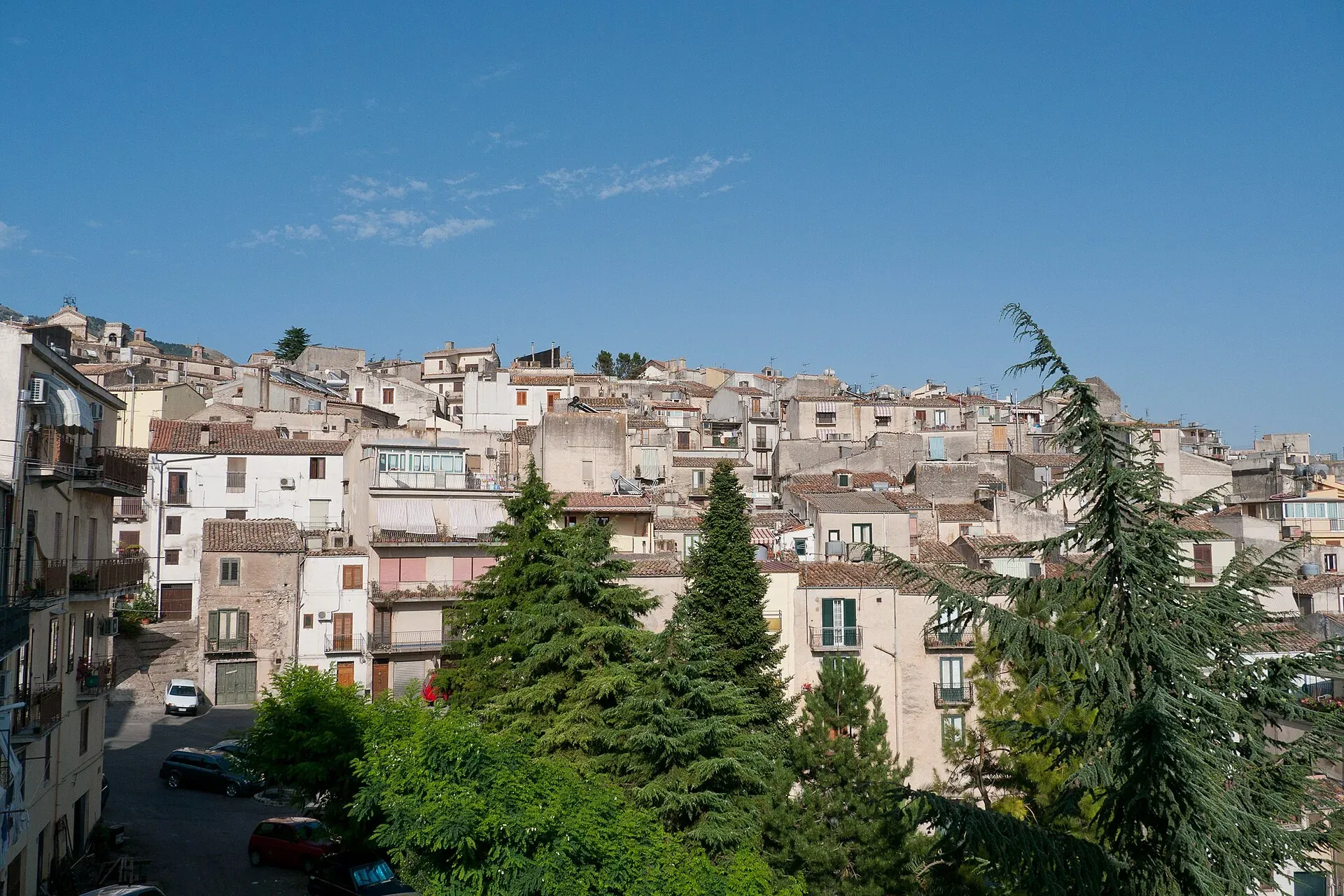
920 m a.s.l.
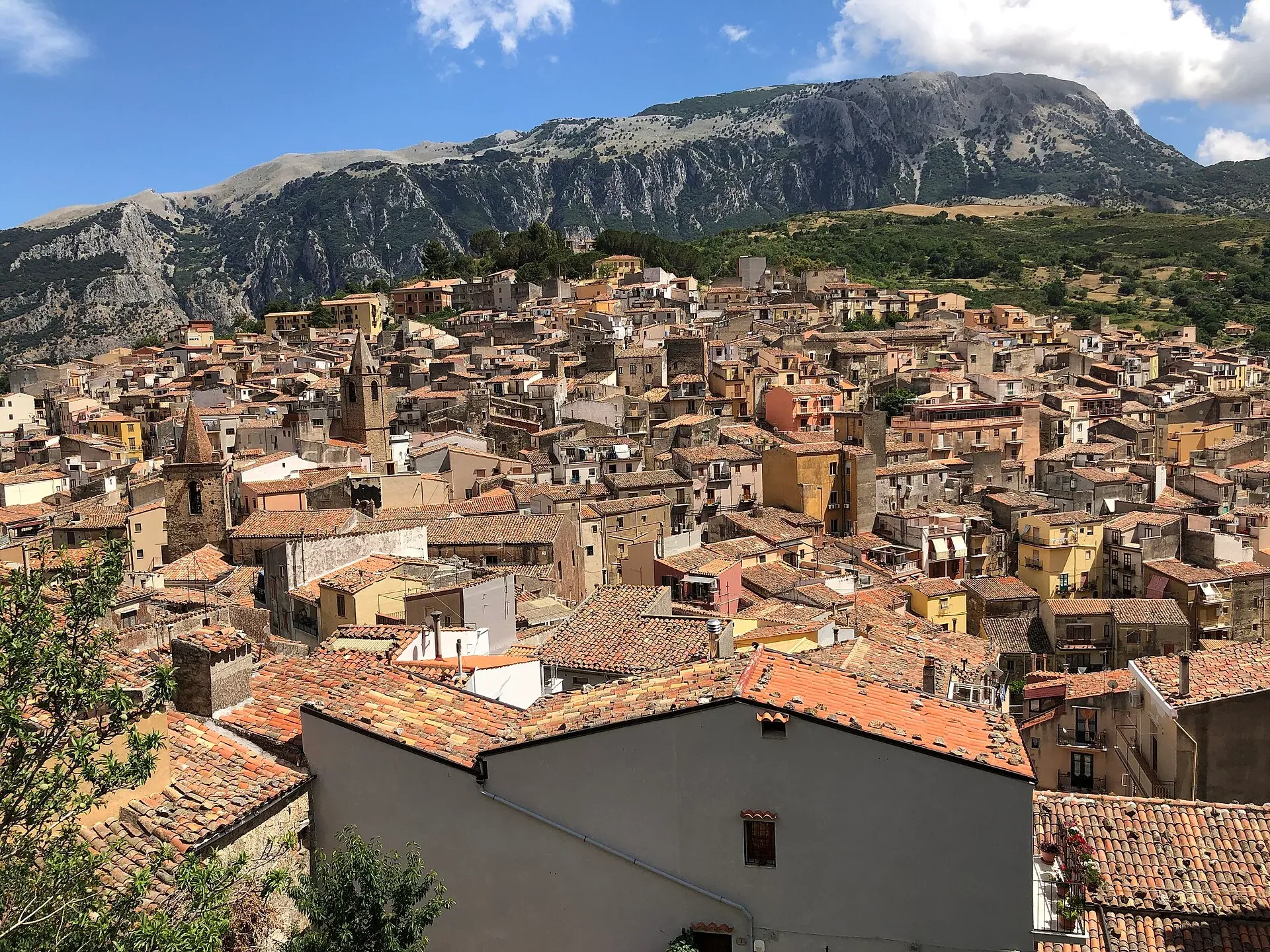
Polizzi Generosa
The town of the Abies nebrodensis, sfoglio and badda beans
583 m a.s.l.
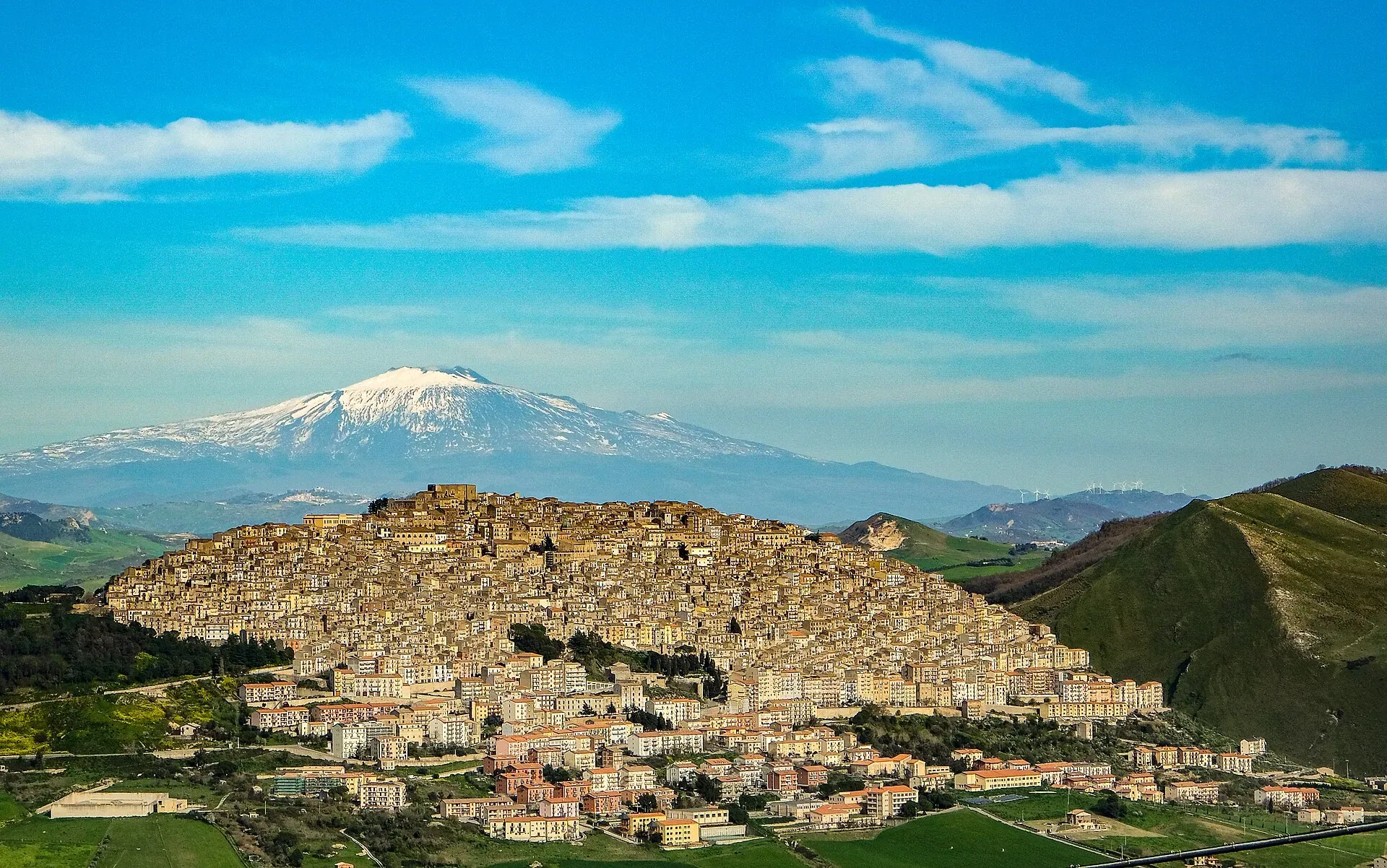
Isnello
The town of the stars, beneath the Madonie cliffs
1,011 m a.s.l.
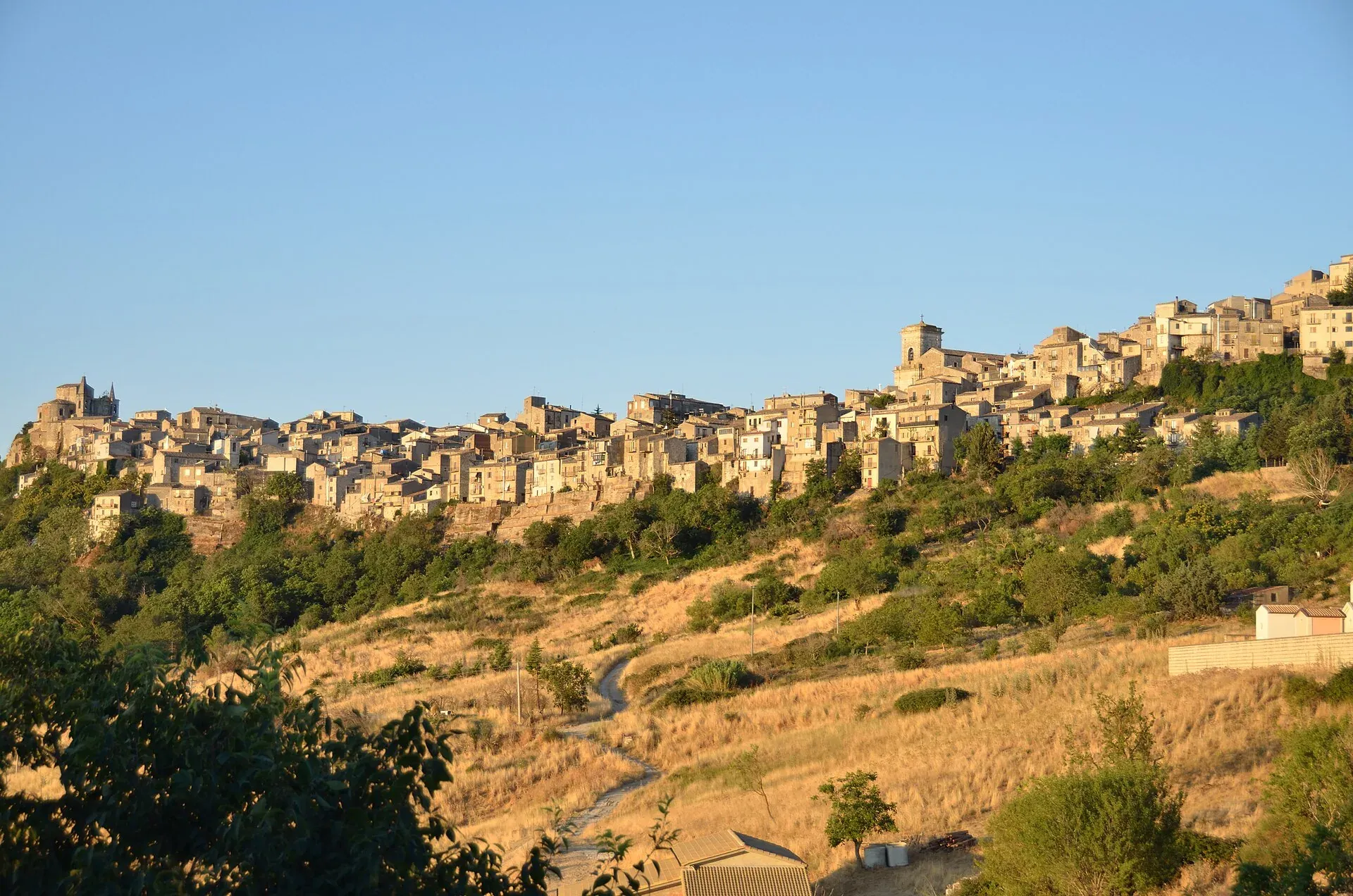
Gangi
Borgo dei Borghi 2014, all stone on Monte Marone
1,147 m a.s.l.
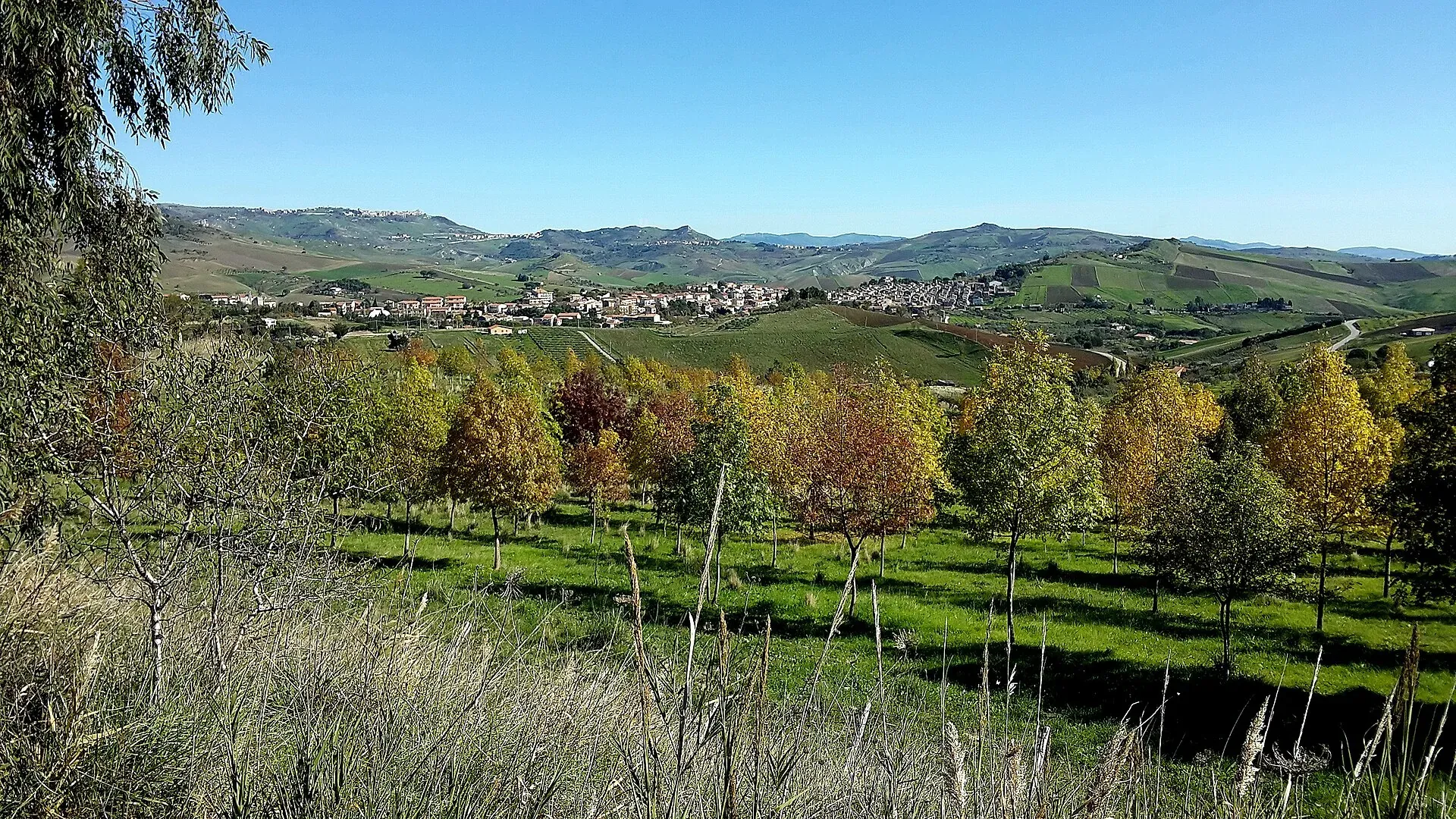
Petralia Soprana
The highest town in the Madonie, Borgo dei Borghi 2018
774 m a.s.l.
Castellana Sicula
The village of hamlets and murals
Events
See also
Food
Madonie recipes: sfoglio of Polizzi, vastedda and more
Documented Madonie recipes step by step: Castelbuono's testa di turco, Polizzi's sfoglio, Gratteri's vastedda fritta and taralle, bread and broad beans.
Food
Madonie food festival calendar, season by season
Madonie food festival (sagre) calendar by season: usual periods, villages and what you eat, from Scillato oranges to Polizzi hazelnuts and mushrooms.
Food
Madonie cheeses: provola, caciocavallo and ricotta
Madonie cheeses one by one: Slow Food provola, caciocavallo, Gratteri's canestrato, ricotta and tuma, with farms to visit, cheese festivals and pairings.