Nature
Nature and landscapes
Madonie woods: beech forests up to 1,900 m, holm oaks, cork oaks, giant hollies and trees 800 years old. Where they are, how to tell them apart and when to go.
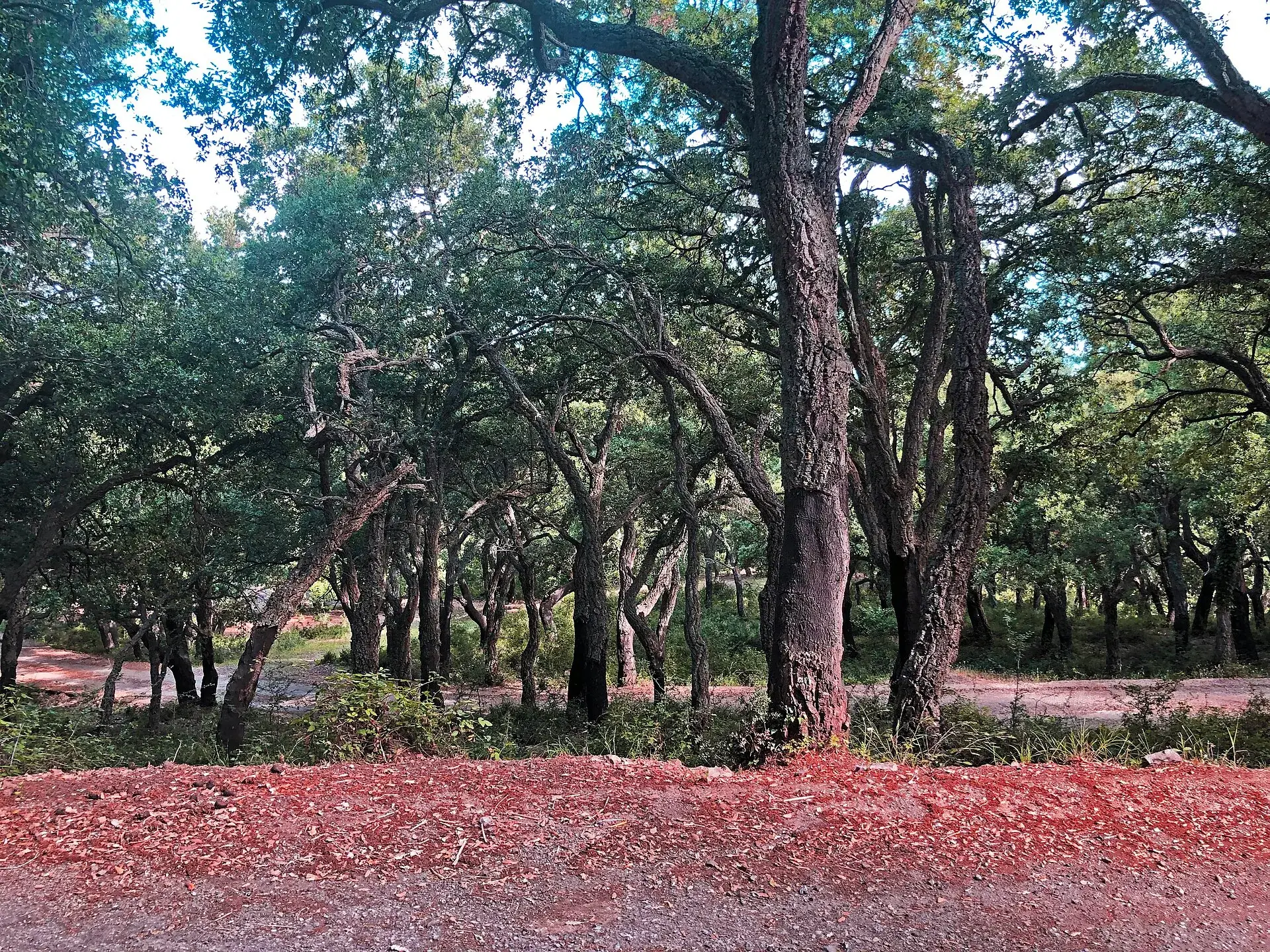
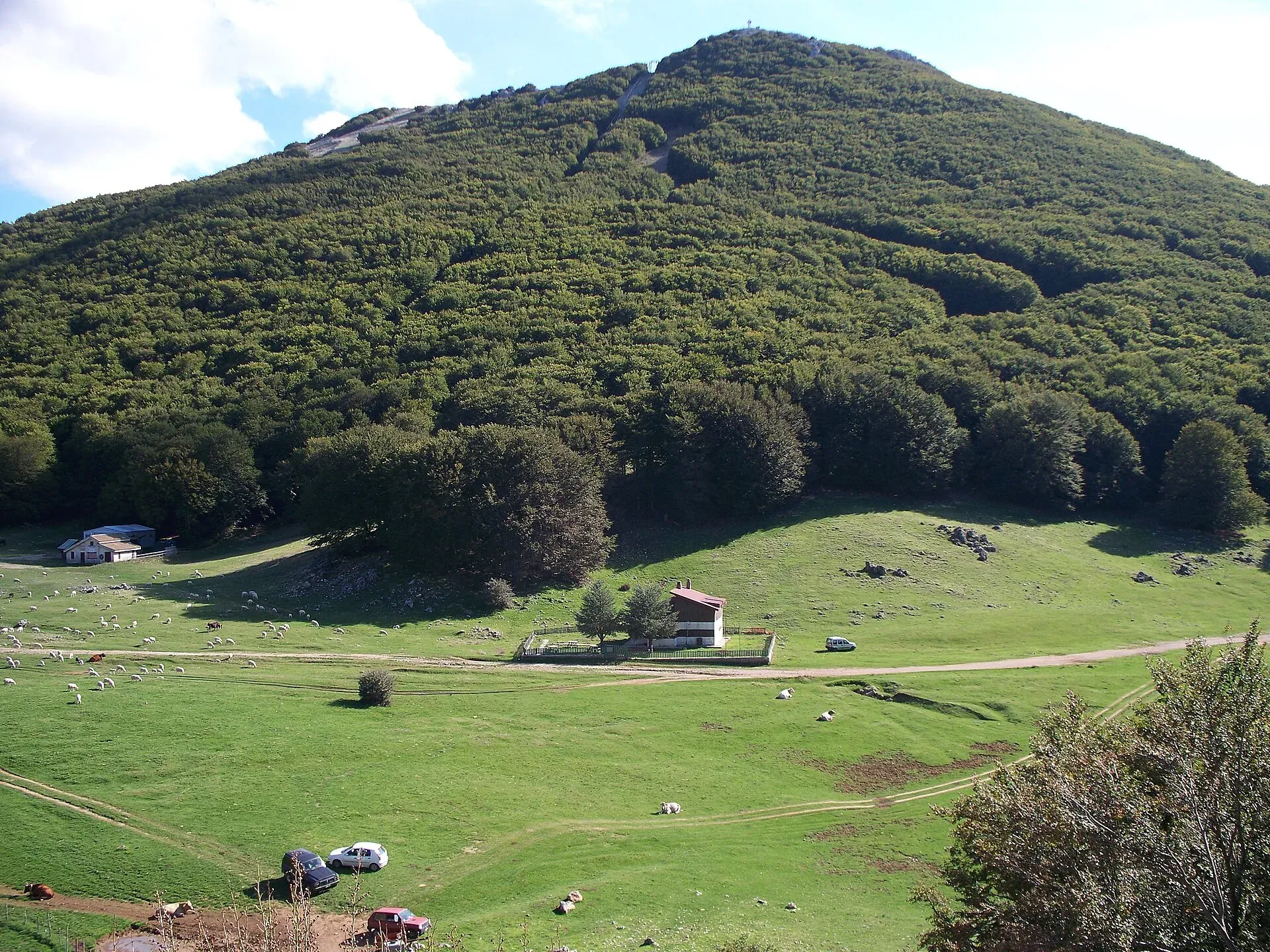
The woods of the Madonie cover about 9,600 hectares of the Park, according to the vegetation map by Raimondo, Schicchi and Surano. Climbing from the sea you meet cork oaks between 100 and 800 metres, holm oaks up to 1,800 metres on Monte Quacella, sessile oak and holly woods between 1,100 and 1,500 metres and beech forests between 1,300 and 1,900 metres. Here the beech reaches the southern limit of its range in Europe.
It is this mosaic, more than any single forest, that makes the Madonie woods unique. Within a few kilometres you go from a cork oak wood looking out over the Tyrrhenian Sea to a high beech forest, and along the way you find trees 500 and 800 years old.
At a glance
The Park’s vegetation landscape map, published in the Naturalista siciliano journal in 2004, measures every forest type. It is still the most complete picture available. This table sums up altitudes and extent.
| Forest | Altitude | Extent | Where to see it |
|---|---|---|---|
| Cork oak | 100-800 m | about 1,850 ha | Bosco Sugheri (Geraci Siculo), hills of Cefalù, Collesano, Gratteri |
| Deciduous oaks | hills and middle mountains | about 1,650 ha | Districts of Cefalù, Gratteri, Montaspro (Isnello) |
| Chestnut | 400-1,300 m | scattered stands | Castelbuono, Geraci Siculo, Petralia Sottana, Polizzi Generosa |
| Holm oak | 400-1,800 m | about 3,000 ha | Piano Zucchi, Castelbuono communal wood, Monte Quacella |
| Sessile oak and holly | 1,100-1,500 m | about 550 ha | Bosco dei Pomieri, Piano Pomo |
| Beech | 1,300-1,900 m | about 2,300 ha | Monte Mufara, Pizzo Antenna Grande, Monte dei Cervi, Monte San Salvatore |
The beech is a tree of central Europe. In the Madonie it reaches the end of the line: ISPRA writes that here it goes no lower and retreats to the coolest, least sunny spots, almost always between 1,500 and over 1,900 metres.
The largest stands cover the north-facing slopes of Monte Mufara, Pizzo Antenna Grande, Monte dei Cervi, Monte Daino and Monte San Salvatore. Large sycamores often grow under the beeches, and in spring anemones, squills and corydalis flower in the undergrowth.
The beech forests are patchy. The 2004 map explains this with the extreme conditions at the southern limit and with centuries of logging and grazing. On Carbonara the beech colonises the bottom of the dolines. This is where the Faggeta Madonie nature reserve used to be, later absorbed into the Park.
This is the rarest forest in the Madonie. It grows on the sandstones of the Numidian Flysch, between 1,100 and 1,500 metres, on about 550 hectares, between the holm oak woods below and the beech forests above. Botanists consider it a relic of a humid, temperate type of forest.
The canopy is sessile oak, with maples, service trees and wych elm. Below is a thick holly understorey. In the coolest valleys mist lingers almost all year and creates a damp microclimate.
The best examples are in the Bosco dei Pomieri, near Petralia Sottana, where some oaks have trunks up to 8 metres round and are 600 to 700 years old. At Piano Pomo holly forms a pure wood: the unique case described below.
In the Madonie the holm oak does best between 400 and 1,200 metres, but it climbs much higher. On the southern slope of Monte Quacella it reaches about 1,800 metres, the highest altitude in Italy according to the 2004 map, and there it meets the beech directly.
In the Vallone Madonna degli Angeli the two trees face each other: the beech on the shady side, the holm oak on the sunny one. In autumn one turns yellow, the other stays green.
At Piano Zucchi, above Isnello, the very name recalls an ancient holm oak forest: zuccu in Sicilian means stump. Trees with trunks between 4 and 7.5 metres round still survive.
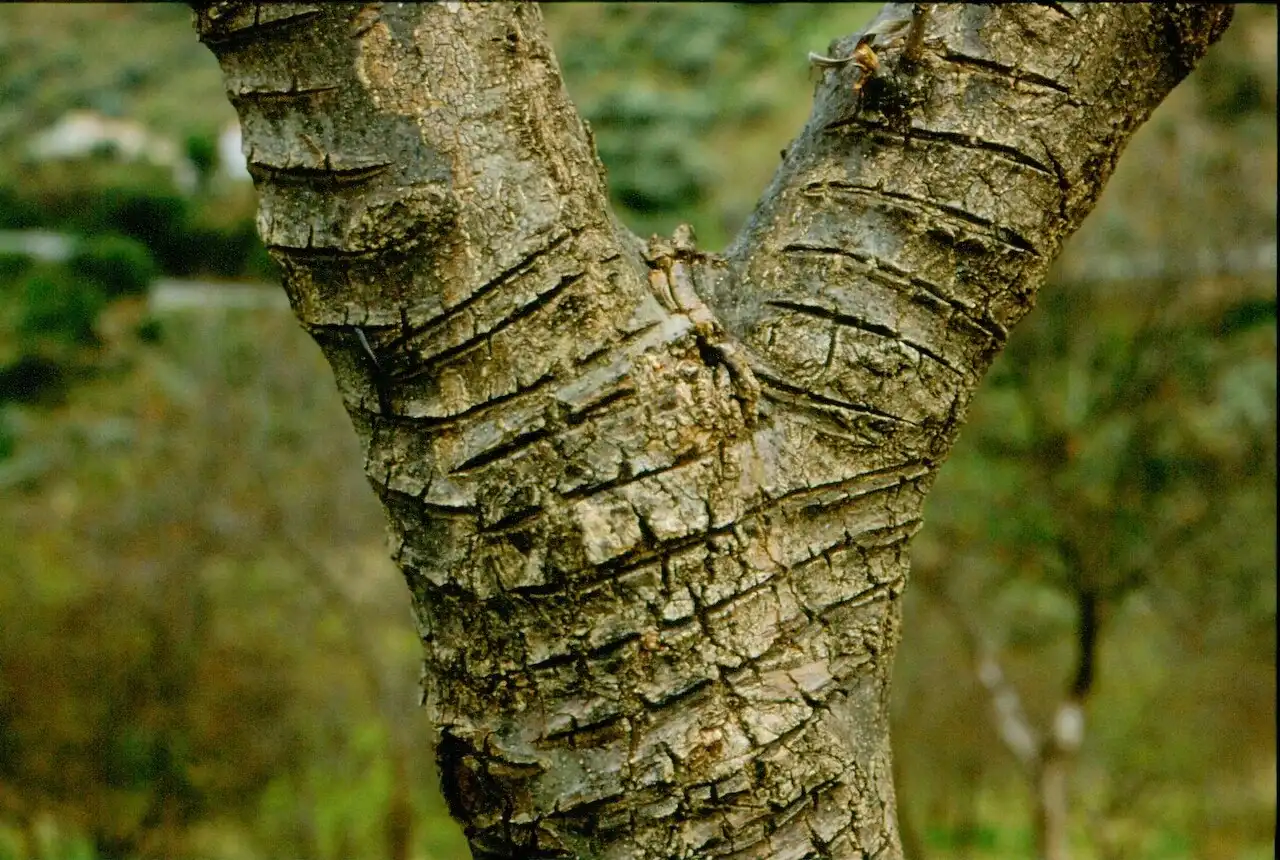
The cork oak grows between 100 and 800 metres, on sands and sandstones, around Cefalù, Pollina, Lascari, Collesano, Gratteri, Castelbuono and Geraci Siculo. In the best-preserved areas, such as Bosco Sugheri near Geraci, there are about 860 trees per hectare, and the cork is stripped every 9 to 12 years.
People favoured the chestnut in place of oaks, between 400 and 1,300 metres. Today many chestnut woods are struggling: the 2004 map reports wildfires and chestnut blight, which in some places affects over 80% of the trees. At Collesano the chestnut path leads to the Case Rascata among cork oaks, oaks and chestnuts.
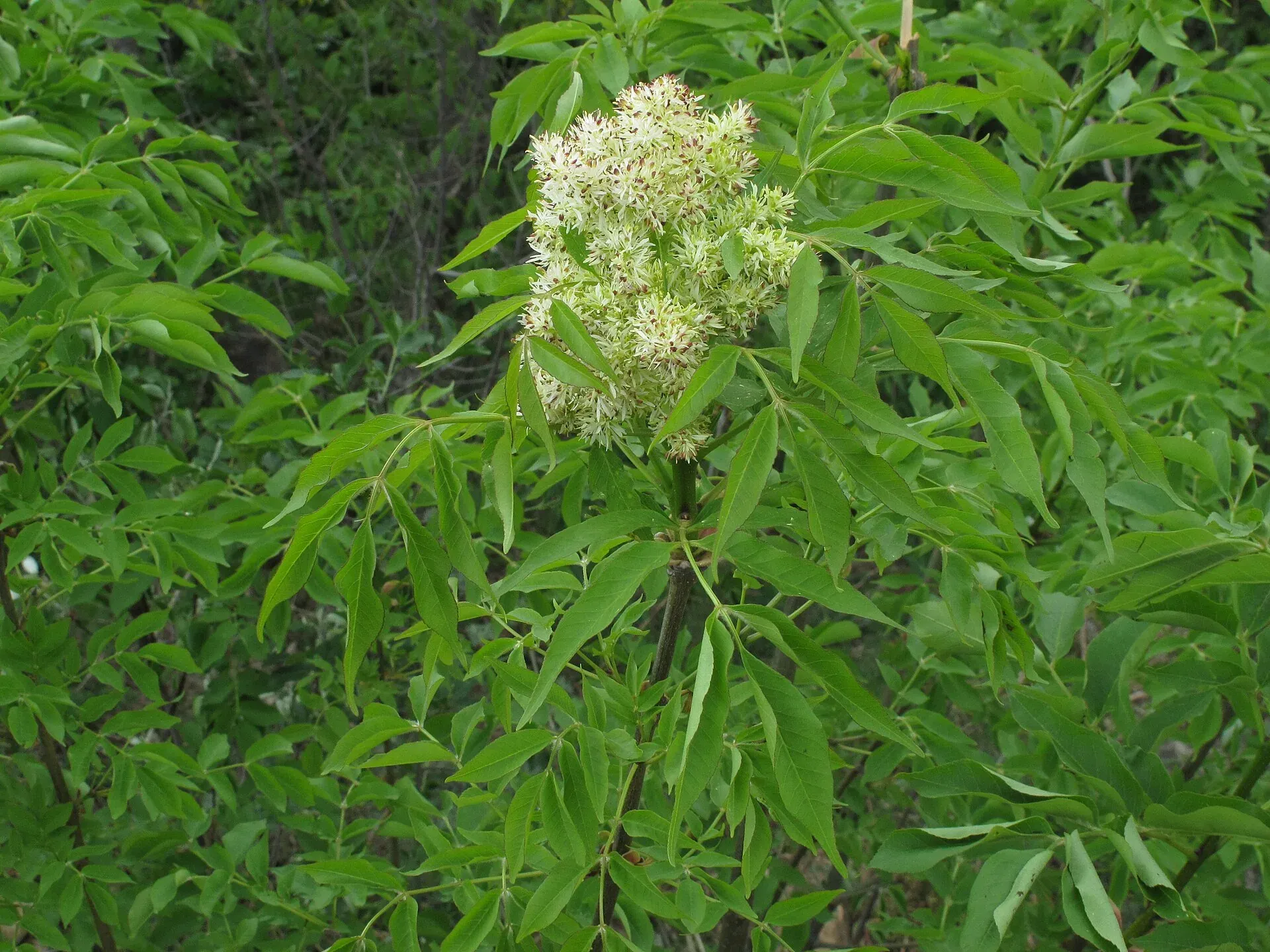
Below Castelbuono and Pollina there are ash groves cultivated for manna, harvested in late July and August. Our article on Castelbuono manna tells the story.
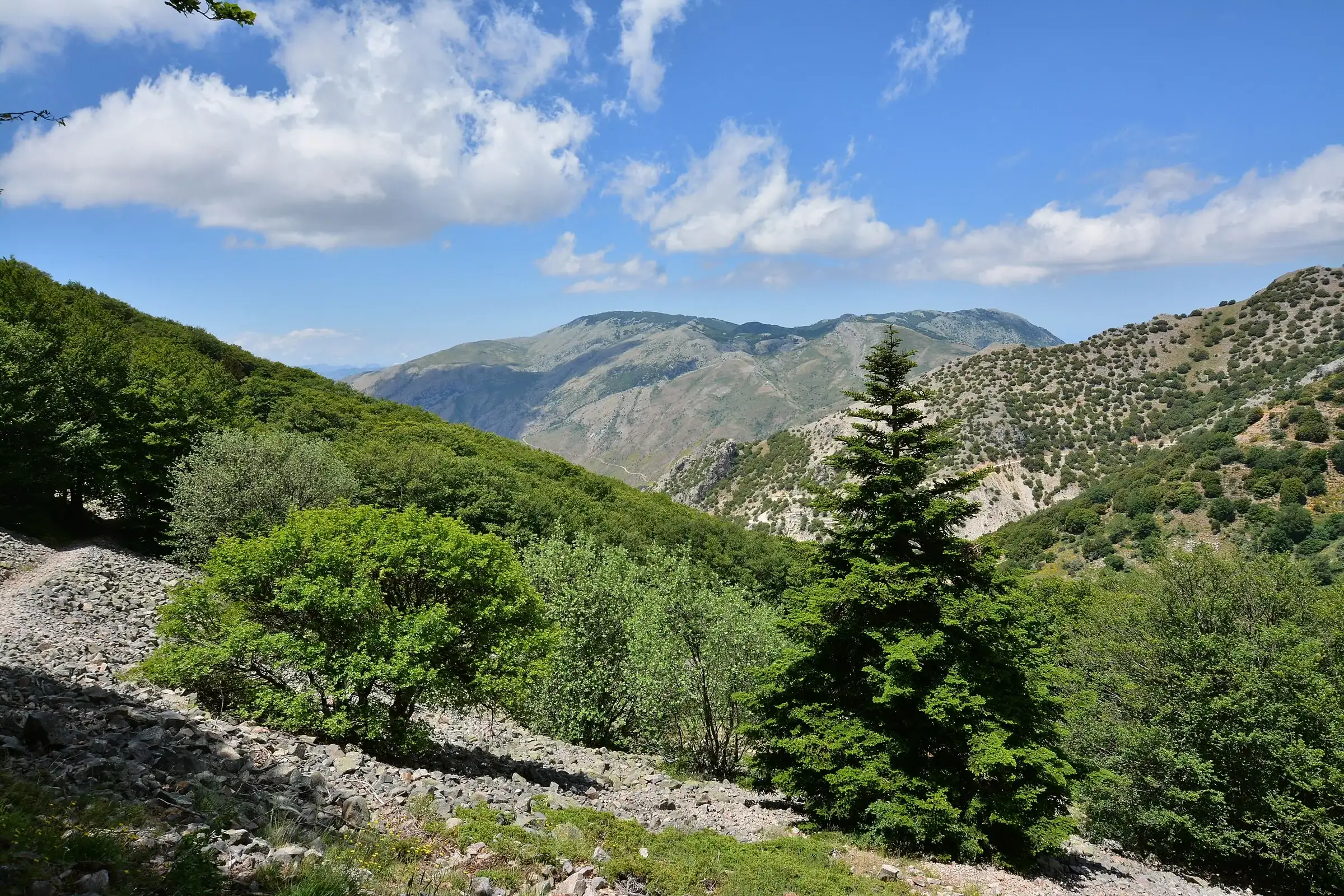
High up, in the Vallone Madonna degli Angeli, lives the Sicilian fir, with about 30 adult trees: the IUCN lists it among the most threatened plants of the Mediterranean. It has its own guide: Abies nebrodensis.
The Park Authority has catalogued the largest and oldest trees in the area. This table uses the data in its publication “Monumenti della natura”.
| Tree | Place | Altitude | Estimated age | Size |
|---|---|---|---|---|
| Holm oak | Piano Zucchi, Isnello | 950 m | about 800 years | trunk about 7 m round |
| Downy oak | Macchia dell’Inferno, Castelbuono | 1,320 m | about 800 years | trunk about 10 m round |
| Sessile oak | Pomieri, Petralia Sottana | 1,300 m | about 600 years | 22 m tall, trunk about 7 m |
| Field maple | Pomieri, Petralia Sottana | 1,320 m | about 500 years | 15 m tall |
| Cork oak | Bosco Sugheri, Geraci Siculo | n/a | about 500 years | 16 m tall |
| Sycamore | Passo Canale, Petralia Sottana | 1,300 m | about 400 years | trunk about 6 m |
| Almond-leaved pear | Pianetti, Gratteri | 760 m | about 400 years | about 10 m tall |
| Beech | Piano Pomo, Castelbuono | 1,400 m | 350-400 years | 26 m tall |
| Hollies | Piano Pomo | 1,400 m | up to 350 years | 317 trees, up to 15 m |
| Chestnut | Taccarelle, Petralia Sottana | 1,150 m | n/a | about 24 m tall, trunk almost 6.5 m |
| Ash | Puntaloro, Petralia Sottana | 850 m | n/a | 24 m tall, trunk 8 m |
| Montpellier maple | Piano Zucchi, Isnello | 1,050 m | n/a | crown about 23 m wide |
Since 2025 the Park Authority has been part of the GEMMA project, funded by Italy’s recovery plan, which uses aerospace technology to monitor monumental trees.
At Piano Pomo, at about 1,400 metres, five clusters of holly add up to 317 trees on about one hectare. Elsewhere holly is a shrub under the beeches; here it forms a pure wood, with trunks that grow fused together. The Park Authority writes that a similar stand is found only in some parts of Ireland.
You reach it from Piano Sempria along the nature trail, after about 1.3 km. The Cefalù Madonie tourist district reminds visitors that you may not go inside the grove: in 2010 the regional forestry agency banned access because of the trees’ poor health. Next to it stands the monumental beech of Piano Pomo, 26 metres tall.
At Pomieri, near Petralia Sottana, trail 556 is less than a kilometre long and passes three monumental trees: the 600-year-old sessile oak, the 500-year-old field maple and the 400-year-old sycamore of Passo Canale. It starts near the entrance of the Hotel Pomieri, at about 1,300 metres.
Four areas cover almost every forest type. Distances and trail details are on the linked pages.
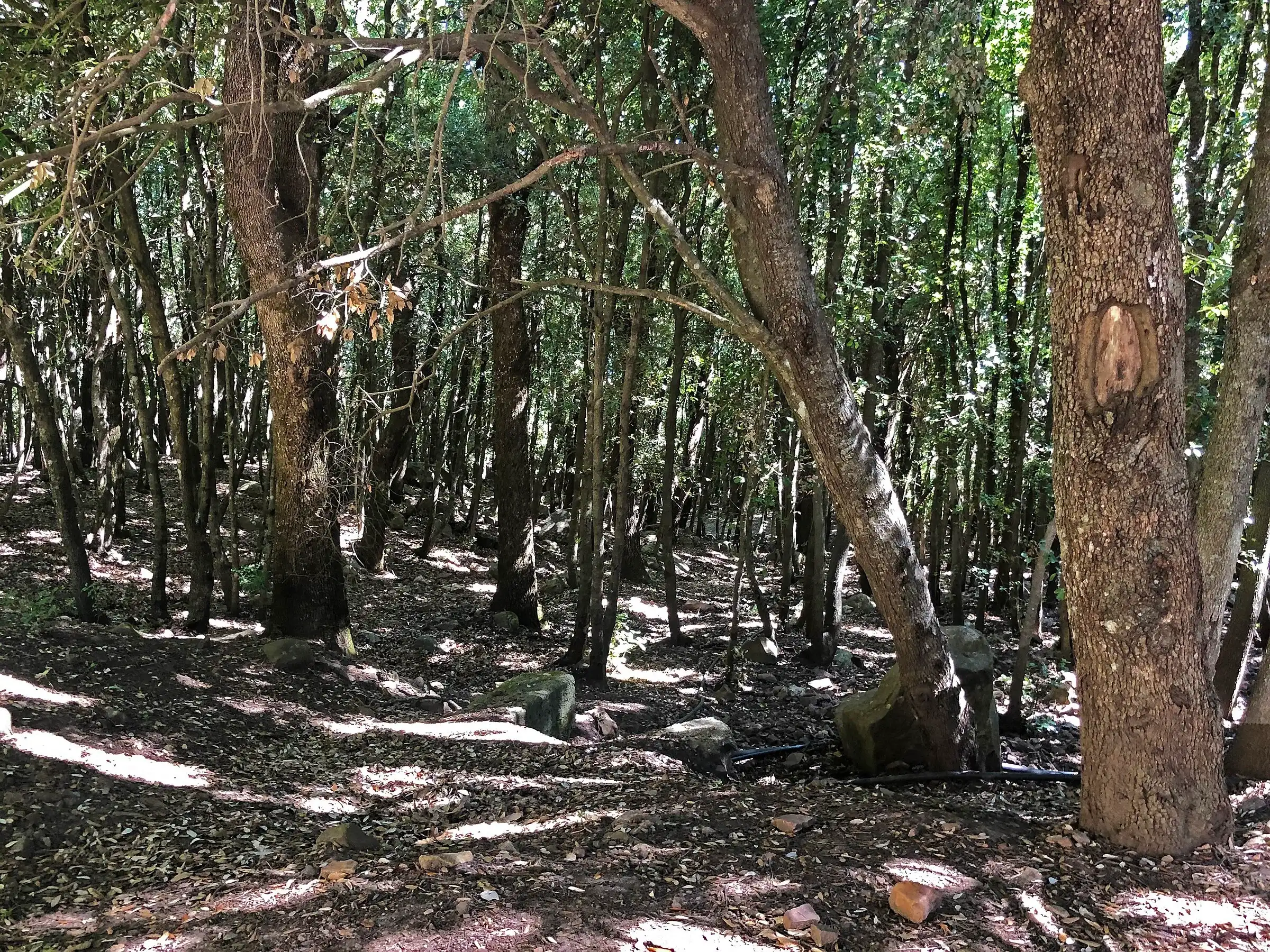
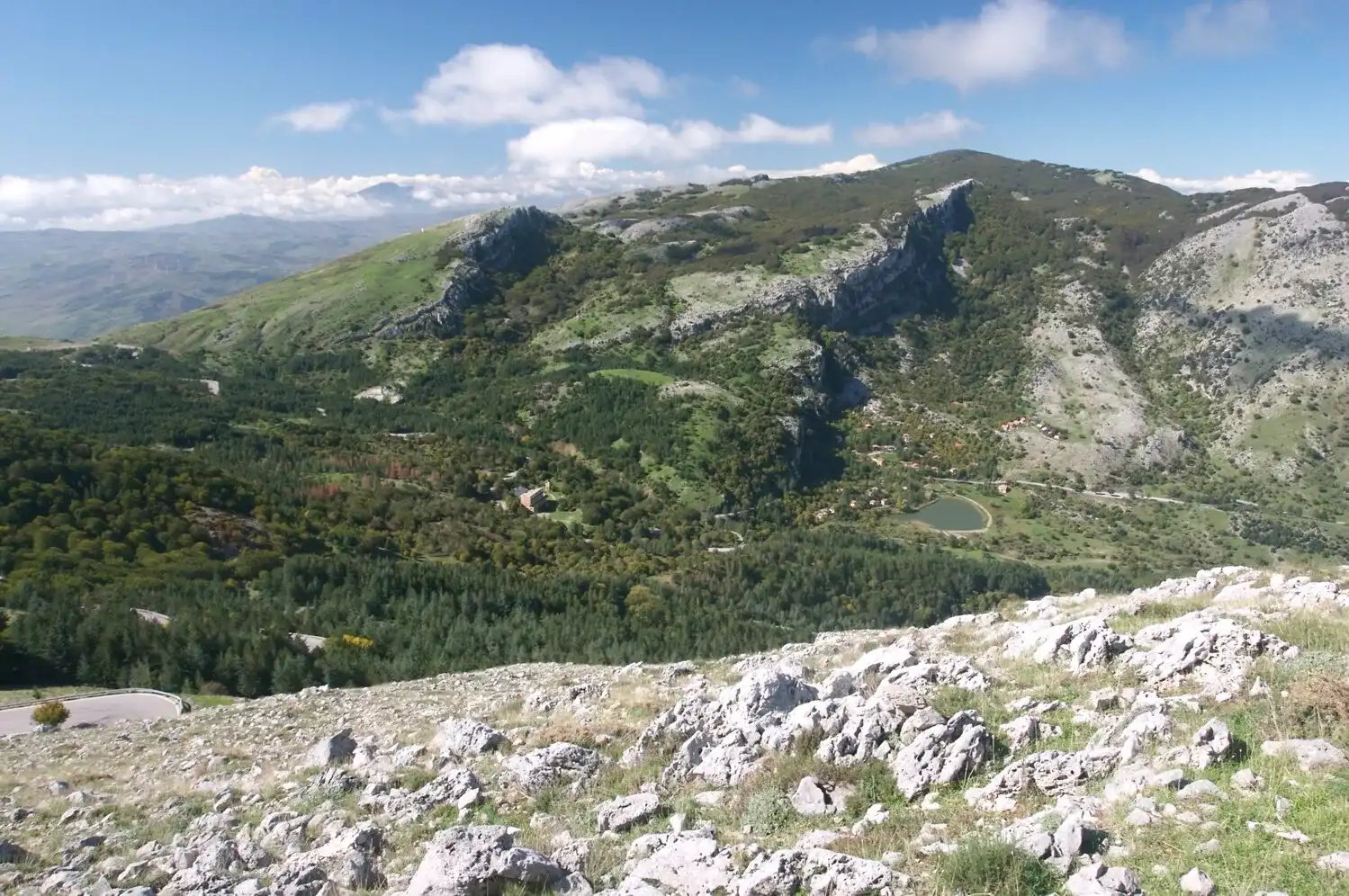
Piano Battaglia. The beech wood begins at the car park, at about 1,600 metres. The Pizzo Carbonara trail climbs through the beech forest of the former reserve and then comes out onto the plateau. Trail 552 instead goes down from the Battaglietta to Piano Sempria, through beech, holm oak, chestnut, Turkey oak and sessile oak.
Piano Sempria and Piano Pomo. Piano Sempria, at 1,310 metres according to the tourist district, is a clearing among oaks, maples and beeches with the Rifugio Crispi of the Club Alpino Siciliano. From here start the Castelbuono woods loop and the trail to the hollies of Piano Pomo.
Pomieri. The finest sessile oak and holly woods and the monumental trees trail, starting near the hotel of the same name.
Vallone Madonna degli Angeli. Beech and holm oak facing each other and the last firs of the Madonie, along the Abies nebrodensis trail.
For an easy stop there is the Santa Focà picnic area, above Castelbuono, with benches, tables, drinking water and toilets under large trees. Trails to Piano Sempria and Piano Pomo start there.
The Park Authority recommends spring and autumn for hiking. In summer the high beech forests stay shady: at Piano Battaglia the average summer temperature is about 17 °C, according to Wikipedia.
From October to the first half of November come the autumn colours. Our article on autumn colours in the Madonie lists six places, the timing and how to get there. In 2026 the last weekend of October coincides with the Funghi Fest in Castelbuono.
In winter heavy snow falls above 900 to 1,000 metres. For snowshoeing and skiing see the snow section.
In the Park it is forbidden to pick, damage or take away plants and parts of them, to light fires, to camp and to cross burnt woodland. That includes leaves, branches and cones.
On 12 September 2026 the Park Authority added rules for monumental trees:
Before setting off check the weather at Piano Battaglia or at Piano Sempria. To sleep close to the woods, the most convenient bases are Castelbuono and Petralia Sottana.
Updated on 19 October 2026
 Hiking trail
Piano Sempria · Out and back
 Hiking trail
Piano Battaglia · Loop
 Hiking trail
Contrada Quacella, SP119 · Loop
 Hiking trail
Piano Noce, SP119 · Out and back
 Hiking trail
Piano Battaglia · Point to point
423 m a.s.l.
The town of the Ventimiglia castle, manna and testa di turco
1,039 m a.s.l.
Home of the Madonie Park, at the foot of Piano Battaglia
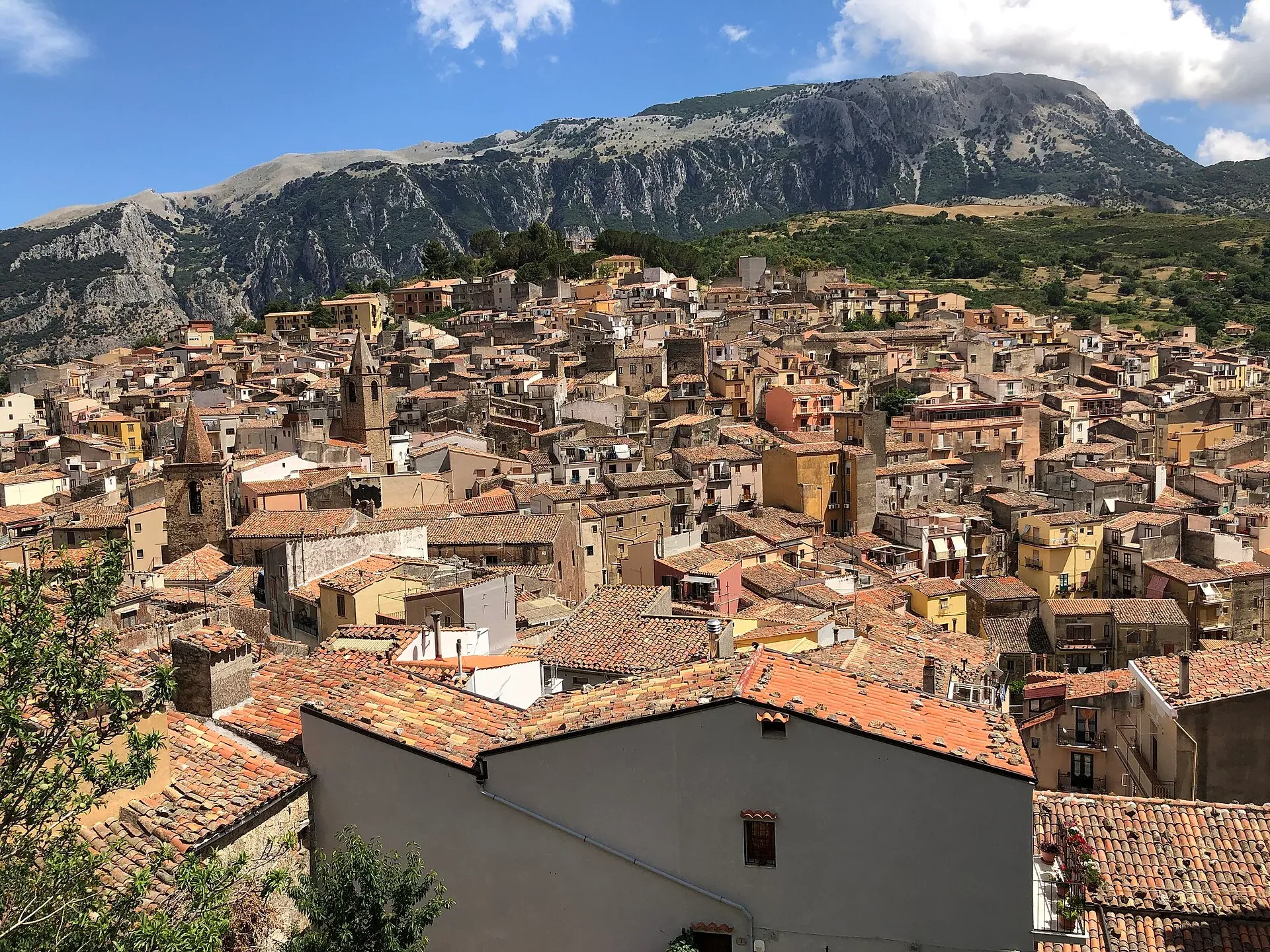
583 m a.s.l.
The town of the stars, beneath the Madonie cliffs
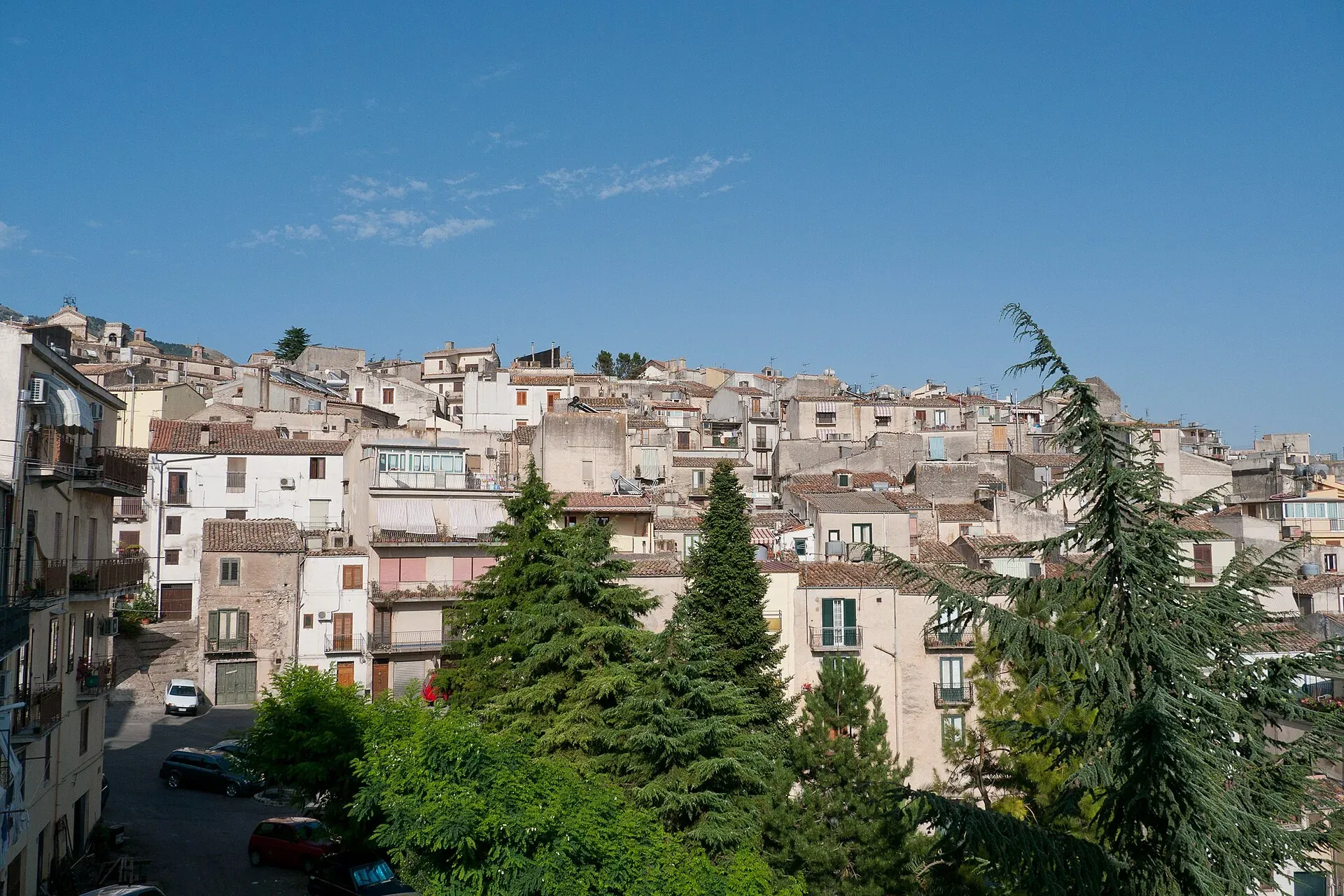
920 m a.s.l.
The town of the Abies nebrodensis, sfoglio and badda beans
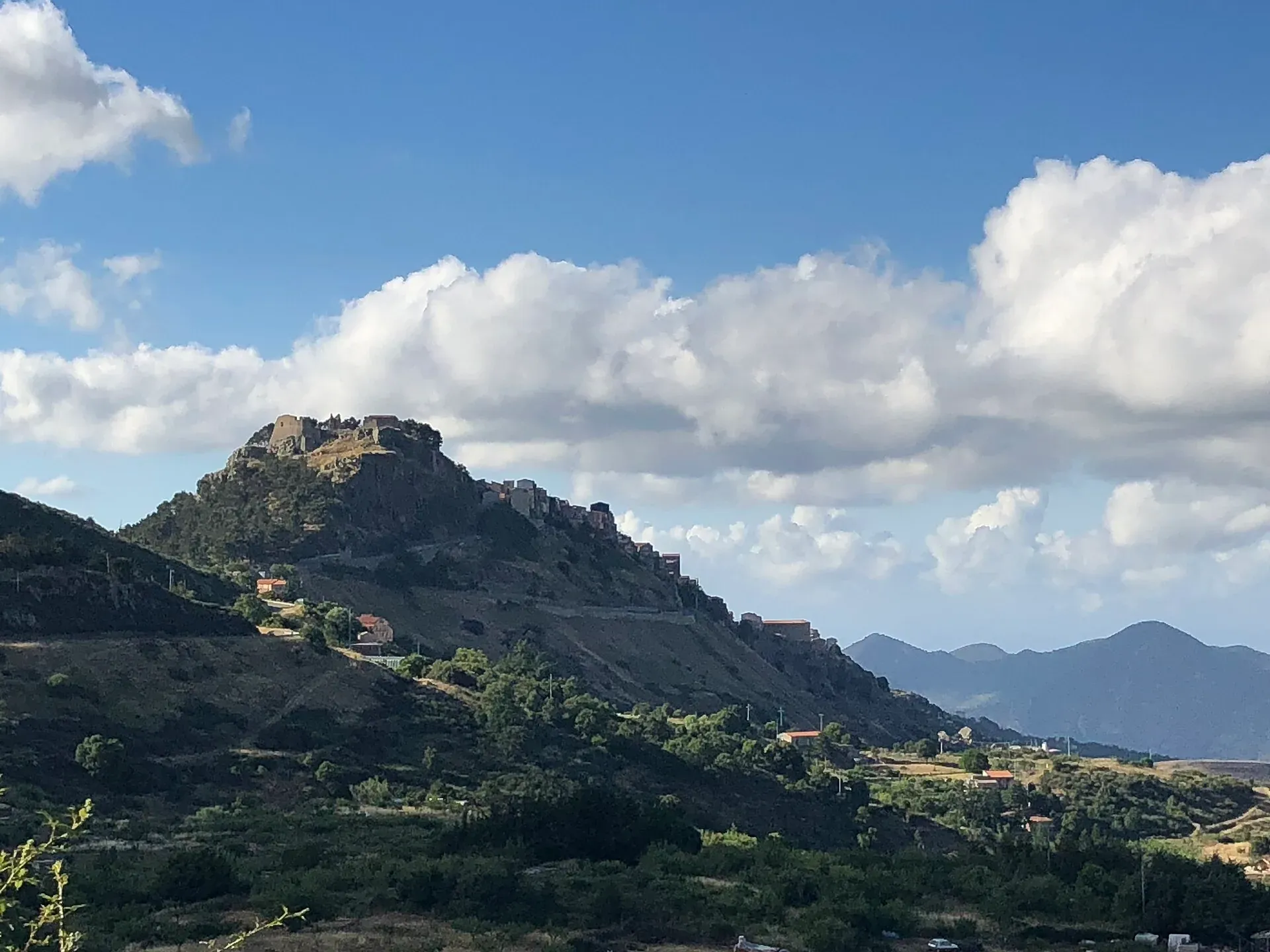
1,077 m a.s.l.
The first capital of the Ventimiglia, above the Madonie woods
680 m a.s.l.
The terrace over the Tyrrhenian Sea above Cefalù
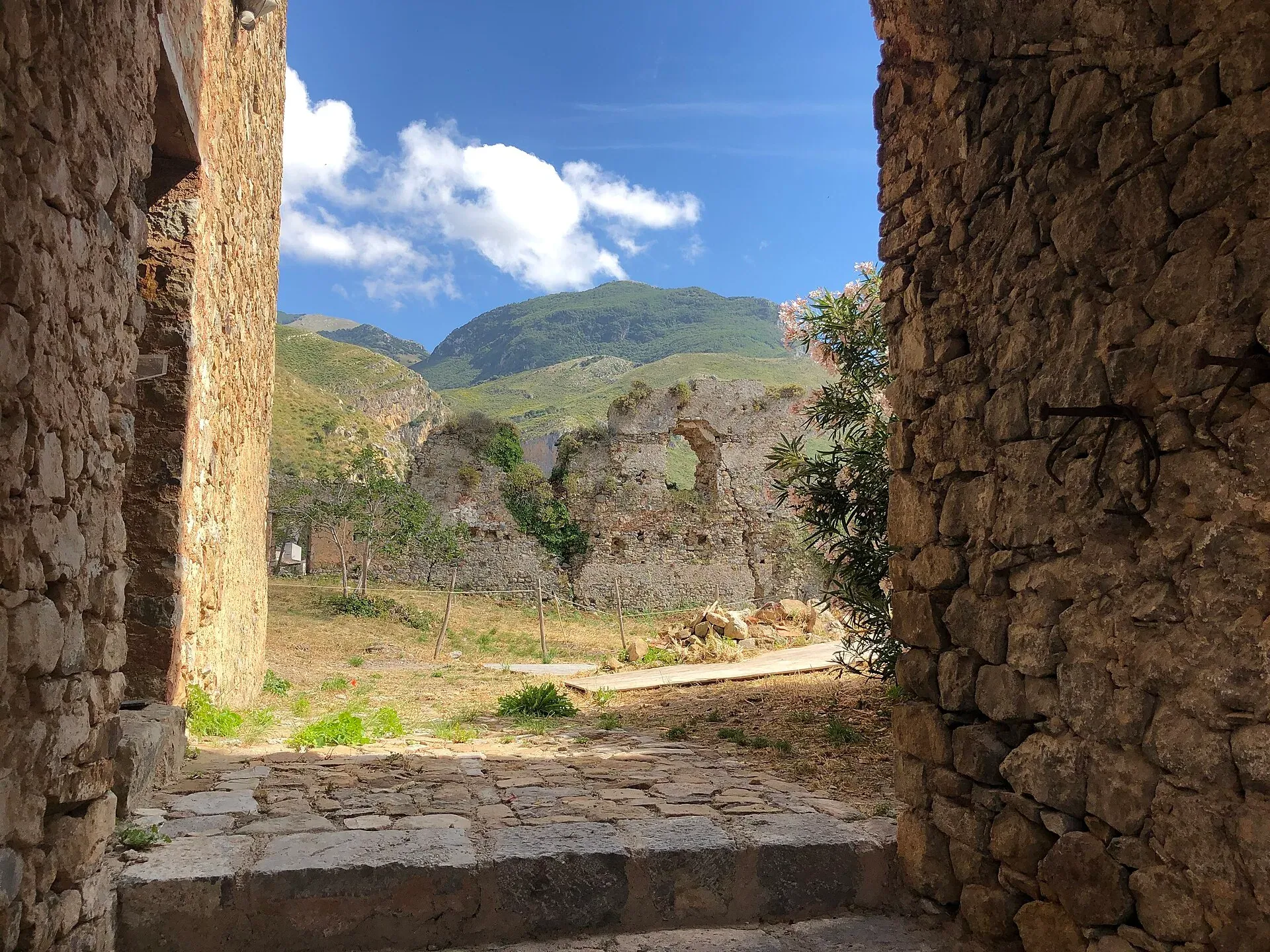
470 m a.s.l.
Ceramics, a castle and the Targa Florio museum
Nature
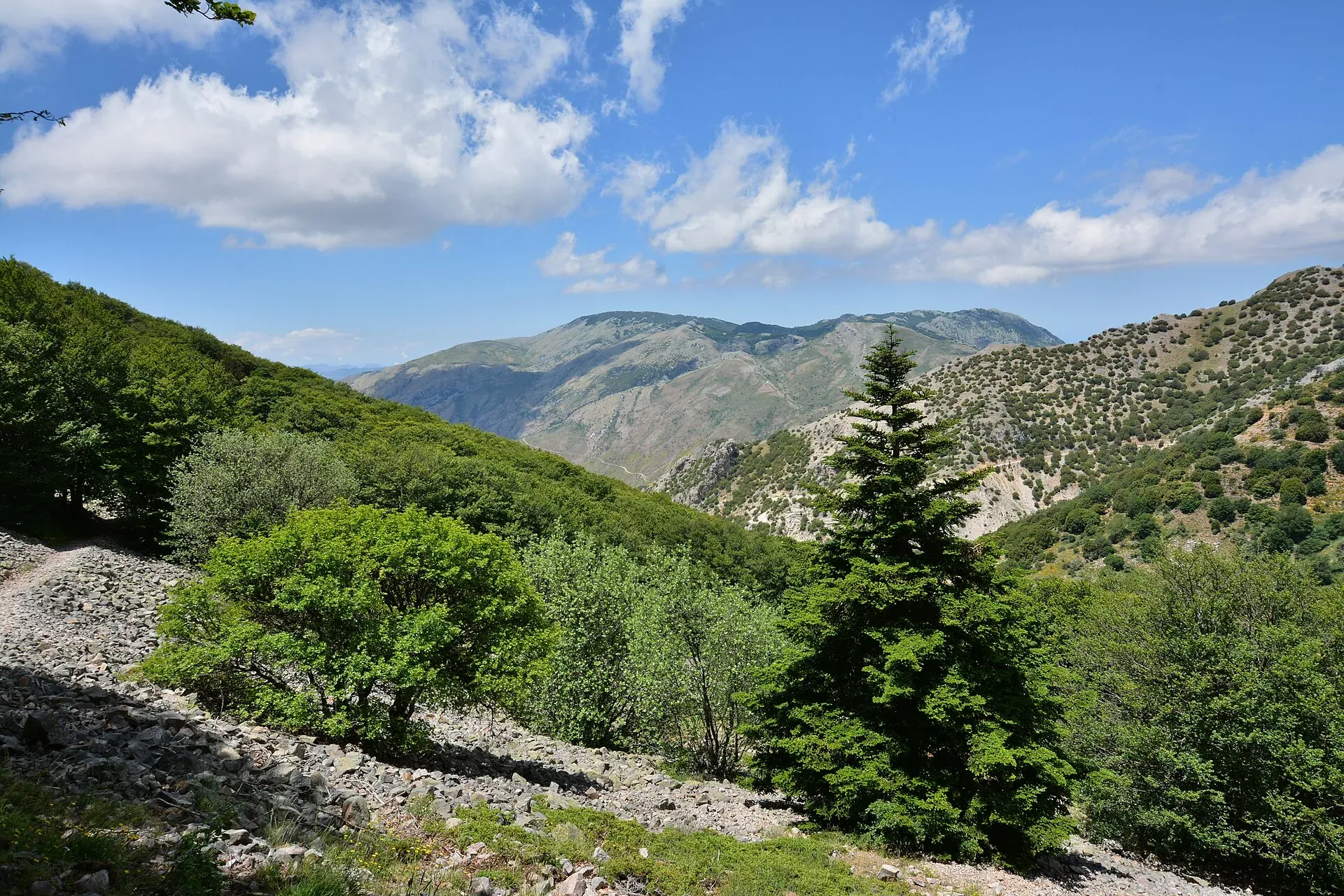
Abies nebrodensis: about 30 adult trees in the wild, all near Polizzi Generosa. What it looks like, why it may vanish, how it is protected, where to see it.
Nature
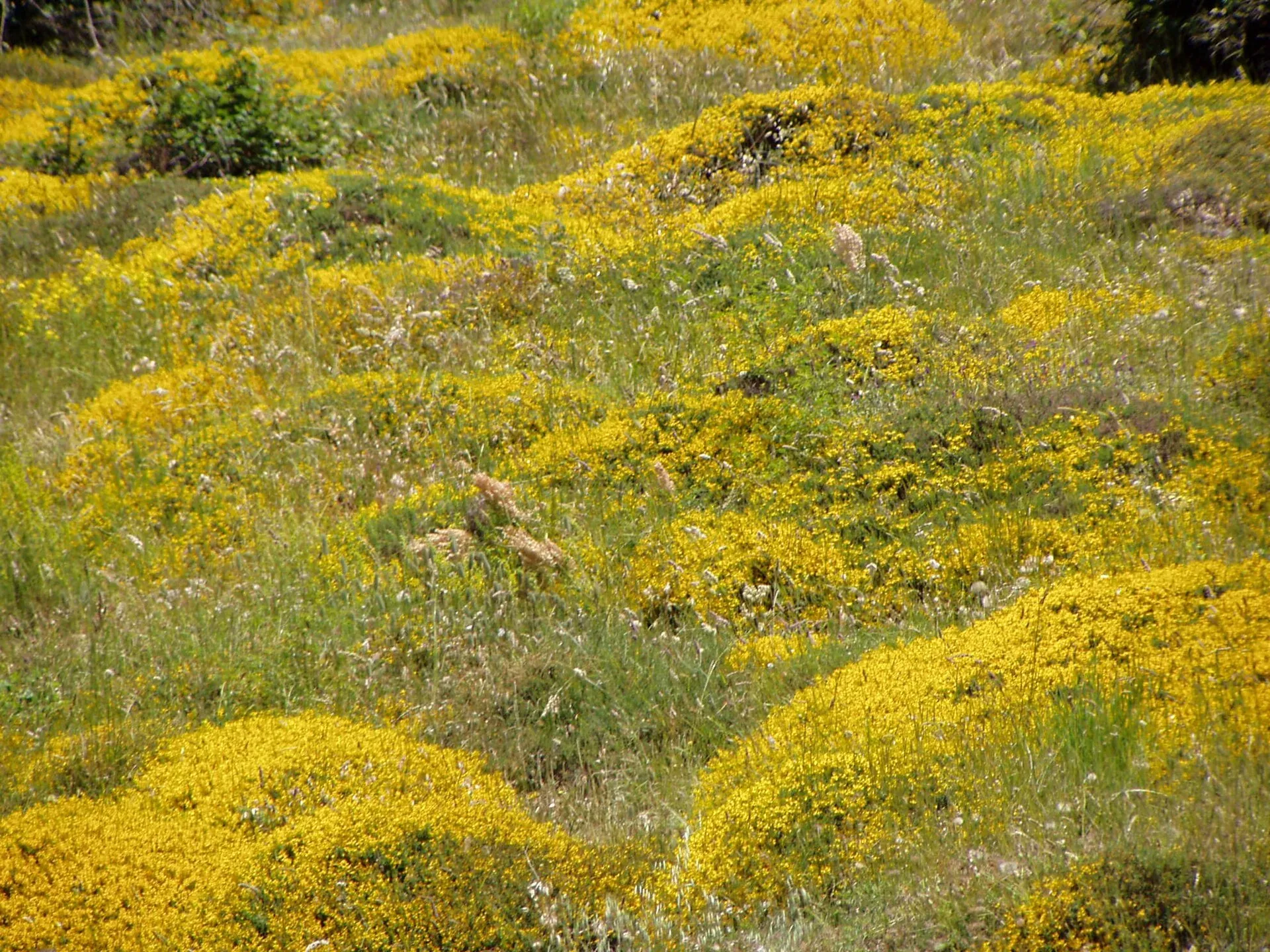
Madonie flora: about 1,500 species and 170 endemics, over half of Sicily's plants. Endemic plants, orchids, peonies, where to see them and when they flower.
Nature
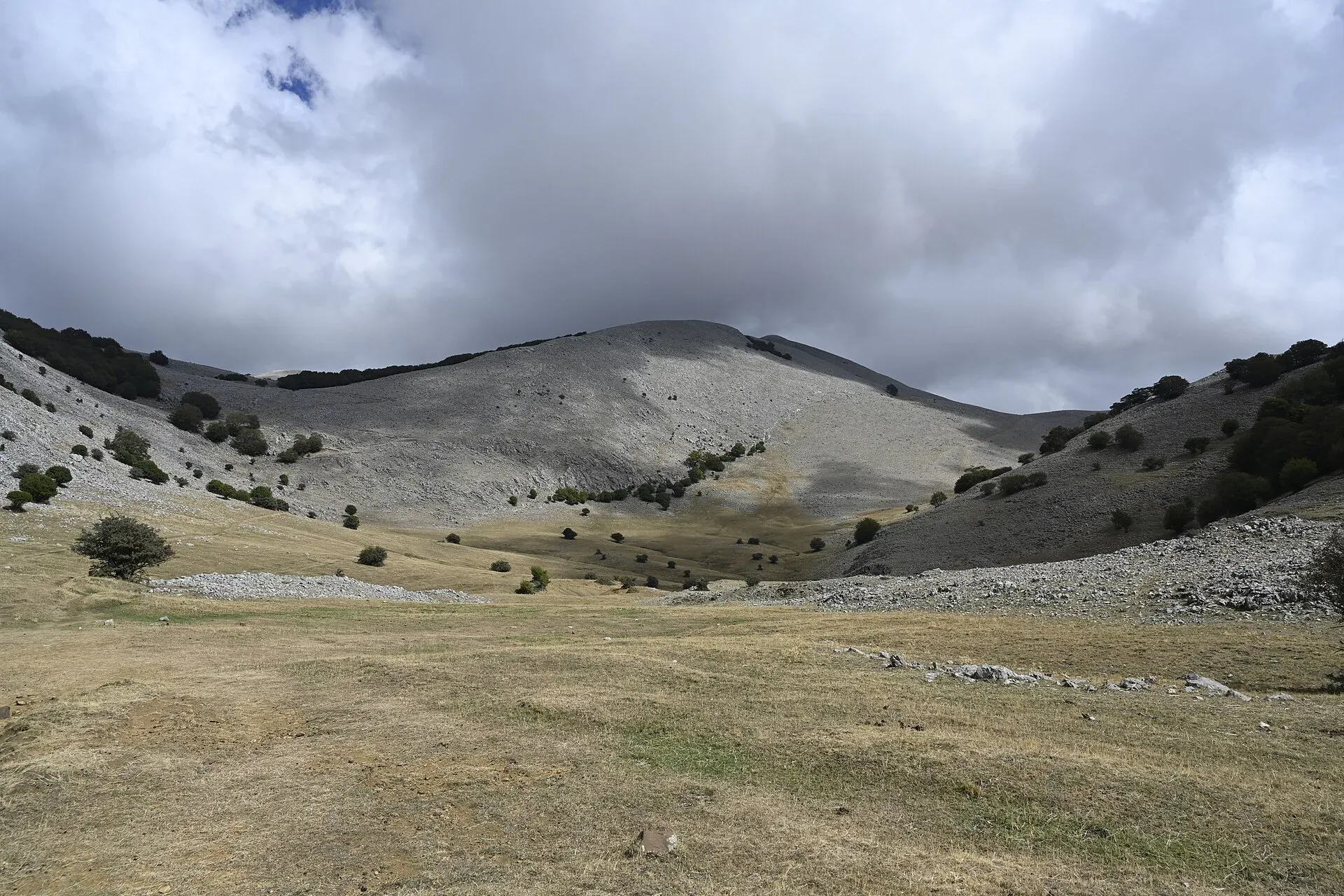
The plateaus of the Madonie: Piano Battaglia at 1,572 m, Piano Zucchi, Piano Sempria, Piano Cervi, Piano Pomo and Piano Catarineci. Heights, access, what to do.
Nature
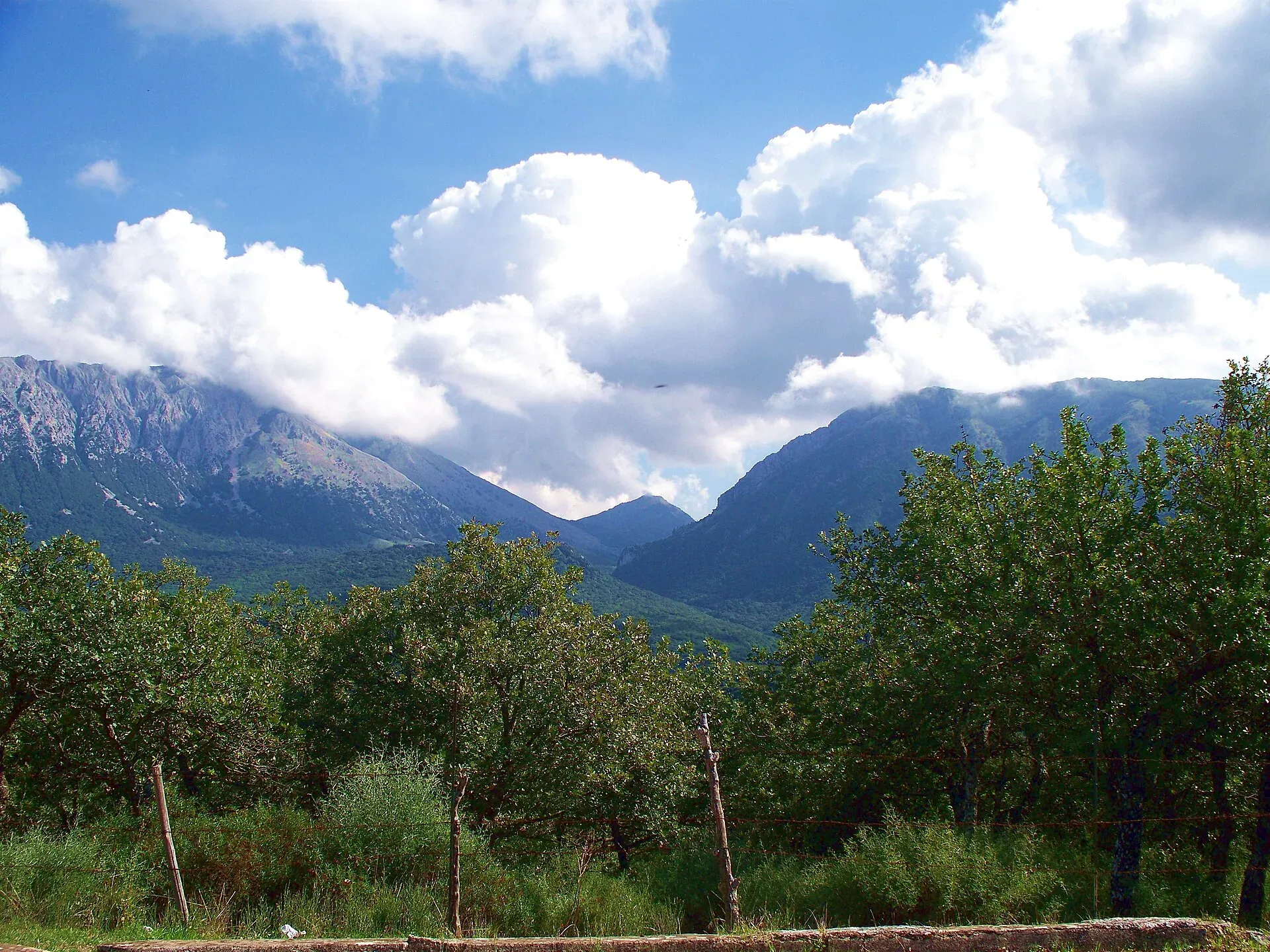
Madonie Park (Parco delle Madonie): 39,679 hectares and 15 towns between Cefalù and the Petralias, founded in 1989. Zones, rules, sights and how to get there.
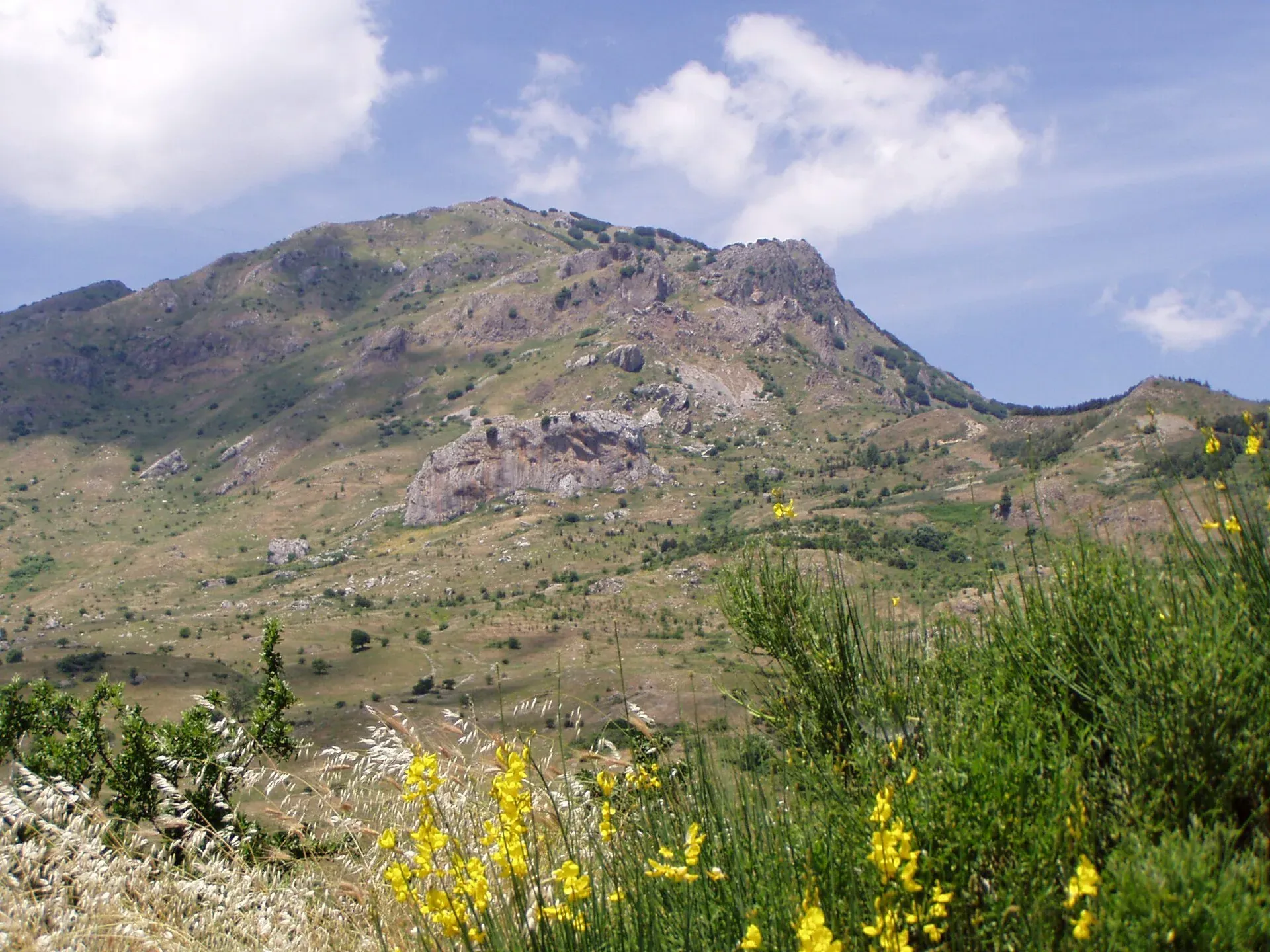
Nature
Madonie wildlife: golden eagles, griffon vultures back after 70 years, Egyptian vultures, fallow deer, porcupines and the Parnassius apollo siciliae butterfly.
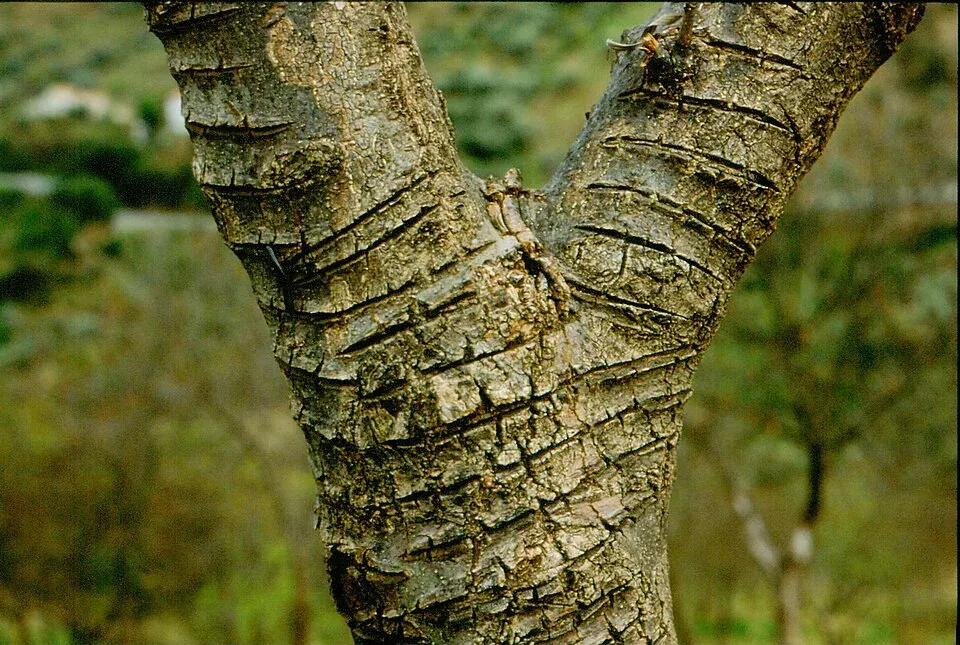
Nature
Madonie manna is the sap of ash trees cut by hand around Castelbuono and Pollina: Slow Food Presidium, summer harvest, grades, uses and where to buy it.
Nature
Food