Food
Food of the Madonie
Madonie manna is the sap of ash trees cut by hand around Castelbuono and Pollina: Slow Food Presidium, summer harvest, grades, uses and where to buy it.
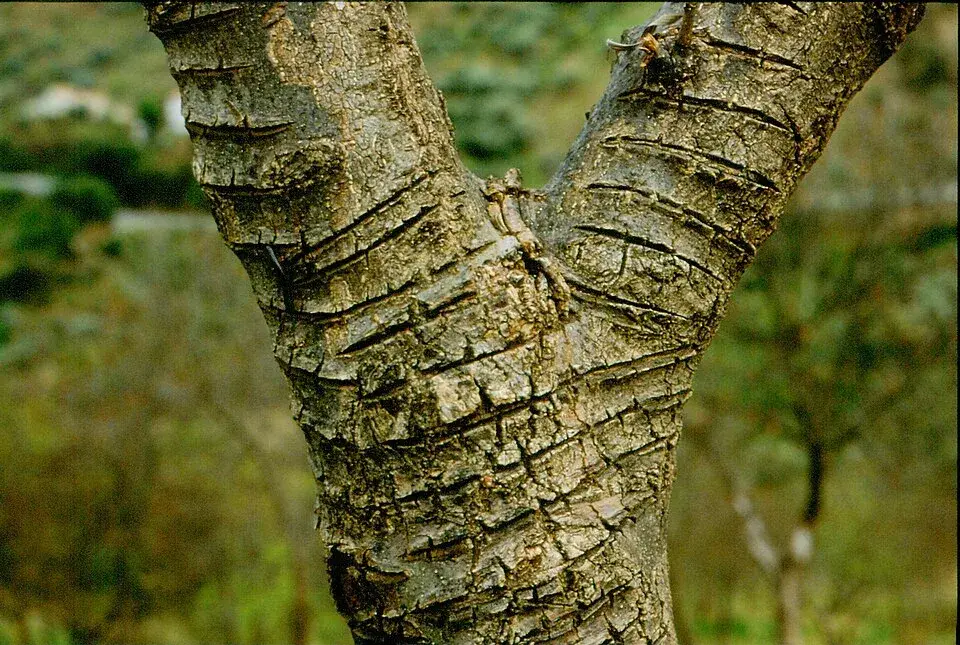
Madonie manna is the sap of the ash tree that seeps in summer from cuts made by hand in the bark and dries in the sun into a light white stalactite. Today it is produced on about 250 hectares of ash groves between Castelbuono and Pollina, in the province of Palermo. It is a Slow Food Presidium, it is harvested between July and September and you can buy it all year round.
At a glance
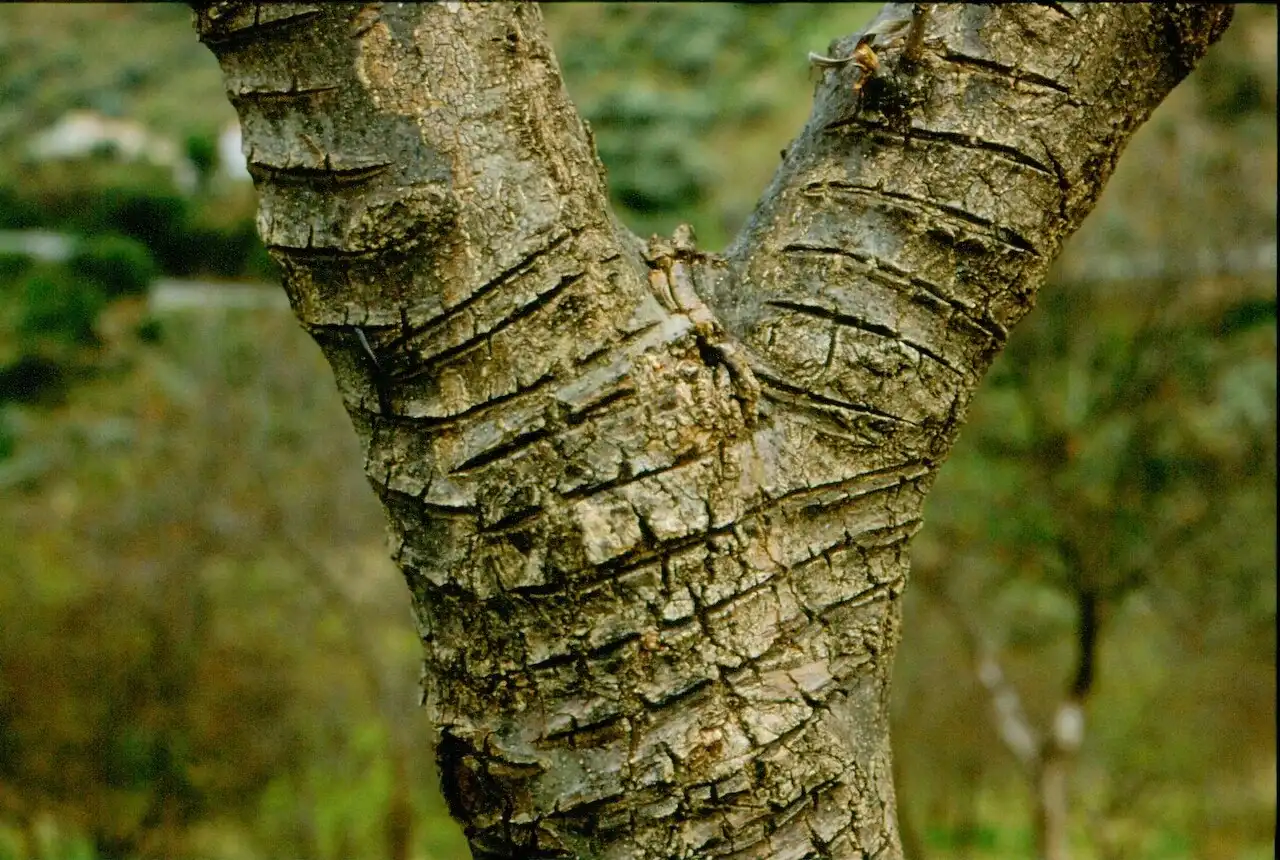
When the grower cuts the trunk, a bluish, resinous liquid comes out of the wound. In contact with air and strong sun it hardens into whitish stalactites: that is manna. The description comes from the Slow Food Foundation, which calls it a natural sweetener with very little glucose and fructose.
The main component is mannitol. In the genuine manna analysed by Caligiani and colleagues (Fitoterapia, 2013) it ranges from 39 to 48 grams per 100. The rest is other sugars, mostly mannotriose and fructose.
Good stalactites are light, spongy and almost tasteless, Slow Food writes. Fiasconaro, which uses it in its leavened cakes, speaks of a balanced sweetness that leaves the palate clean.
Ash groves once covered thousands of hectares across north-western Sicily. Today about 250 remain around Pollina and Castelbuono, and only 20-30% of the trees still produce (Slow Food Foundation).
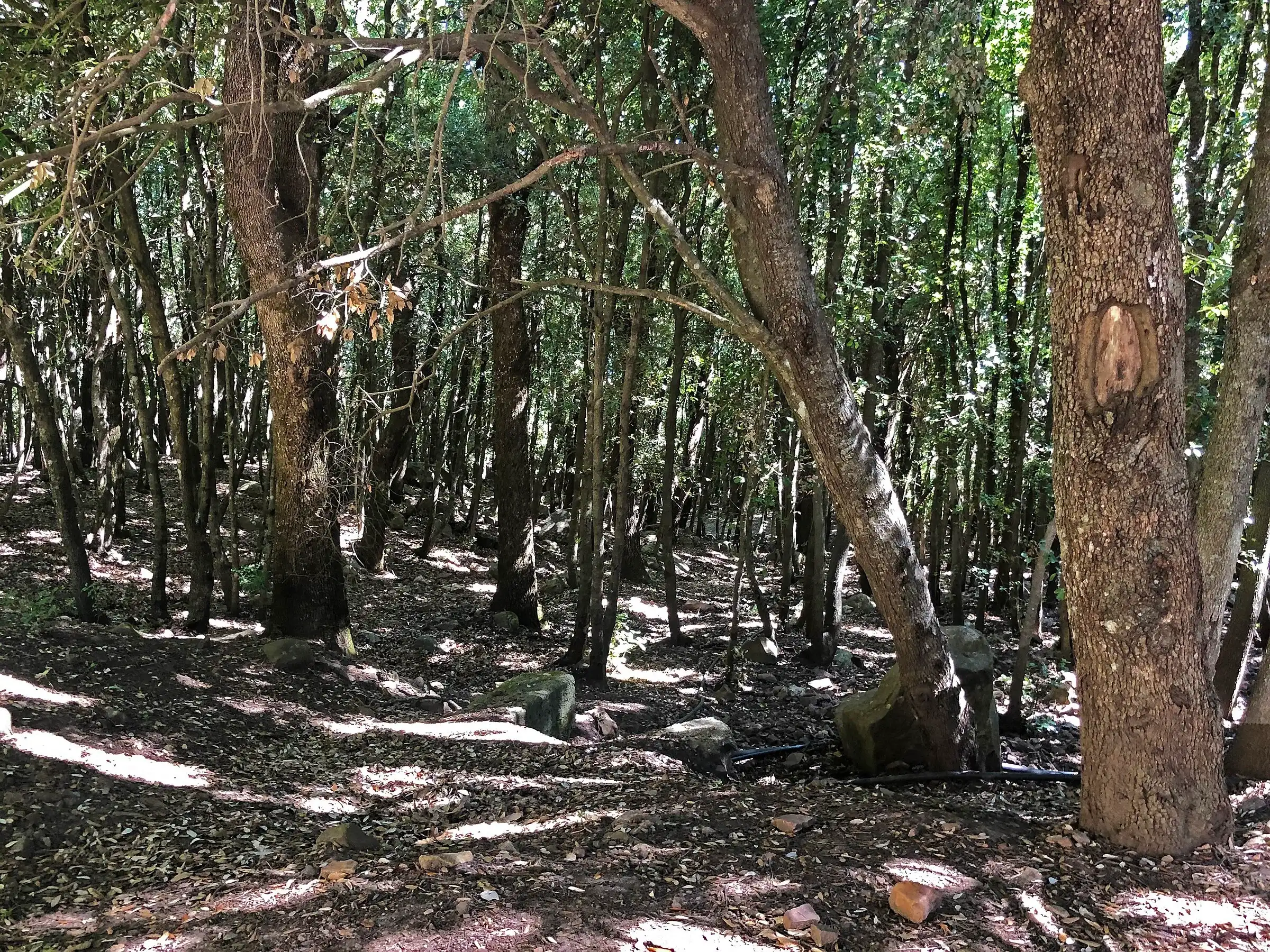
This is steep, marginal land, never suited to machines or to more profitable crops. Slow Food points out that the ash groves hold the soil together and compares them to an open-air museum.
The technical sheet for the traditional product, compiled by the Sicilian Region, extends the area to the municipalities of Castelbuono, Pollina, Geraci Siculo and Cefalù. The Slow Food Presidium brings together growers from Castelbuono and Pollina.
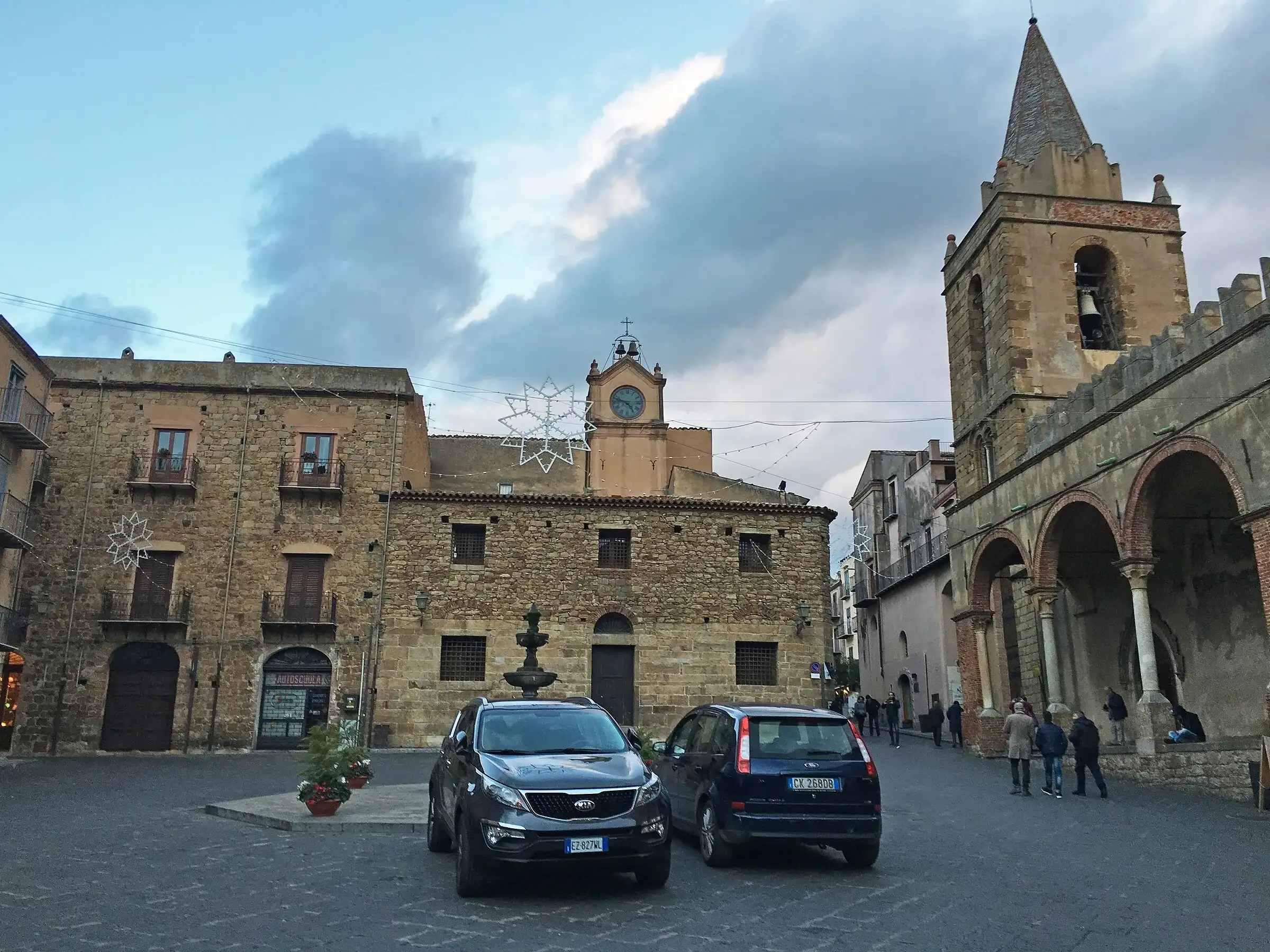
To see the manna towns, start from the pages on Castelbuono and Pollina: both lie on the northern side of the Madonie Park (Parco delle Madonie), towards the sea.
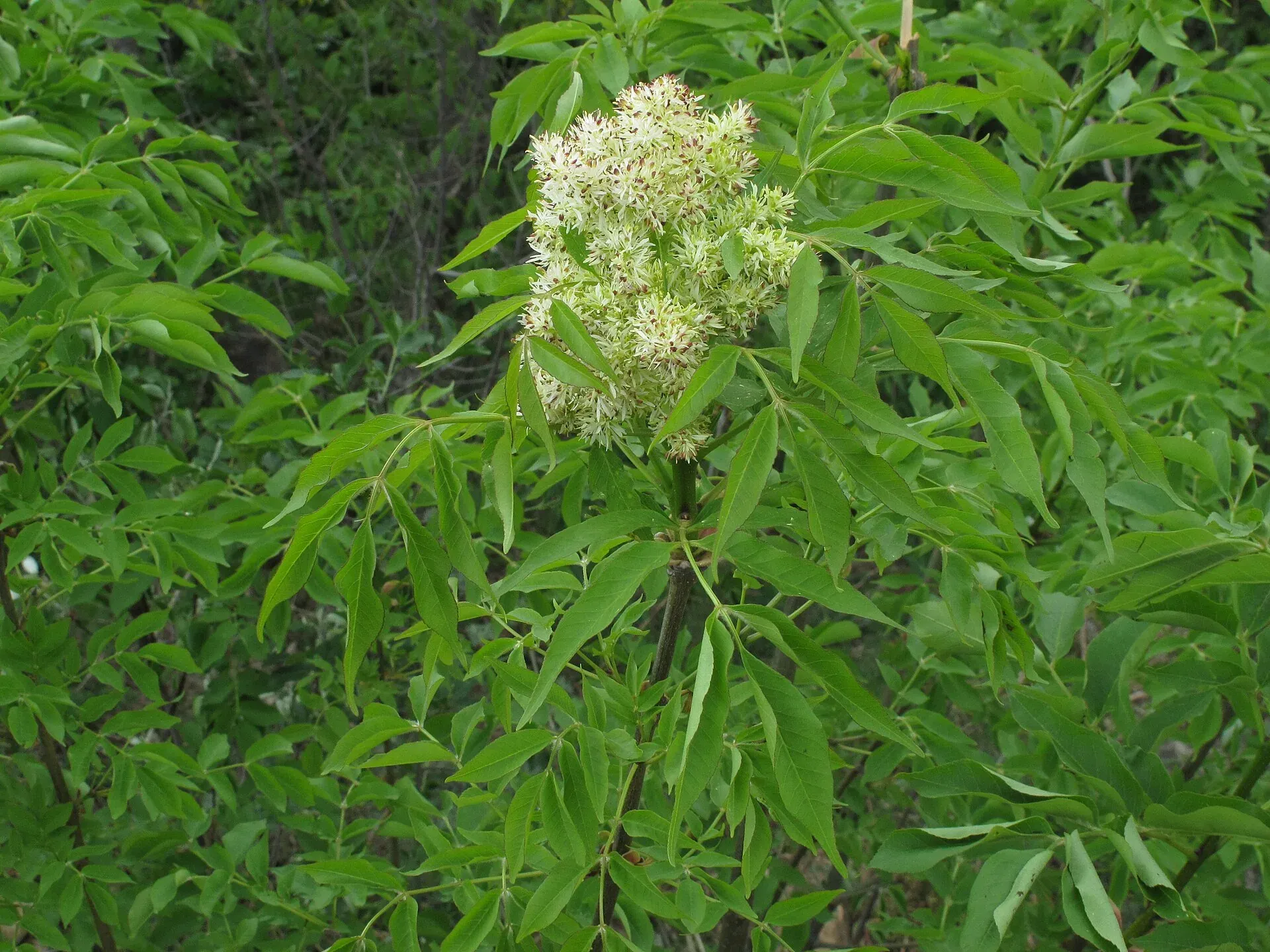
In Sicily manna comes from two species: the narrow-leaved ash (Fraxinus angustifolia) and the flowering or manna ash (Fraxinus ornus). A study published in Antioxidants in 2019 names F. angustifolia as the most widespread and productive species around Castelbuono. The confectioner Fiasconaro, which buys manna in Castelbuono and Pollina, mentions the manna ash instead.
The tree needs hot, dry, breezy summers. One rain shower or too much humidity stops the flow, and then the year goes badly. That is why the harvest varies a lot from one year to the next.
The harvest is still entirely done by hand. These are the stages described by Slow Food and by the regional sheet.
The regional sheet also lists the other tools of the trade: the box, the archetto and the stinnituri.
Not all manna has the same value. Contact with the bark makes the difference.
| Grade | How it forms | What it is for |
|---|---|---|
| Cannolo (manna eletta) | stalactite that drips from the cut without touching the trunk | the purest and most prized, sold whole by herbalists and food shops |
| Rottame | sap that hardens on the bark and is scraped off | contains impurities, goes mostly to the mannitol industry |
| In sorte | third commercial grade listed in the regional sheet |
The Slow Food Presidium only recognises manna eletta, that is the cannolo.
The Presidium brings together a few manna ash growers who have agreed on production rules. They have two goals: to improve harvesting technique, so as to get more high-quality manna, and to protect natural manna against fakes. It is supported by the Sicilian Region.
Fakes are real. The 2013 study in Fitoterapia found samples sold as manna that were made largely of mannitol and sorbitol.
Manna also appears on the national list of traditional food products kept by the Italian Ministry of Agriculture, under “Manna” among the products of the Sicilian Region. PAT status certifies processing methods used uniformly for at least 25 years, but it is not an origin label like PDO and PGI.
The regional sheet dates manna in Sicily back to the Arab period, between the 9th and 11th centuries. Until after the Second World War, growing ash trees was the main occupation of many families in the Madonie (Slow Food Foundation).
In the 1950s thousands of quintals went abroad or to Italian mannitol factories. Back then a harvester brought home about 300 kilos of manna a year; today about 90. In 1965 a kilo was worth 1,500 lire.
Slow Food describes harvesters who are still numerous but mostly elderly, and only two who live mainly from manna. For the figures of recent seasons and the voices of the growers, read our story on Castelbuono manna.
Most of the manna produced goes to industry. Mannitol is extracted from it and, in blocks, used by the cosmetics and pharmaceutical industries for laxatives, diuretics and sweeteners (Slow Food Foundation).
Pure cannolo manna is sold by herbalists as a cleansing remedy and mild laxative. If you plan to use it that way, ask a doctor or pharmacist first, especially for children and older people.
In the kitchen it is a gentle sweetener:
For the other sweets of the area, from panettone to testa di turco, read our guide to typical desserts of the Madonie. Documented recipes are in the guide to traditional Madonie recipes.
Three simple checks to make in the shop:
If the seller cannot tell you where it comes from, ask about the Presidium. Its rules exist precisely to tell natural manna from imitations.
The Sagra della Manna in Pollina is the easiest opportunity. In 2026 it was held on 13 August: from 10 to 13 August, at 10 am, you could book a visit to the ash groves where trunks are still cut, and the Museo della Manna was open from 9 am to 1 pm and from 4 pm to 9 pm (MadoniePress, 5 August 2026).
In August, before or after the festival, you can combine a walk in the Bosco di Castelbuono with a night in town: places to stay are in where to stay in Castelbuono. The other summer food festivals are in the Madonie food festival calendar.
Updated on 19 October 2026
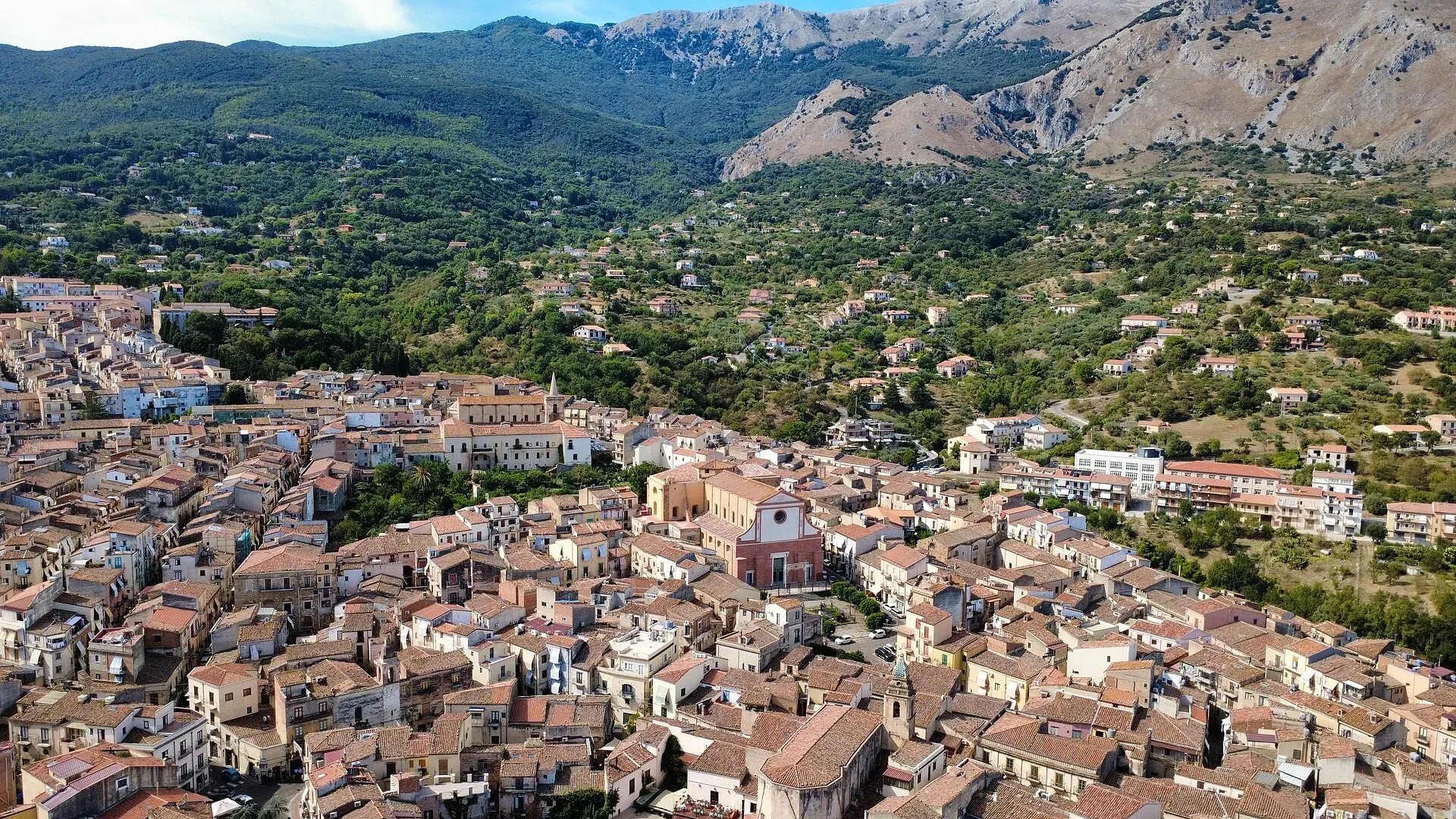
423 m a.s.l.
The town of the Ventimiglia castle, manna and testa di turco
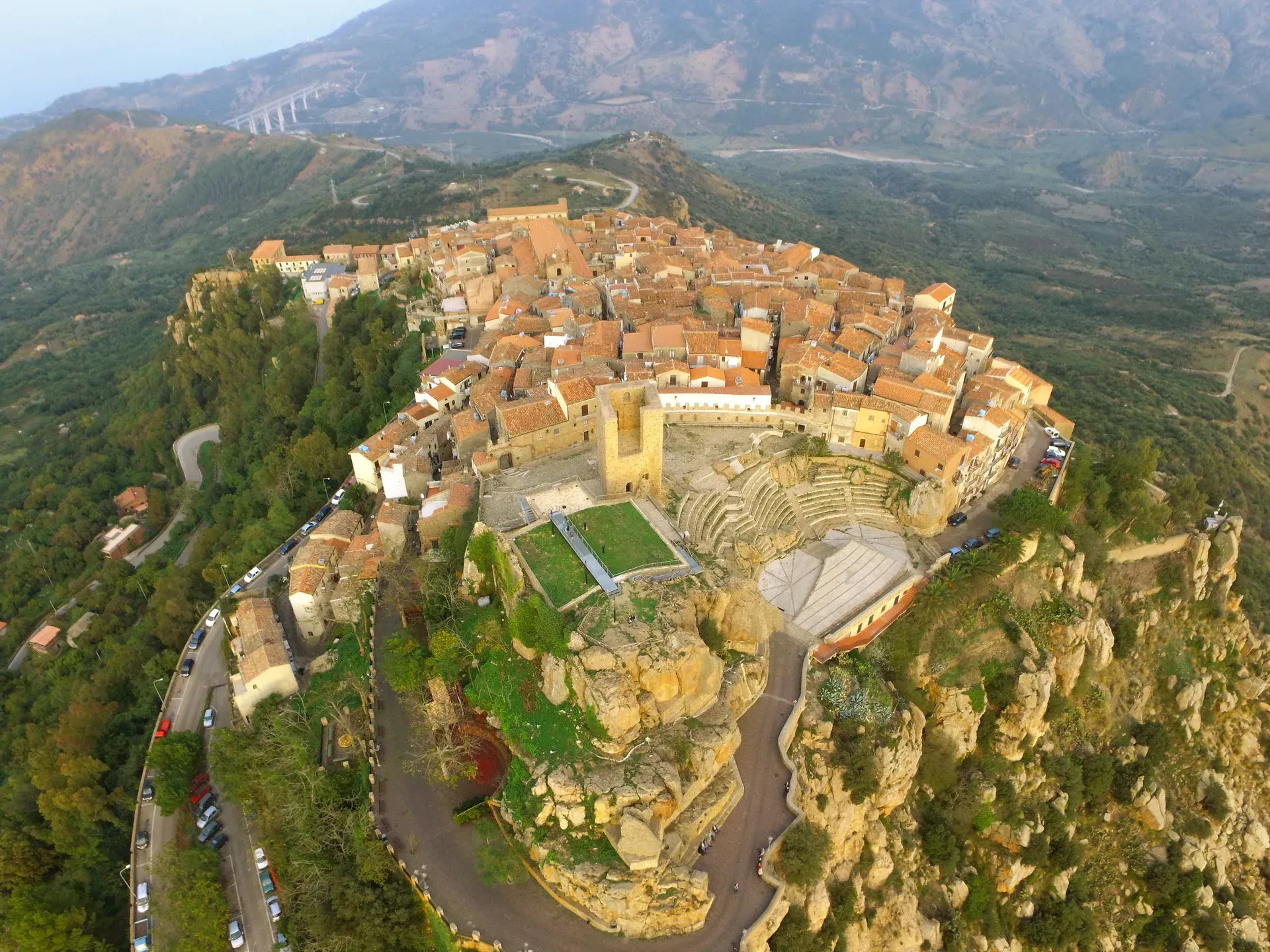
664 m a.s.l.
The stone theatre and the manna, above the sea at Finale
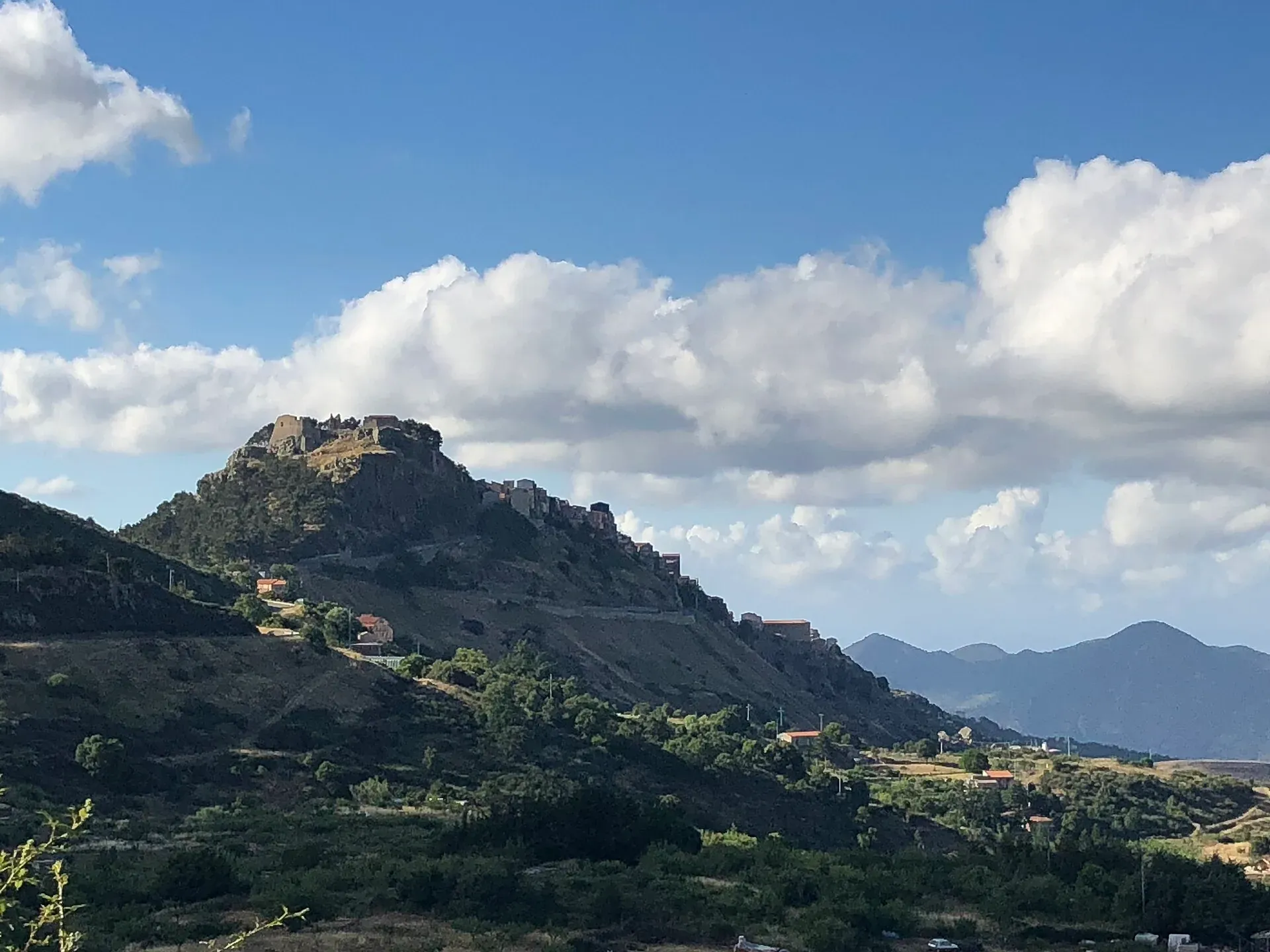
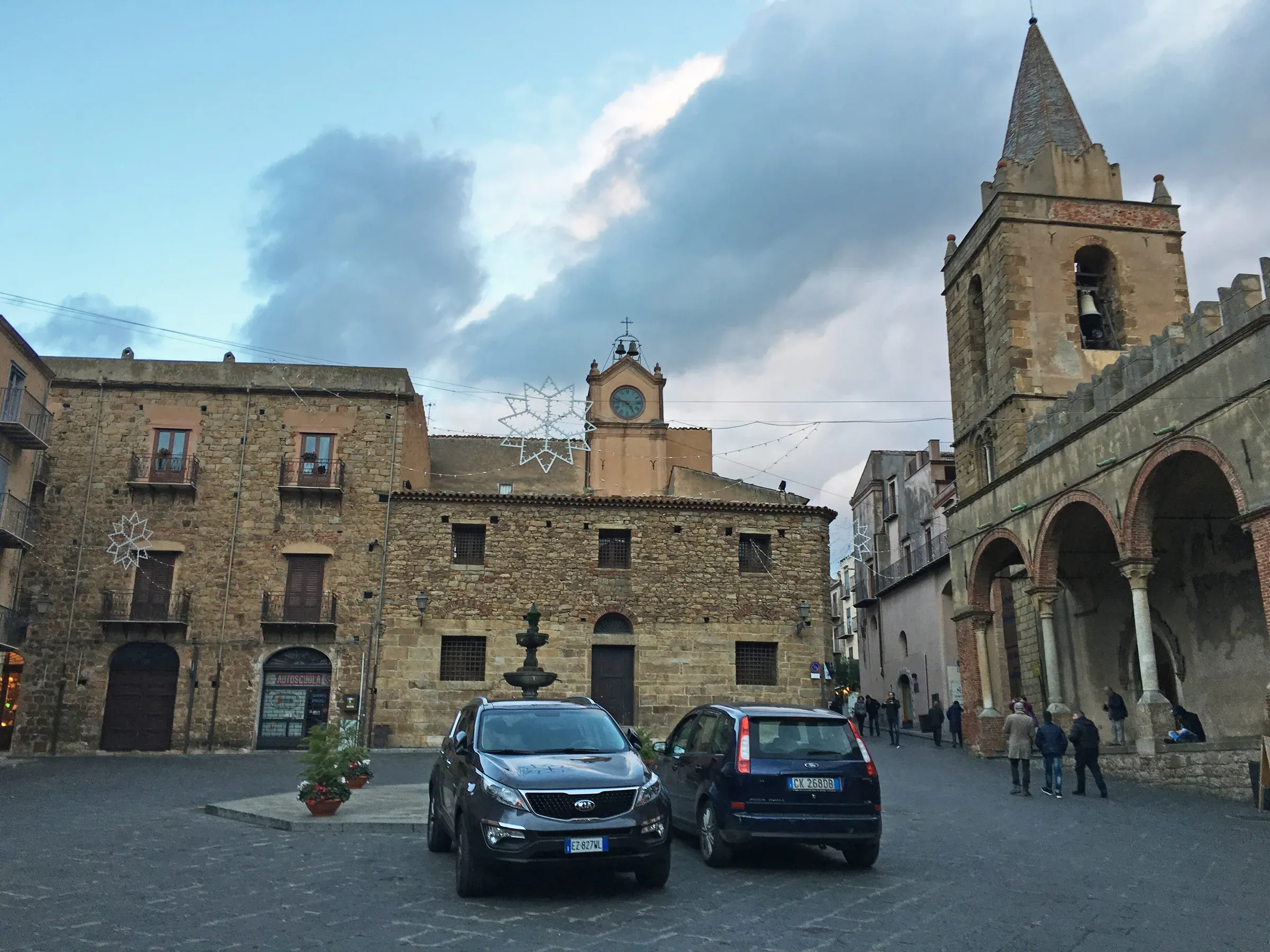
1,077 m a.s.l.
The first capital of the Ventimiglia, above the Madonie woods
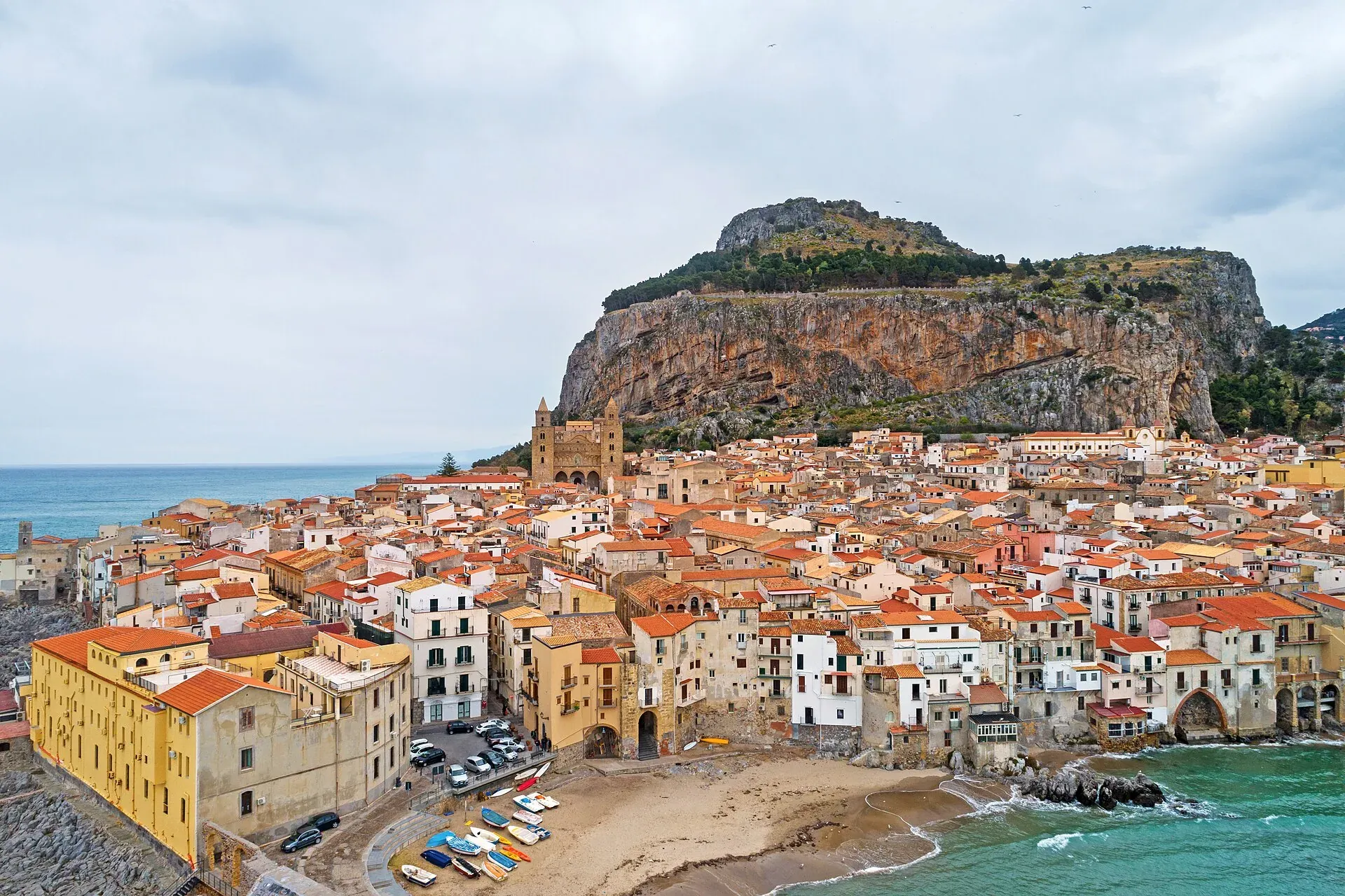
16 m a.s.l.
The Norman cathedral, the Rocca and the sea at the foot of the Madonie
Food
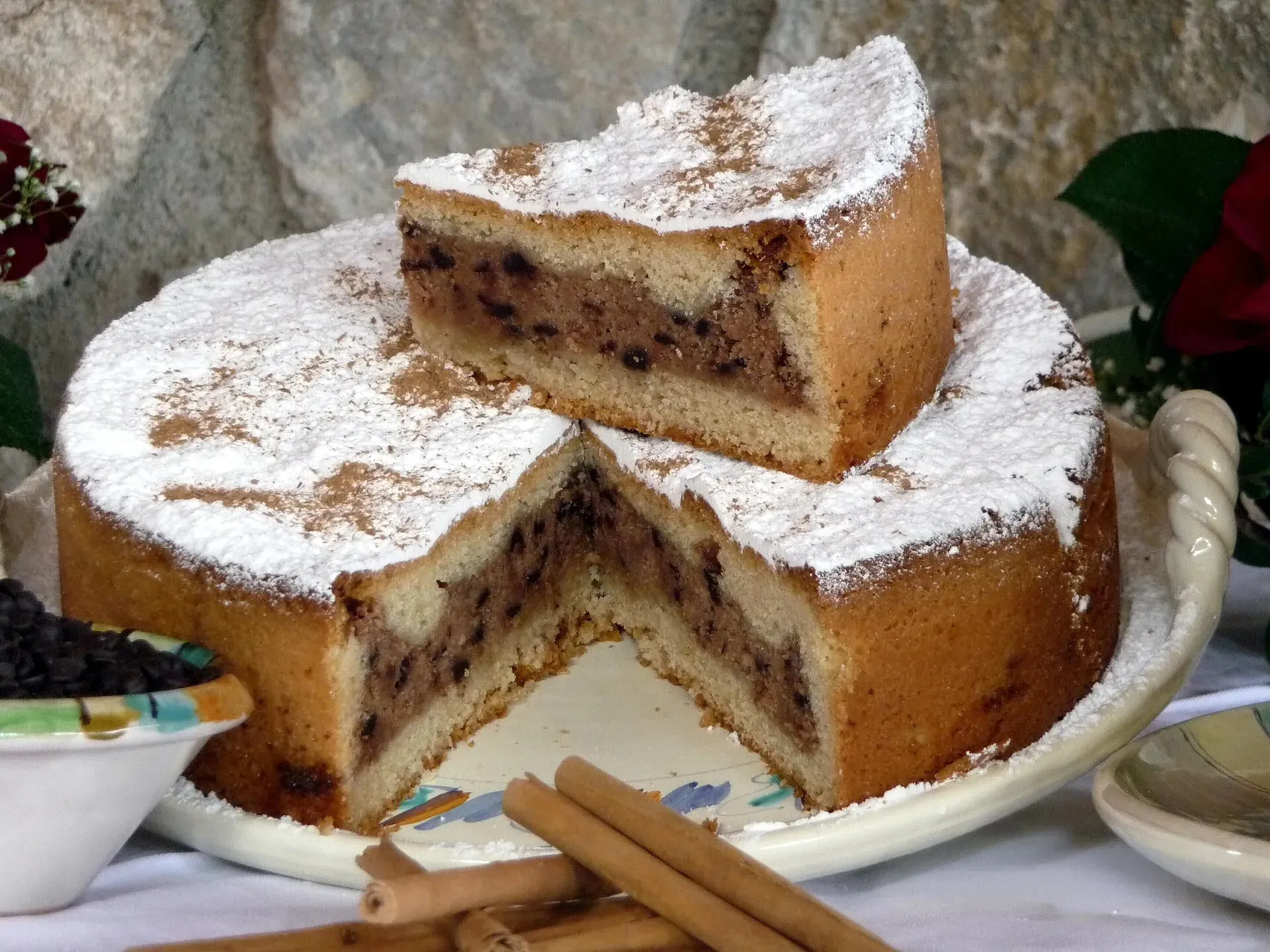
Madonie desserts town by town: Castelbuono's testa di turco, Polizzi's sfoglio, manna panettone, Gratteri's biscuits, and where to buy them.
Food
Documented Madonie recipes step by step: Castelbuono's testa di turco, Polizzi's sfoglio, Gratteri's vastedda fritta and taralle, bread and broad beans.
Food
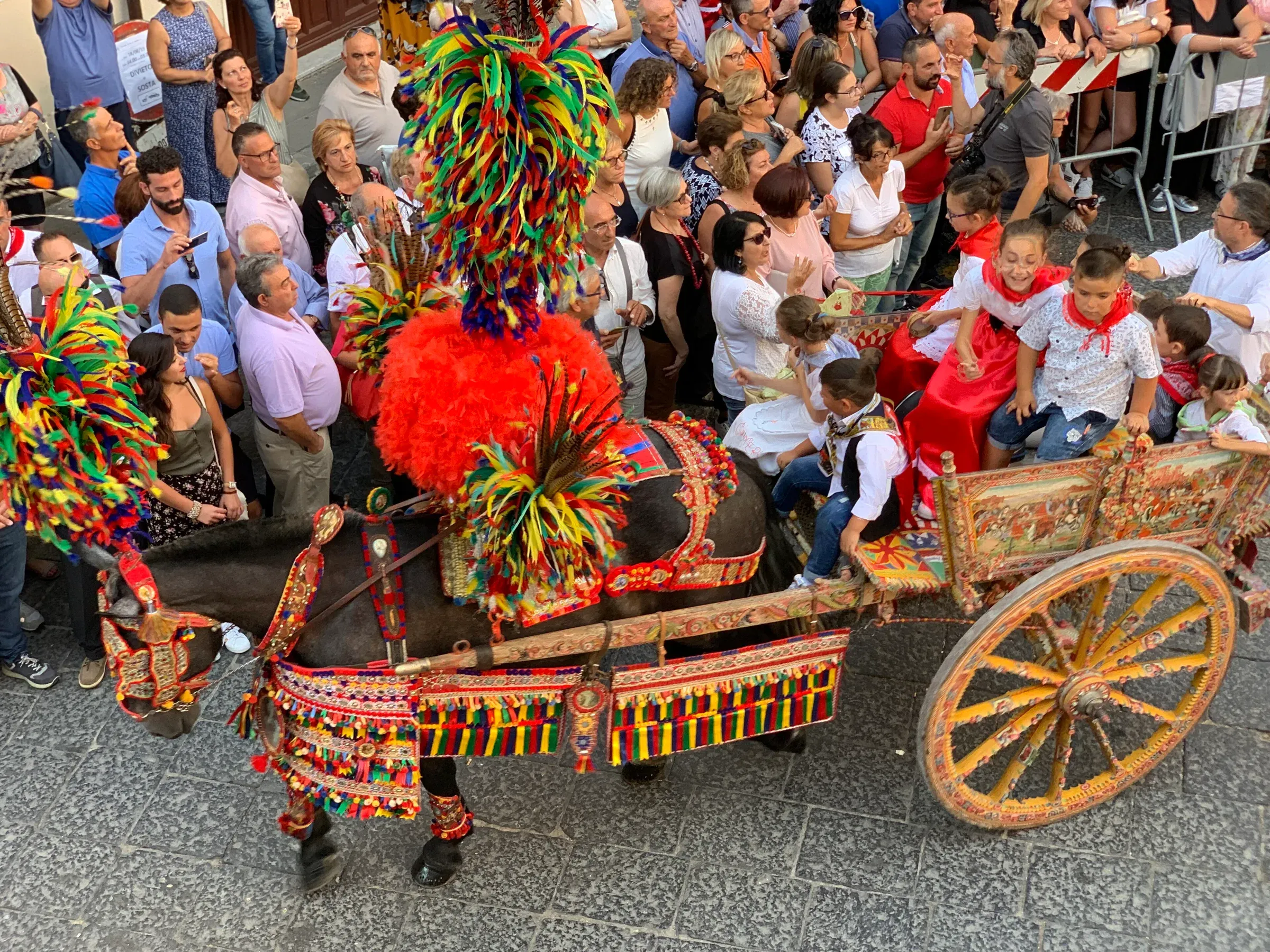
Madonie food festival (sagre) calendar by season: usual periods, villages and what you eat, from Scillato oranges to Polizzi hazelnuts and mushrooms.
Food