Food of the Madonie
Madonie cheeses: provola, caciocavallo and ricotta
Madonie cheeses one by one: Slow Food provola, caciocavallo, Gratteri's canestrato, ricotta and tuma, with farms to visit, cheese festivals and pairings.
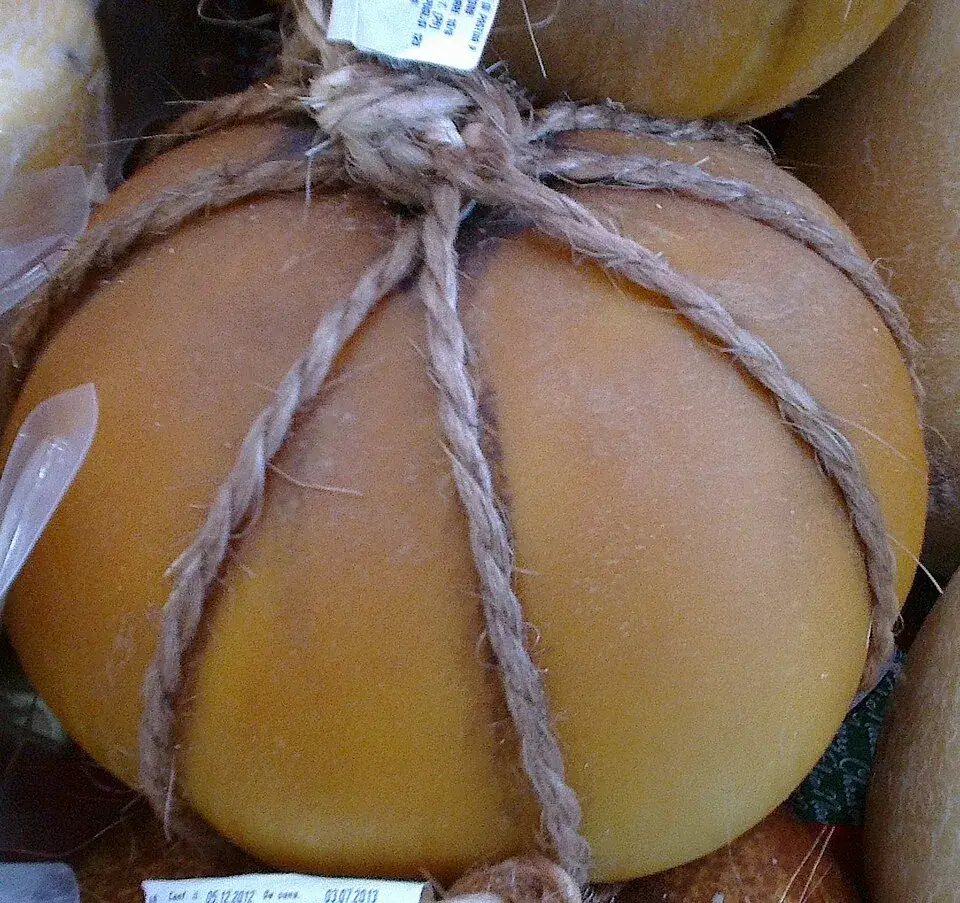
The signature cheese of the Madonie is provola: cow’s milk, stretched curd, made by hand with raw milk and shaped like a round-bellied flask. It is a Slow Food Presidium and a traditional product recognised by the Sicilian Region. The same mountains produce caciocavallo, canestrato, tuma, pecorino and ricotta, and three festivals a year, between May and November, bring them out into the squares.
Madonie cheeses in one table
To find your way before visiting a dairy, here are the main cheeses, with the milk they start from and the protection they have.
| Cheese | Milk | Protection | Where in the Madonie |
|---|---|---|---|
| Provola delle Madonie | raw cow’s milk | Slow Food Presidium, PAT | 17 municipalities of the massif, Presidium farms in San Mauro Castelverde, Geraci Siculo and Collesano |
| Caciocavallo palermitano | raw cow’s milk | PAT | province of Palermo; San Mauro Castelverde holds a festival for it |
| Canestrato vacchino | cow’s milk, sometimes mixed with sheep’s or goat’s | PAT | Gratteri |
| Pecorino Siciliano and tuma | raw sheep’s milk | PDO (Pecorino Siciliano), PAT (tuma) | all of Sicily, the Madonie included |
| Ricotta | sheep’s, cow’s or mixed | PAT | wherever there is a dairy |
PAT stands for traditional food product: it is the list kept by the Italian Ministry of Agriculture of methods practised uniformly for at least 25 years.
Provola delle Madonie
What it looks like
Provola delle Madonie is shaped like a round-bellied flask, slightly flatter than the provola of the Nebrodi, with a smooth, thin, straw-yellow rind. Inside it is compact, soft and springy, with a sweet, delicate taste. Those are the words of the Slow Food Foundation.
The regional technical sheet adds the measurements: about a kilo, from 1 to 1.2 kilos, with a short neck and a head shaped into a ball. There is also a lightly smoked version.
How it is made
The method described by the Presidium is still that of the mountain cheesemakers:
- the whole raw milk is warmed to 37-38 °C in a wooden vat and lamb’s rennet paste is added;
- the curd is broken into hazelnut-sized grains and rests under hot water or whey;
- the mass drains on a wooden board, is cut into thin slices and goes back into the vat, covered with water at 85 °C;
- it is stretched by hand, with the help of a stick, until the paste turns elastic;
- small pear shapes are formed, tied in pairs and hung astride a pole.
Salting is done in saturated brine. On ageing, the sources disagree: the regional sheet says 10-15 days, while the Presidium page gives at least 10-15 days in one place and at least three months in another. Slow Food places production from March to June.
The regional sheet also lists the historic tools, with their dialect names: the vat, the rotula for breaking the curd, the cisca, the piddiaturi for stretching, the appizzatuma stick, the manuvedda.
Where it is made
The production area in the regional sheet covers San Mauro Castelverde, Gangi, Collesano, Caltavuturo, Scillato, Polizzi Generosa, Petralia Sottana, Petralia Soprana, Alimena, Blufi, Bompietro, Isnello, Gratteri, Castelbuono, Geraci Siculo, Pollina and Castellana Sicula. The Slow Food Presidium refers more broadly to the Madonie massif.
As historical references the sheet cites the studies by Antonino Uccello (Bovari, pecorari, curatuli, 1980) and Mario Giacomarra (I pastori delle Madonie, 1983), which describe the traditional technique.
Presidium farms to visit
The Presidium page lists three producers, with address and phone number:
- a farm in the village of San Mauro Castelverde;
- the Barreca farm in contrada Abbate, near Geraci Siculo;
- the Invidiata farm in contrada Sant’Anastasia, near Collesano, whose owner is also the producers’ contact person.
Slow Food told the story of the Geraci farm in 2021: three sisters run it, the third generation. Before the 1980s the family made just 6-8 provole a day and only during the transhumance. Today the cows graze freely from April to November on pastures without herbicides, and the milk stays raw, with no added starter cultures.
These are farms, not shops: call ahead to find out if and when you can drop by. To sleep near the dairies, see where to stay in Geraci Siculo or where to stay in Collesano.
Caciocavallo palermitano
This is the other great stretched-curd cheese of the province. The regional technical sheet describes it as block-shaped, with a thin amber rind and a compact straw-yellow paste that flakes when aged. It weighs 8-12 kilos and has a sharp taste.
Making it takes time. The milk curdles at 35 °C with lamb’s or kid’s rennet; the curd cooks under the hot whey for about 4 hours, is pressed on a reed rack and stretched the next day. Then it goes into brine for up to 10-12 days. The semi-aged version matures for one to four months, the aged one for more than four.
It is also an old cheese: the sheet cites a Palermo price list of 21 March 1412 that already set it apart from other cow’s and sheep’s cheeses.
The area in the sheet is the whole province of Palermo, with the largest production in Godrano and Cinisi, outside the Madonie. In the mountains the caciocavallo village is San Mauro Castelverde, which in early June holds the Sagra del Caciocavallo, with guided tastings and cheese sculptures.
Canestrato vacchino from Gratteri
Gratteri has a cheese recognised for its territory alone. Canestrato vacchino is cylindrical and yellow, mild when fresh and sharp when aged (regional technical sheet).
It is made with cow’s milk, sometimes mixed with sheep’s or goat’s milk. The curd drains in rush baskets, which leave the pattern of the weave on the rind, and black peppercorns or chilli flakes are sometimes added. The sheet notes that from the 15th century it was given as payment in “gabella” contracts for the use of pastures.
Gratteri sits above Cefalù: see the page on Gratteri.
Tuma, pecorino and ricotta
Pecorino Siciliano PDO and tuma
Pecorino Siciliano is a cylindrical, semi-cooked cheese made from raw sheep’s milk. Its PDO area is the entire Sicilian Region, the Madonie included, as set out in the product specification published in the Official Journal of the European Union in 2020. The Fresco type matures for 20 to 30 days, the Stagionato for at least 120.
Tuma is pecorino at its first stage of maturing; the Sicilian PAT list names it together with primosale and secondo sale. In Polizzi Generosa it is the key ingredient of sfoglio: according to the town’s tourism website, Madonie shepherds gave it to the nuns as payment for grazing land. The recipe is in the guide to traditional Madonie recipes.
Ricotta
The Sicilian PAT list recognises sheep’s, cow’s, mixed, salted and baked ricotta, without tying them to a specific town. In the Madonie you find it fresh at the dairies and farms that make provola and pecorino. Always ask the producer what day it was made.
Cheese festivals, month by month
The easiest way to taste everything at once is to go to one of the dedicated festivals. These are the usual periods; exact dates are on the event pages.
| Period | Festival | Town | What you find |
|---|---|---|---|
| end of May | Festa della Transumanza | Geraci Siculo | herds passing through the old town, cheese and shepherds’ dishes |
| early June | Sagra del Caciocavallo | San Mauro Castelverde | guided tastings, cheesemakers at work, cheese sculptures |
| November | Sapori d’Autunno | Isnello | cheese, honey, roast chestnuts and new wine in the lanes |
| mid-November | Collesano Cheese Festival | Collesano | dairy stalls, masterclasses, buying direct |
The other food festivals are in the Madonie food festival calendar.
How to eat them: pairings and dishes
Slow Food advises not to overpower fresh provola: light, dry wines such as an Inzolia, and naturally leavened durum wheat bread, criscenti, baked in a wood oven. With a more aged provola, Nero d’Avola works well. The naturally leavened bread of Castellana Sicula, made with twice-milled semolina and sourdough, is itself a recognised traditional product.
For the local wines there is a separate guide, Madonie olive oil and wine. For the dishes that use these cheeses, from first courses to desserts, and the towns where to find them, read what to eat in the Madonie.
Where to buy them without visiting a farm
If you have no time for a farm, try the food shops. In our list of places to eat in the Madonie you can filter food shops by town: most are in Cefalù and Castelbuono, but there are also some in Petralia Soprana, Isnello and Petralia Sottana.
If you pass through Geraci, San Mauro or Collesano, the pages where to eat in Geraci Siculo, where to eat in San Mauro Castelverde and where to eat in Collesano list the local places, with source and date of check.
Frequently asked questions
- What is the typical cheese of the Madonie?
- Provola delle Madonie, a cow's milk stretched-curd cheese shaped like a round-bellied flask and made by hand with raw milk. It is a Slow Food Presidium and a traditional food product of the Sicilian Region. Alongside provola, the Madonie make caciocavallo, canestrato, tuma, pecorino and ricotta.
- What is the difference between provola delle Madonie and caciocavallo?
- Both are cow's milk stretched-curd cheeses. Provola delle Madonie weighs about a kilo, has a short neck and a round head and is aged for less time. Caciocavallo palermitano is shaped like a block, weighs 8-12 kilos and ages from one to more than four months, with a sharper taste.
- Where can I buy provola delle Madonie directly from the producer?
- The Slow Food Foundation lists three Presidium farms: one in San Mauro Castelverde, one in contrada Abbate near Geraci Siculo and one in contrada Sant'Anastasia near Collesano, with their contacts. Call before you go, because these are working farms, not shops with fixed opening hours.
- When is provola delle Madonie made?
- The Slow Food Foundation gives a production season from March to June, when the pastures are at their best. The provole age hanging astride a wooden pole in cool, airy rooms. There is also a lightly smoked version.
- Are there cheese festivals in the Madonie?
- Three in particular. At the end of May Geraci Siculo celebrates the transhumance with cheese tastings; in early June San Mauro Castelverde devotes three days to caciocavallo; in mid-November Collesano hosts the Cheese Festival, which began as a cheese sagra. Each year's dates are on the event pages.
- What is tuma?
- It is pecorino at its first stage of maturing. The tourism website of Polizzi Generosa describes it as the sheep's cheese at its first maturing that shepherds gave to the nuns in exchange for grazing rights. Today it is the main ingredient of sfoglio, the cake of Polizzi.
- Which wine goes with provola delle Madonie?
- Slow Food suggests light, dry wines for fresh provola, so as not to cover its milky aromas, and mentions Inzolia among Sicilian grapes. For a more aged provola it suggests Nero d'Avola. Serve it with naturally leavened durum wheat bread baked in a wood oven.
Sources
- Fondazione Slow Food, Presidio Provola delle Madonie
- Fondazione Slow Food, un Presidio tutto femminile: le tre sorelle delle Madonie (6 settembre 2021)
- MASAF, elenco nazionale dei prodotti agroalimentari tradizionali (XXV revisione, 2025)
- Scheda tecnica PAT Provola delle Madonie (Regione Siciliana), riportata da Sicilia in Rete
- Scheda tecnica PAT Caciocavallo palermitano (Regione Siciliana), riportata da Sicilia in Rete
- Scheda tecnica PAT Canestrato vacchino di Gratteri (Regione Siciliana), riportata da Sicilia in Rete
- Gazzetta ufficiale dell'Unione europea C 170 del 18 maggio 2020, disciplinare Pecorino Siciliano DOP (copia ONAF)
- Visit Polizzi Generosa, U Sfuagghiu
Updated on 19 October 2026
Villages
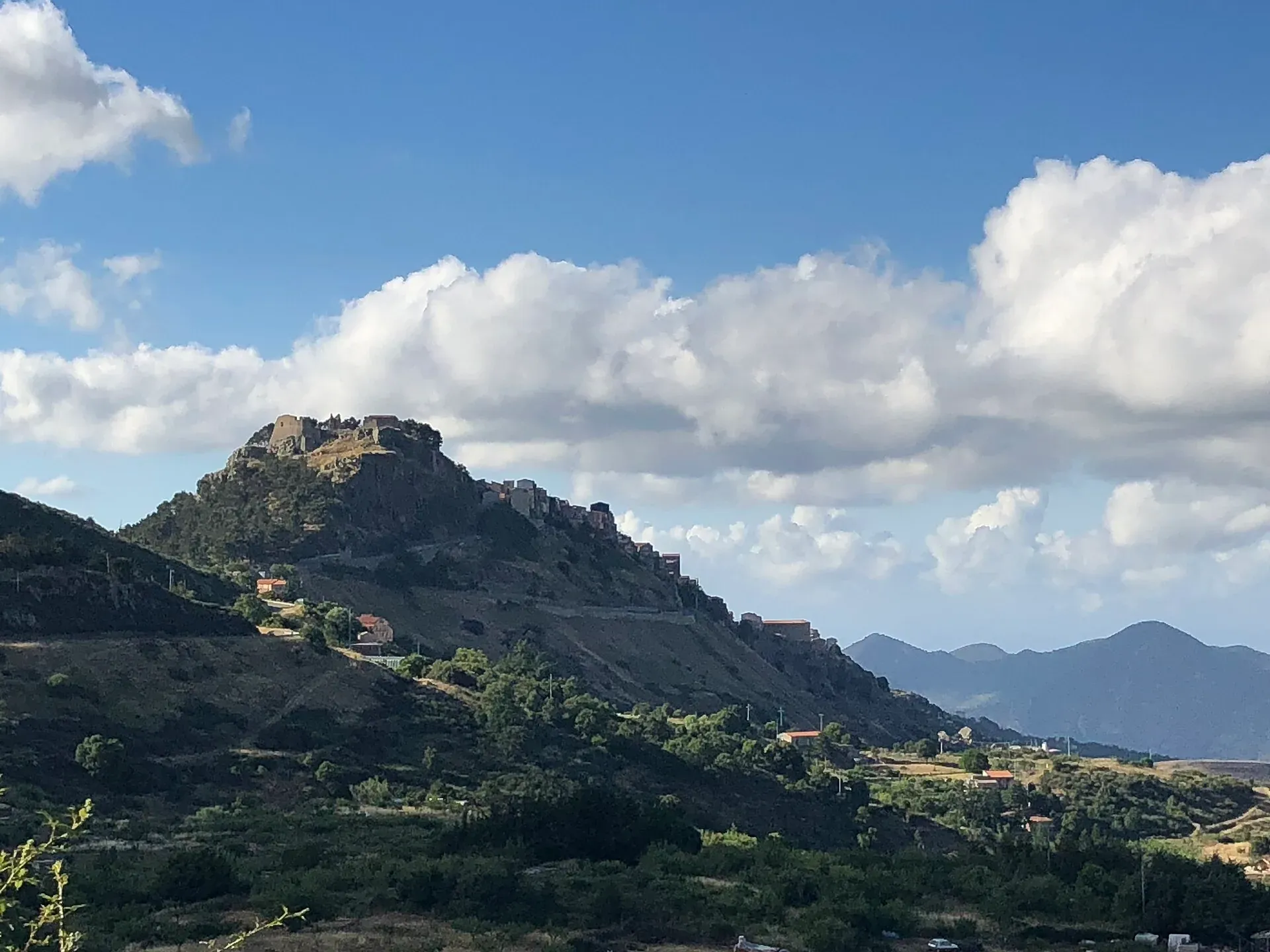
1,077 m a.s.l.
Geraci Siculo
The first capital of the Ventimiglia, above the Madonie woods
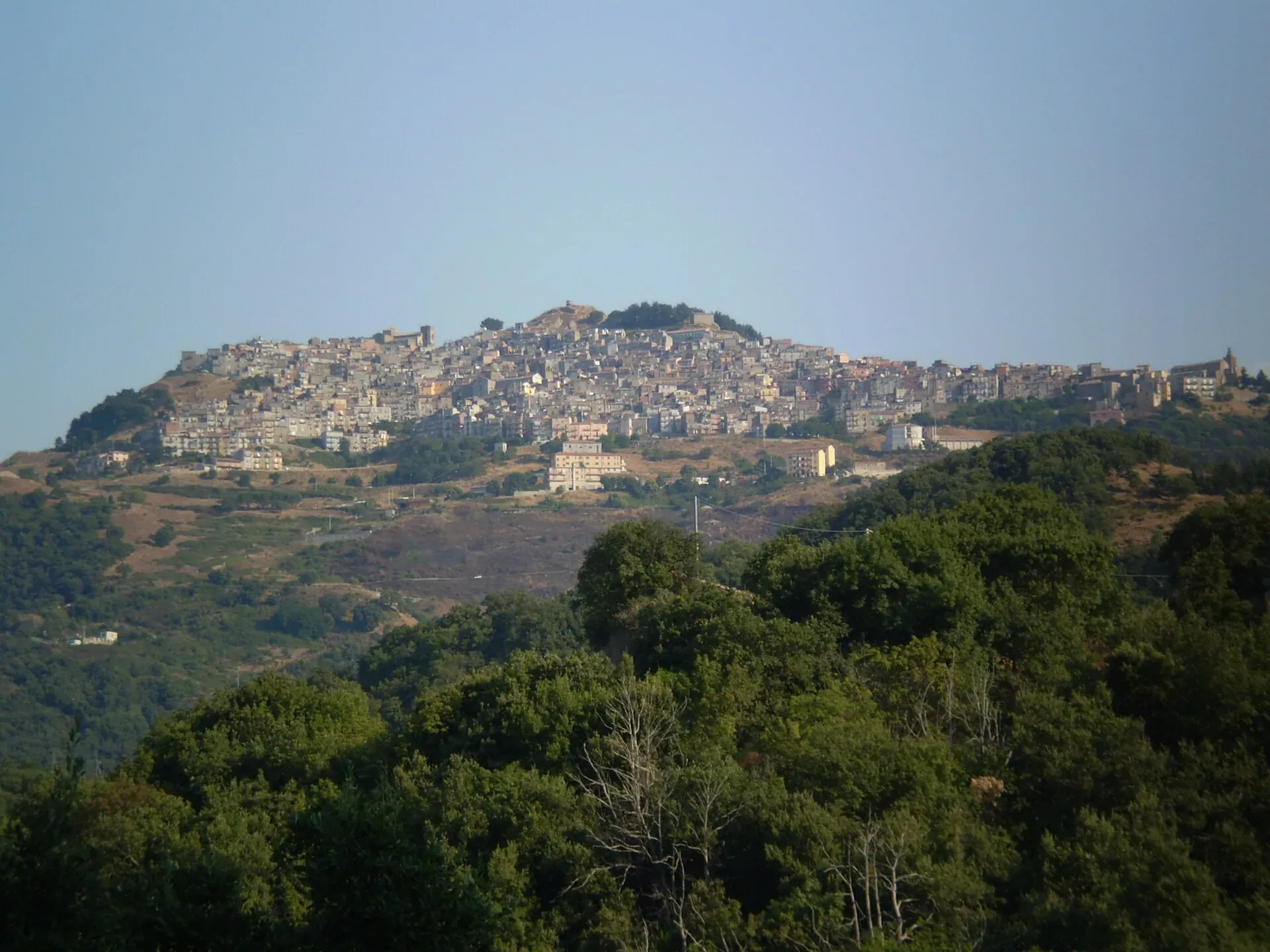
1,025 m a.s.l.
San Mauro Castelverde
The village at a thousand metres above the Gole di Tiberio
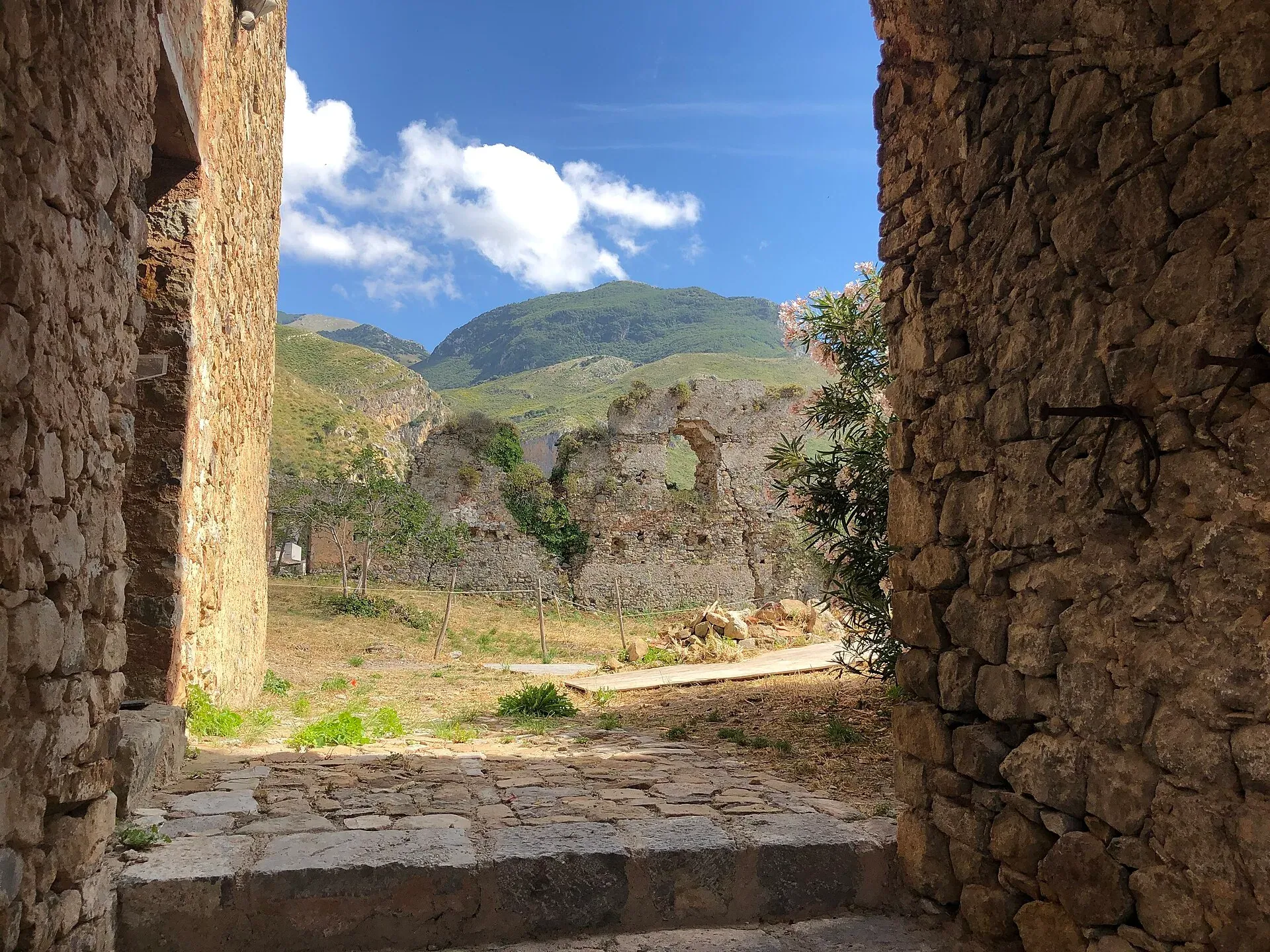
470 m a.s.l.
Collesano
Ceramics, a castle and the Targa Florio museum
680 m a.s.l.
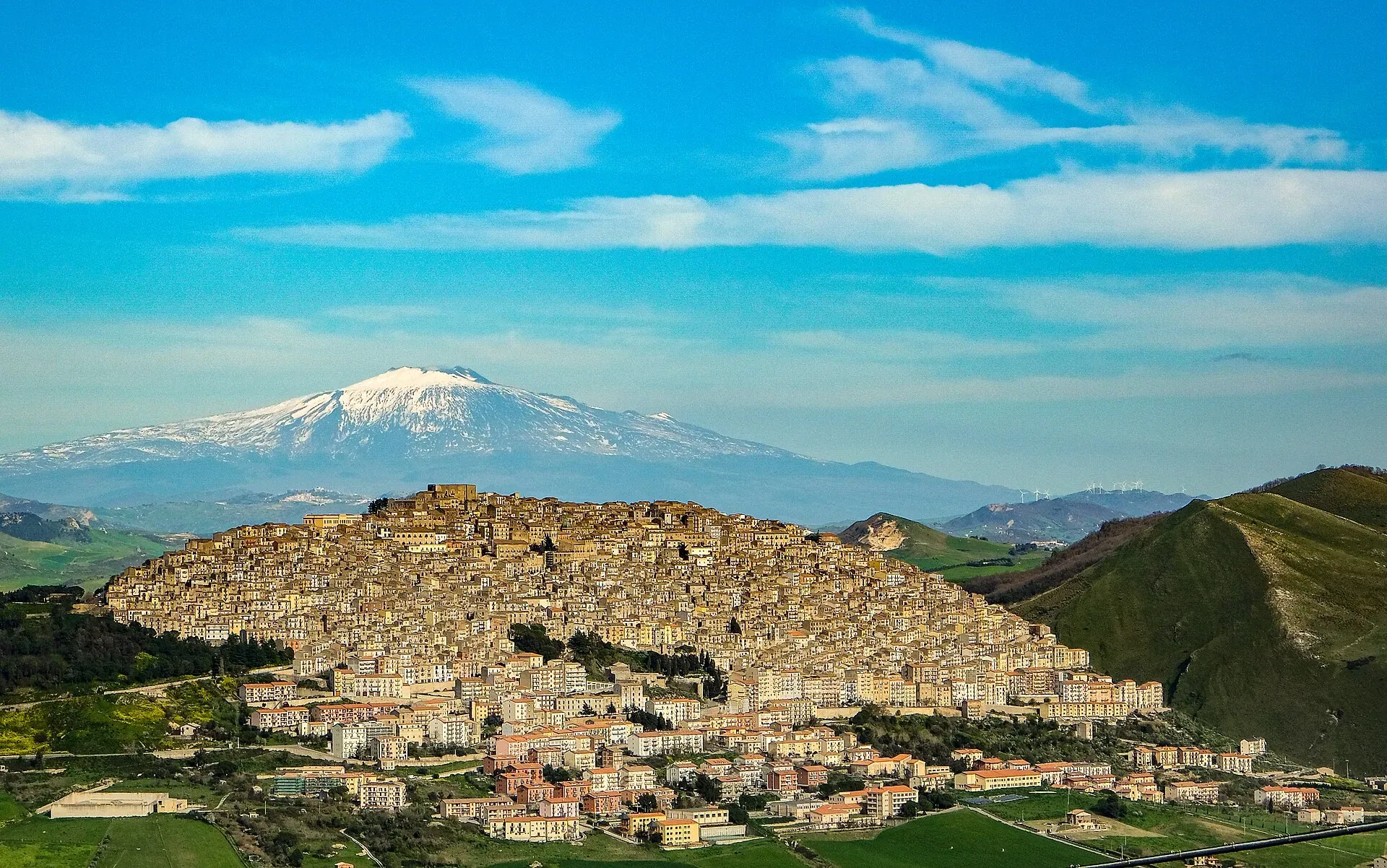
Gratteri
The terrace over the Tyrrhenian Sea above Cefalù
1,011 m a.s.l.
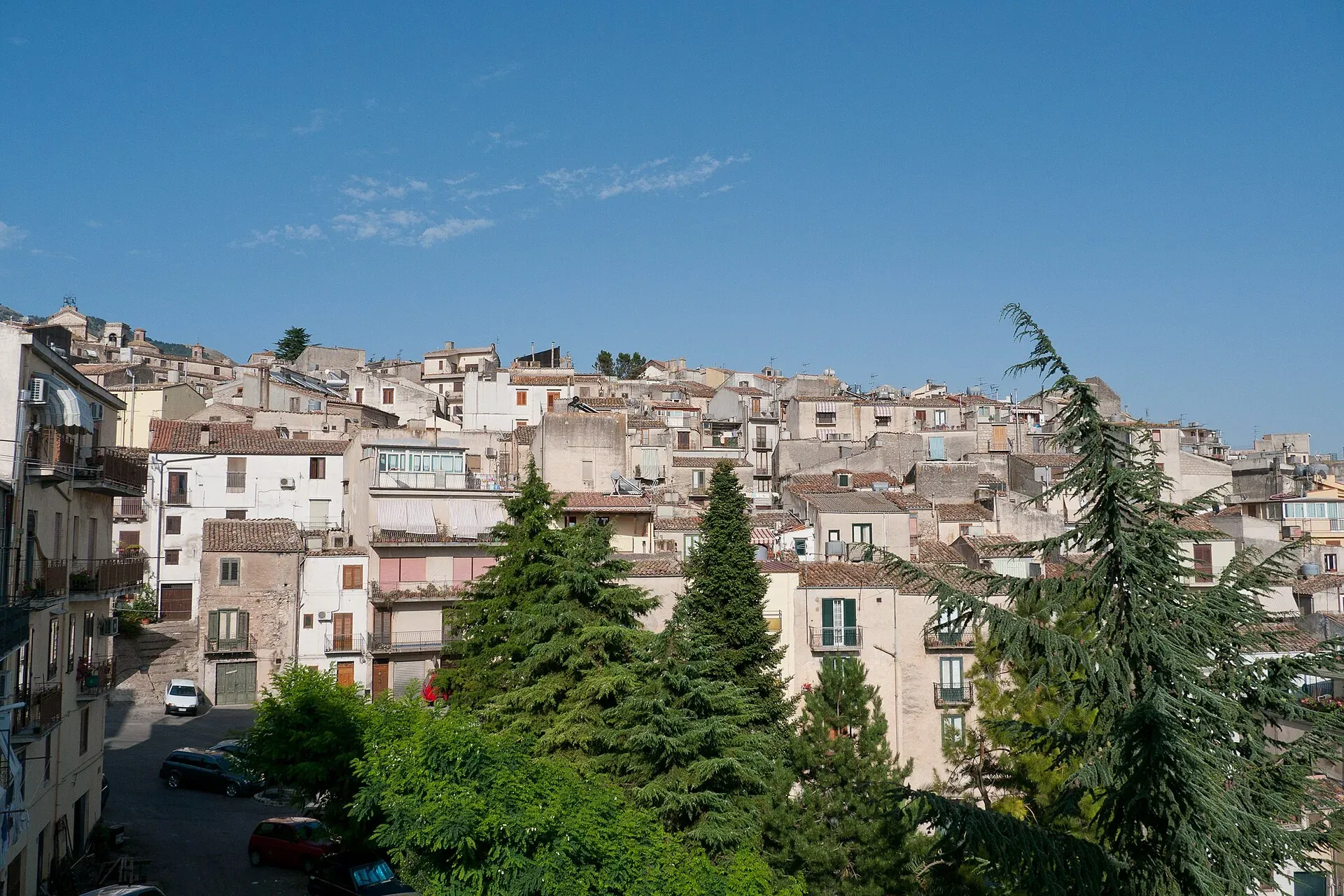
Gangi
Borgo dei Borghi 2014, all stone on Monte Marone
920 m a.s.l.
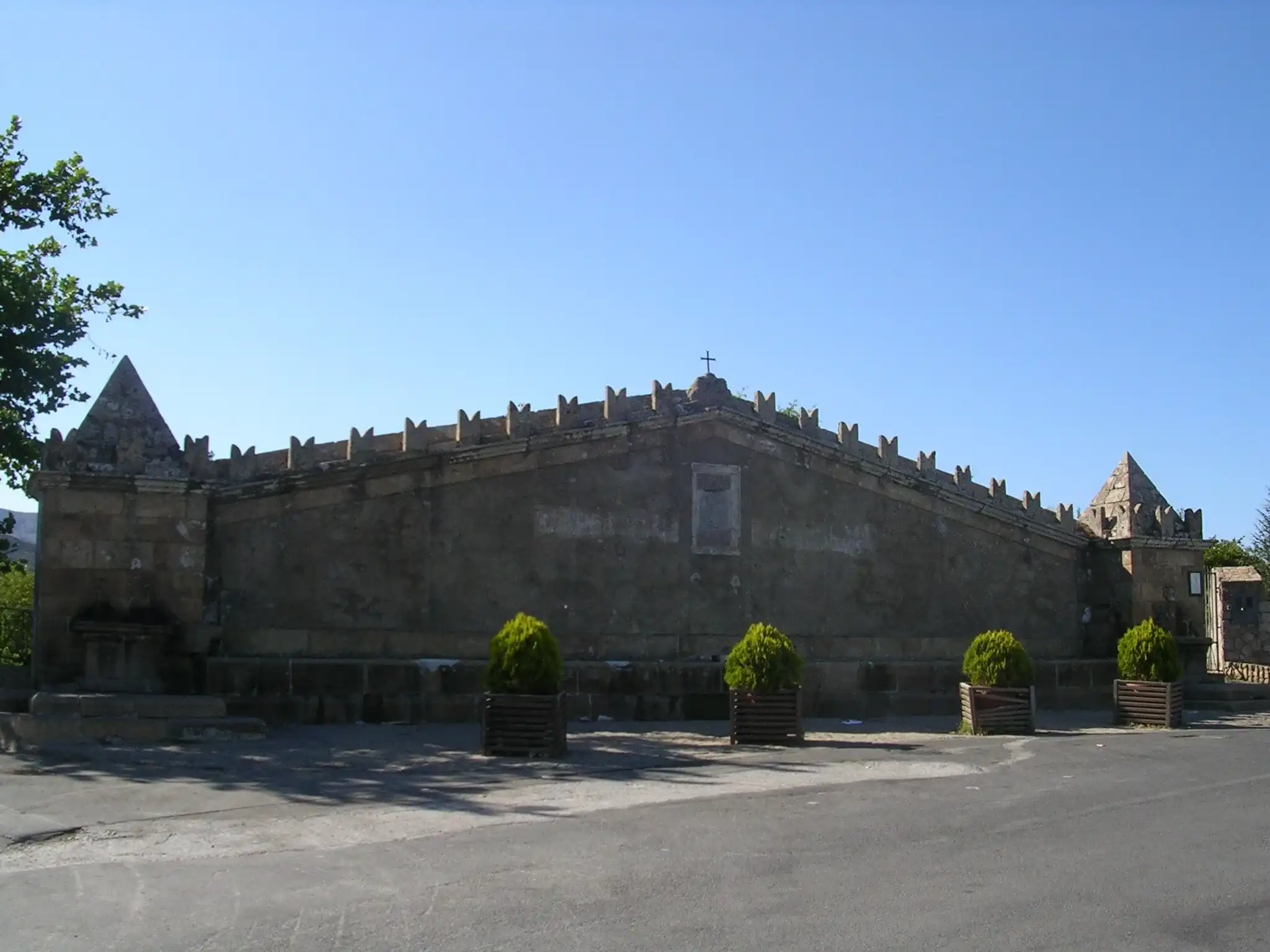
Polizzi Generosa
The town of the Abies nebrodensis, sfoglio and badda beans
See also
Food
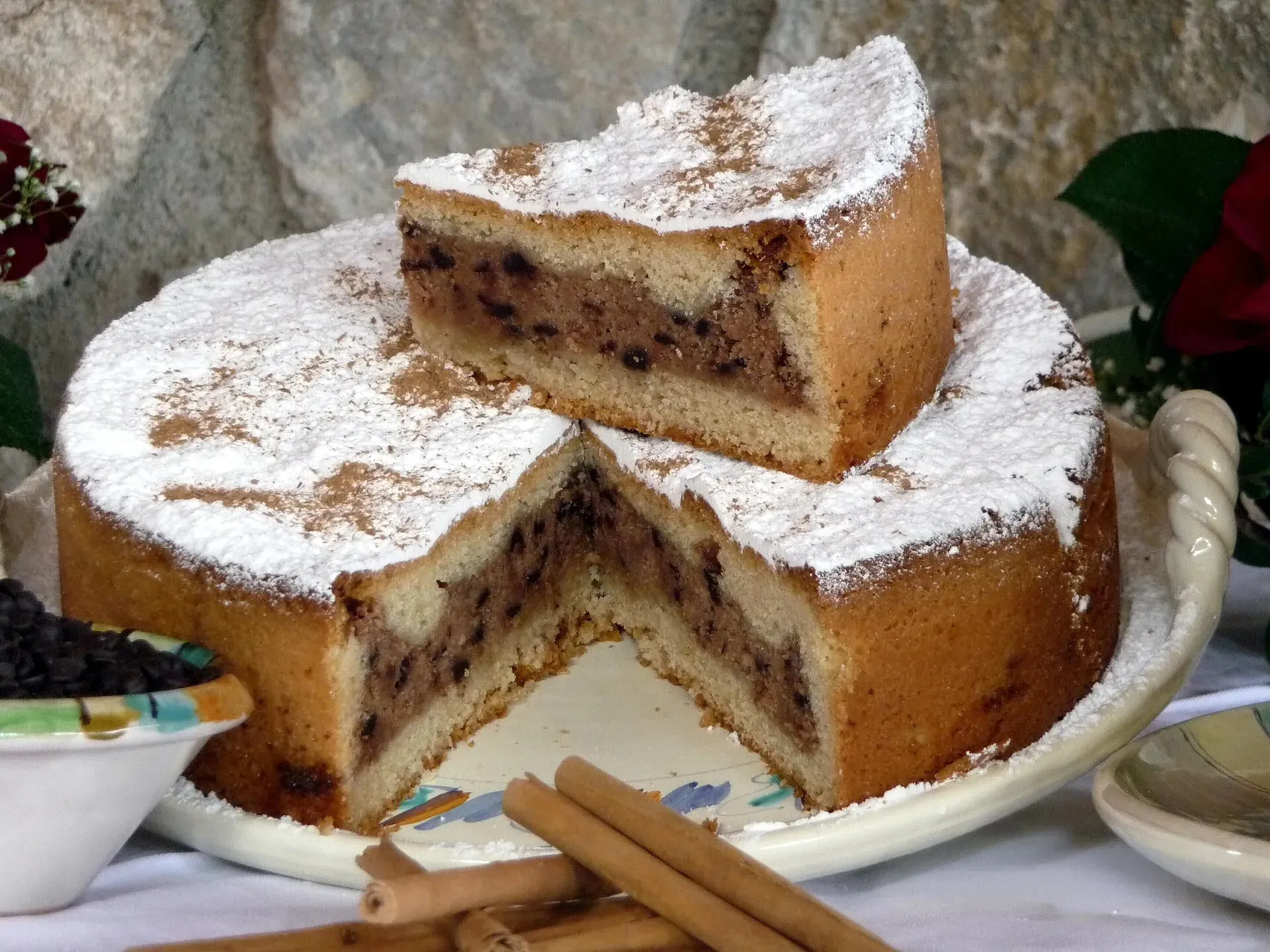
Madonie recipes: sfoglio of Polizzi, vastedda and more
Documented Madonie recipes step by step: Castelbuono's testa di turco, Polizzi's sfoglio, Gratteri's vastedda fritta and taralle, bread and broad beans.
Food
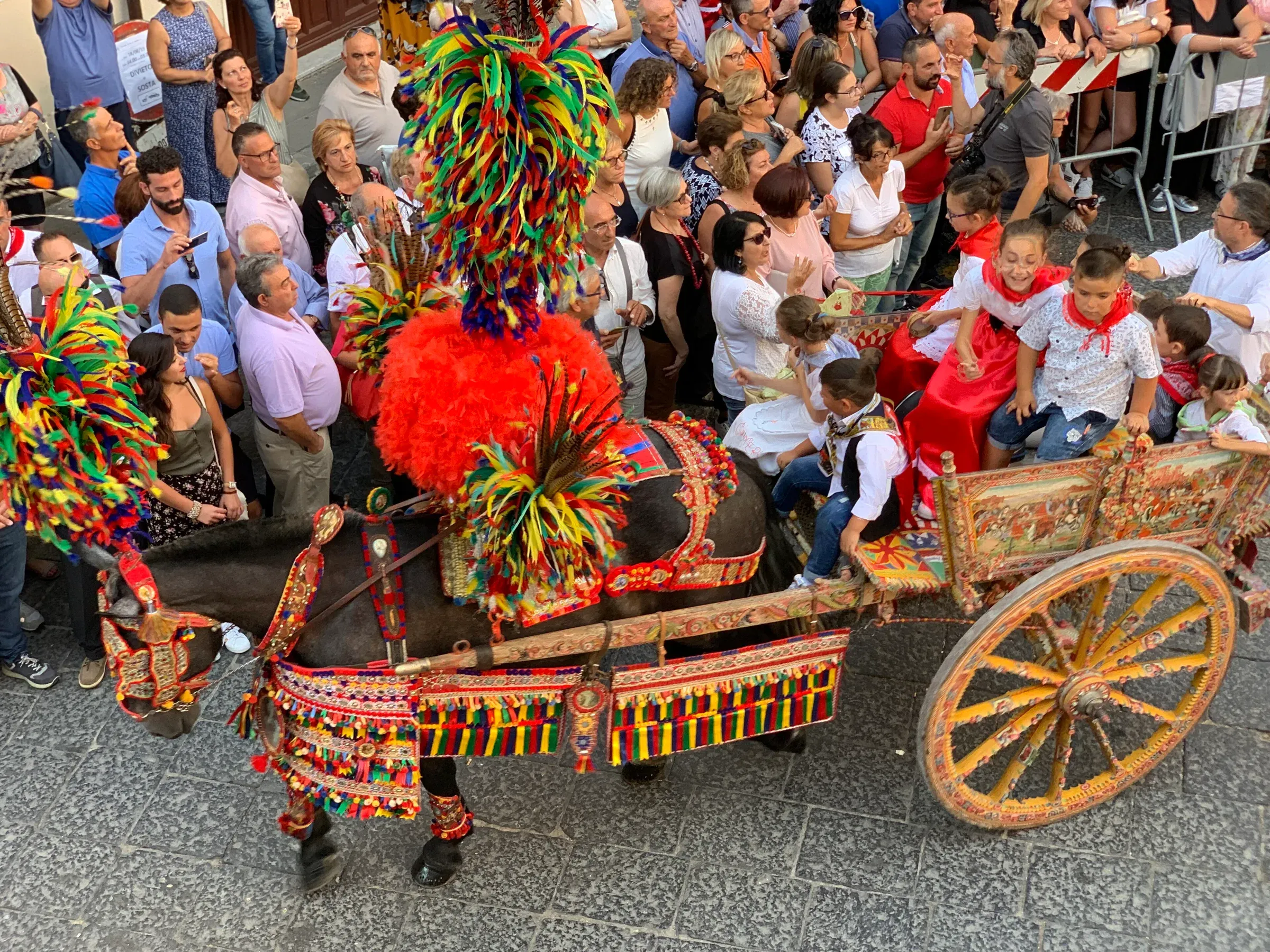
Madonie food festival calendar, season by season
Madonie food festival (sagre) calendar by season: usual periods, villages and what you eat, from Scillato oranges to Polizzi hazelnuts and mushrooms.
Food
What to eat in the Madonie: typical dishes and produce
What to eat in the Madonie and in which town: cheese, badda beans, mushrooms, manna and desserts, a seasonal food calendar and which type of place to choose.