Culture
History and culture
The history of the Madonie: prehistoric caves, Greeks and Romans, Arabs, Normans, the Ventimiglia county, the early modern age, the Park and depopulation.
The history of the Madonie begins in caves, with Neolithic and Copper Age settlements, and runs through the Greek and Roman towns of the coast and interior, Arab strongholds and Norman castles. From the 13th to the 17th century the area was divided into feudal counties, the most powerful being that of the Ventimiglia of Geraci and Castelbuono. The 20th century brought the Targa Florio, emigration and, in 1989, the Madonie Park.
At a glance
This table lists the key dates. Sources are given in each section below.
| Year | What happens |
|---|---|
| 4th-3rd millennium BC | the Grotta del Vecchiuzzo near Petralia Sottana is inhabited |
| late 5th century BC | Kephaloidion, today’s Cefalù, is a native town open to trade |
| 254 BC | Cefalù and Petra (Petralia) pass to Rome in the First Punic War |
| 858 | the Arabs conquer Cefalù |
| 881-882 | battle of Caltavuturo between Byzantines and Aghlabids |
| 938 | Halil subdues the strongholds of Caltavuturo, Collesano and Sclafani |
| 1062 | the Normans conquer Petralia |
| 1072 | Geraci becomes the capital of a Norman county |
| 1131 | Roger II founds Cefalù Cathedral |
| 1234 | Frederick II gives Polizzi the title Generosa |
| 1258 | the county of Geraci passes to the Ventimiglia |
| 1317 | Francesco I Ventimiglia founds the castle of Castelbuono |
| 1451 | Cefalù is bought back by its bishop |
| 1454 | the Ventimiglia move their residence to Castelbuono |
| 1693 | an earthquake makes Collesano castle unusable |
| 1788 | the people of Isnello buy back the lands of the county |
| 1906 | first Targa Florio |
| 1989 | the Madonie Park is created |
| 2015 | the Park becomes a UNESCO Global Geopark |
The first human traces in the Madonie are in caves, in the limestone that forms these mountains.
The best studied is the Grotta del Vecchiuzzo, near Petralia Sottana. Collisani and Carapezza first explored it in 1936 and excavated it from 1937: it was used as a dwelling and perhaps as a sanctuary, with the remains of at least fifteen people (Lauria and Messina, 2013). Today the Petralia finds are in the Museo Civico Antonio Collisani.
The Ente Parco also reports Copper Age finds in the caves around Isnello and settlements from the Neolithic onwards in the valley where Castelbuono stands.
On the coast, Kephaloidion, today’s Cefalù, was according to the Ente Parco a native town of the late 5th century BC that prospered through contact with the peoples who passed through Sicily. In 254 BC the Romans took it by a trick and made it a civitas decumana, a city bound to pay a tenth of its produce: it became Cephaloedium.
Inland was Petra, the origin of Petralia. In the same year, 254 BC, during the First Punic War, its people opened the gates to the Roman consuls and switched from Carthage to Rome. Petra also became a civitas decumana and a major grain producer (Ente Parco).
The name Geraci comes from the Greek ierax, vulture, and the Ente Parco dates a Greek settlement on the crag to around 550 BC. Above Caltavuturo, on Monte Riparato, excavations since 1975 have found a Hellenistic settlement with 3rd-century BC baths and the necropolises of Santa Venere and Pizzo Sant’Angelo; the finds are in the Museo Civico of Caltavuturo.
In Gangi, the Palazzo Sgadari museum shows finds from Monte Alburchia, where some scholars place Engyon, the city founded by Cretans mentioned in ancient sources: a question still open.
After Rome, Sicily passed to the Vandals, the Goths and the Eastern Empire. The Ente Parco attributes to the Byzantine period the castle ruins of Isnello and the origins of Polizzi, then called Baseapolis, city of the king.
The Arabs conquered Cefalù in 858 and called it Gafludi. Petralia became Batraliah, Isnello Menzil al Himar, fortified village (Ente Parco). The name Caltavuturo comes from Qal’at Abi Thawr, the castle of Abi Tur: according to the chronicles, in 881-882 a Byzantine army defeated an Aghlabid one led by Abu Thawr here. Another explanation of the name is “rock of the vulture”.
Collesano began as an Arab town on Monte d’Oro, the mountain west of the village, where traces of the old settlement remain (Ente Parco). In 938, according to the Cambridge Chronicle, the commander Halil subdued the strongholds of Caltavuturo, Collesano and Sclafani.
Count Roger’s Normans arrived in the 1060s. Petralia fell in 1062 and Roger fortified its castle, towers and bastions. In 1063 he took Cefalù. In 1072 Geraci became the capital of a county (Ente Parco).
The Madonie became a land of lordships. Countess Adelasia, Roger’s granddaughter, helped Polizzi grow, a town where Greeks, Arabs, Latins and Jews lived side by side, and built the castle of Collesano. King Roger II founded today’s Collesano between 1130 and 1140 and in 1131 began Cefalù Cathedral, along with the diocese.
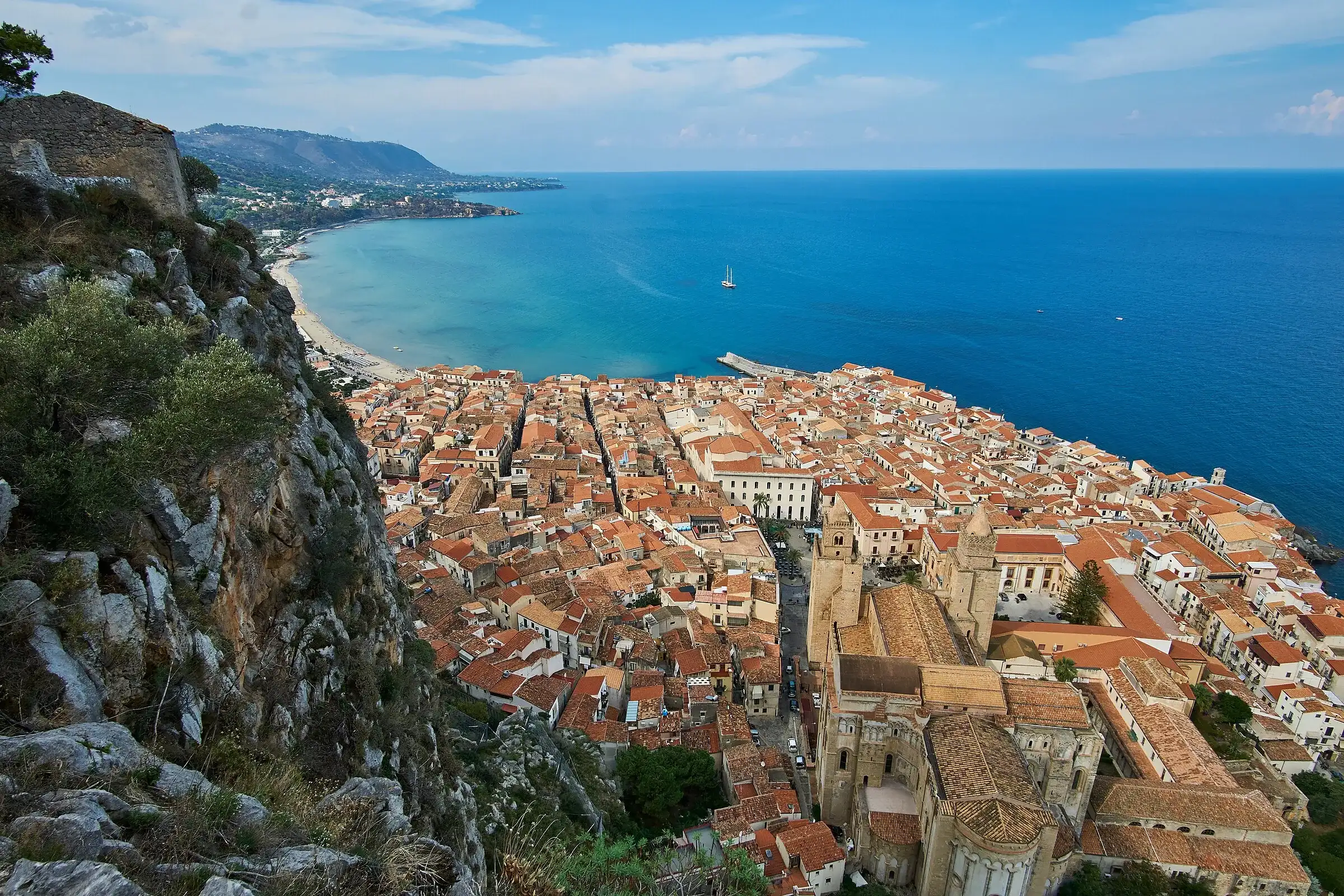
From the Normans come the cathedral, now a UNESCO site, and the castles rebuilt on the crags. You will find them in our guides to the Madonie churches and castles.
The Swabians brought a mark of favour: in 1234 Frederick II gave Polizzi the title Generosa. Polizzi almost always remained a royal town, belonging to the king rather than a feudal lord, and defended its independence (Ente Parco).
The rest of the land was divided into counties. The most important was Geraci, which in 1258 passed to Enrico Ventimiglia, of a Genoese family, through his marriage to Elisabetta Creon (Orazio Cancila; the Ente Parco gives 1252). The Ventimiglia ruled from Geraci, founded Castelbuono in 1317, became marquises in 1436, the first title of that rank in the Kingdom of Sicily, and in 1454 moved their court and the relics of Sant’Anna to Castelbuono.
The other lordships:
The history of the Ventimiglia family, castle by castle, is in our article on the Ventimiglia castles.
Between the 16th and 18th centuries the Madonie filled with churches, convents and works of art: the age of the Gagini marbles, the paintings of lo Zoppo di Gangi and the crucifixes of Frate Umile da Petralia.
Polizzi Generosa had its richest period in the Renaissance, as the junction of two royal drovers’ roads, the “Messina Montagne” and the “Montagna-Marine”. The plague at the end of the 16th century halved its population (Ente Parco). Collesano grew under the Cardona and Moncada and developed the ceramics it is still known for today.
New villages were founded too. Castellana Sicula formed in the 17th century with farmers from nearby villages on the fertile plain; the Duke of Ferrandina obtained from Philip V of Spain the right to found new settlements (Ente Parco). Scillato grew around the mills on its springs: thirteen, built between 1156 and 1800, and it only became an independent municipality in 1961.
The earthquake of 1693 made the castle of Collesano unusable. In 1742 trade consulates of France, Denmark, Sweden and Norway opened in Cefalù, and the town became a stop on the Grand Tour. In 1788 the people of Isnello bought back the lands of the county and freed themselves from the barons.
In the 19th century the state confiscated church property: in Caltavuturo, for example, the friars left the convent of San Francesco in 1886 (Ente Parco). Today that convent houses the Museo Civico.
In 1906 Vincenzo Florio brought the Targa Florio to the roads of the Madonie, a speed race until 1977. The story of the race is in our Targa Florio guide.
The 20th century was also the century of emigration. We have not found reliable village-by-village data on historical emigration, so we give no figures. We do have recent data: according to an analysis by Il Sole 24 Ore based on Istat data, between 2002 and 2021 only three of the 21 municipalities in the Madonie area grew (Cefalù, Campofelice di Roccella and Lascari) and the overall decline was more than 23.5 per cent, over 11,000 inhabitants. The same article notes that those who leave mostly go north, looking for work after graduating.
The Madonie Park was provided for by regional law 98 of 1981 and established on 9 November 1989. It covers 39,679 hectares between the Imera and Pollina rivers, in fifteen municipalities: Caltavuturo, Castelbuono, Castellana Sicula, Cefalù, Collesano, Geraci Siculo, Gratteri, Isnello, Petralia Soprana, Petralia Sottana, Polizzi Generosa, Pollina, San Mauro Castelverde, Scillato and Sclafani Bagni.
Since 2001 it has been part of the European Geoparks Network and since 17 November 2015 it has been a UNESCO Global Geopark (Ente Parco delle Madonie, 2025 report). The park’s nature is covered in the Nature section.
Many Madonie names have a story, and a few legends:
The villages one by one are in the Villages section; the other history and culture guides are in the History and culture section.
Updated on 19 October 2026
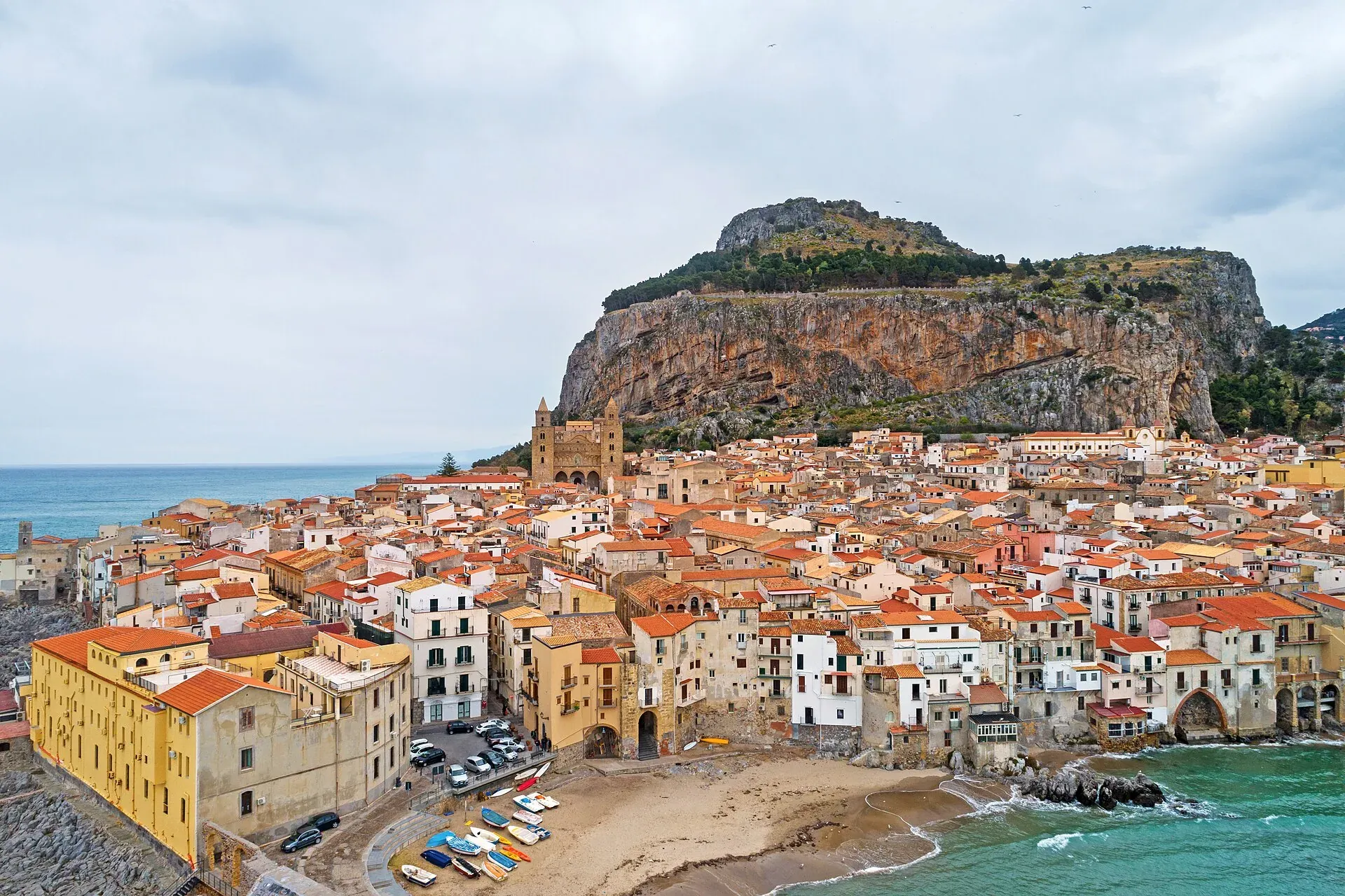
16 m a.s.l.
The Norman cathedral, the Rocca and the sea at the foot of the Madonie
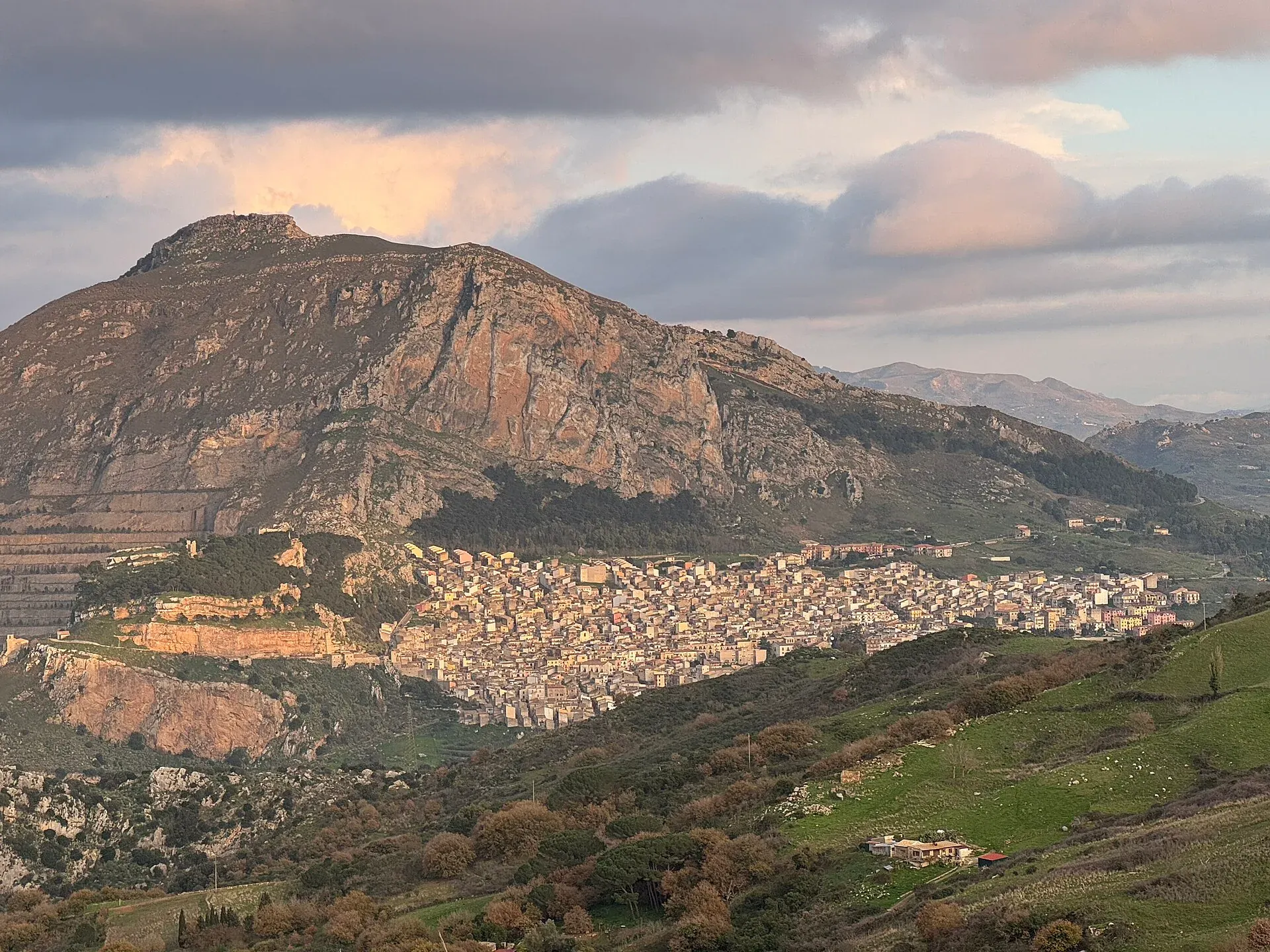
631 m a.s.l.
The village below the Rocca di Sciara
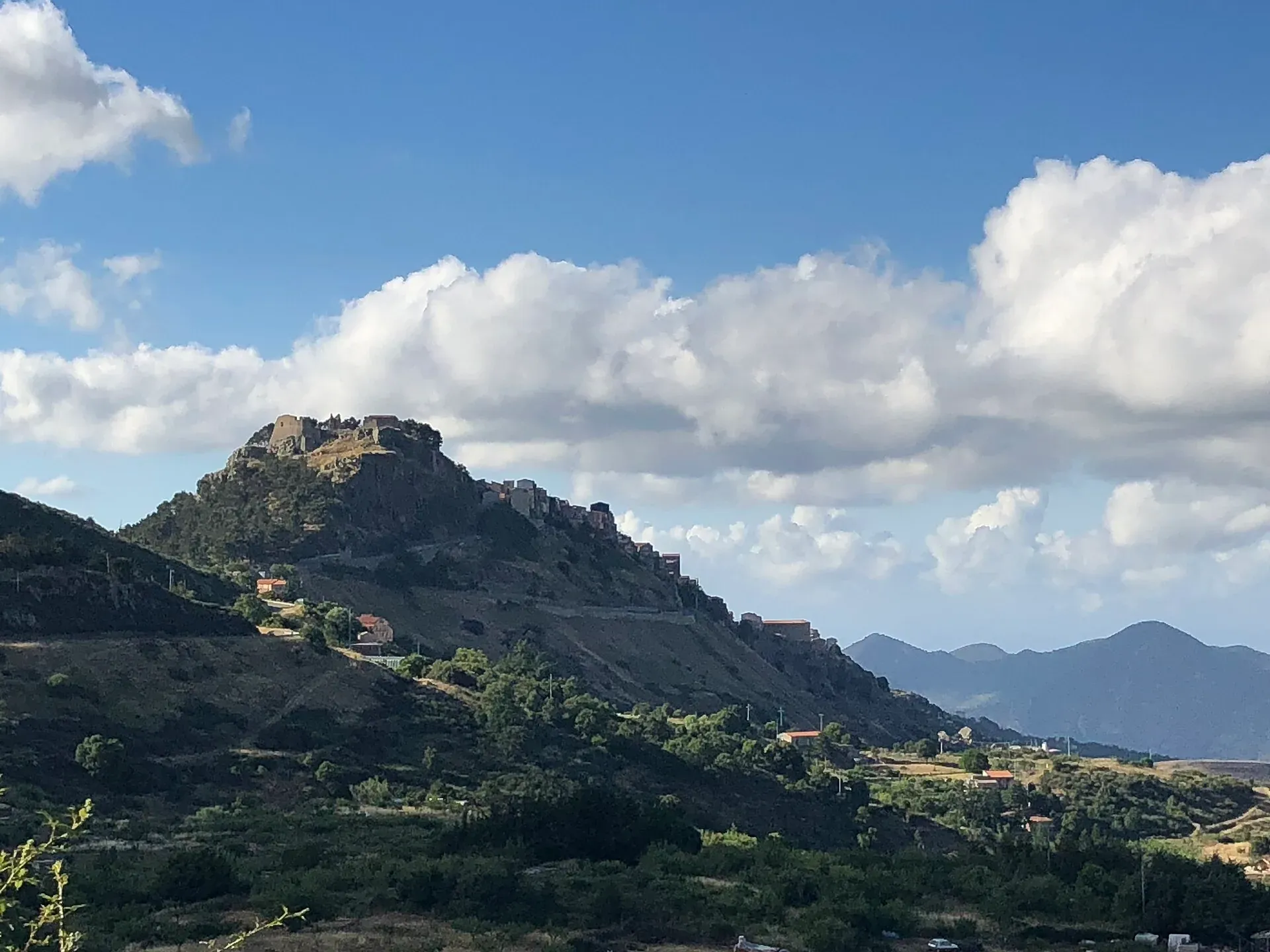
1,077 m a.s.l.
The first capital of the Ventimiglia, above the Madonie woods
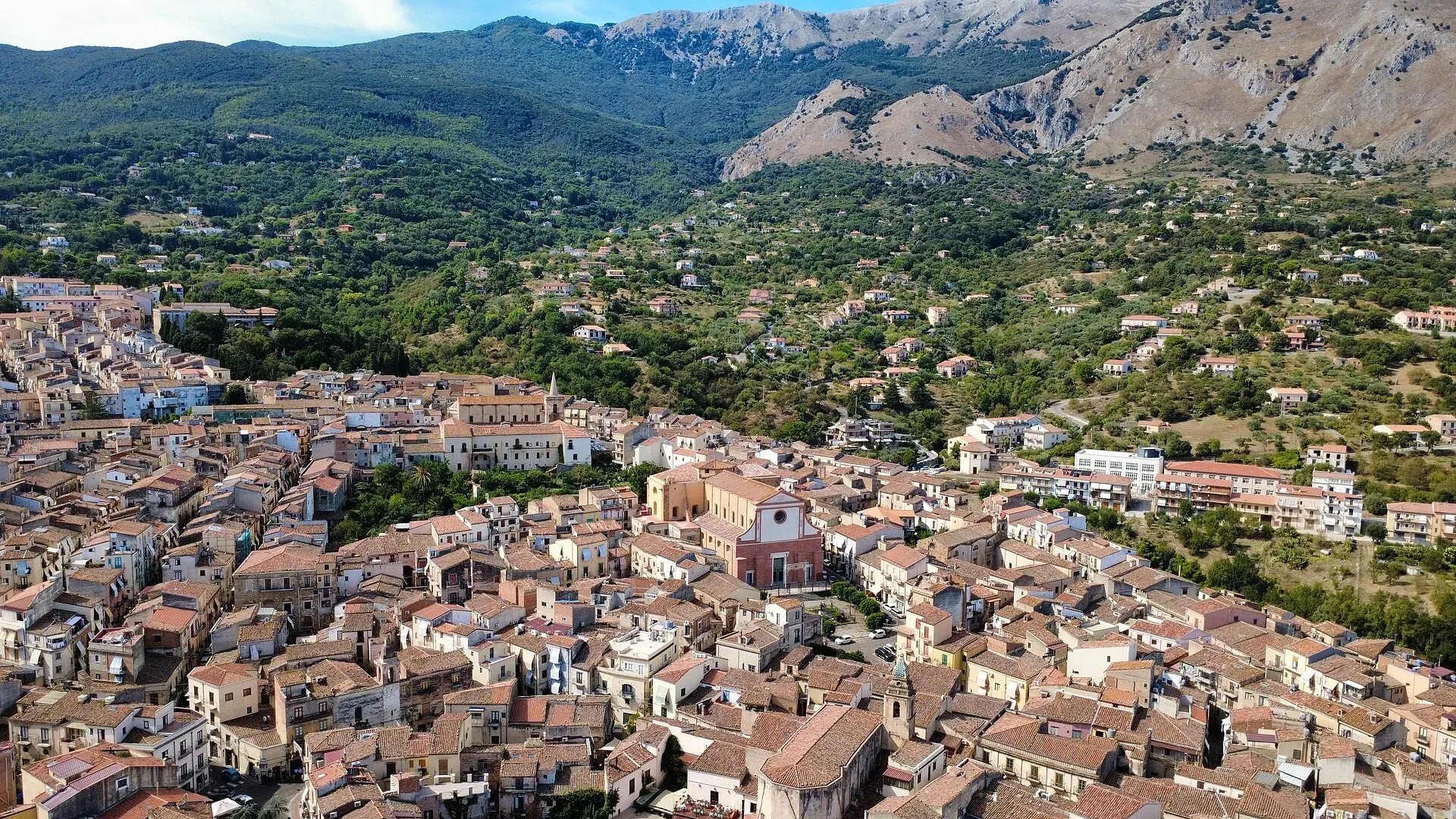
423 m a.s.l.
The town of the Ventimiglia castle, manna and testa di turco
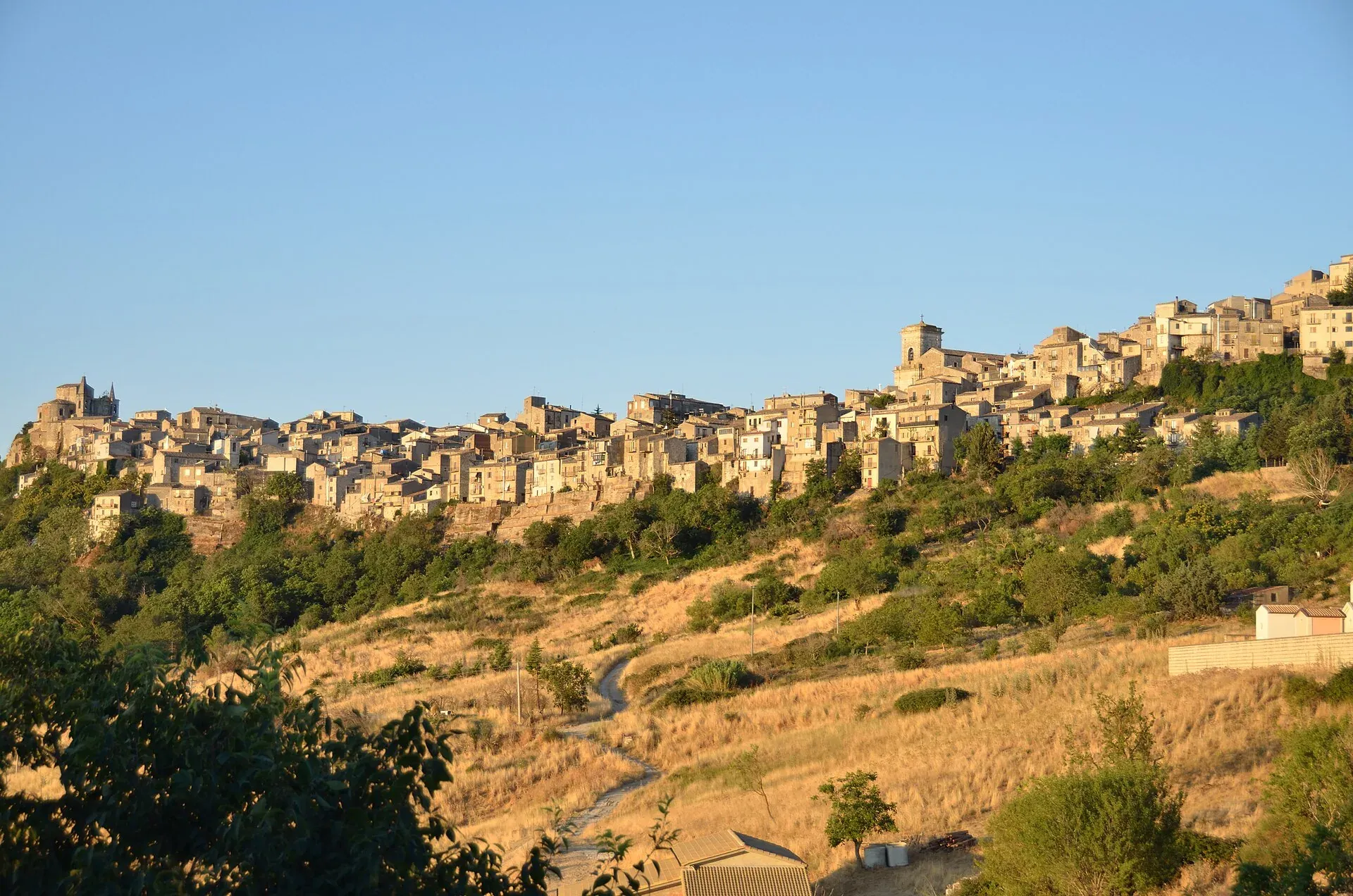
1,147 m a.s.l.
The highest town in the Madonie, Borgo dei Borghi 2018
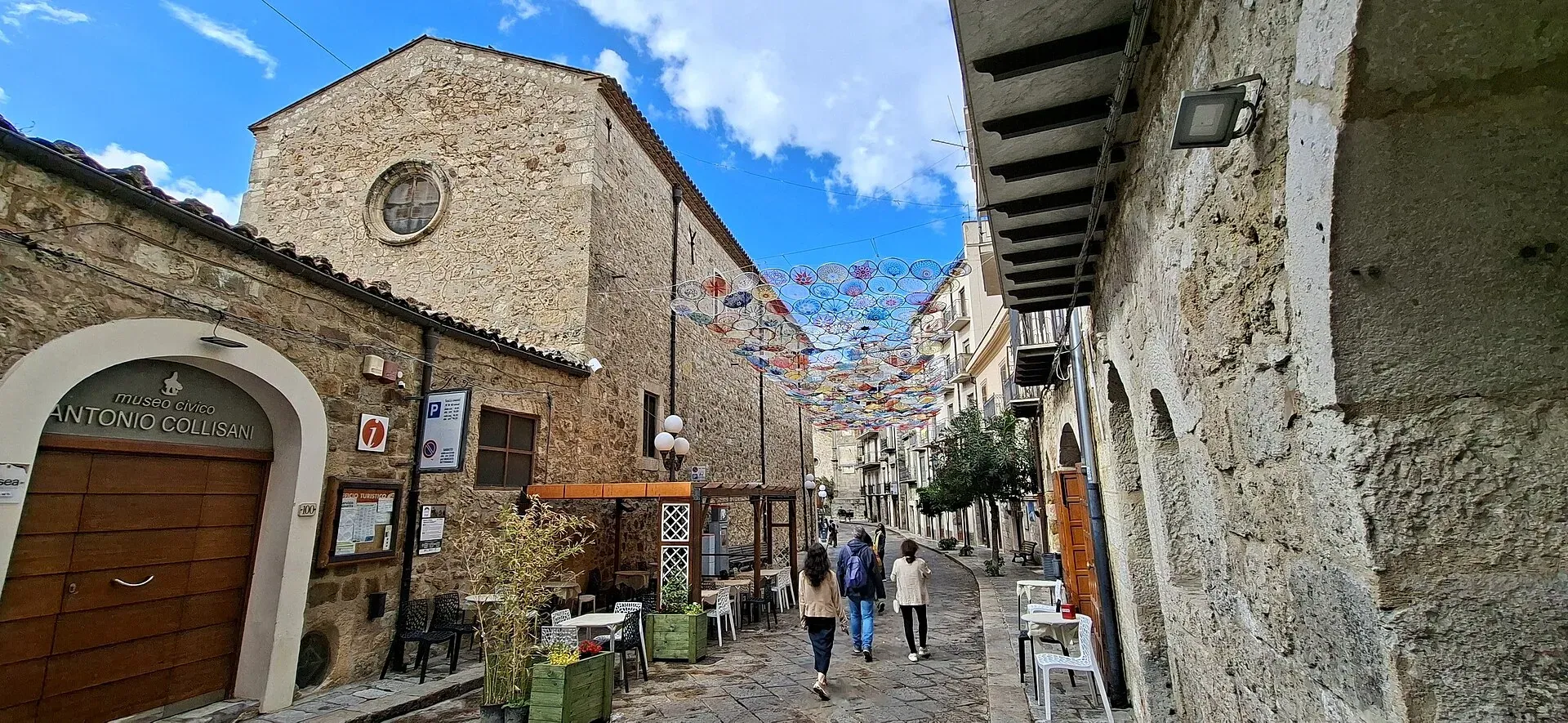
1,039 m a.s.l.
Home of the Madonie Park, at the foot of Piano Battaglia
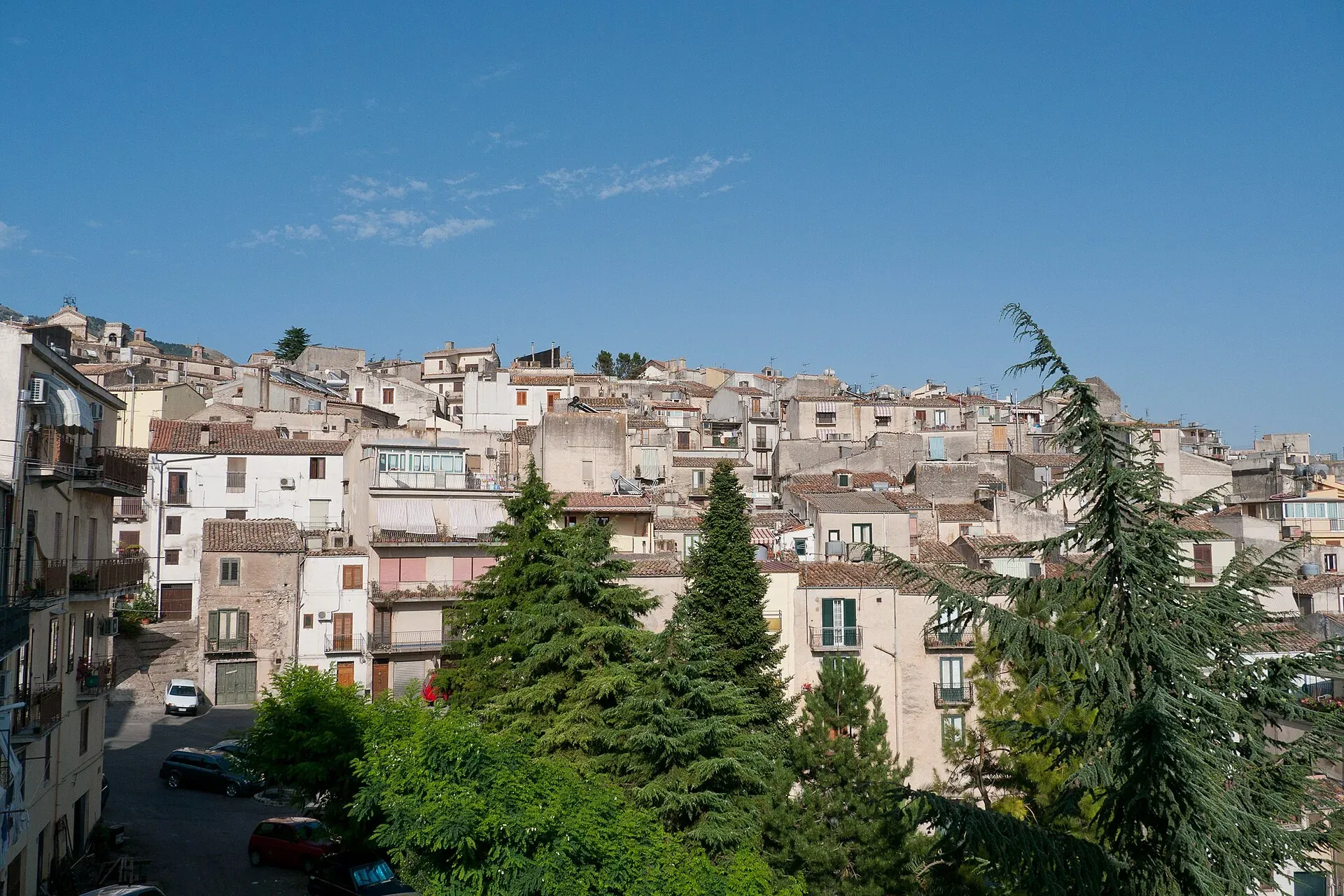
920 m a.s.l.
The town of the Abies nebrodensis, sfoglio and badda beans
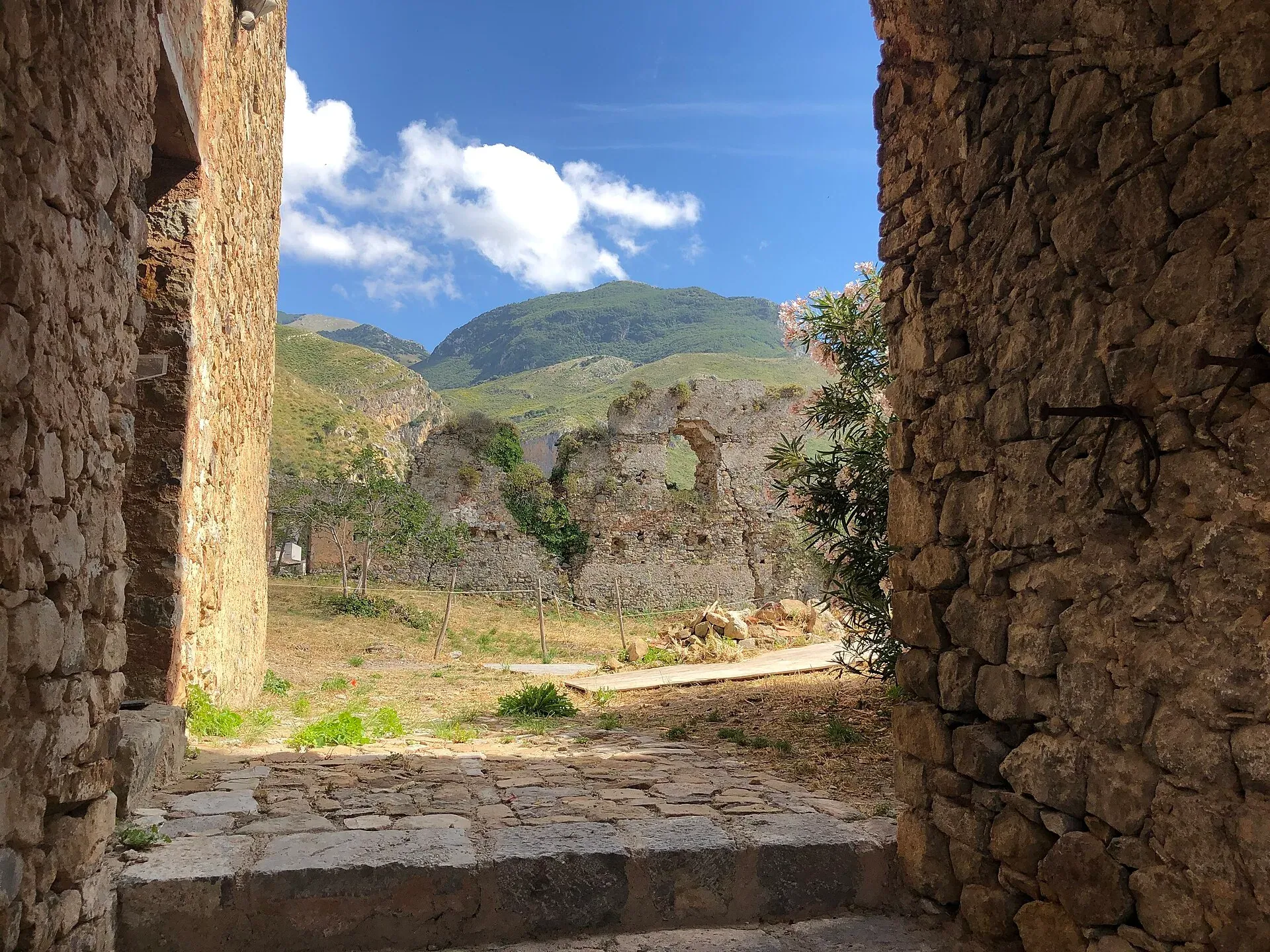
470 m a.s.l.
Ceramics, a castle and the Targa Florio museum
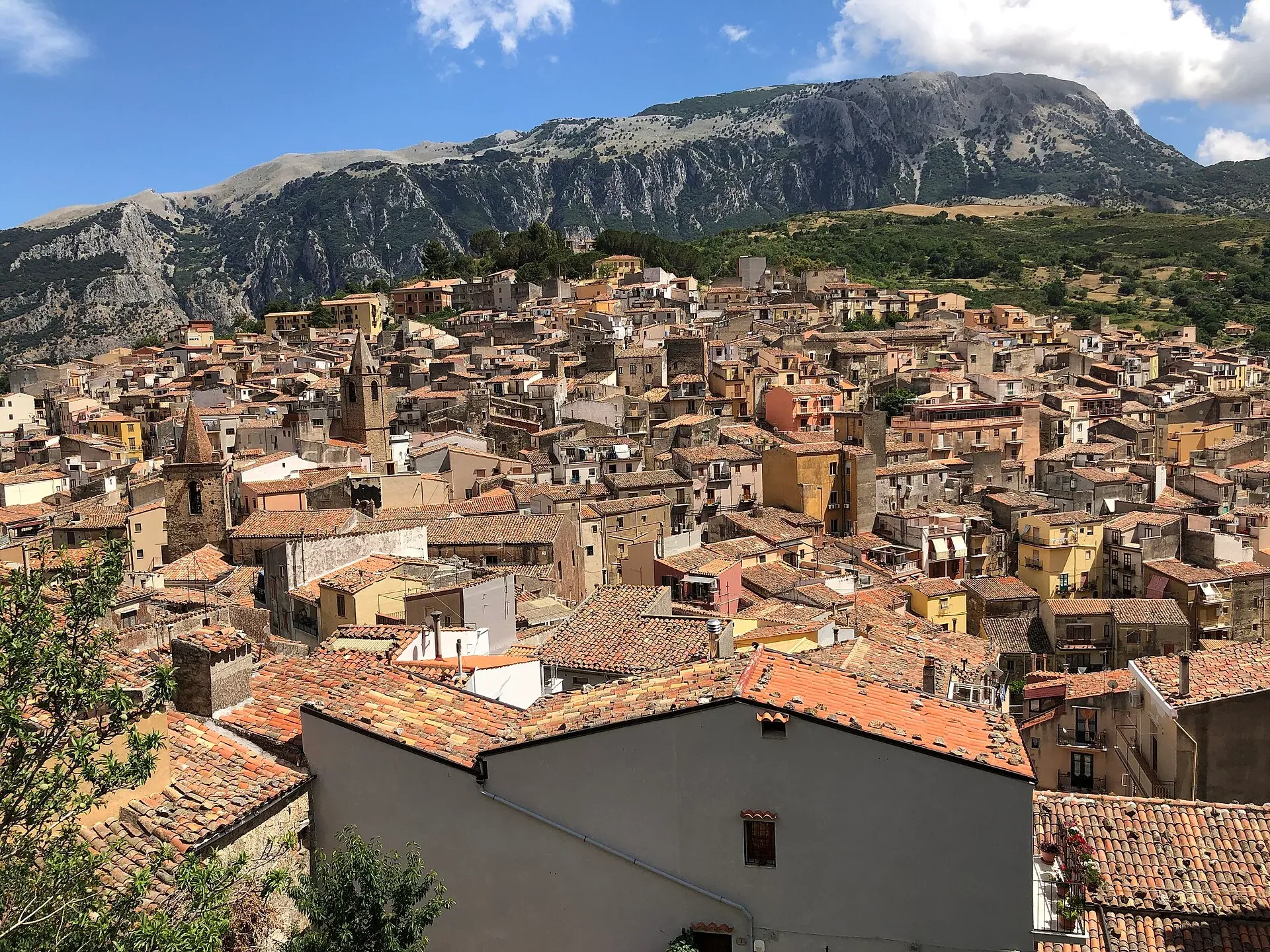
583 m a.s.l.
The town of the stars, beneath the Madonie cliffs
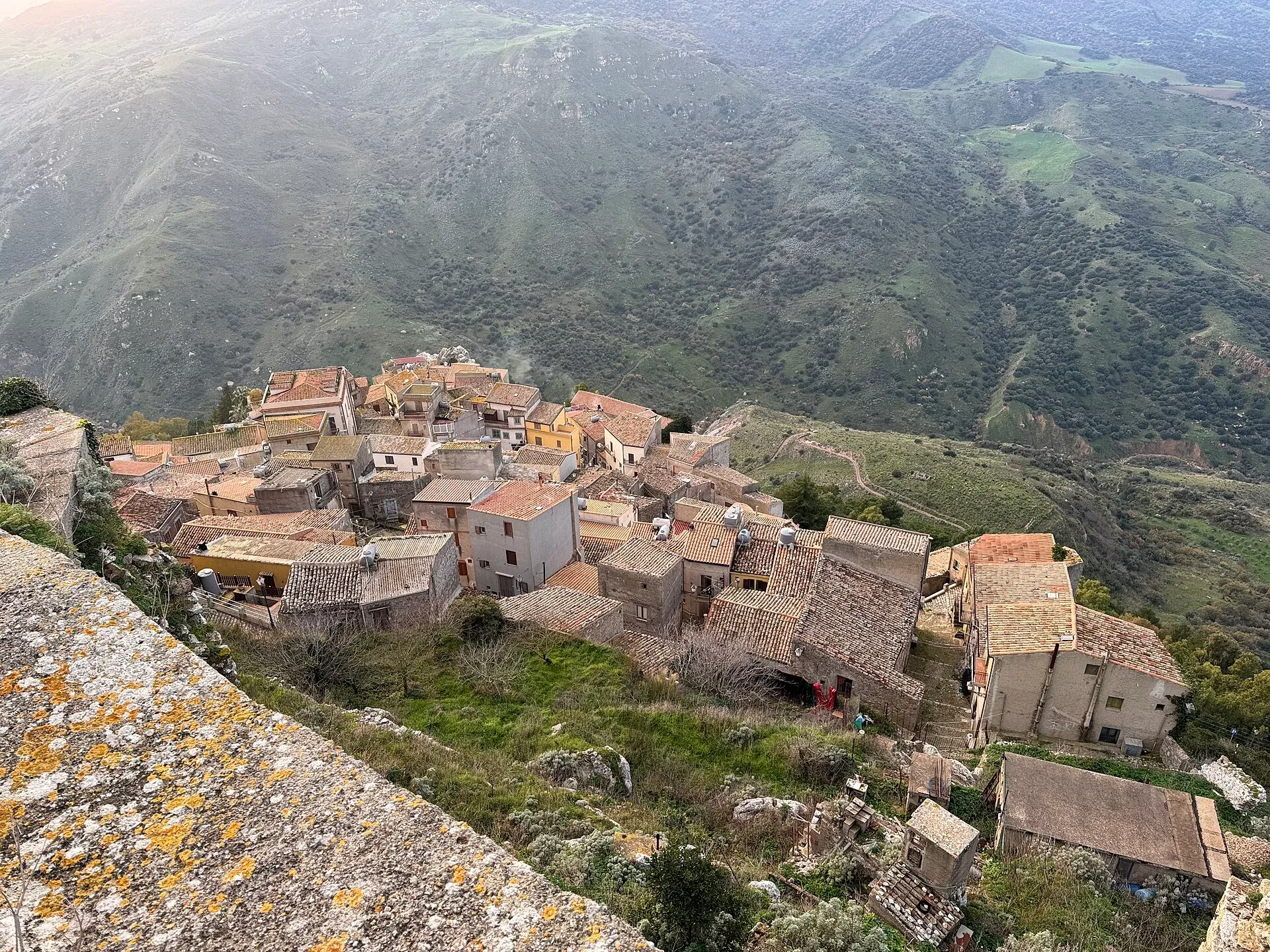
755 m a.s.l.
The walled village on the rock and its hot spring
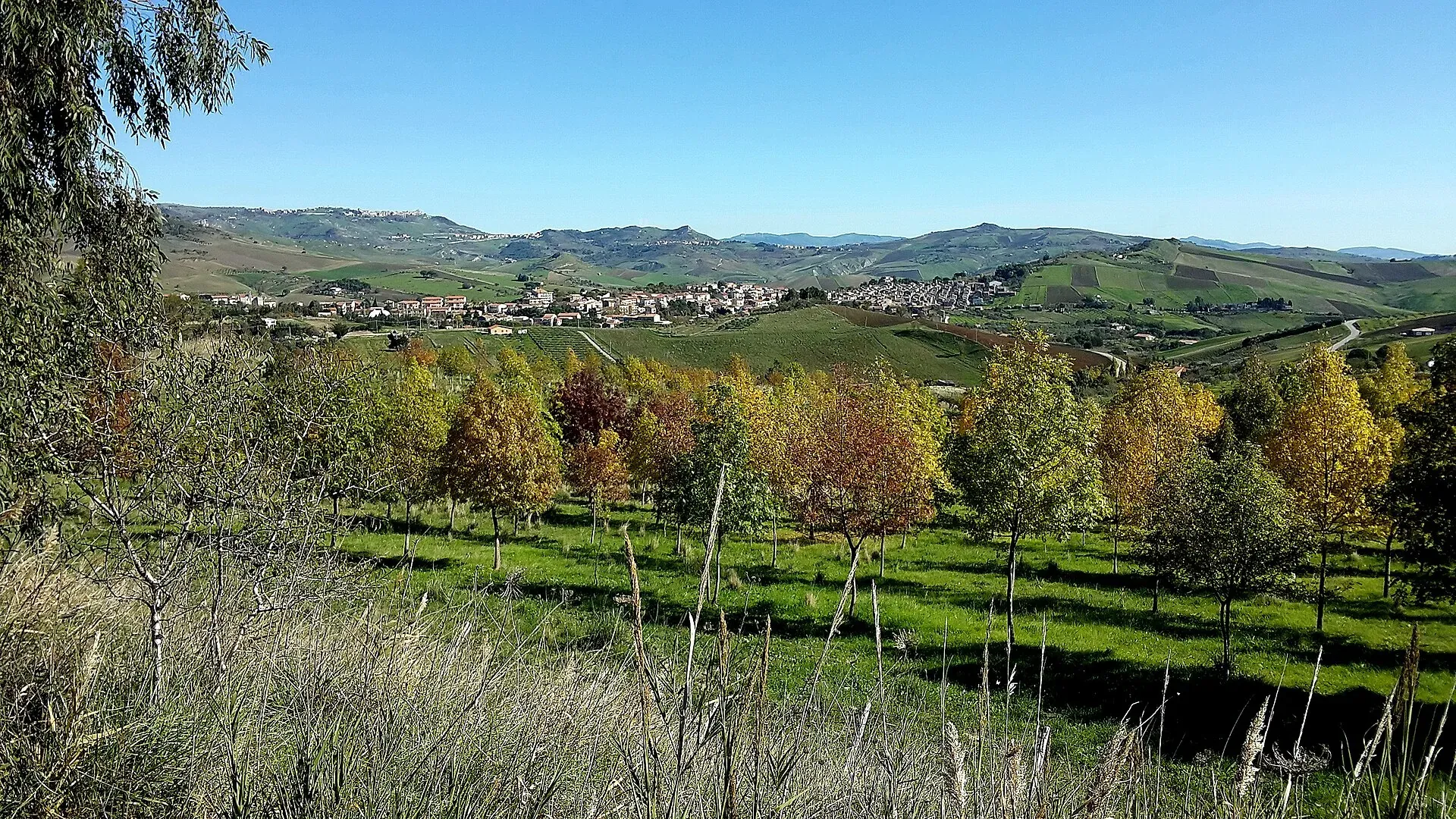
774 m a.s.l.
The village of hamlets and murals
239 m a.s.l.
Springs, water mills and oranges
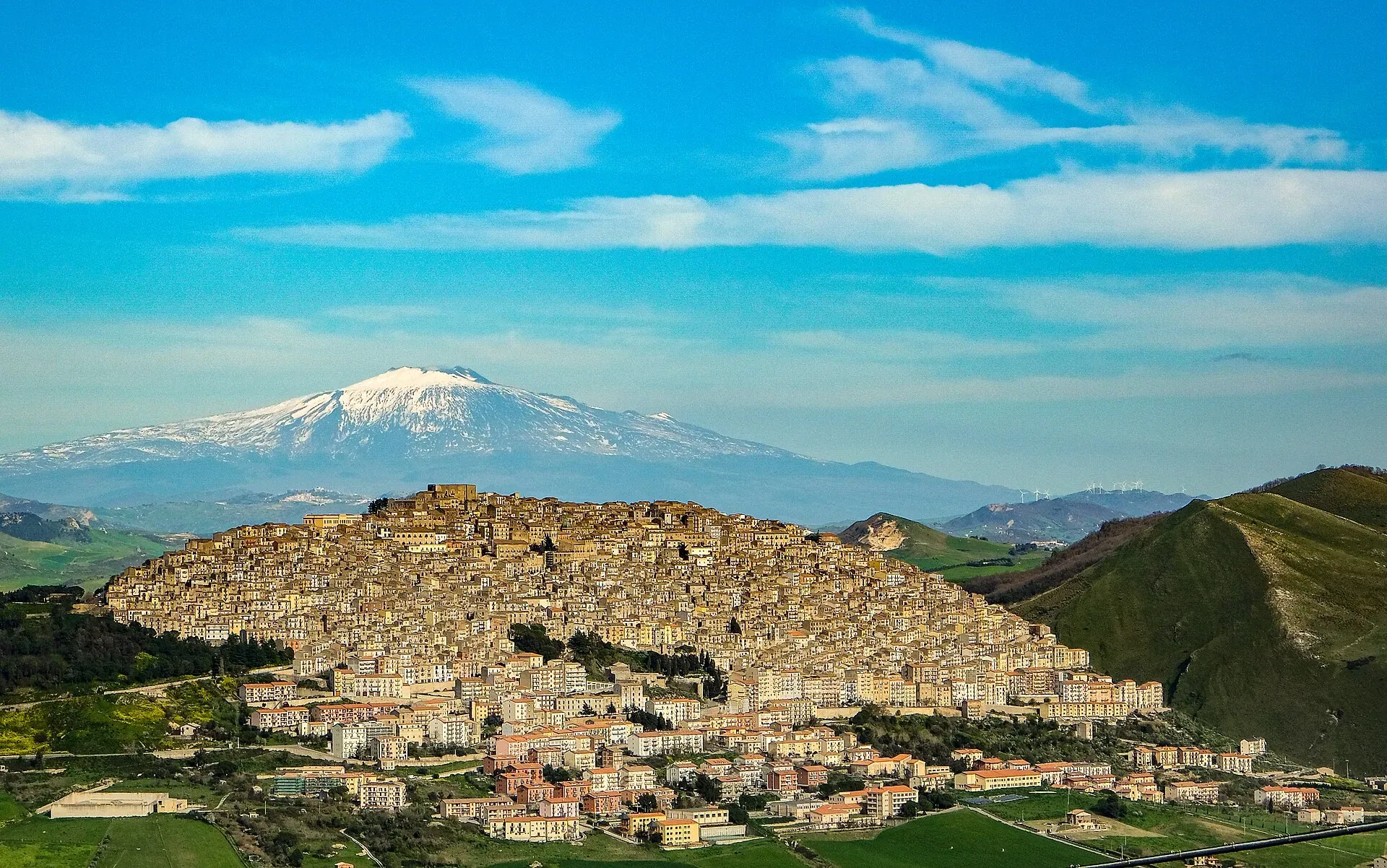
1,011 m a.s.l.
Borgo dei Borghi 2014, all stone on Monte Marone
Culture
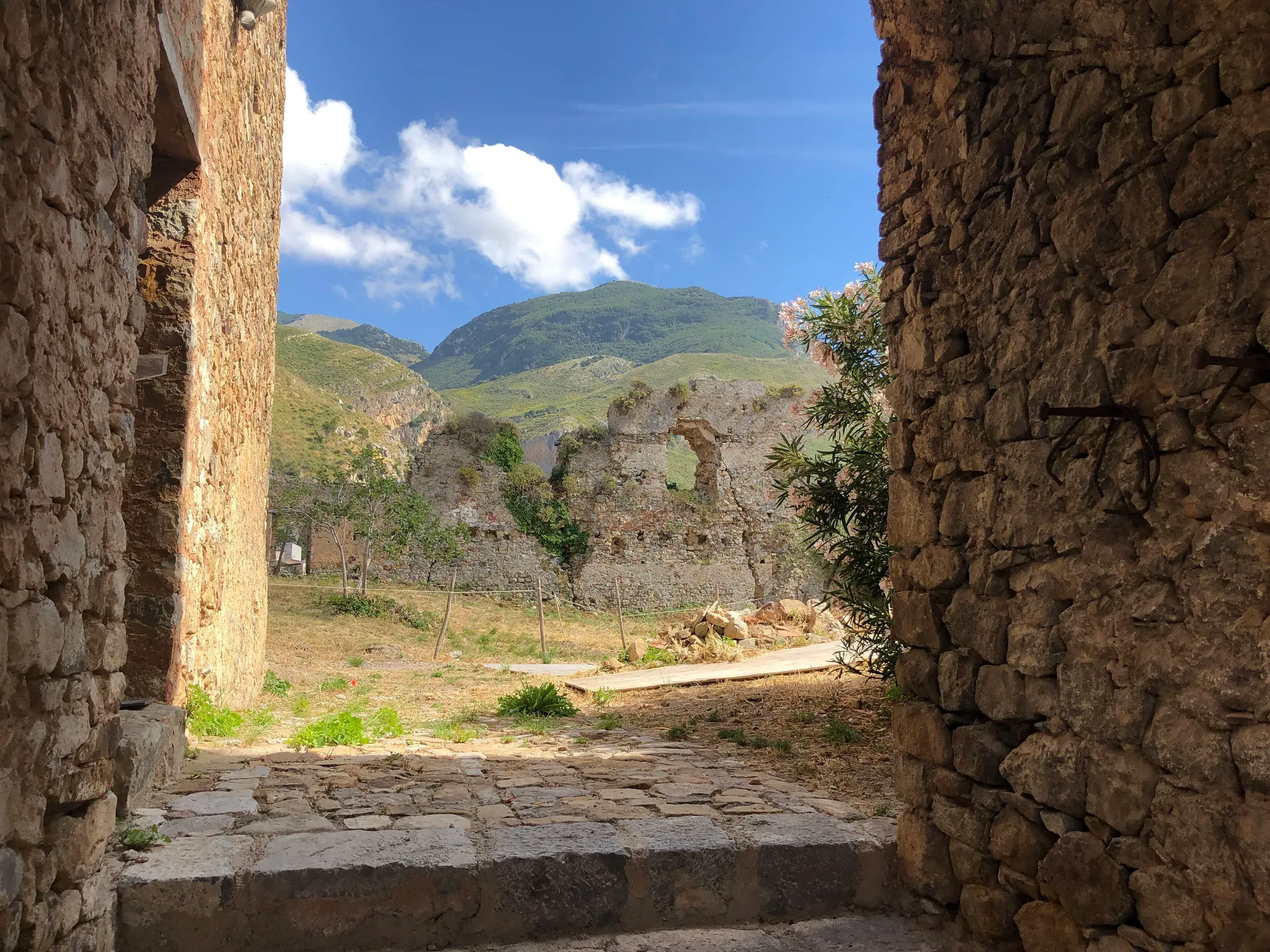
The castles of the Madonie town by town: Castelbuono with its museum, the ruins of Geraci, Collesano, Caltavuturo, Isnello, Pollina and the Rocca di Cefalù.
Culture
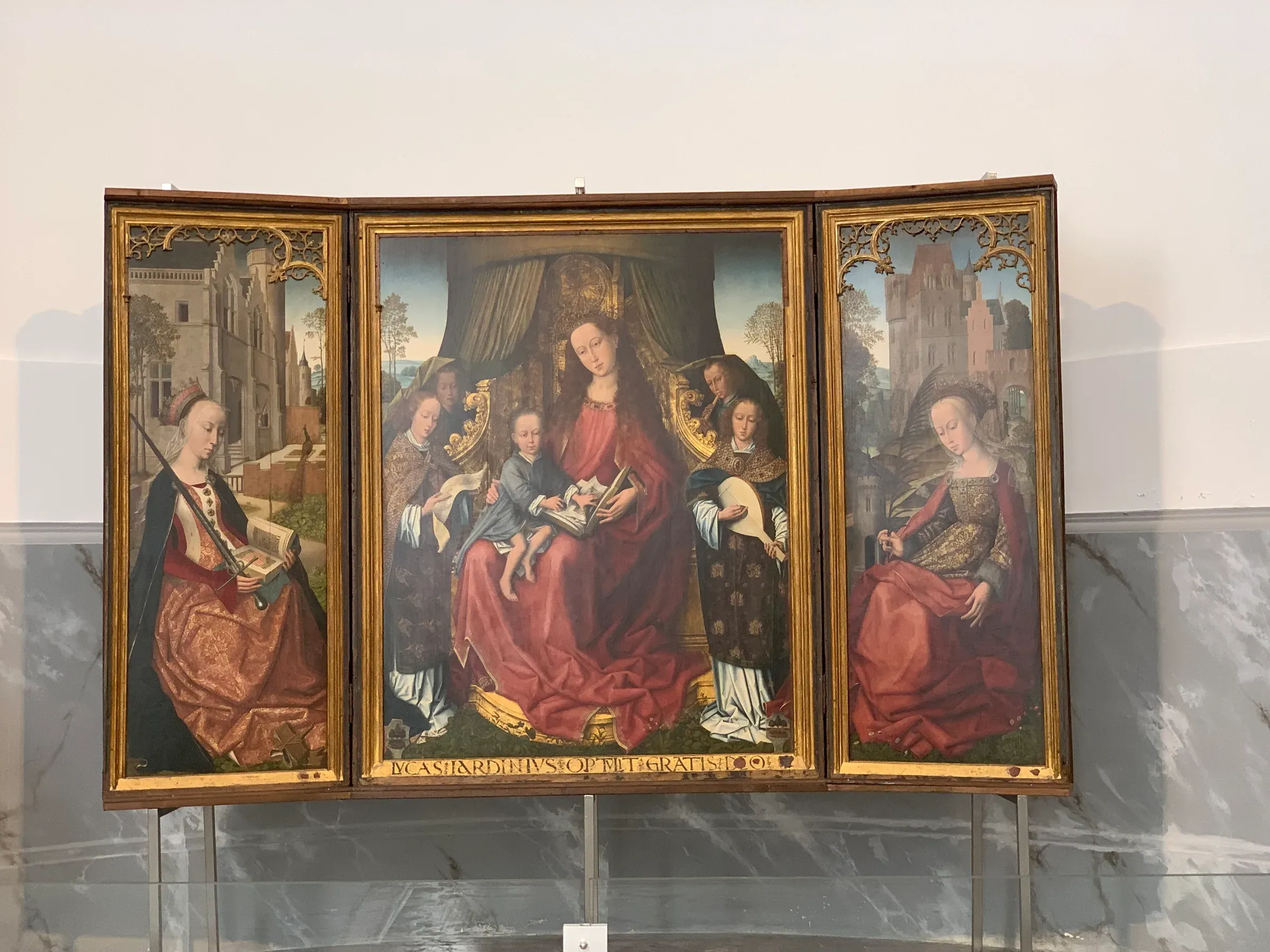
Churches to see in the Madonie: Cefalù's Norman cathedral, mother churches with Gagini marbles, the Last Judgement of Gangi, the Polizzi triptych, Gibilmanna.
Culture
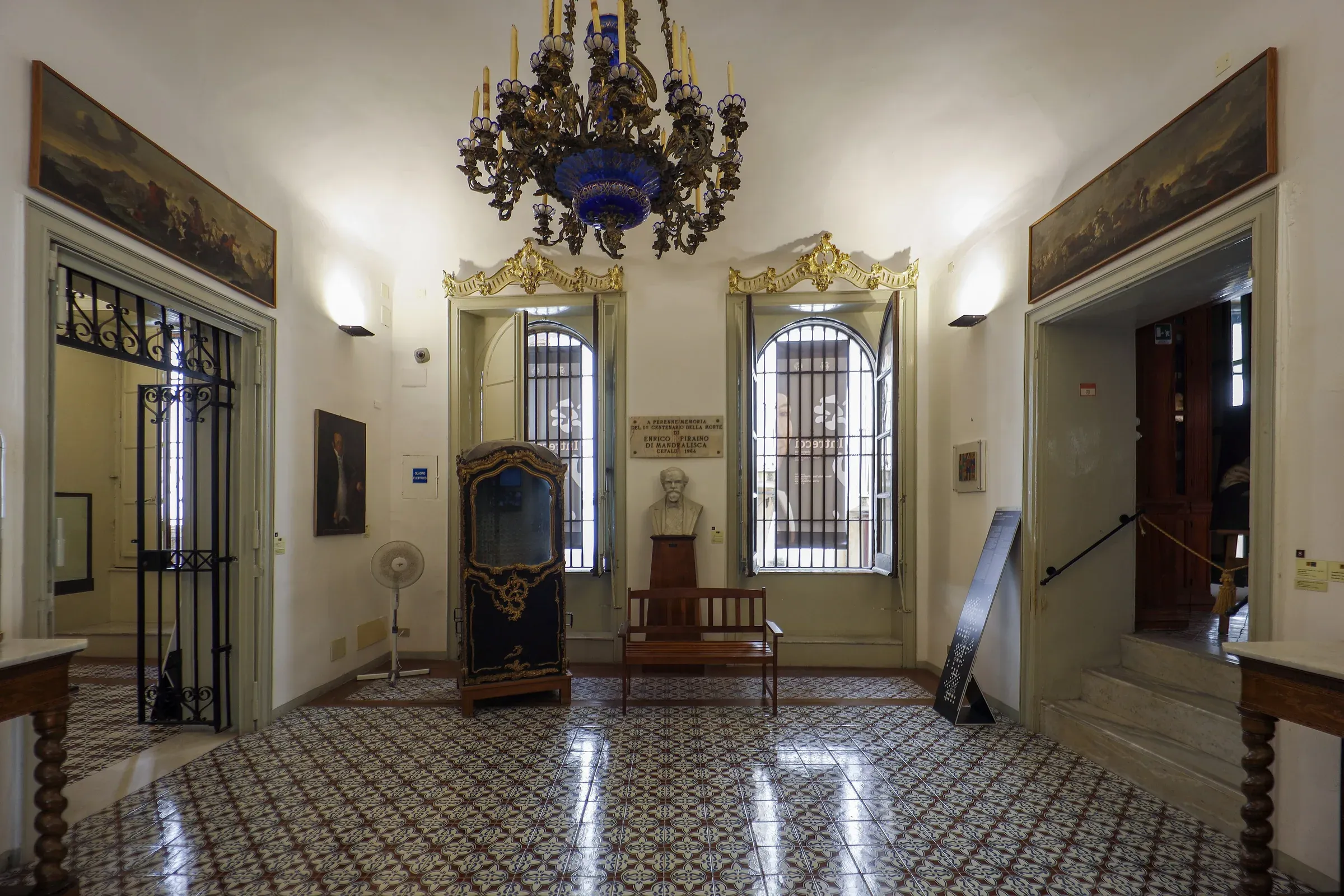
Museums of the Madonie: the Mandralisca in Cefalù, the Museo Civico in Castelbuono castle, Minà Palumbo, the Targa Florio, salt sculptures and rural life.
Culture
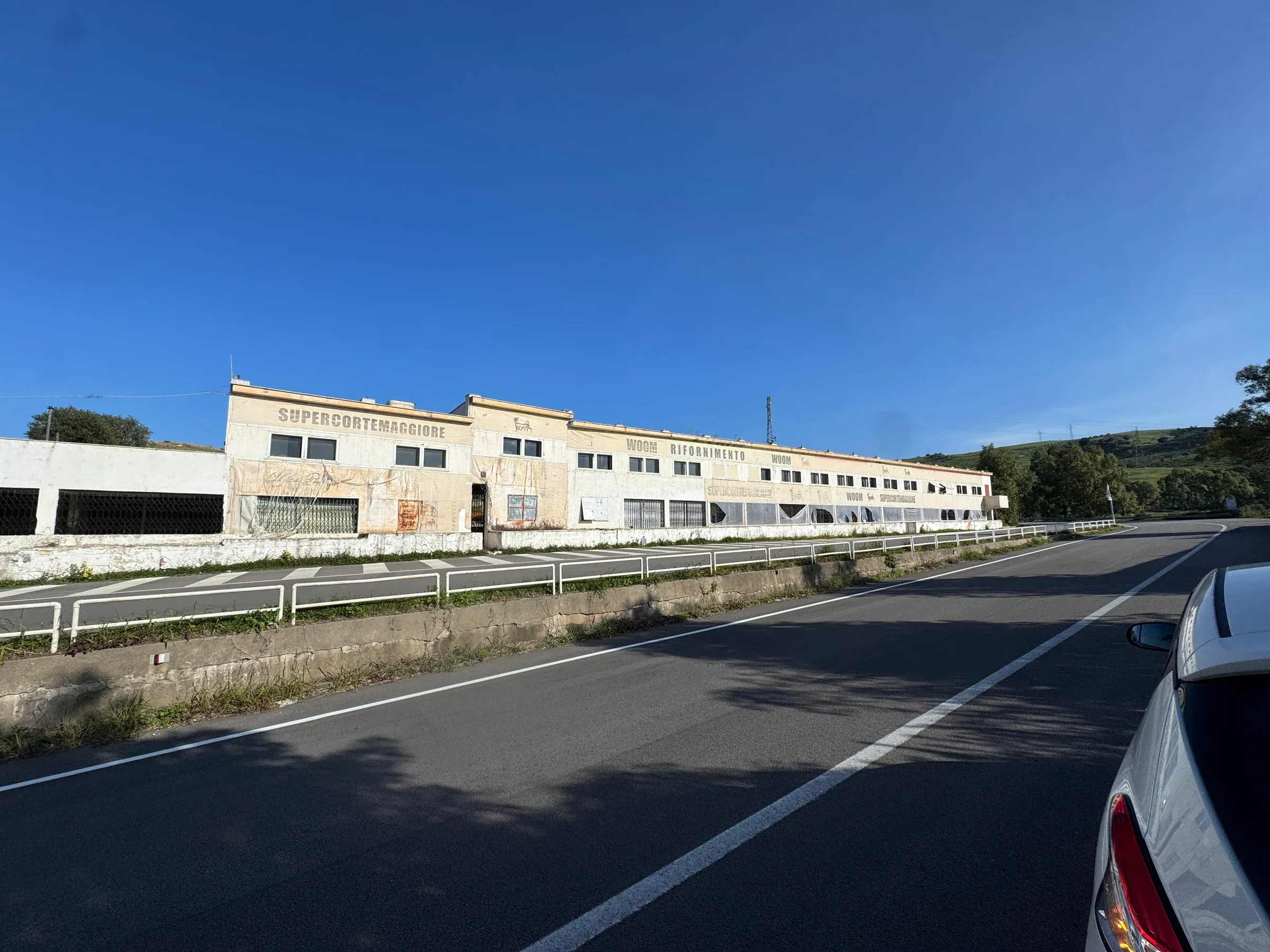
The Targa Florio was born in 1906 on the roads of the Madonie: history of the race, its three circuits, Floriopoli, the Collesano museum and today's events.
Culture