Nature
Nature and landscapes
Madonie flora: about 1,500 species and 170 endemics, over half of Sicily's plants. Endemic plants, orchids, peonies, where to see them and when they flower.
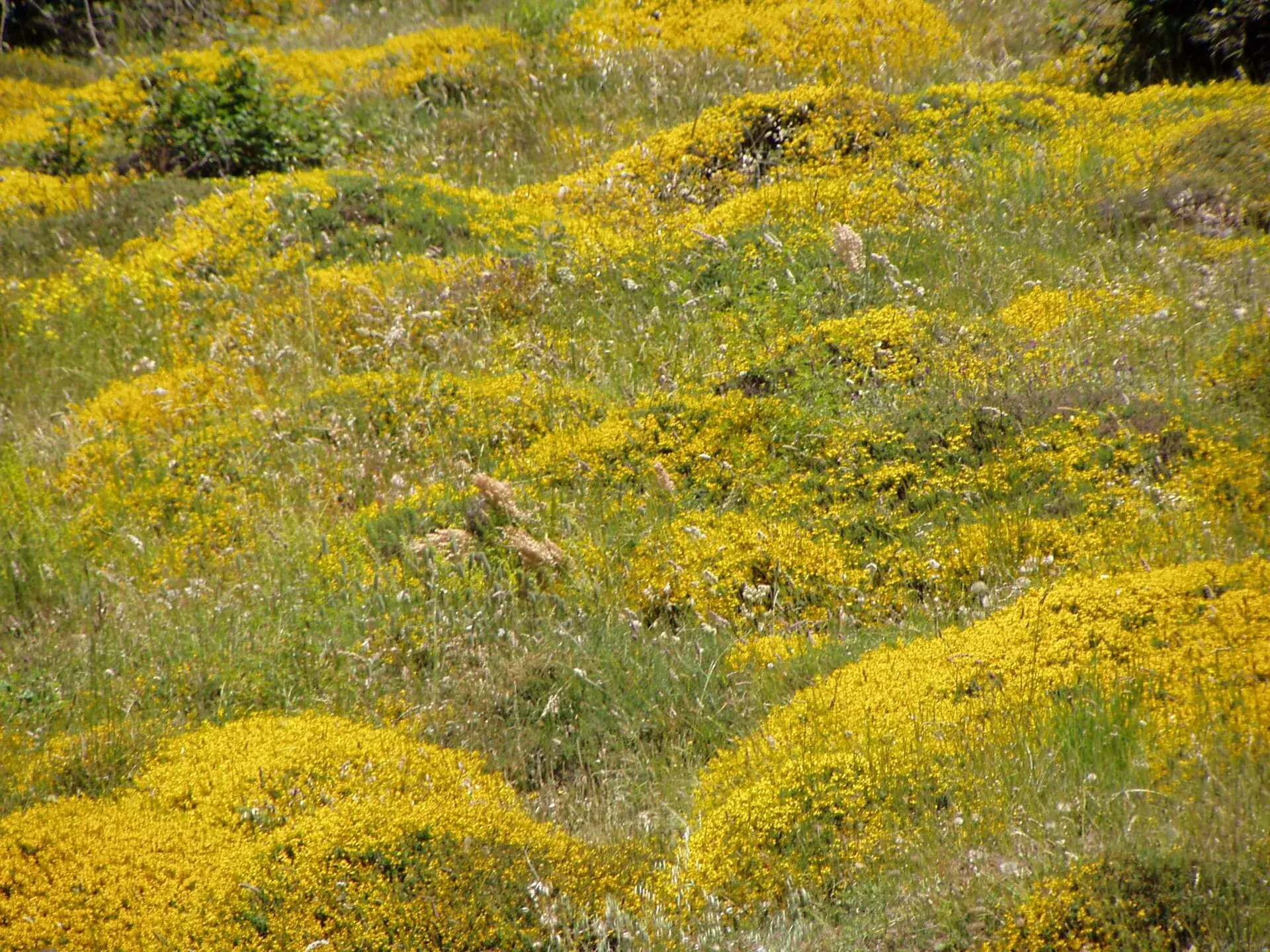
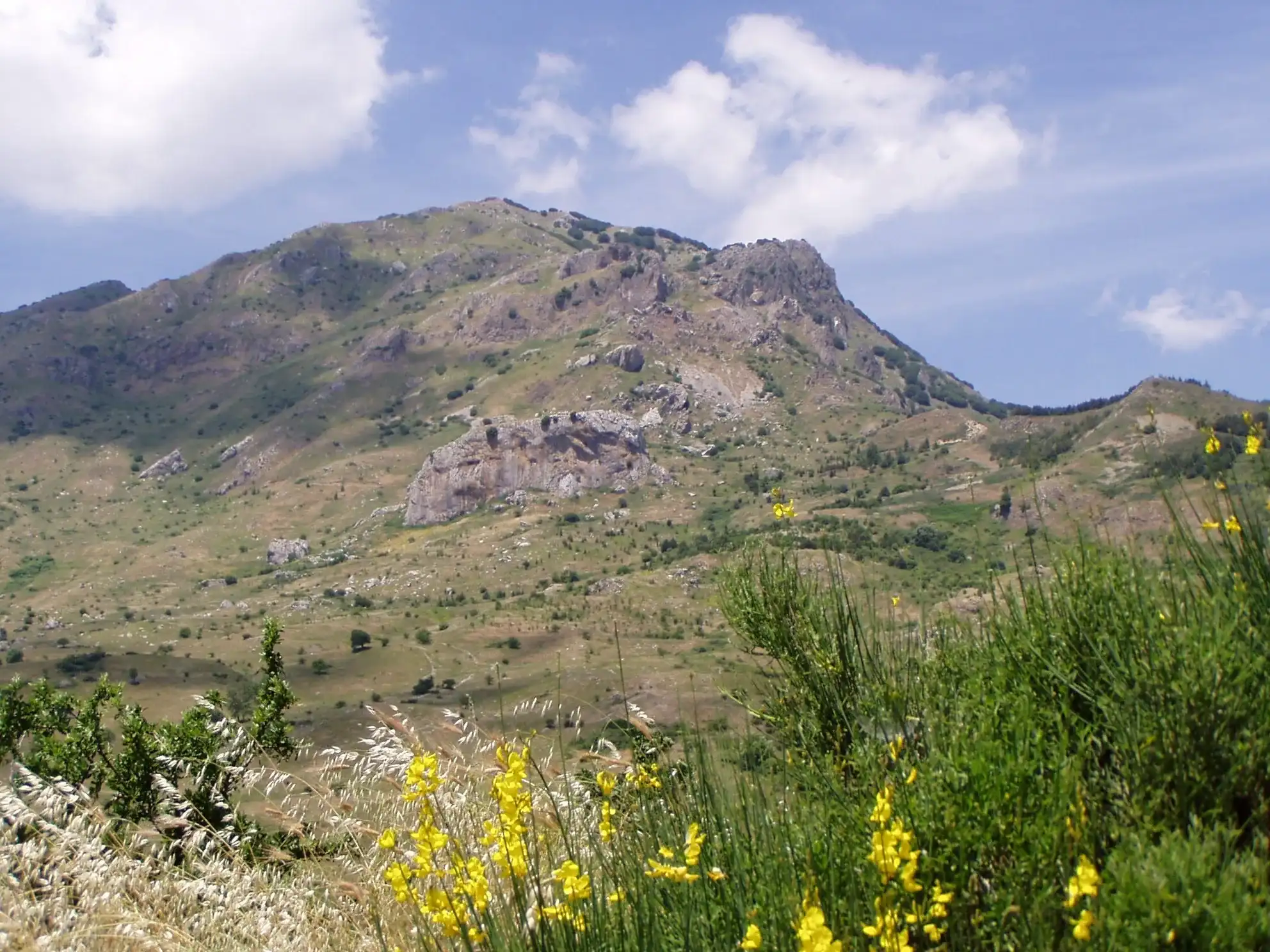
The flora of the Madonie numbers about 1,500 species and subspecies of vascular plants, more than half of all Sicilian flora, on just 1.55% of the island’s surface. That is the figure in the Park’s plant biodiversity map published by Raimondo, Schicchi and Surano in 2004, which also counts 170 endemics. The richest area is the plateau between Pizzo Carbonara and Piano Battaglia, with 1,175 species in a single map square.
The emblem is Abies nebrodensis, but it is not the only plant that lives only here. In spring peonies, wild orchids and cushions of endemic broom come into flower. This guide tells you what to look for, where and in which month.
At a glance
There are three reasons: altitude, rocks and history. The park runs from sea level to almost 2,000 metres and combines limestone, dolomite, sandstone and clay. Each of these environments hosts different plants.
ISPRA adds the climate history. During the ice ages plants from cold countries moved south and stayed on the summits when the climate warmed. That is why in the Madonie beech, wych elm, sessile oak and sycamore live alongside Mediterranean, African and Asian plants.
The 2004 map confirms it: many northern species, such as beech, the southern sessile oak, Gussone’s Turkey oak, wych elm and some sedges, reach the southern limit of their range here. Next to them are species of the Mediterranean mountains and plants from the Balkans and North Africa.
An endemic is a plant that lives only in one area. The 2004 map lists many species found only in the Madonie; the Park Authority describes some on its page “I fiori delle Madonie”. This table gathers the best known.
| Plant | Scientific name | Where | Source |
|---|---|---|---|
| Sicilian fir | Abies nebrodensis | Vallone Madonna degli Angeli | Park Authority |
| Nebrodi milk-vetch | Astracantha nebrodensis | Spiny cushions above 1,200 m | Park Authority, Raimondo and others |
| Nebrodi violet | Viola nebrodensis | Slopes of Pizzo Carbonara | Park Authority |
| Cupani’s broom | Genista cupanii | 800-1,600 m, Piano Catagiddebbe | Park Authority, tourist district |
| Madonie broom | Genista madoniensis | Cork oak woods of Lascari, Gratteri, Collesano, Pollina | Raimondo and others |
| Sicilian feather grass | Stipa sicula | Only on Monte Quacella | Park Authority |
| Gussone’s woodruff | Asperula gussonei | High limestone and dolomite rocks | Park Authority |
| Sicilian aubrieta | Aubrieta deltoidea | Madonie | Park Authority |
| Nebrodi thrift | Armeria nebrodensis | Madonie | Park Authority |
| White ragwort | Senecio candidus | Madonie | Raimondo and others |
| Sorrentino’s aster | Aster sorrentinii | Between Polizzi Generosa, Castellana Sicula and the Petralias | Park Authority |
The Pizzo Carbonara and Piano Battaglia square has the most rare species: the 2004 map records plants there that are not found in the other squares, such as Adenostyles nebrodensis and Gagea busambarensis.
At altitude many plants grow as low, spiny cushions to withstand wind and cold. The Nebrodi milk-vetch forms cushions above 1,200 metres, in harsh conditions. Cupani’s broom, named after the Sicilian botanist Francesco Cupani, grows between 800 and 1,600 metres.
On the western side of Pizzo Carbonara, at Piano Catagiddebbe, the Cefalù Madonie tourist district reports stands of Cupani’s broom that cover the meadow with golden cushions. On the path from Nociazzi to the Madonna dell’Alto the first milk-vetch cushions appear above 1,200 metres.
Wild orchids are among the most sought-after flowers in the park. The Park Authority has published a field photo guide with 89 photographs, by Amedeo Falci and Antoine Giardina. Among the species found in only one map square, the 2004 map lists Ophrys archimedea.
Orchids grow in meadows and clearings, and they suffer when wild boar turn over the soil: the Park Authority says so in its 2025 report. Along the dirt road of the Abies nebrodensis trail the Authority reports many wild orchids, some found only in the Madonie.
The peony, with red or white flowers, blooms between March and June in the mountain belt, according to the Park Authority. The 2004 map lists Paeonia mascula in the undergrowth of holm oak and oak woods. In the highest areas it flowers between late May and June.
In the Madonie spring climbs higher as the weeks pass. This table sums up the sequence described by Wikipedia and the Park Authority.
| Period | Where | What flowers |
|---|---|---|
| Late winter | Hills and middle mountains | White tree heath, almond-leaved pears, blackthorn |
| Spring | Meadows and fields | Clovers and vetches, red sulla, yellow broom along streams, pink asphodels |
| March-June | Mountain belt | Red and white peonies |
| Spring | High meadows | Basilisco (Cachris ferulacea) |
| Late May-June | Rocky, highest areas | Orchids, peonies, dog roses, wild lilies |
| Autumn | Scrub and oak woods | Fruits of strawberry tree, service tree and azarole |
The basilisco deserves a note. It is a herbaceous plant that dominates the high meadows in spring, and on its dead roots grows the basilisco mushroom, Pleurotus nebrodensis, prized in Madonie cooking. In zone A of the park picking it is forbidden.
Four routes cover the richest habitats. Start points and details are on the linked pages.
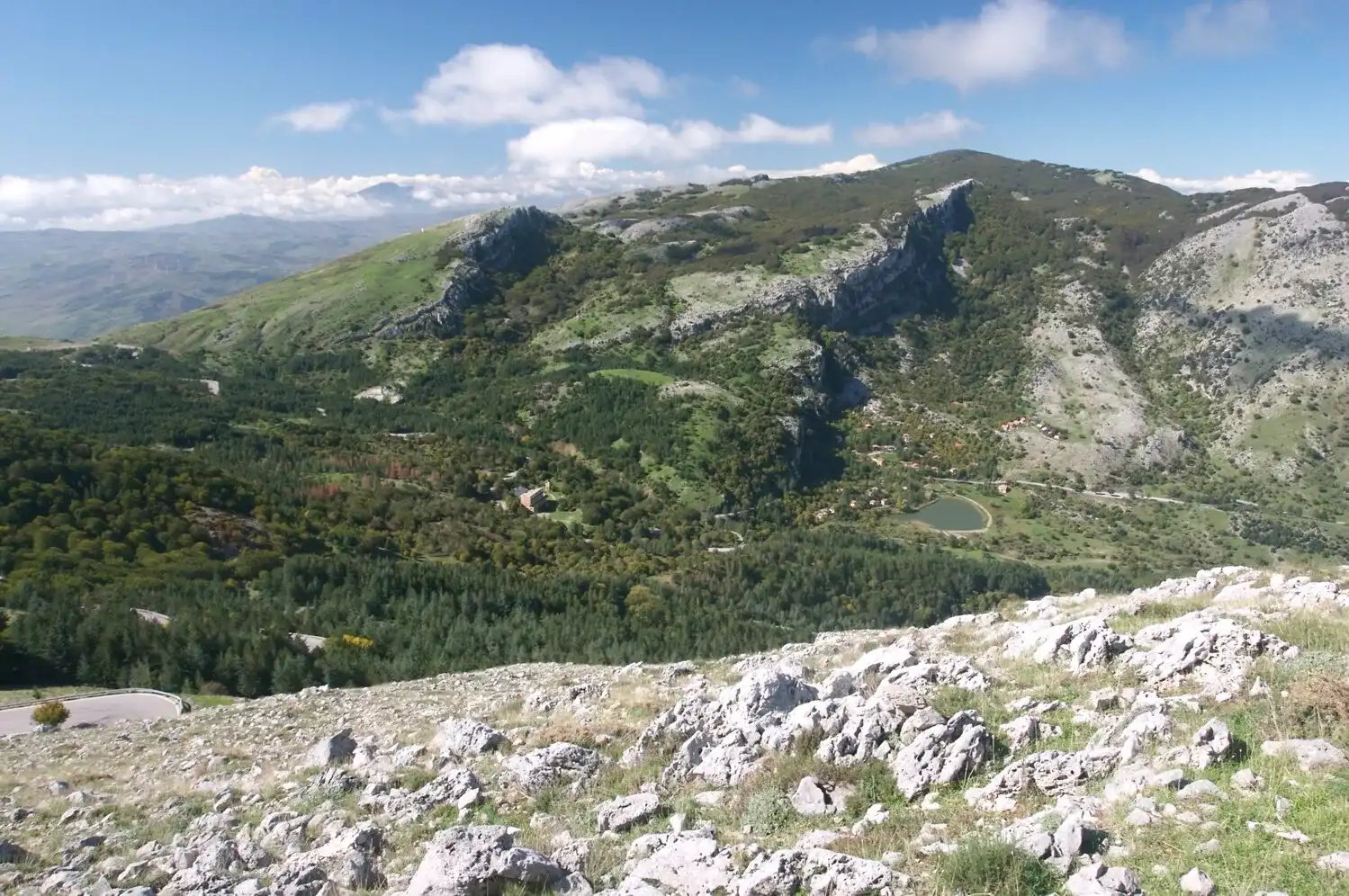
The Carbonara plateau. The Pizzo Carbonara trail crosses high pastures with basilisco, dolines with beeches and endemic plants such as the Nebrodi violet, the dwarf viola piccinina, mountain flax, Nebrodi alyssum and Gasparrini’s spurge, according to the tourist district.
The Vallone Madonna degli Angeli. Along the dirt road of the Abies trail the Park Authority lists Nebrodi milk-vetch, mountain flax, Sicilian feather grass, Sicilian ironwort, Sicilian soapwort, Sicilian bellflower and dwarf Sicilian iris.
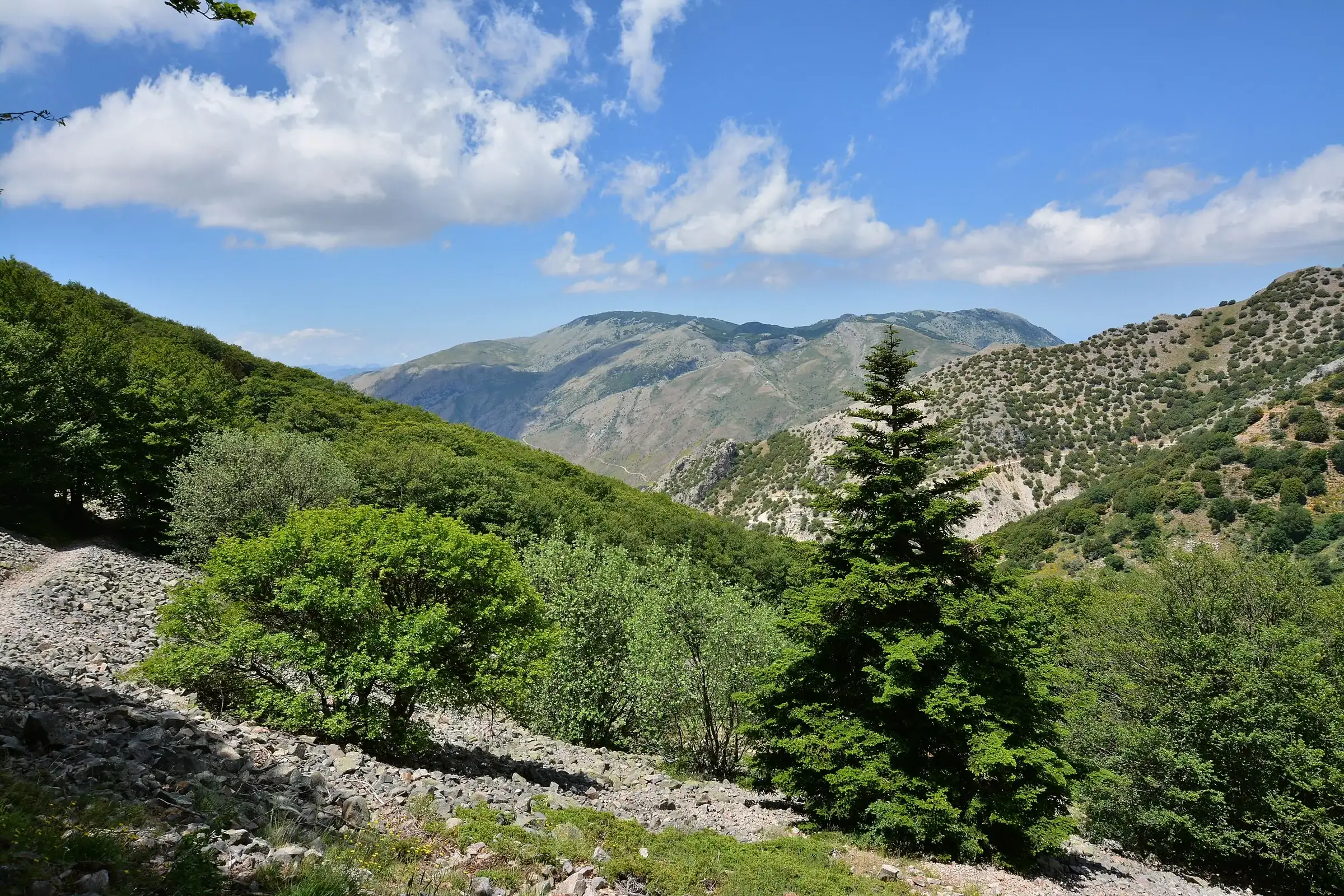
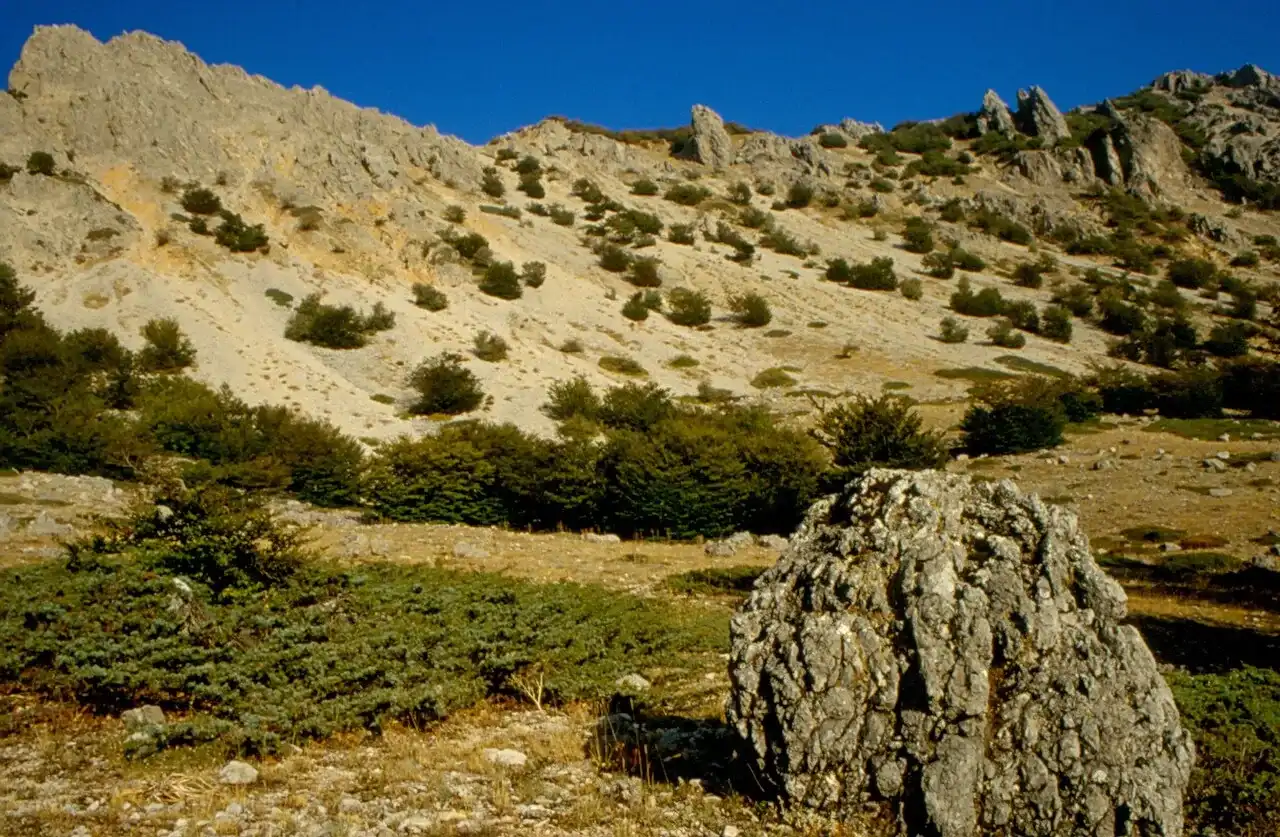
Monte Quacella. Dolomite cliffs and scree with the park’s most typical rock vegetation. The 2004 map points to the Quacella “Serre” as the place where these habitats are at their best. A climb for experienced hikers: see the Monte Quacella page.
From Nociazzi to the Madonna dell’Alto. Trail 553, near Castellana Sicula, passes beeches, spurges, broom, wild pears and orchids, and above 1,200 metres meets the milk-vetch.
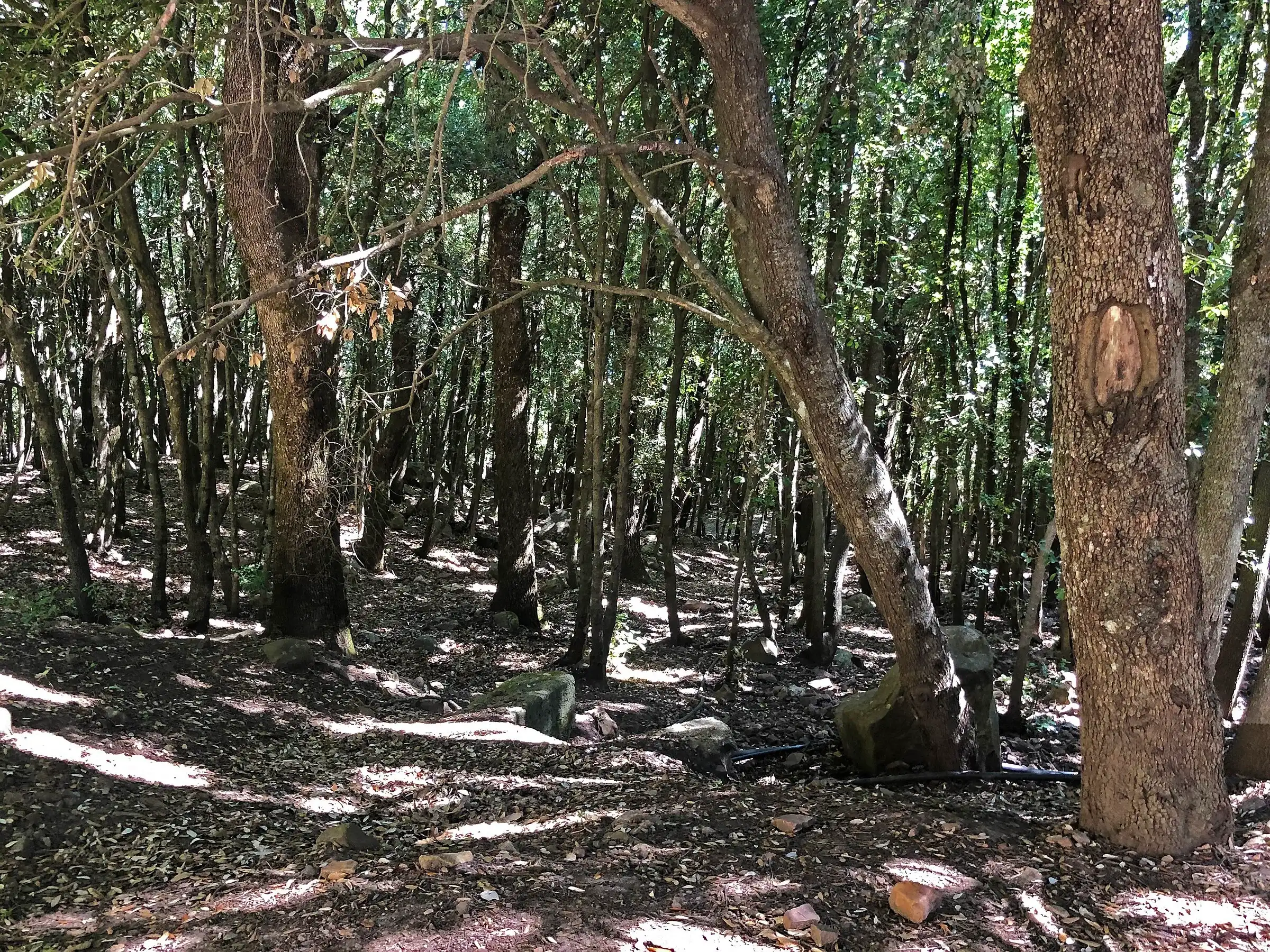
For the woods and their trees, from cork oaks to beeches, there is the guide to woods and beech forests of the Madonie. For the park’s emblem tree there is the guide to Abies nebrodensis.
Springs and small peat bogs host species that have almost disappeared elsewhere in Sicily. Wikipedia mentions the royal fern, tied to springs and peaty soil in or at the edges of woods.
At the Vallone Scopalacqua waterfall, on the SP54, the Park Authority reports a rare aquatic fern known locally as filici francisi. In the peat bogs of Geraci Siculo, the so-called margi, the layers of peat hold pollen from the last 10,000 years.
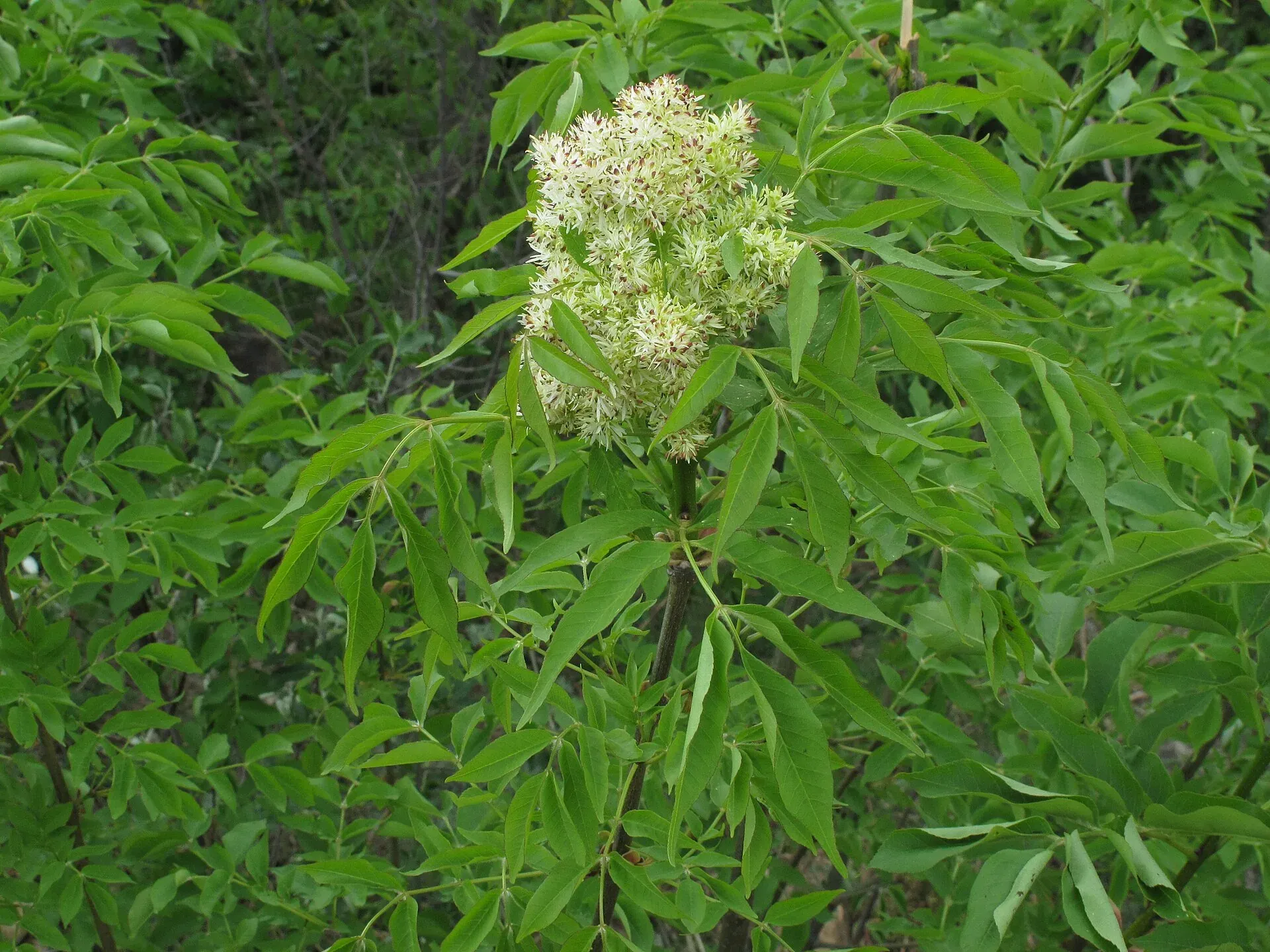
In the Madonie wild plants are also food. Every April Isnello devotes three days to the Festa delle verdure tradizionali e antiche delle Madonie, with tastings and a conference on biodiversity. In Castelbuono, between late May and June, the Infiorata covers via Sant’Anna with carpets of flowers and seeds.
The Park’s visitor rules forbid picking, destroying, damaging or removing plants of any species and kind, or parts of them. They also advise against touching or eating plants that may be poisonous.
Before heading up for the flowers check the weather at Piano Battaglia. For the other park rules there is the guide to the Madonie Park.
Updated on 19 October 2026
 Hiking trail
Contrada Quacella, SP119 · Loop
 Hiking trail
Piano Battaglia · Loop
 For experienced hikers
Polizzi Generosa · Out and back
 Hiking trail
Piano Noce, SP119 · Out and back
 Hiking trail
Piano Sempria · Out and back
1,039 m a.s.l.
Home of the Madonie Park, at the foot of Piano Battaglia
920 m a.s.l.
The town of the Abies nebrodensis, sfoglio and badda beans
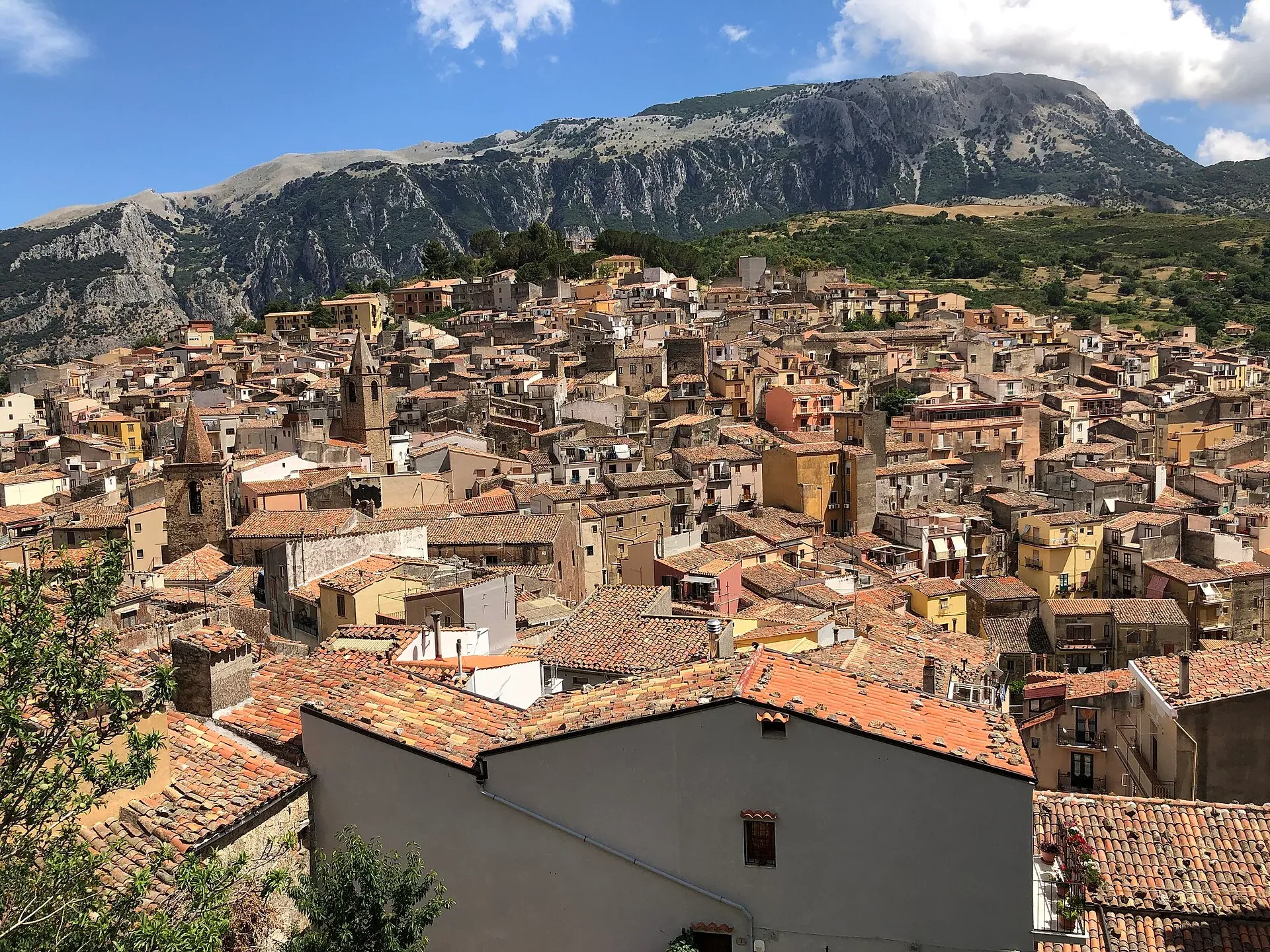
583 m a.s.l.
The town of the stars, beneath the Madonie cliffs
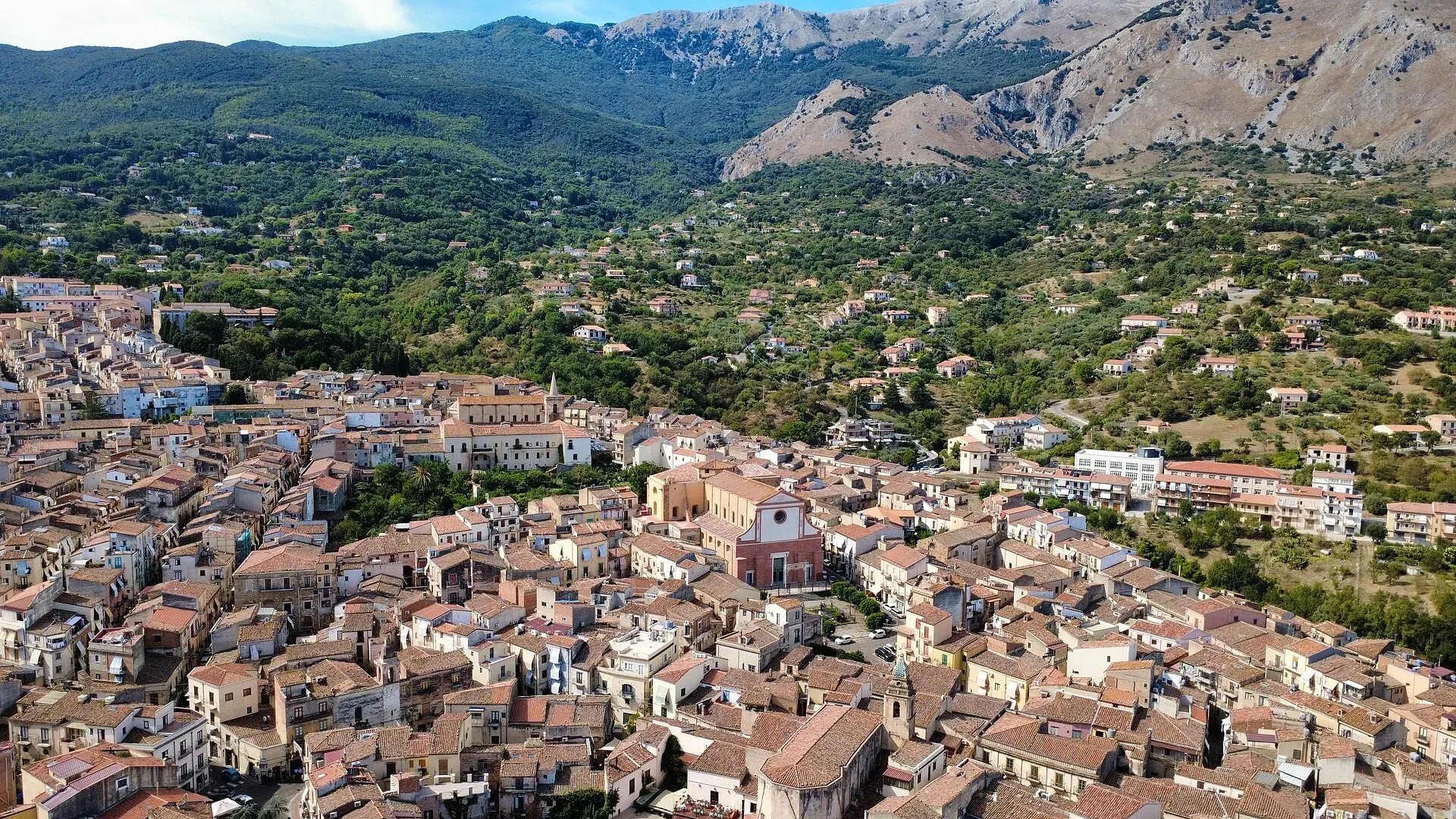
423 m a.s.l.
The town of the Ventimiglia castle, manna and testa di turco
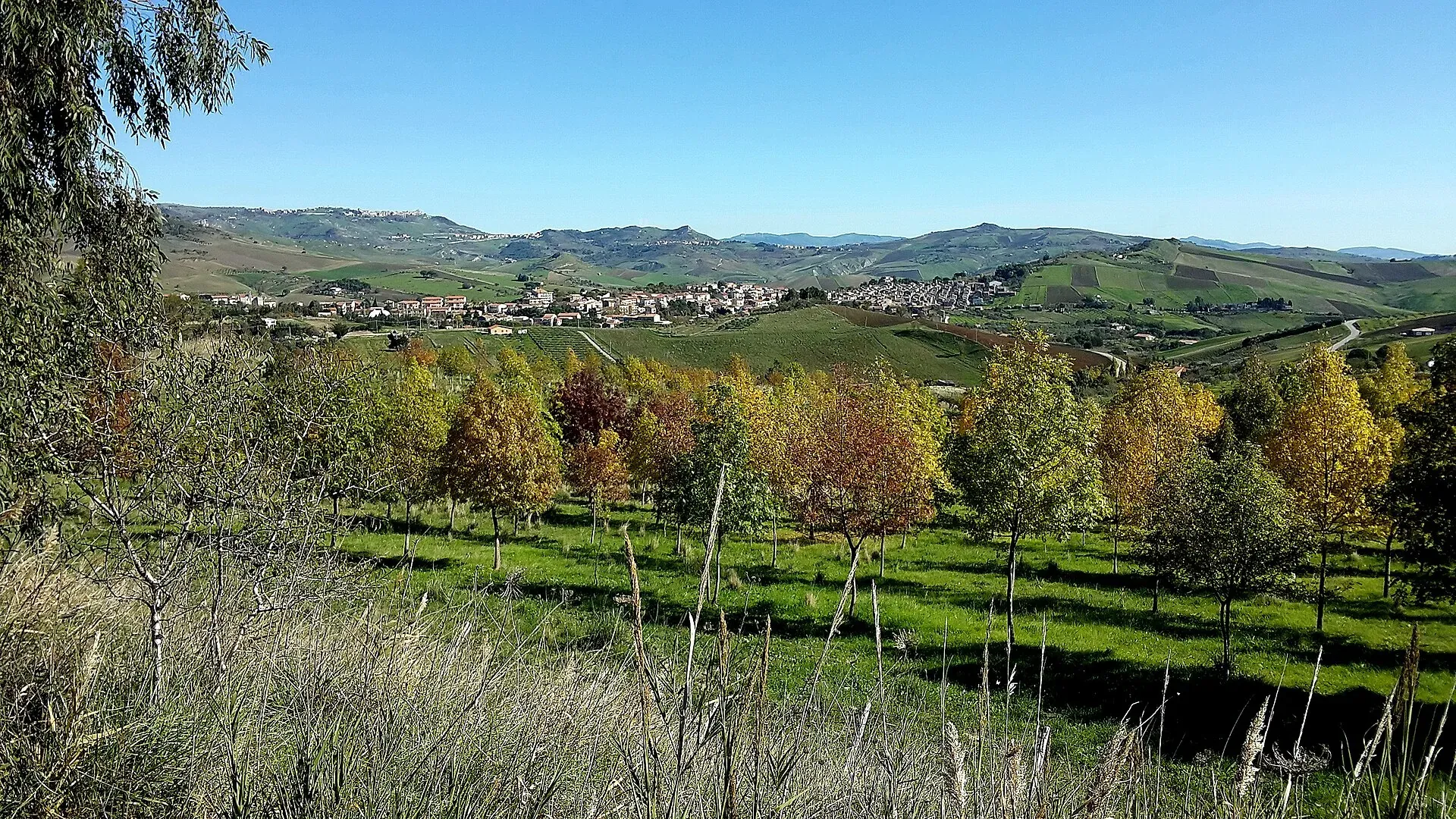
774 m a.s.l.
The village of hamlets and murals
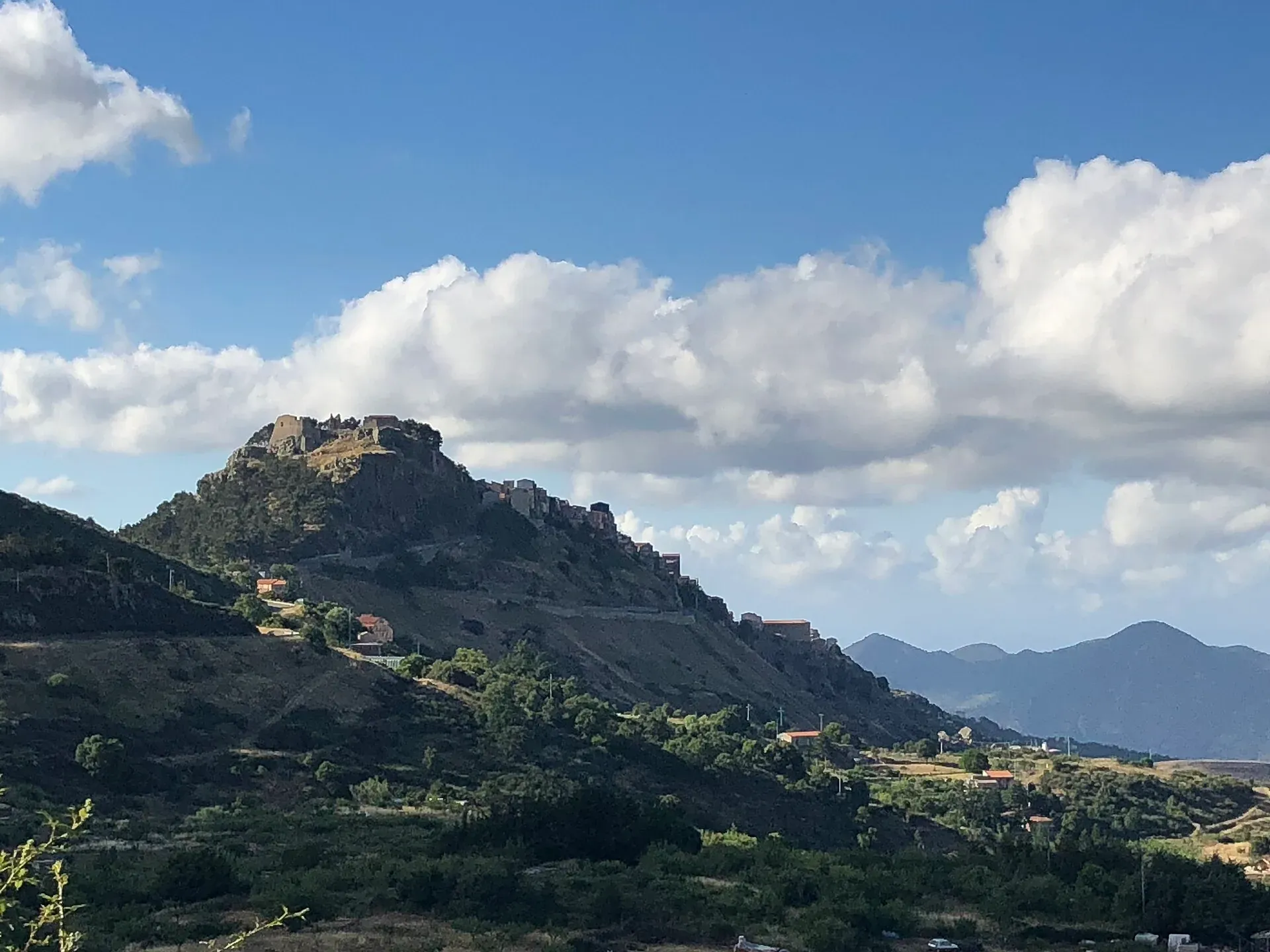
1,077 m a.s.l.
The first capital of the Ventimiglia, above the Madonie woods
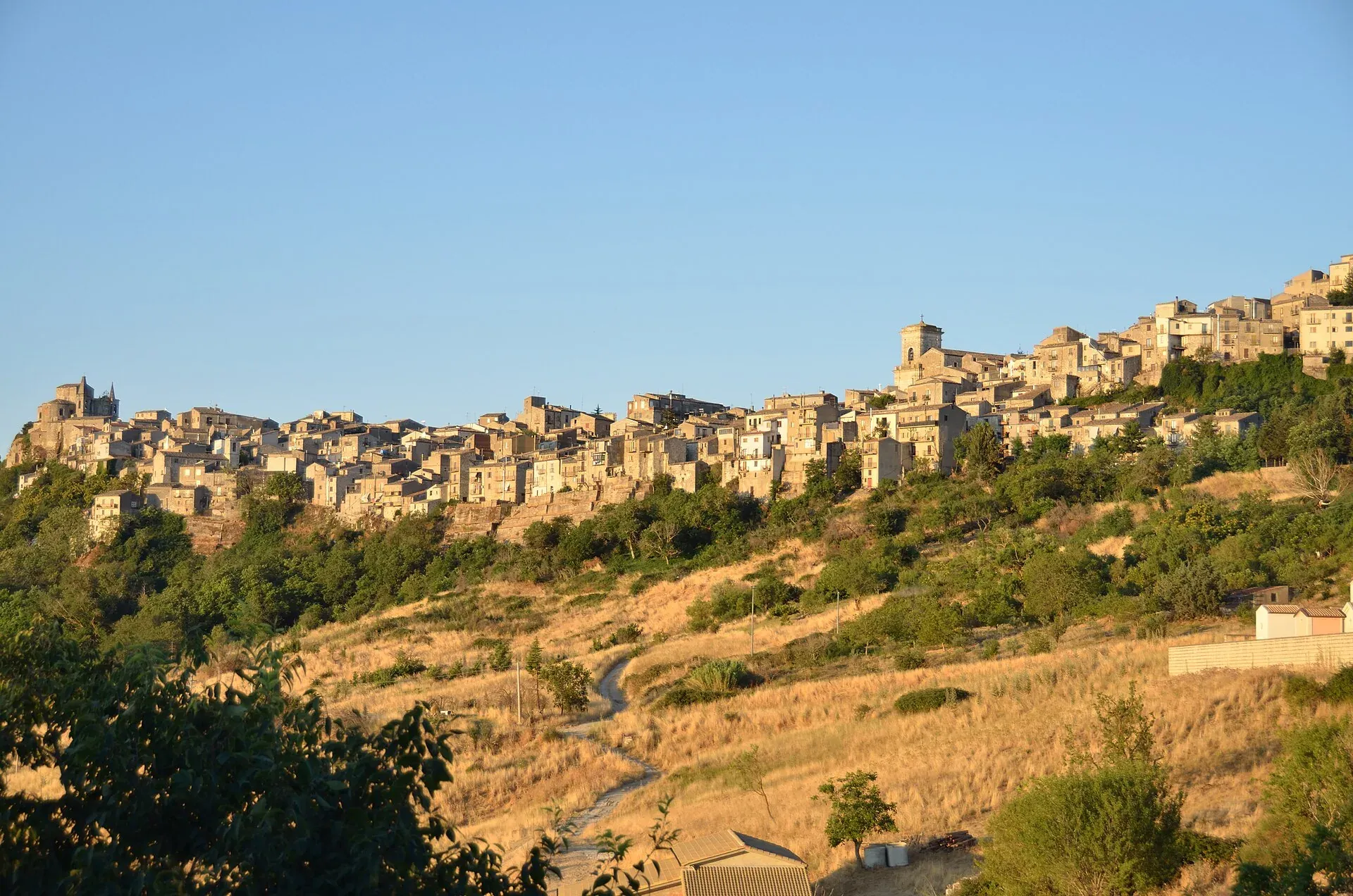
1,147 m a.s.l.
The highest town in the Madonie, Borgo dei Borghi 2018
Nature
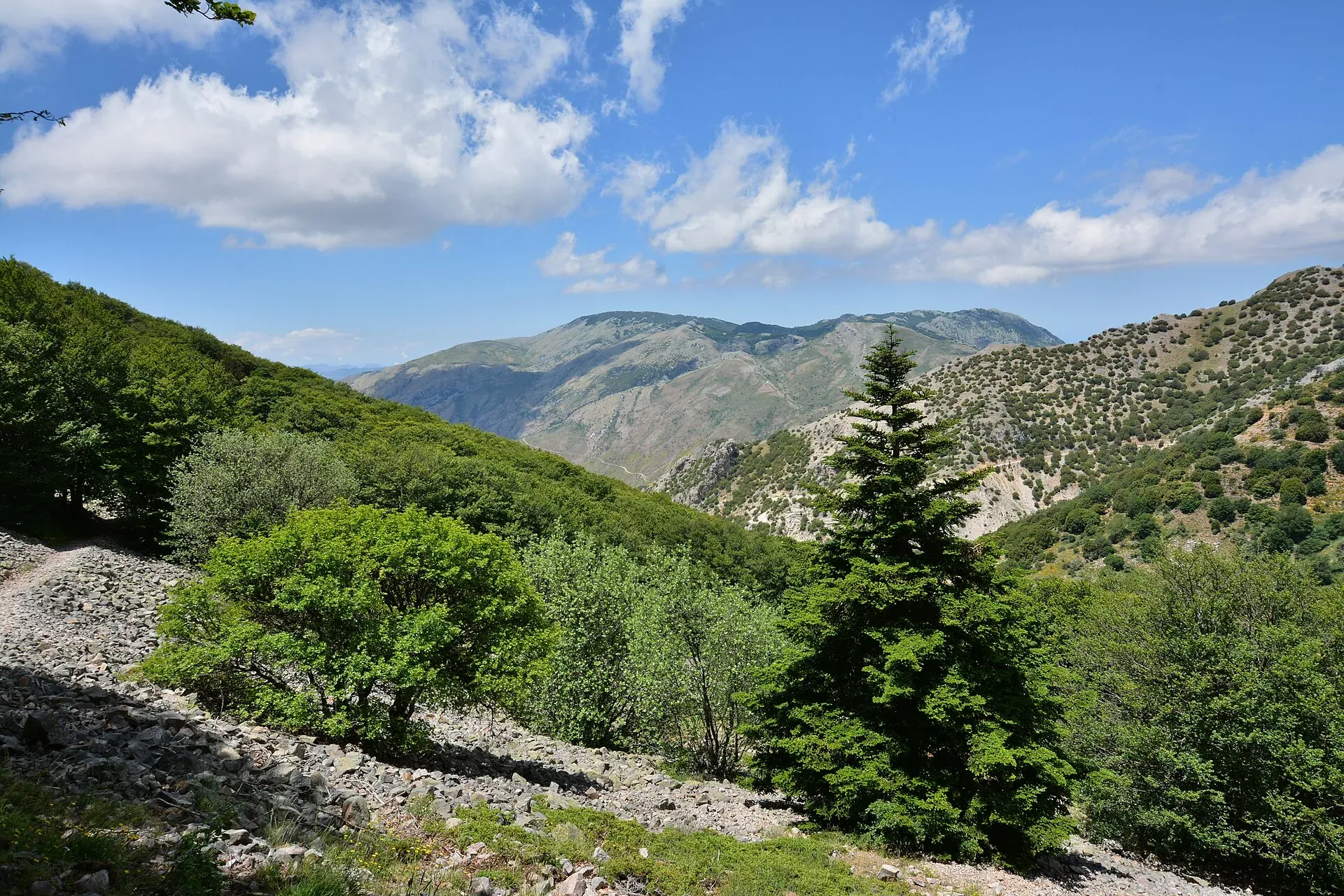
Abies nebrodensis: about 30 adult trees in the wild, all near Polizzi Generosa. What it looks like, why it may vanish, how it is protected, where to see it.
Nature
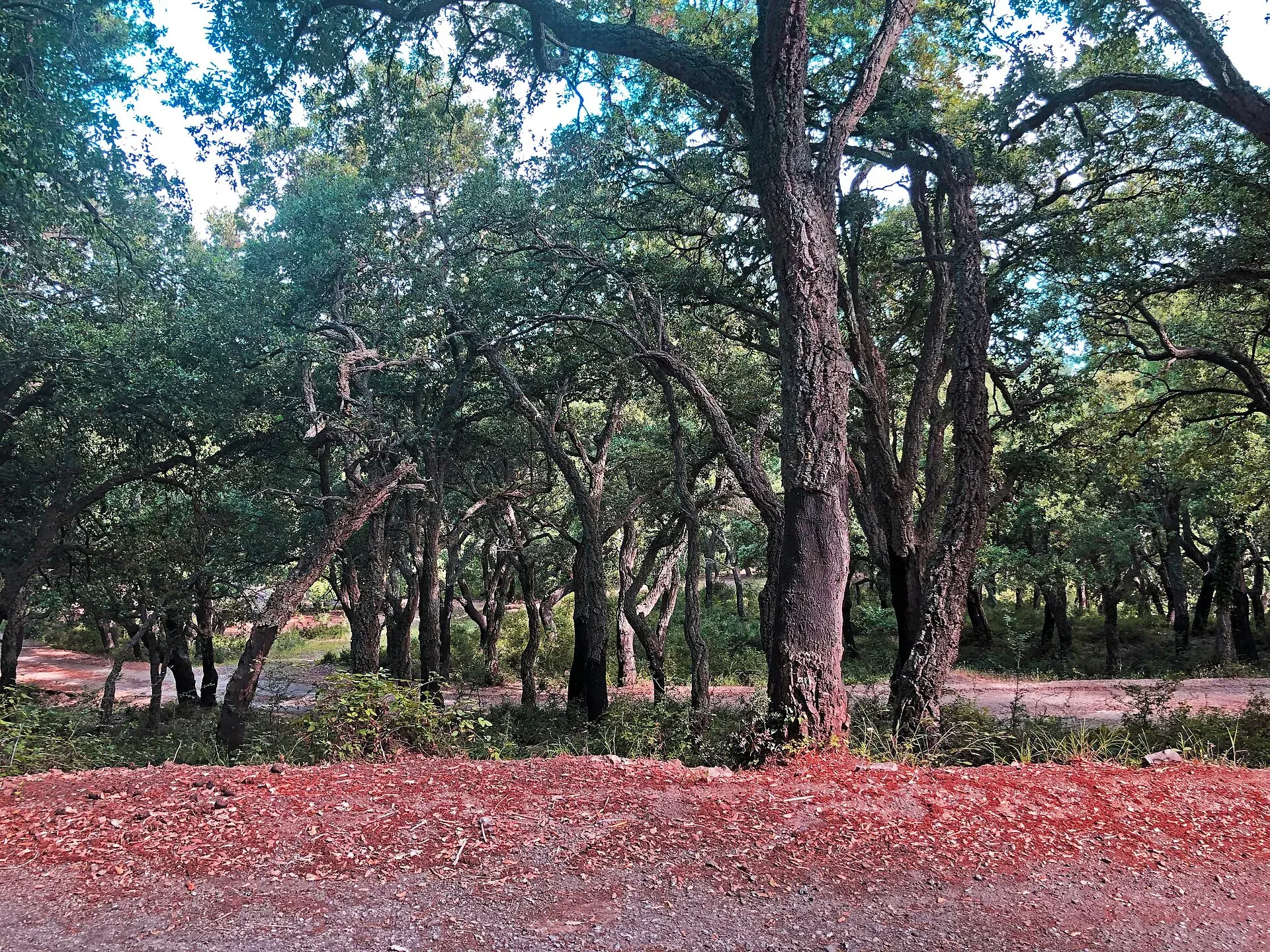
Madonie woods: beech forests up to 1,900 m, holm oaks, cork oaks, giant hollies and trees 800 years old. Where they are, how to tell them apart and when to go.
Nature
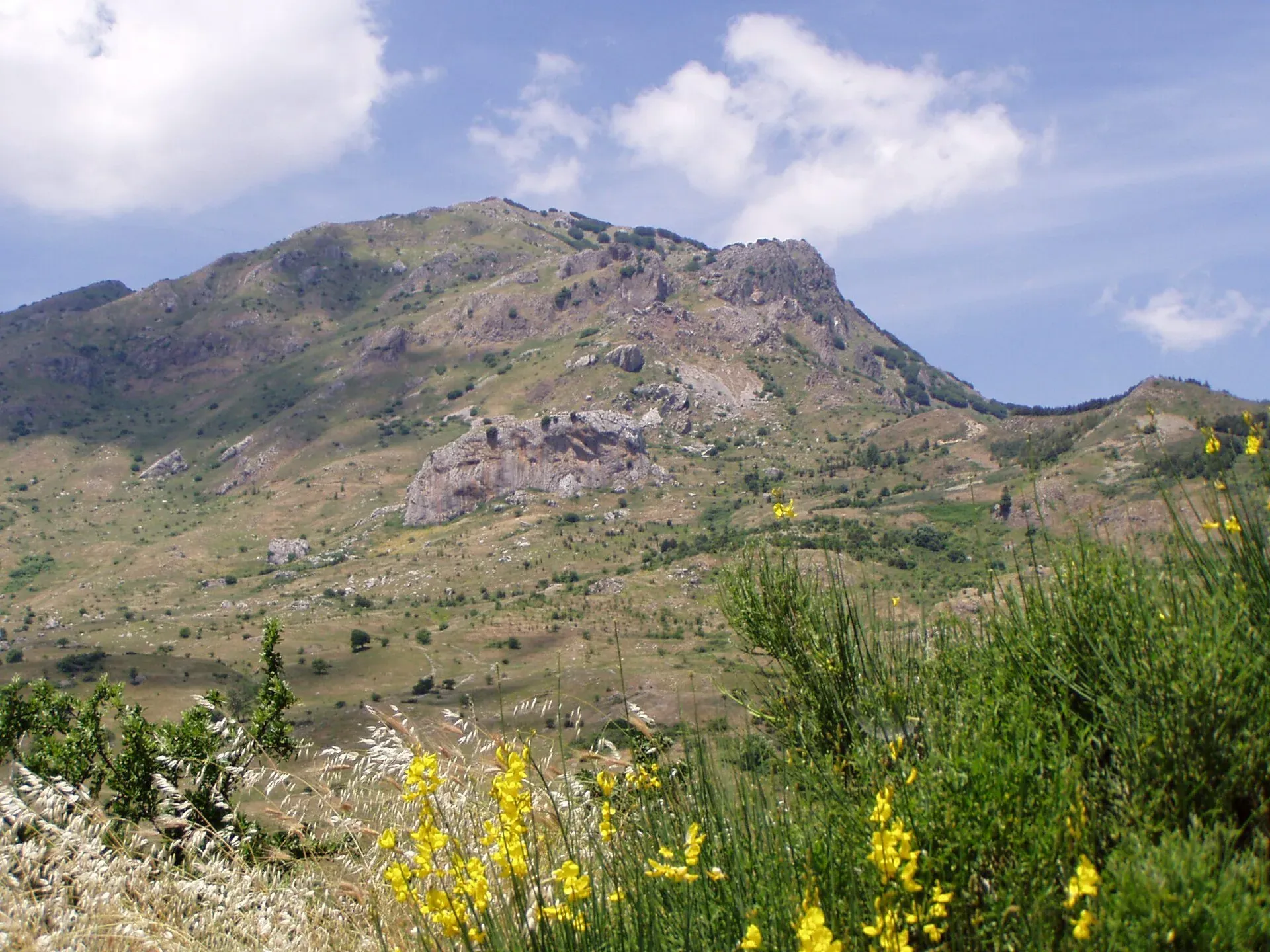
Madonie wildlife: golden eagles, griffon vultures back after 70 years, Egyptian vultures, fallow deer, porcupines and the Parnassius apollo siciliae butterfly.
Nature
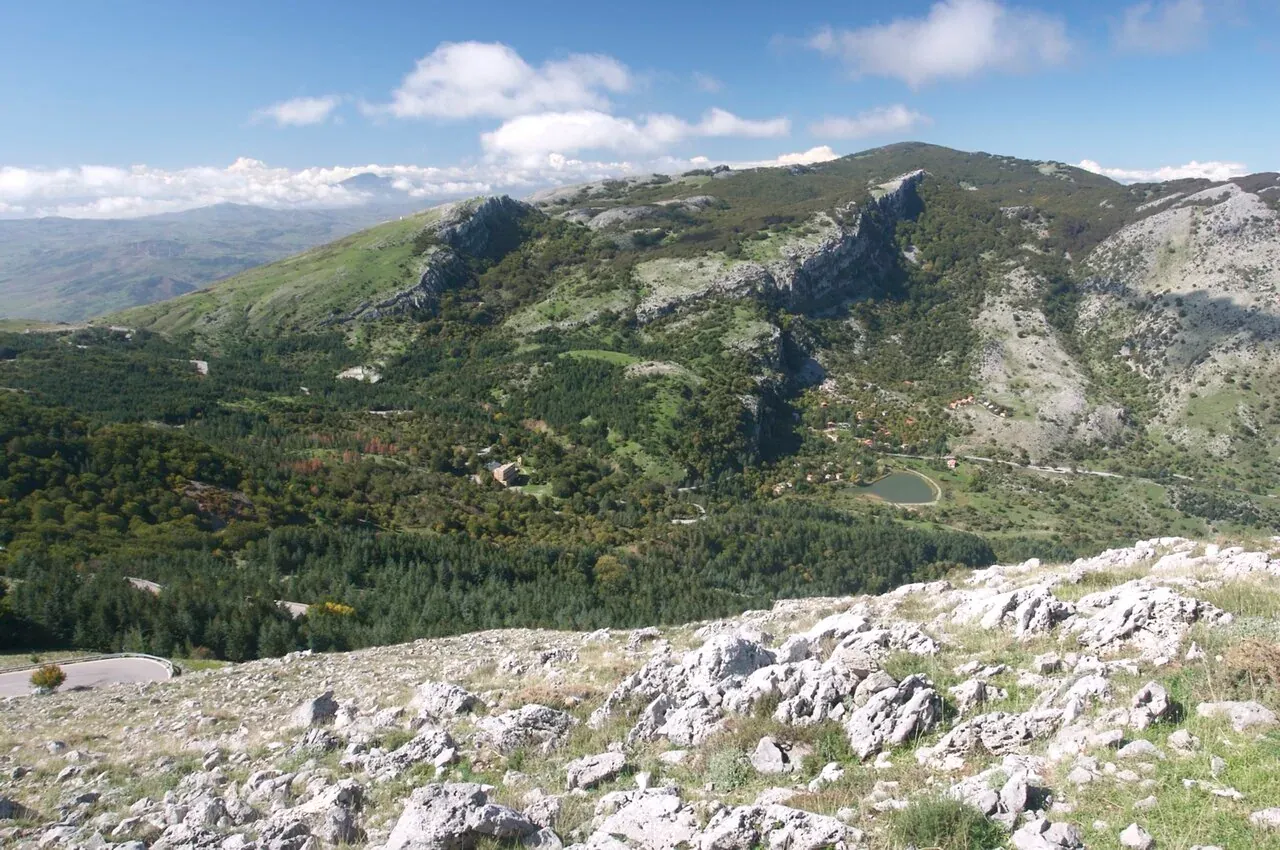
The peaks of the Madonie: Pizzo Carbonara 1,979 m, Pizzo Antenna Grande, Monte San Salvatore, Quacella and Mufara. Table of heights, trails and practical tips.
Nature
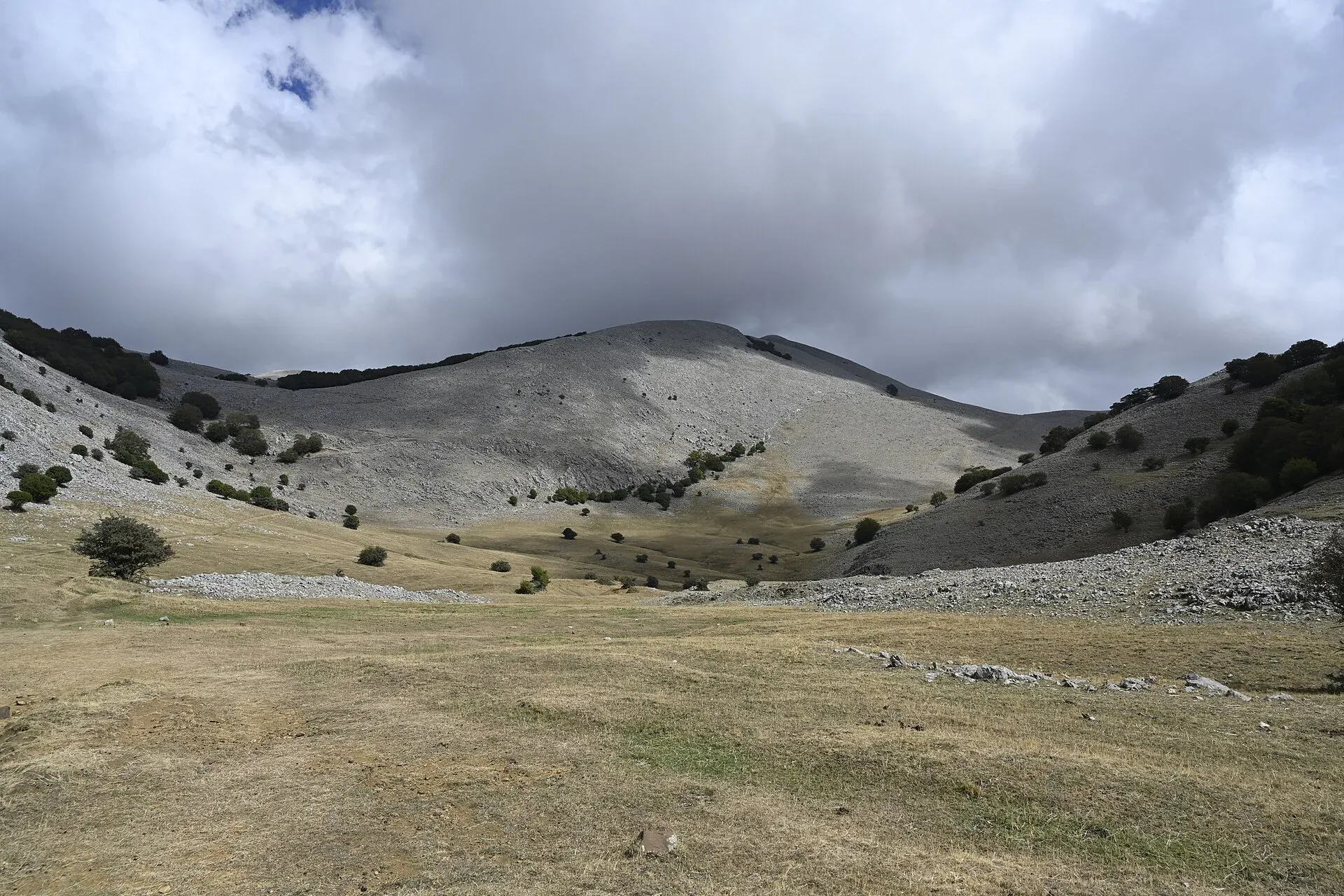
The plateaus of the Madonie: Piano Battaglia at 1,572 m, Piano Zucchi, Piano Sempria, Piano Cervi, Piano Pomo and Piano Catarineci. Heights, access, what to do.
Nature
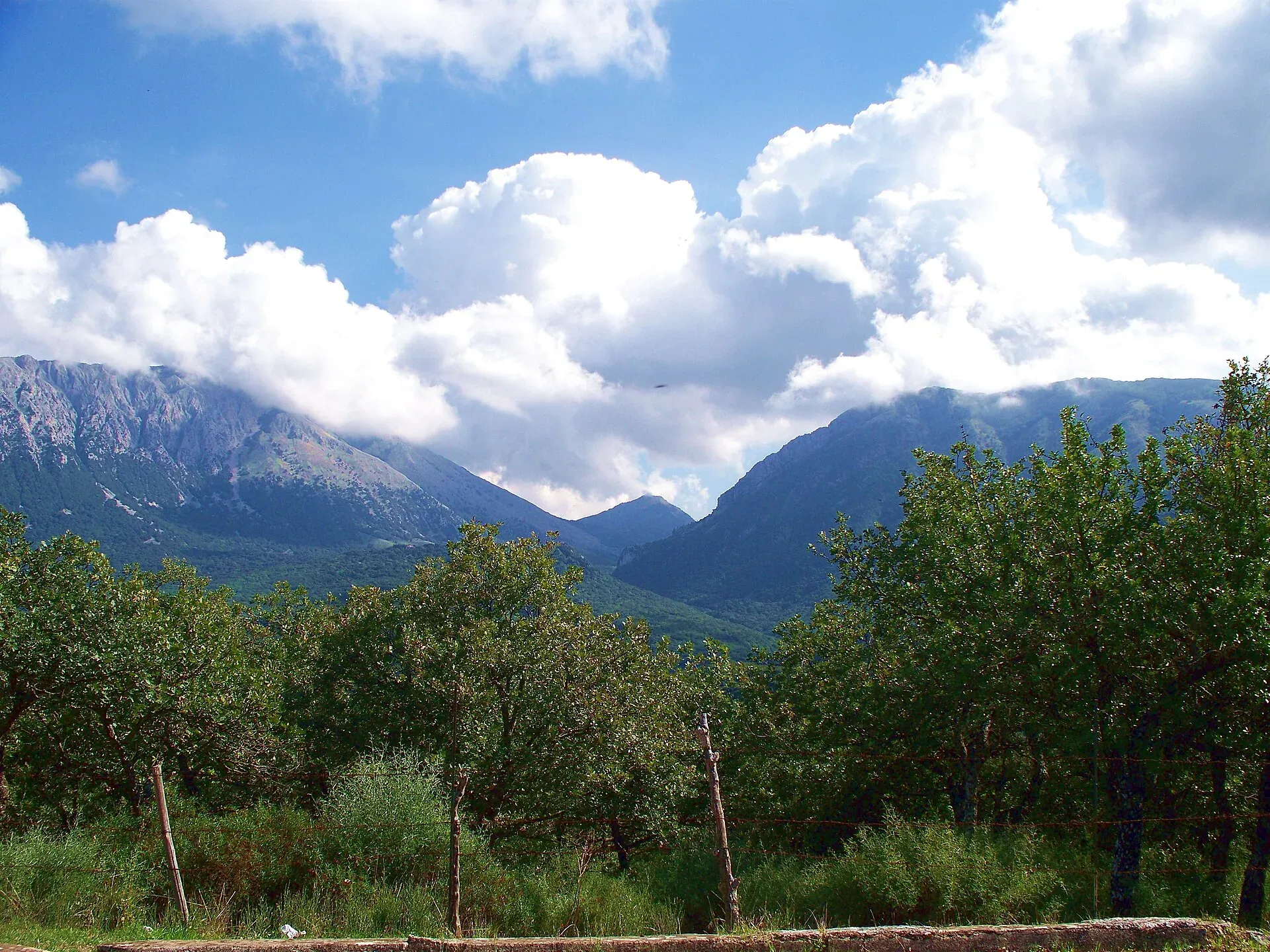
Madonie Park (Parco delle Madonie): 39,679 hectares and 15 towns between Cefalù and the Petralias, founded in 1989. Zones, rules, sights and how to get there.
Nature
Food