Food of the Madonie
Madonie recipes: sfoglio of Polizzi, vastedda and more
Documented Madonie recipes step by step: Castelbuono's testa di turco, Polizzi's sfoglio, Gratteri's vastedda fritta and taralle, bread and broad beans.
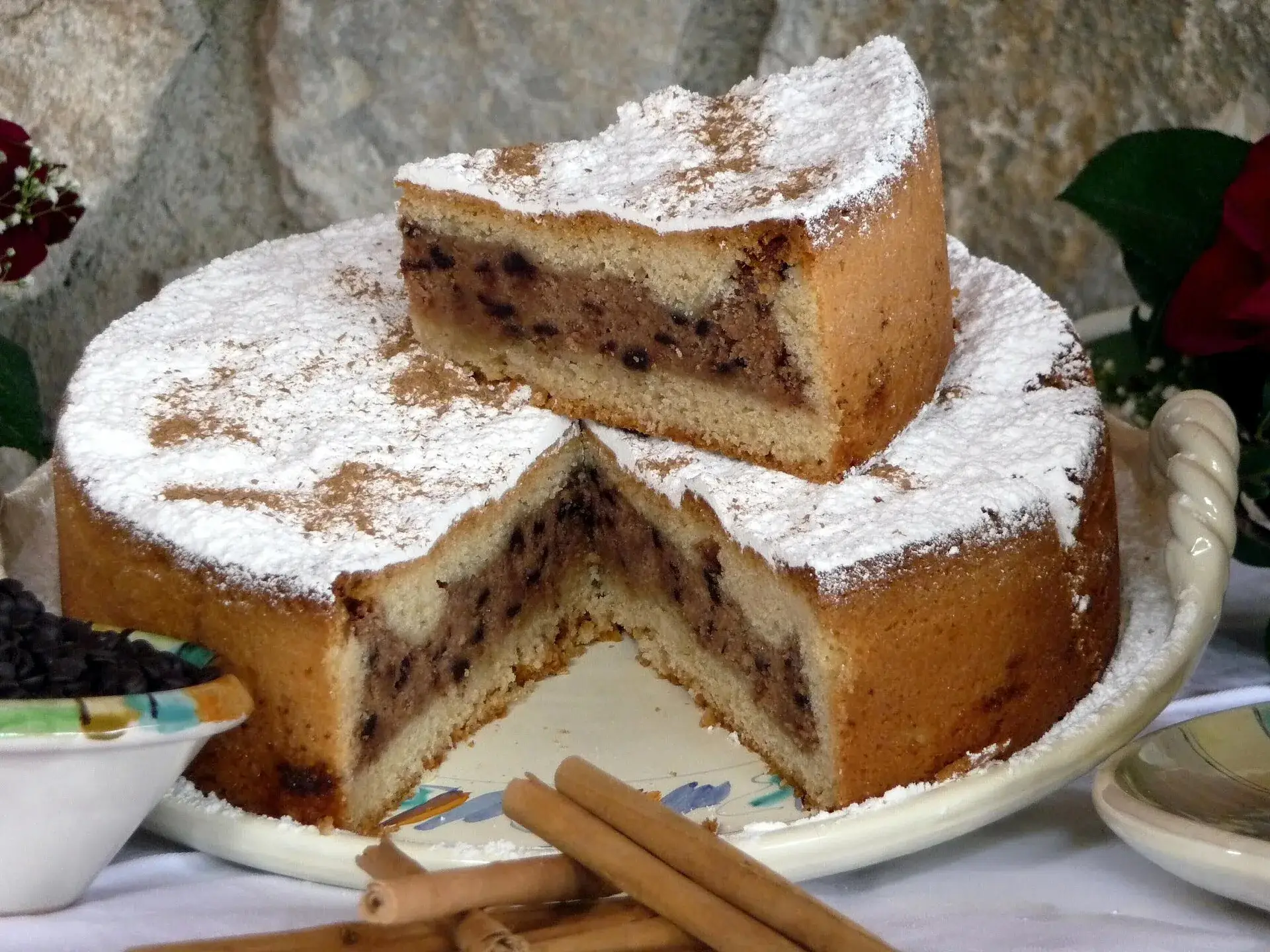
The traditional Madonie recipes on this page are the ones documented by a source: the technical sheets of the traditional food products of the Sicilian Region, a Pro Loco, a local newspaper. There are seven, from Castelbuono, Polizzi Generosa, Gratteri, Castellana Sicula and Isnello: two desserts with full quantities, three bakery items, a bread and a broad bean dish. Where the source gives no quantities we say so, and we do not invent them.
The recipes on this page
| Recipe | Town | Type | When | Quantities |
|---|---|---|---|---|
| Testa di turco | Castelbuono | spoon dessert | from the Immaculate Conception to Carnival | yes |
| Sfoglio | Polizzi Generosa | filled cake | feast days, also in pastry shops | yes |
| Vastedda fritta | Gratteri | fried bread, sweet or savoury | all year, festival in August | no |
| Taralle (savoiarde) | Gratteri | biscuits | all year | no |
| S biscuits | Gratteri | fennel biscuits | all year | no |
| Pane cu cruscenti | Castellana Sicula | naturally leavened bread | all year | no |
| Fave di San Pietro e Paolo | Isnello | bean dish | 29 June | no |
Testa di turco from Castelbuono
Castelbuono’s spoon dessert: fried pastry sheets and lemon milk cream, with cinnamon. This is the recipe of the Pro Loco of Castelbuono published by ilSicilia in 2020. Quantities are for one baking dish.
Ingredients for the pastry
- 100 g plain flour (type 00)
- 1 egg
- 1 tablespoon sugar
- 1 pinch of salt
- seed oil for frying
Ingredients for the cream
- 500 ml milk
- 100 g sugar
- 50 g cornflour or dessert starch
- grated zest of one lemon
To decorate
- ground cinnamon
- chocolate chips, sugared almonds or sugar sprinkles
Method
- In a bowl, combine the egg, sugar, salt and flour and work into a smooth dough.
- Roll the dough out very thin on a board and cut it into strips.
- Fry the strips in hot seed oil until golden and blistered. Drain them on kitchen paper.
- Put almost all the milk in a small pan, keeping back a glassful, with the lemon zest and sugar. Warm over a low heat.
- Dissolve the starch in the cold milk you kept back and pour it into the pan in a thin stream, whisking all the time. When the cream starts to thicken, take it off the heat.
- Lay a layer of fried pastry in the bottom of a baking dish, cover with cream and dust with cinnamon.
- Repeat the layers, finishing with cinnamon.
- Chill for at least a couple of hours, then decorate with chocolate or sprinkles.
The regional sheet’s version. The technical sheet of the Sicilian Region mixes the flour with whole eggs and lard. The pastry is cut into rectangles of about 10 centimetres, each with four parallel cuts along the long side that stop short of the edges; in the fryer the strips rise and fall and take on the shape of a turban. The milk cream is flavoured with cinnamon and lemon and topped with grated chocolate.
Every family in Castelbuono has its own recipe, and some put egg yolk in the cream and some do not. The story of the dessert is in the guide to typical desserts of the Madonie.
Sfoglio from Polizzi Generosa
The shortcrust pastry cake filled with tuma, chocolate and cinnamon, invented according to the Polizzi tourism website by the town’s Benedictine nuns. The recipe with quantities is the one published by Balarm in December 2025, taken from the website Ricette di Sicilia.
Ingredients for the shortcrust pastry
- 400 g flour
- 200 g butter (or lard)
- 200 g sugar
- 4 egg yolks
- 3 tablespoons Marsala
- grated zest of one lemon
- 1 pinch of salt
Ingredients for the filling
- 400 g fresh tuma
- 200 g sugar
- ground cinnamon (the published recipe gives 25 g)
- 200 g dark chocolate, in small pieces
- 100 g candied pumpkin (zuccata), diced
- 2 egg whites, whisked to stiff peaks
- icing sugar
Method
- Make a well with the flour and add the butter (or lard) and the yolks. Keep the whites aside.
- Add the sugar, lemon zest, salt and Marsala. Work the eggs and sugar together first, then knead quickly into a smooth ball.
- Wrap the dough in a cloth or cling film and leave it in the fridge for 20-30 minutes.
- Meanwhile grate the tuma, or cut it into very small cubes. Combine it with the egg whites whisked with the sugar, the cinnamon, the chocolate and the candied pumpkin, and mix well.
- Roll the pastry into two discs, a larger one for the base and one for the top.
- Line the tin with baking paper, sides included. Lay in the larger disc, pour in the filling and cover with the second disc, sealing the edges well.
- Bake in a preheated oven at 180 °C for 40-50 minutes.
- Take it out, dust with icing sugar and let it cool: sfoglio is eaten cold.
Variations. The traditional product sheet, which attributes sfoglio to Castellana Sicula, works the pastry with wine and adds almonds to the filling. Another recipe published by Balarm in 2019 uses lard, honey and milk in the pastry.
Vastedda fritta from Gratteri
Vastedda fritta is one of the traditional products of Gratteri, the village above Cefalù. The technical sheet of the Sicilian Region describes it as follows, without quantities.
Ingredients
- leavened bread dough (wheat flour)
- olive oil for frying
- sugar or salt
Method
- Make a bread dough and let it rise.
- Cut it into irregular shapes.
- Fry the pieces in hot oil until golden yellow.
- Dust with sugar or salt, as you like, and eat them hot.
As the place of preparation the sheet names the wood-fired kitchen, the tannuri. The Sagra della Vastedda Fritta takes place in mid-August: the vastedda is fried and served in Piazza San Francesco.
Taralle or savoiarde from Gratteri
Oval, golden biscuits made by the village bakeries with a recipe handed down since the early 1900s. The regional sheet gives ingredients and steps, not quantities.
Ingredients
- eggs
- sugar
- plain flour (type 00)
- a pinch of bicarbonate of soda
- oil for the tray
Method
- Whisk the eggs with the sugar until creamy.
- Add the flour and a pinch of bicarbonate and mix to a smooth batter.
- On an oiled tray, place small oval spoonfuls of the mixture.
- Bake at 200 °C until the taralle turn golden.
- Eat within a few days.
S biscuits from Gratteri
S-shaped, chestnut-coloured biscuits flavoured with fennel seeds. The regional sheet attributes them to Gratteri and to the Iblean area and only lists the ingredients:
- plain flour (type 00)
- lard
- sourdough starter (crescenti)
- sugar
- fennel seeds
They are made in bakeries and eaten fresh, within a few days. The source does not describe the method: if you want to try them, ask at a bakery in Gratteri. The village’s places are in where to eat in Gratteri.
Pane cu cruscenti from Castellana Sicula
The naturally leavened bread of Castellana Sicula is a recognised traditional product. The regional sheet gives the timings, not the quantities.
Ingredients
- twice-milled durum wheat semolina
- sourdough starter (cruscenti)
- water
- salt
Method
- Knead the semolina with the starter, water and salt for about 45 minutes.
- Divide the dough into loaves.
- Rest them in cloths and let them rise for about 4 hours.
- Bake in a wood oven for about an hour.
Under the right conditions it keeps for about 4 days. It is the bread Slow Food recommends with provola: read the guide to Madonie cheeses.
Fave di San Pietro e Paolo from Isnello
On 29 June Isnello cooks a simple dish in the square for the feast of Saints Peter and Paul. According to Cefalunews, these are the ingredients:
- broad beans
- potatoes
- onions
- extra virgin olive oil, vinegar and salt to dress
The source does not describe the cooking. The best way to taste them is the Sagra delle Fave, where they are served at several points around the village. For the other legumes of the Madonie, from the badda bean to broad beans, see the guide to beans and ancient grains.
Other dishes to taste at the festivals
Some Madonie dishes do not yet have a recipe documented by a source we can cite, but you can taste them at festivals:
- purpietta c’addauru, meatballs cooked with bay leaves, at the Gratteri festival in August;
- pasta with crumbled manna and almonds, on the menu of the 2026 Sagra della Manna in Pollina;
- olive cunzate, seasoned olives handed out at the Sagra dell’Ulivo in Finale di Pollina in November.
On manna, which in Castelbuono also goes into home baking, read the guide to Madonie manna. All the food festivals are in the Madonie food festival calendar.
Frequently asked questions
- What is the most typical recipe of the Madonie?
- There is no single one, because every town has its own. The most place-specific and best documented are testa di turco from Castelbuono, sfoglio from Polizzi Generosa, vastedda fritta from Gratteri and the naturally leavened bread of Castellana Sicula, all on the list of traditional food products of Sicily.
- How do you make testa di turco from Castelbuono?
- Mix flour with an egg, a spoonful of sugar and a pinch of salt, roll out a very thin sheet, cut it into strips and fry them. Make a cream with half a litre of milk, sugar, starch and lemon zest. Then layer the fried pastry, cream and cinnamon and leave it in the fridge for at least a couple of hours.
- Which cheese goes into sfoglio from Polizzi?
- Tuma, fresh pecorino at its first stage of maturing. The tourism website of Polizzi Generosa says the nuns preferred it to ricotta because in summer ricotta was watery. Sfoglio is eaten cold, for breakfast, as a snack or at the end of a meal.
- What is vastedda fritta from Gratteri?
- It is leavened bread dough cut into irregular shapes and fried in hot oil until golden yellow, then dusted with sugar or salt. It is eaten hot. It is a traditional product of the Sicilian Region, and Gratteri holds a festival for it in mid-August, with frying in the square.
- What do people eat on 29 June in Isnello?
- Broad beans, potatoes and onions dressed with extra virgin olive oil, vinegar and salt. It is the dish of the Sagra delle Fave di San Pietro e Paolo, which the village serves at several points in its lanes. In 2026 the festival reached its 47th edition.
- Why do some of these recipes have no quantities?
- Because we only publish what a reliable source documents. The technical sheets of the Sicilian Region describe ingredients and method but often give no quantities, and we do not make them up. Where a source publishes quantities, as for testa di turco and sfoglio, we give them and cite it.
Sources
- ilSicilia, La Testa 'i turcu: ricetta della Pro Loco di Castelbuono (7 febbraio 2020)
- Scheda tecnica PAT Testa di turco (Regione Siciliana), riportata da Sicilia in Rete
- Balarm, la ricetta dello sfoglio di Polizzi (19 dicembre 2025)
- Visit Polizzi Generosa, U Sfuagghiu
- Scheda tecnica PAT Sfoglio (Regione Siciliana), riportata da Sicilia in Rete
- Scheda tecnica PAT Vastedda fritta di Gratteri (Regione Siciliana), riportata da Sicilia in Rete
- Scheda tecnica PAT Savoiarde e taralle di Gratteri (Regione Siciliana), riportata da Sicilia in Rete
- Scheda tecnica PAT Biscotti a S (Regione Siciliana), riportata da Sicilia in Rete
- Scheda tecnica PAT Pane a lievitazione naturale di Castellana Sicula (Regione Siciliana), riportata da Sicilia in Rete
- Cefalunews, Sagra delle Fave di Isnello (23 giugno 2026)
- MASAF, elenco nazionale dei prodotti agroalimentari tradizionali (XXV revisione, 2025)
Updated on 19 October 2026
Villages
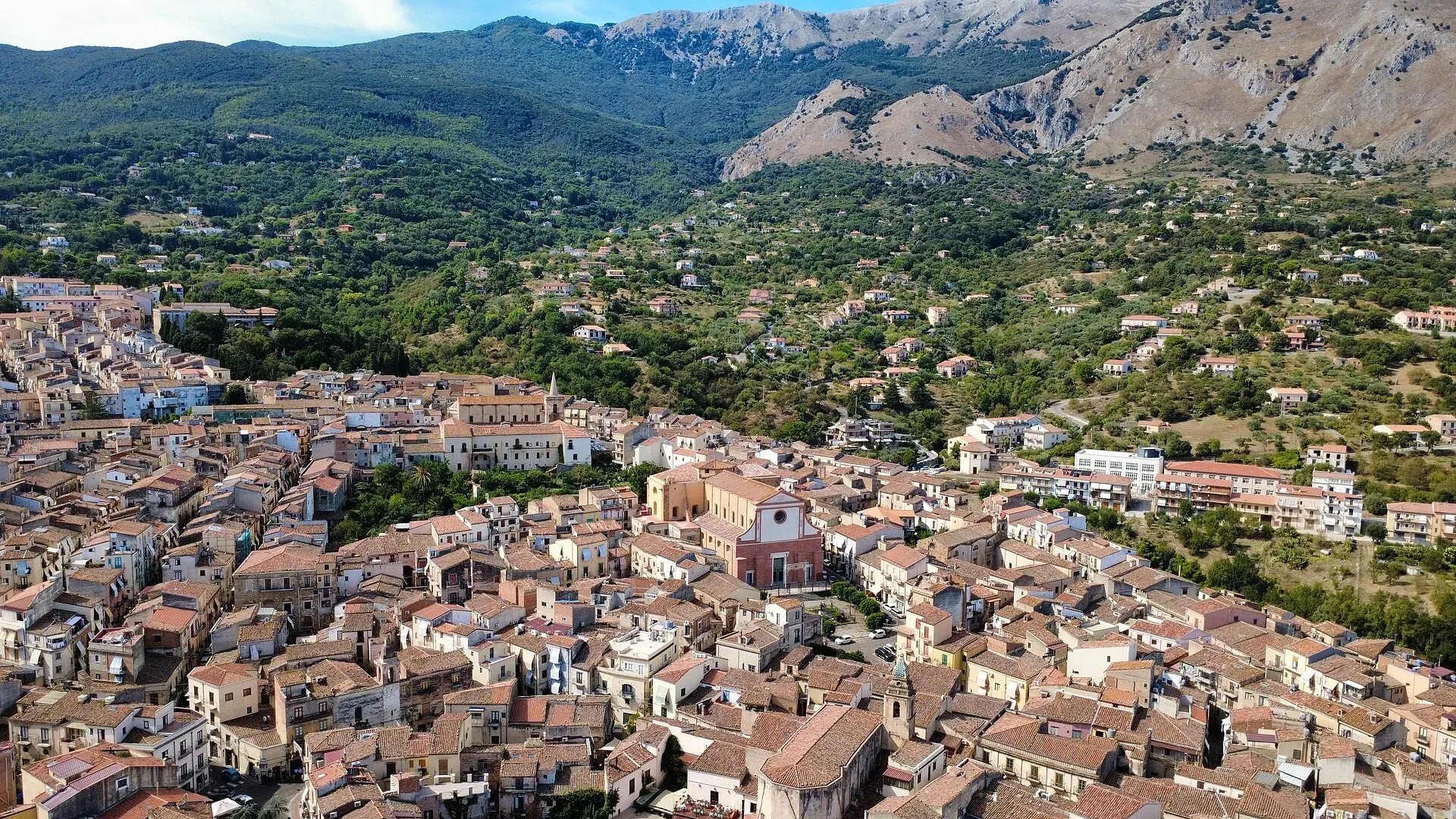
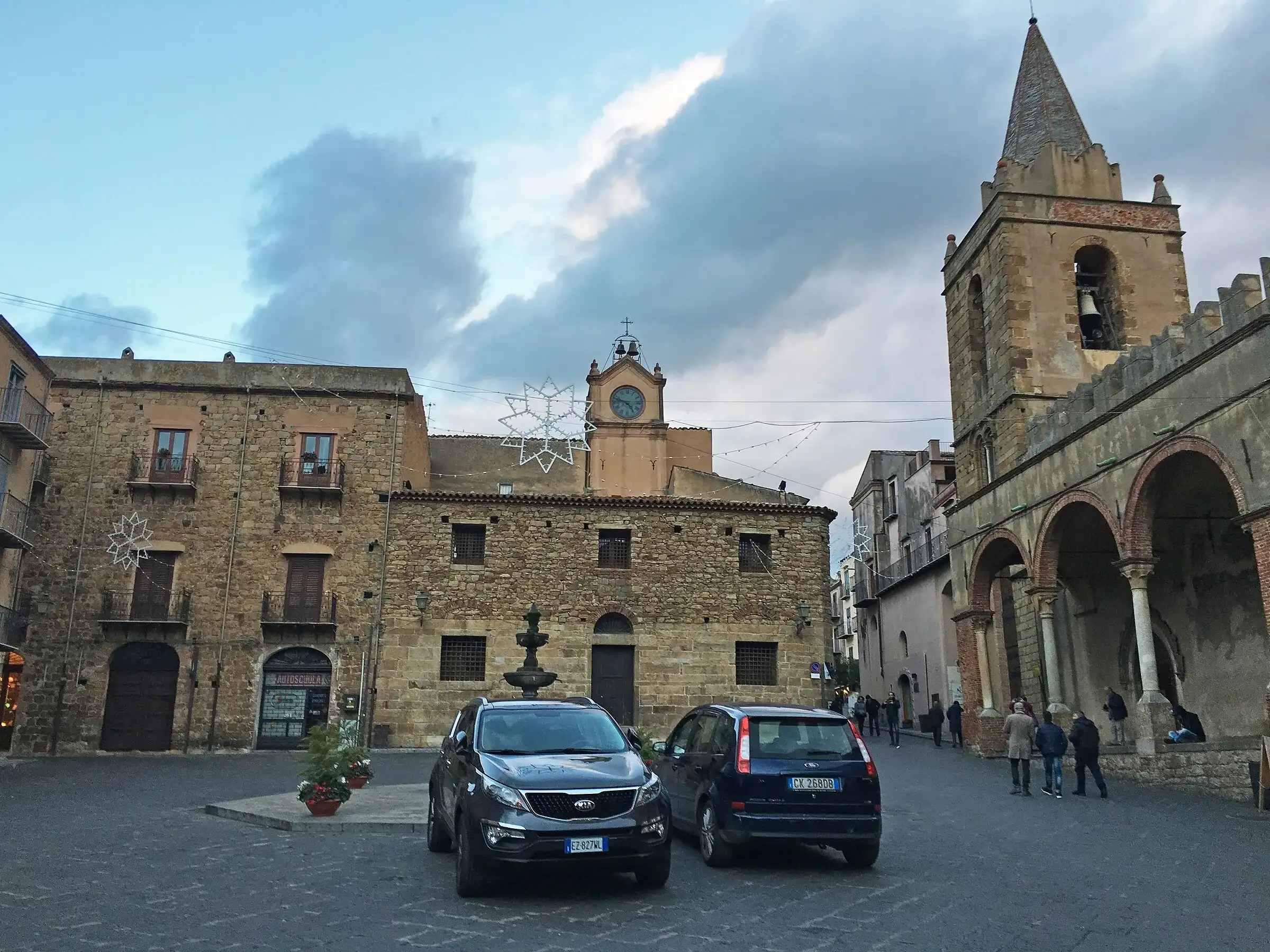
423 m a.s.l.
Castelbuono
The town of the Ventimiglia castle, manna and testa di turco
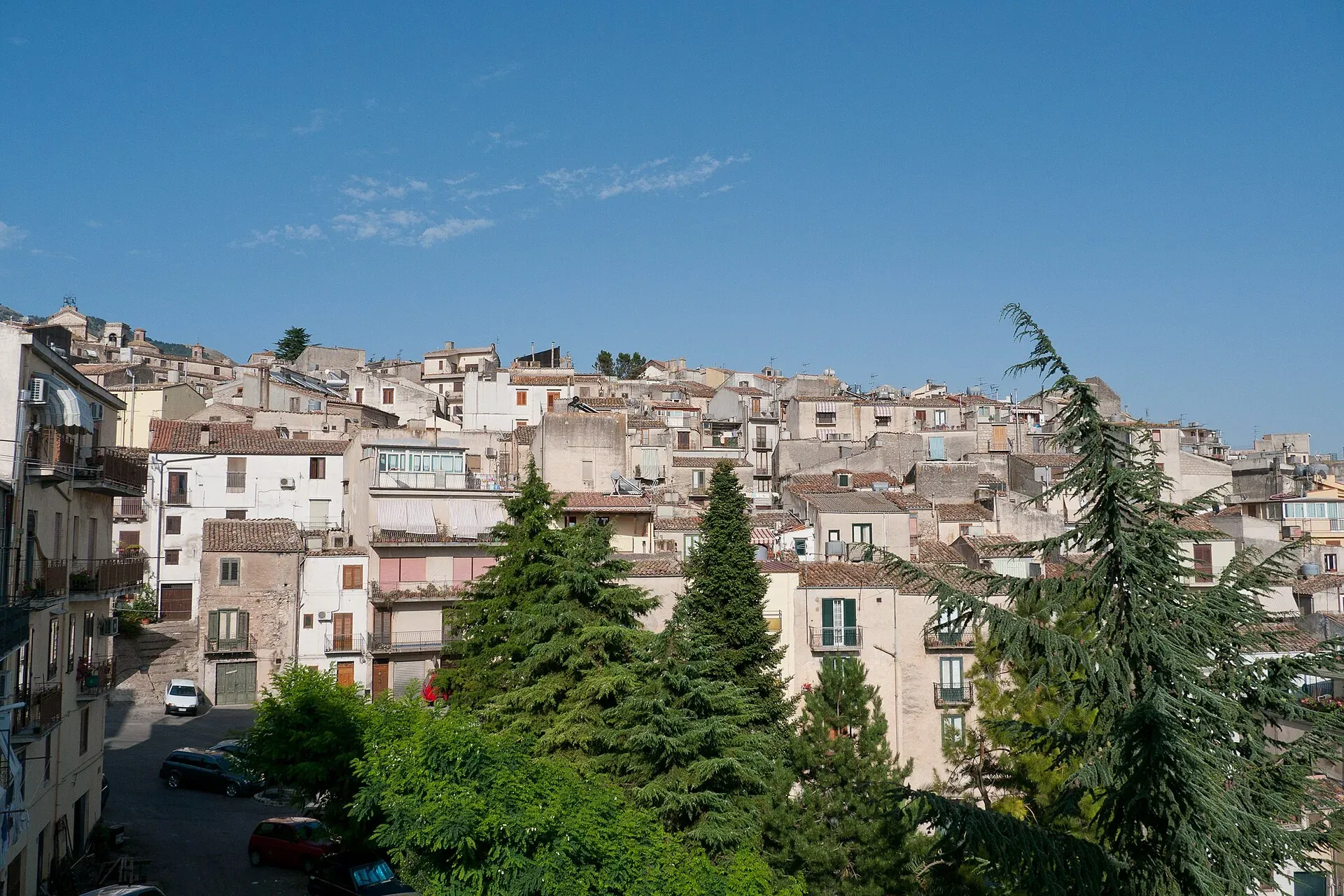
920 m a.s.l.
Polizzi Generosa
The town of the Abies nebrodensis, sfoglio and badda beans
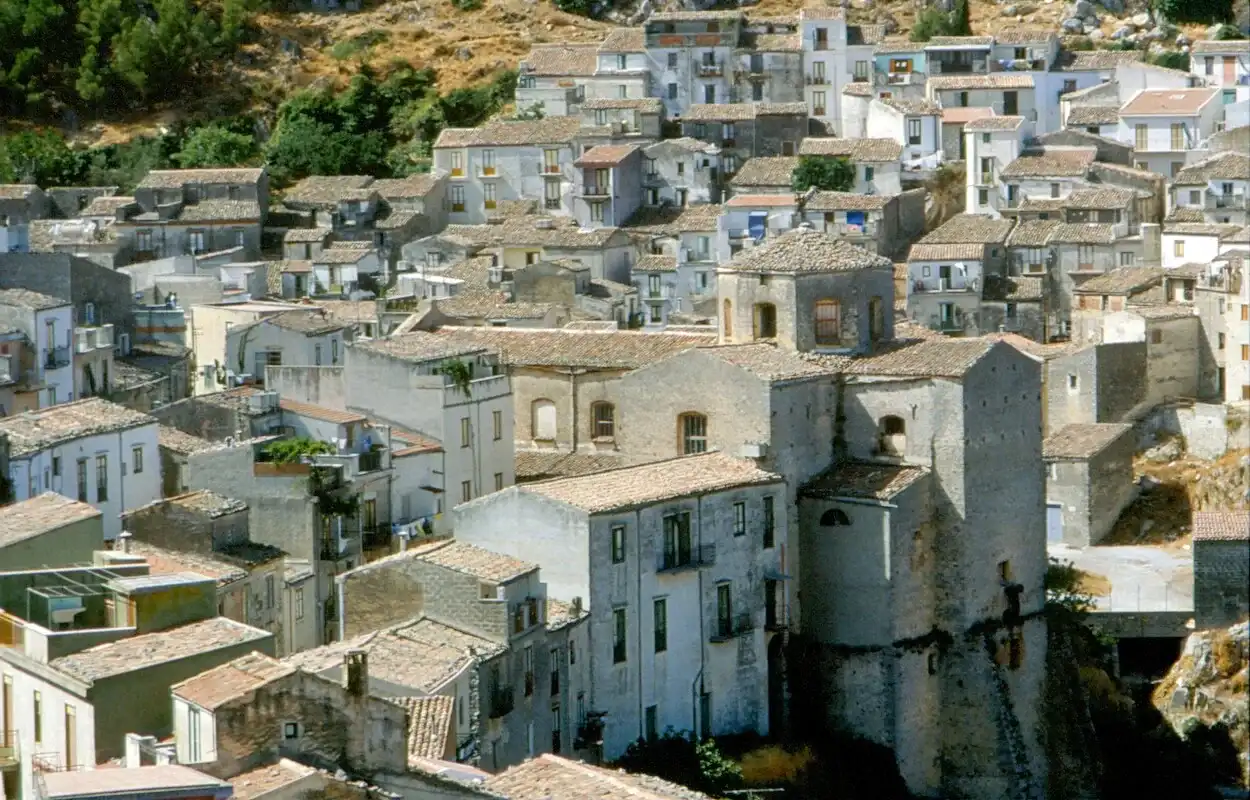
680 m a.s.l.
Gratteri
The terrace over the Tyrrhenian Sea above Cefalù
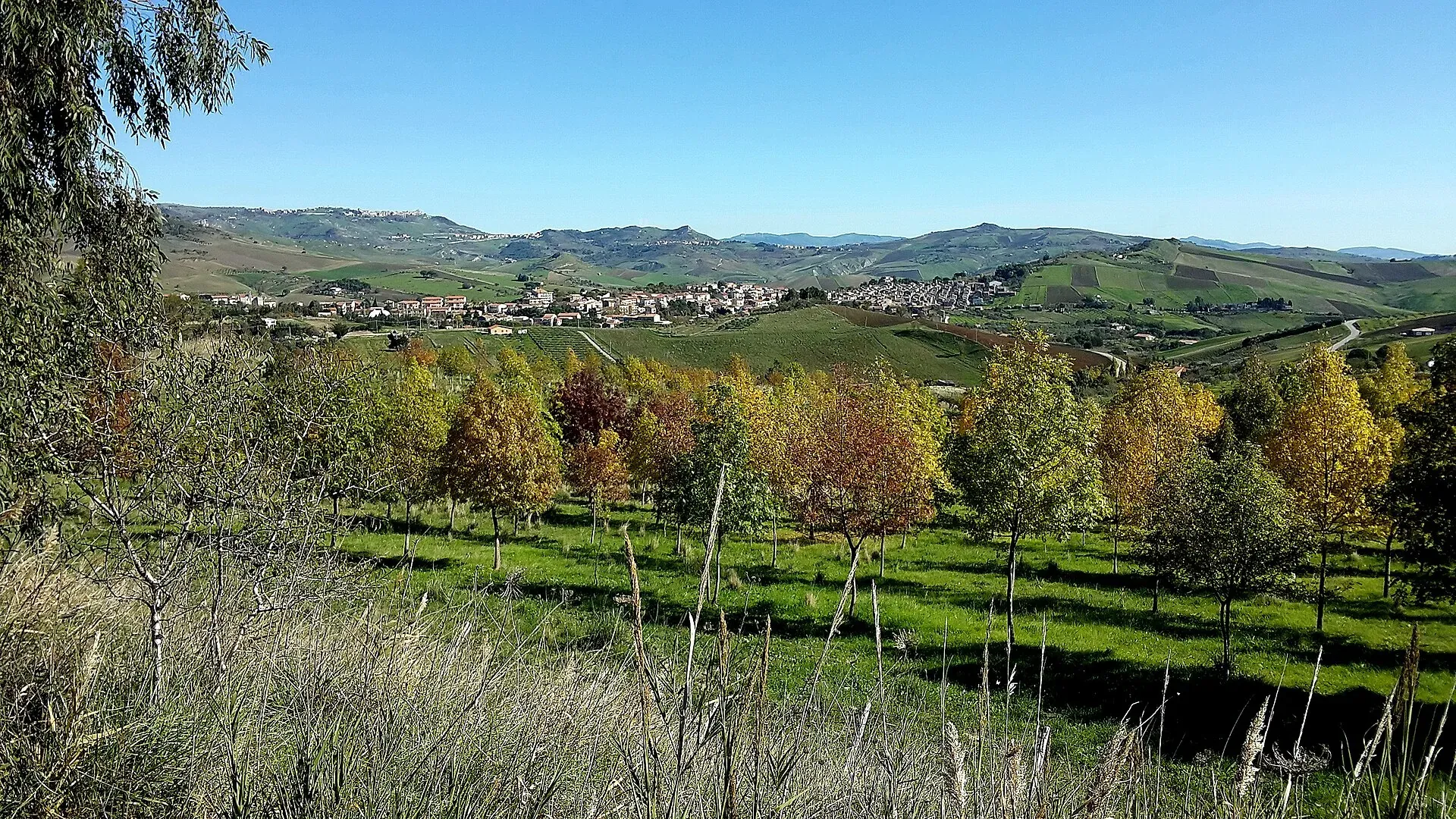
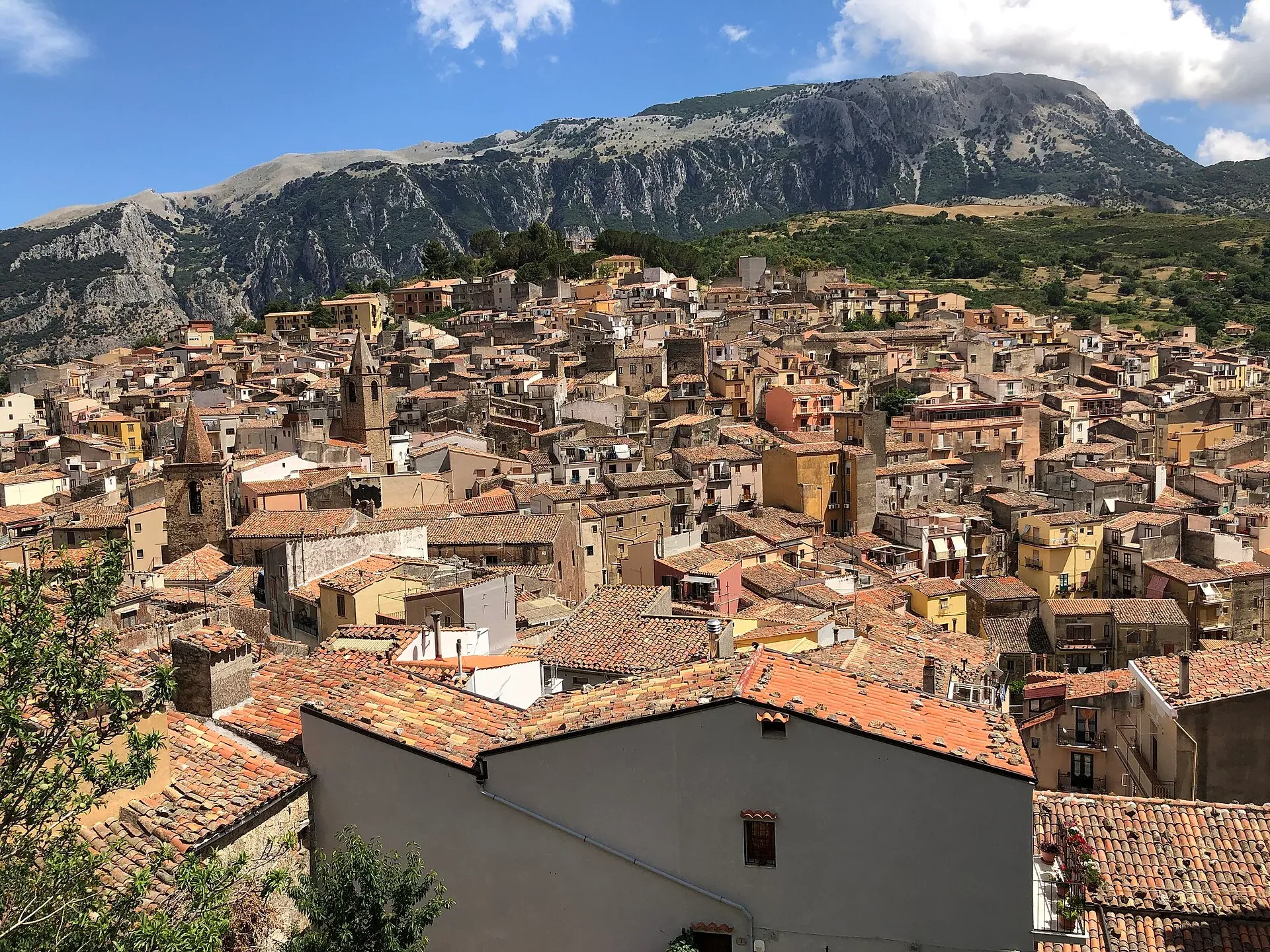
774 m a.s.l.
Castellana Sicula
The village of hamlets and murals
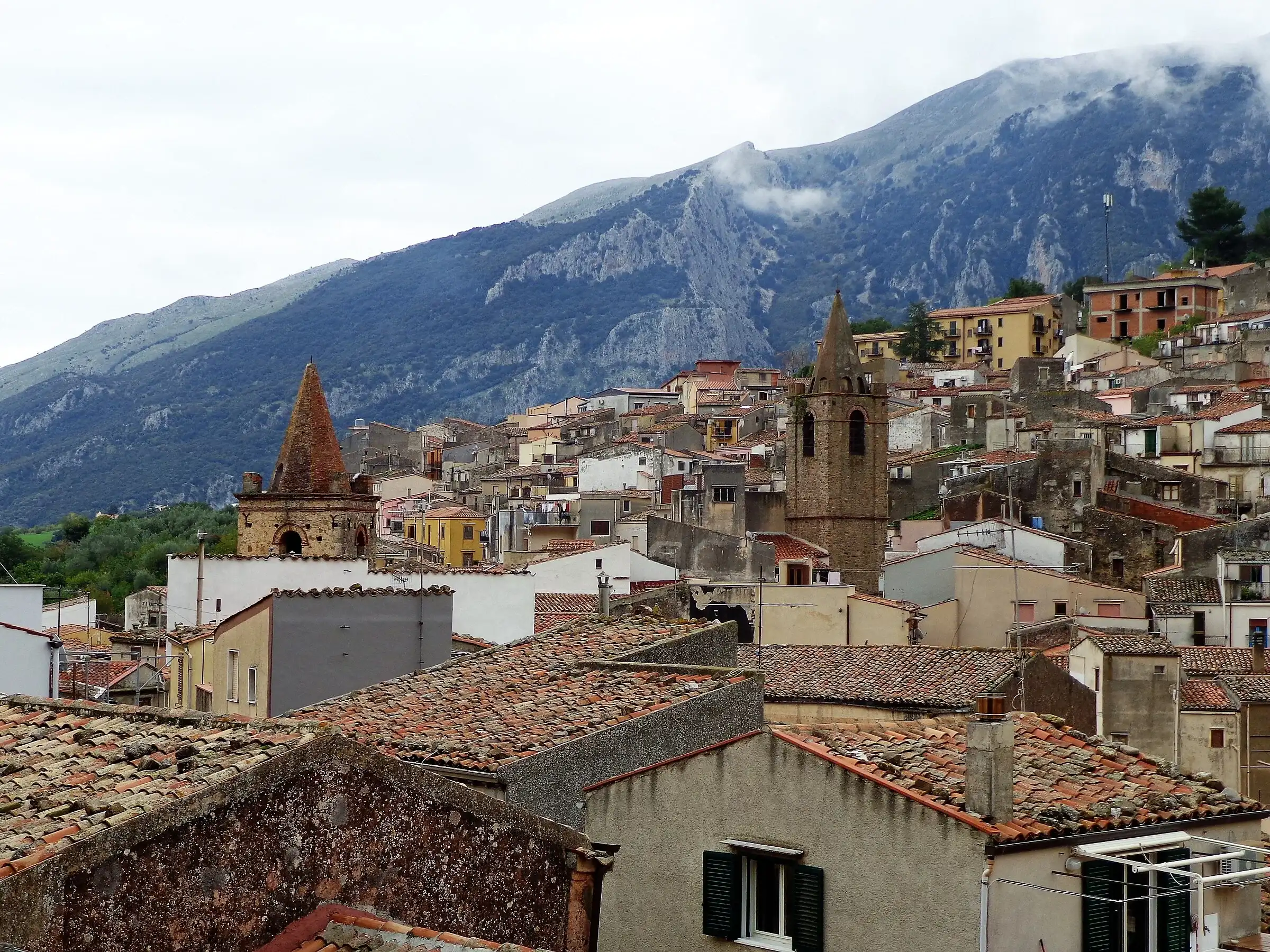
583 m a.s.l.
Isnello
The town of the stars, beneath the Madonie cliffs
Events
See also
Food
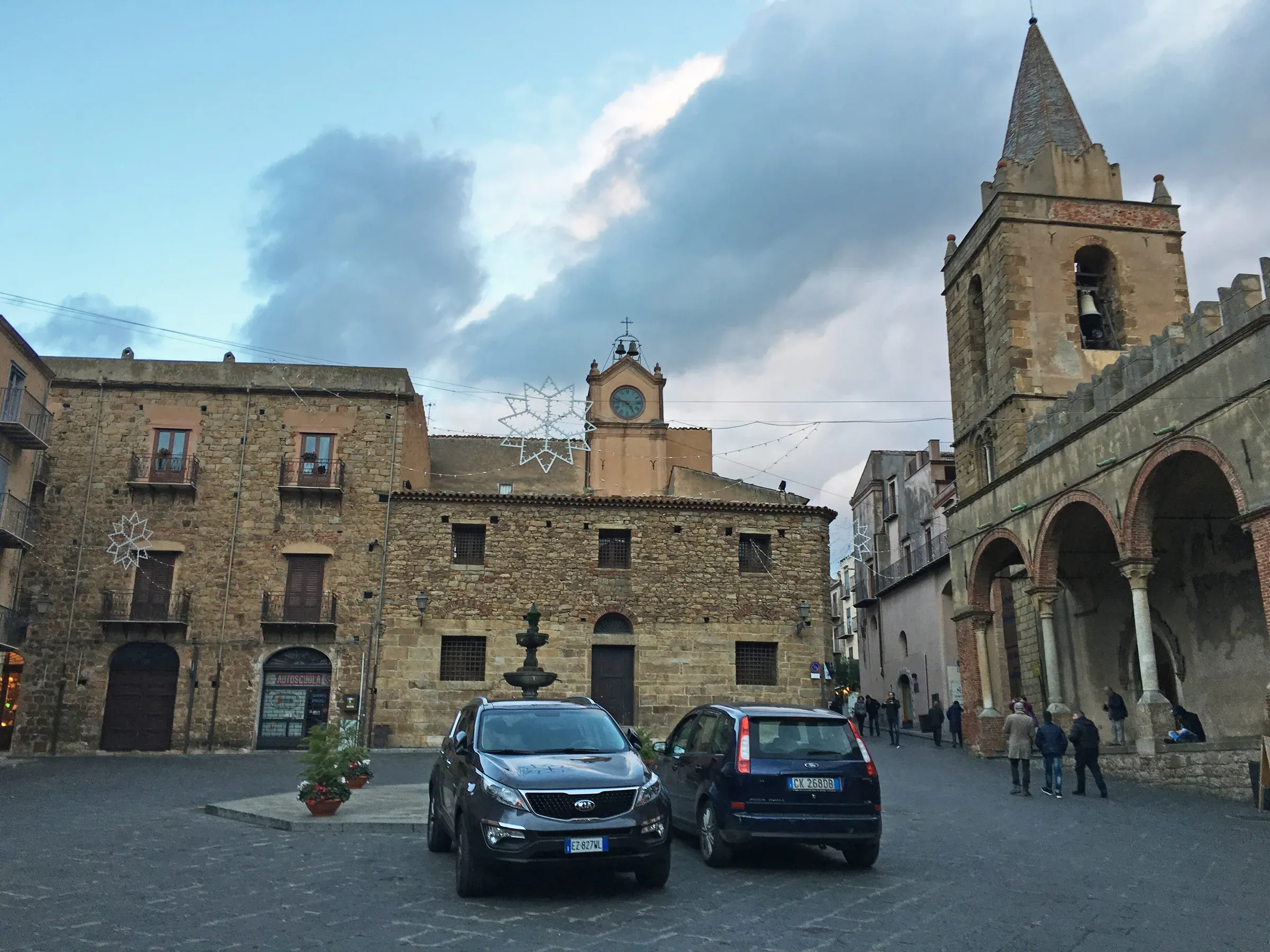
Madonie desserts: testa di turco, sfoglio and more
Madonie desserts town by town: Castelbuono's testa di turco, Polizzi's sfoglio, manna panettone, Gratteri's biscuits, and where to buy them.
Food
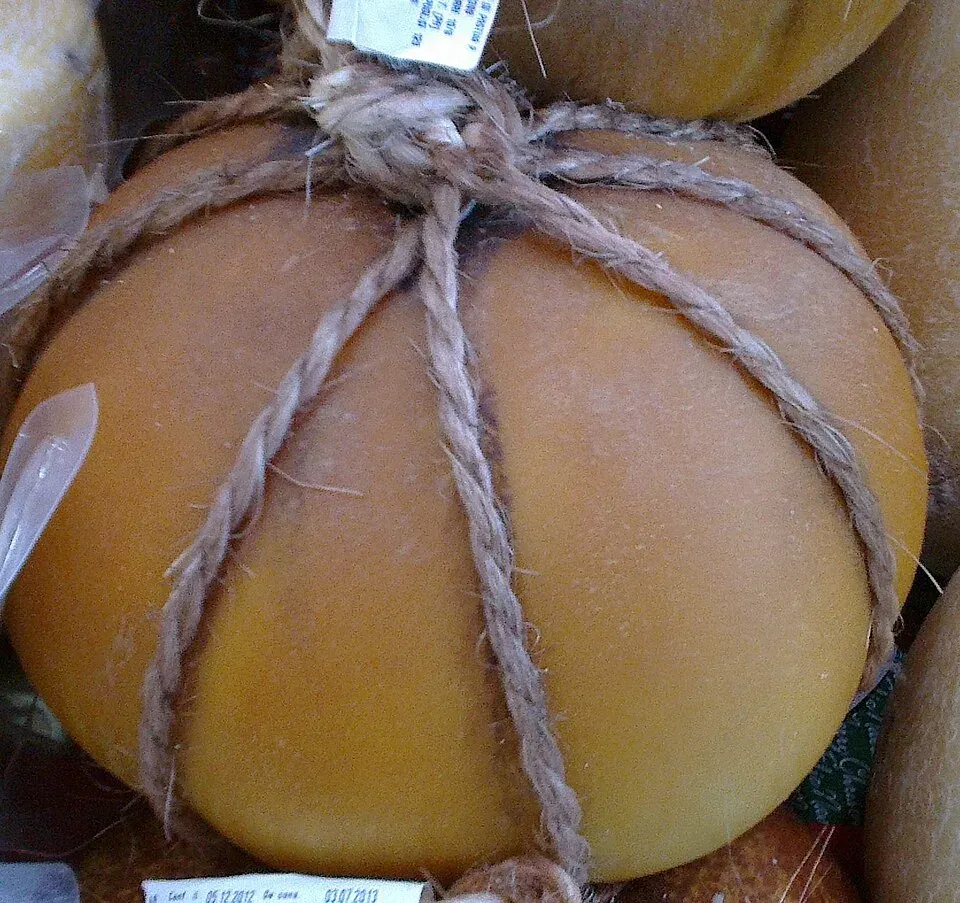
Madonie cheeses: provola, caciocavallo and ricotta
Madonie cheeses one by one: Slow Food provola, caciocavallo, Gratteri's canestrato, ricotta and tuma, with farms to visit, cheese festivals and pairings.
Food
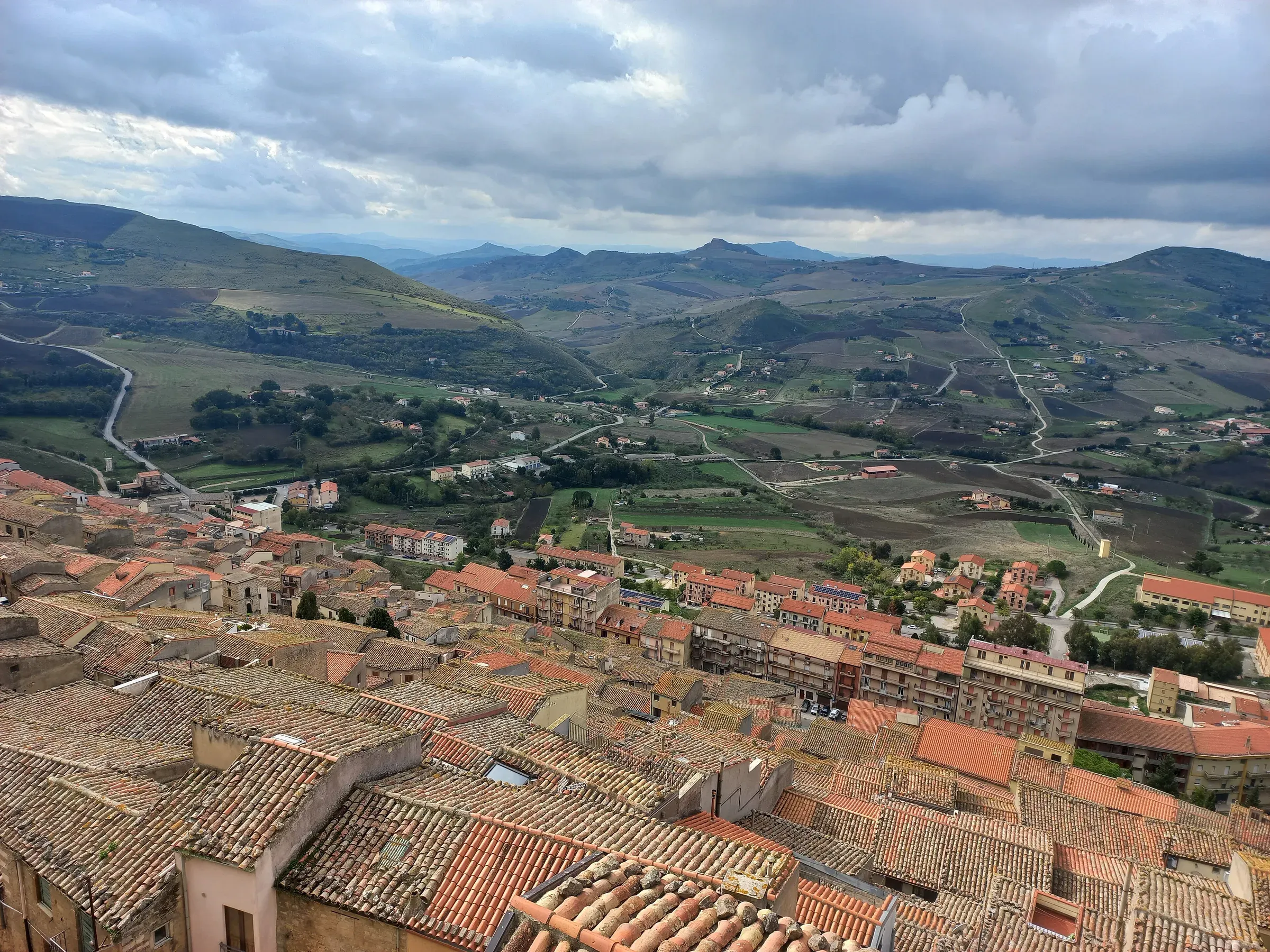
Madonie beans and ancient grains: the badda bean
Polizzi Generosa's badda bean, a Slow Food Presidium, Isnello's broad beans and the ancient grains of the Madonie: what they are, harvest times, where to buy.
Food
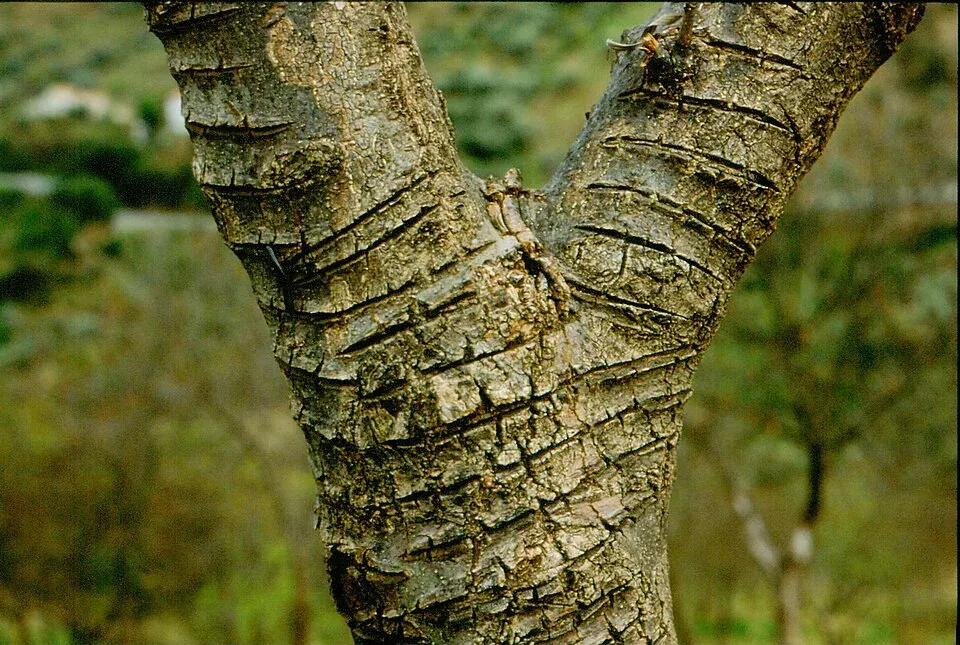
Madonie manna: what it is, how it's made, where to buy it
Madonie manna is the sap of ash trees cut by hand around Castelbuono and Pollina: Slow Food Presidium, summer harvest, grades, uses and where to buy it.