Food
Food of the Madonie
Madonie desserts town by town: Castelbuono's testa di turco, Polizzi's sfoglio, manna panettone, Gratteri's biscuits, and where to buy them.
The typical desserts of the Madonie are few, closely tied to one town and almost all recognised as traditional products of Sicily. Castelbuono has testa di turco, the spoon dessert of the winter holidays, and the manna panettone born in Piazza Margherita. Polizzi Generosa has sfoglio, the cake filled with tuma cheese and chocolate invented by the nuns. Gratteri makes fennel biscuits, taralle and vastedda fritta.
At a glance
| Dessert | Town | What it is | When |
|---|---|---|---|
| Testa di turco | Castelbuono | fried pastry sheets and cinnamon milk cream | from the Immaculate Conception to Carnival |
| Sfoglio | Polizzi Generosa, Castellana Sicula | shortcrust filled with tuma, chocolate, candied pumpkin and cinnamon | feast days, also in pastry shops |
| Panettone and manna leavened cakes | Castelbuono | leavened cakes with manna, citrus and almonds | Christmas and Easter |
| S biscuits | Gratteri | sourdough biscuits with fennel seeds | all year, fresh |
| Taralle (savoiarde) | Gratteri | oval biscuits of eggs, sugar and flour | all year, fresh |
| Vastedda fritta | Gratteri | fried bread dough, with sugar or salt | all year, festival in August |
Testa di turco is a spoon dessert. The technical sheet of the Sicilian Region describes it as layers of thin fried pastry sheets and “a very delicate milk cream scented with cinnamon and lemon”. It is on the national list of traditional food products.
In the sheet’s version the pastry is made with flour, whole eggs and lard. It is rolled thin, cut into rectangles of about 10 centimetres, scored with four parallel cuts and fried: as they cook the strips rise and fall and take on the shape of a turban. Then they are covered with cream and dusted with grated chocolate.
Other versions, like the one from the Pro Loco of Castelbuono published by ilSicilia in 2020, finish with cinnamon and coloured sprinkles. The step-by-step recipe is in the guide to traditional Madonie recipes.
In Castelbuono it was the festive dessert, from the Immaculate Conception to Carnival, Luciana Cusimano of the Friends of the Civic Museum association told ilSicilia. Every family has its own recipe and its secret ingredient, and people still argue about whether egg yolk belongs in the cream.
Two legends explain the name, neither documented:
Do not confuse it with the testa di turco of Scicli, a large filled choux pastry linked to the feast of the Madonna delle Milizie. The regional sheet itself warns that in many places on the island the same name refers to different desserts.
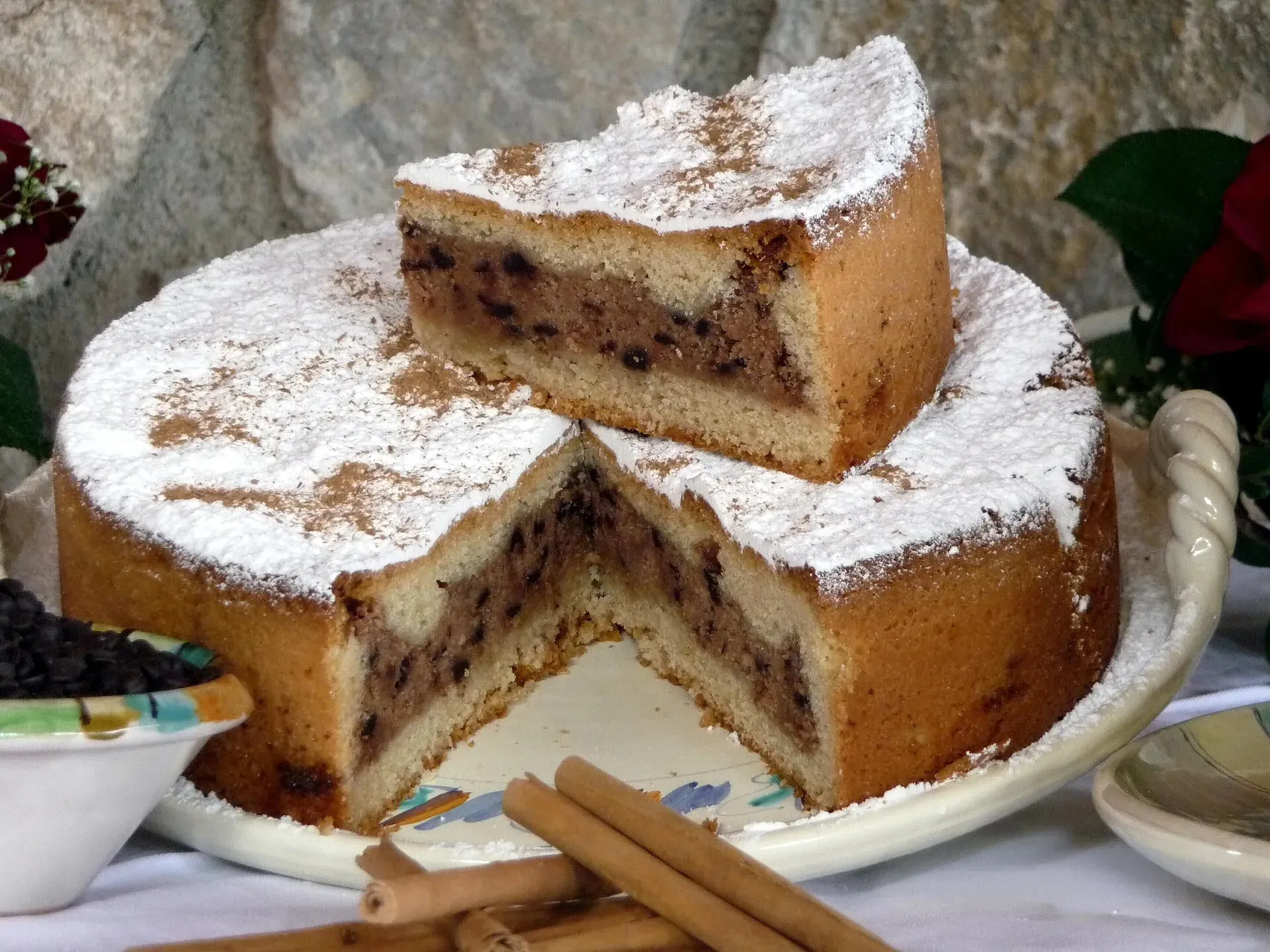
Sfoglio, sfuagghiu in dialect, is a shortcrust pastry cake filled with tuma, pecorino at its first stage of maturing, chocolate, sugar and cinnamon. Many recipes add zuccata, candied pumpkin.
According to the tourism website of Polizzi Generosa, it was invented between the 17th and 18th centuries by the Benedictine nuns of the convents of Santa Margherita and Santa Maria delle Grazie, the Old Abbey and the New Abbey. Tradition links the recipe to the feast of Saint Benedict and to a summer visit by Count Roger: in summer the ricotta was watery and poor, so the nuns chose the tuma that shepherds gave them for the use of their pastures.
When the convents closed, the recipe passed to local families. Today every household has its own version, and you also find sfoglio in the town’s pastry shops.
Sfoglio is on the list of traditional products of Sicily, but the regional sheet attributes it to Castellana Sicula, with a dough worked with wine and a filling of almonds, chocolate, tuma and candied pumpkin. In 2019 Balarm reported that Polizzi’s pastry makers had set up a consortium to protect the recipe, and mentioned a summer festival in town.
In 2018 ANSA covered the dispute between Polizzi Generosa and Petralia Soprana, which had given sfoglio its own municipal designation: Polizzi threatened to go to court. The recipe with quantities is in the guide to traditional Madonie recipes.
Castelbuono is the manna town, and manna found its way into desserts. The best-known story is Fiasconaro’s: according to the company, in 1953 Mario Fiasconaro opened a small ice cream shop in Piazza Margherita, known for citrus granitas made with snow stored in the Madonie. His sons, back in town after years of training, steered the great Italian leavened cake towards Sicilian ingredients: citrus, almonds, pistachios and manna.
Today its panettoni and colombe leave Castelbuono for more than 75 countries. The pastry shop in Piazza Margherita has its own page: Fiasconaro in Castelbuono.
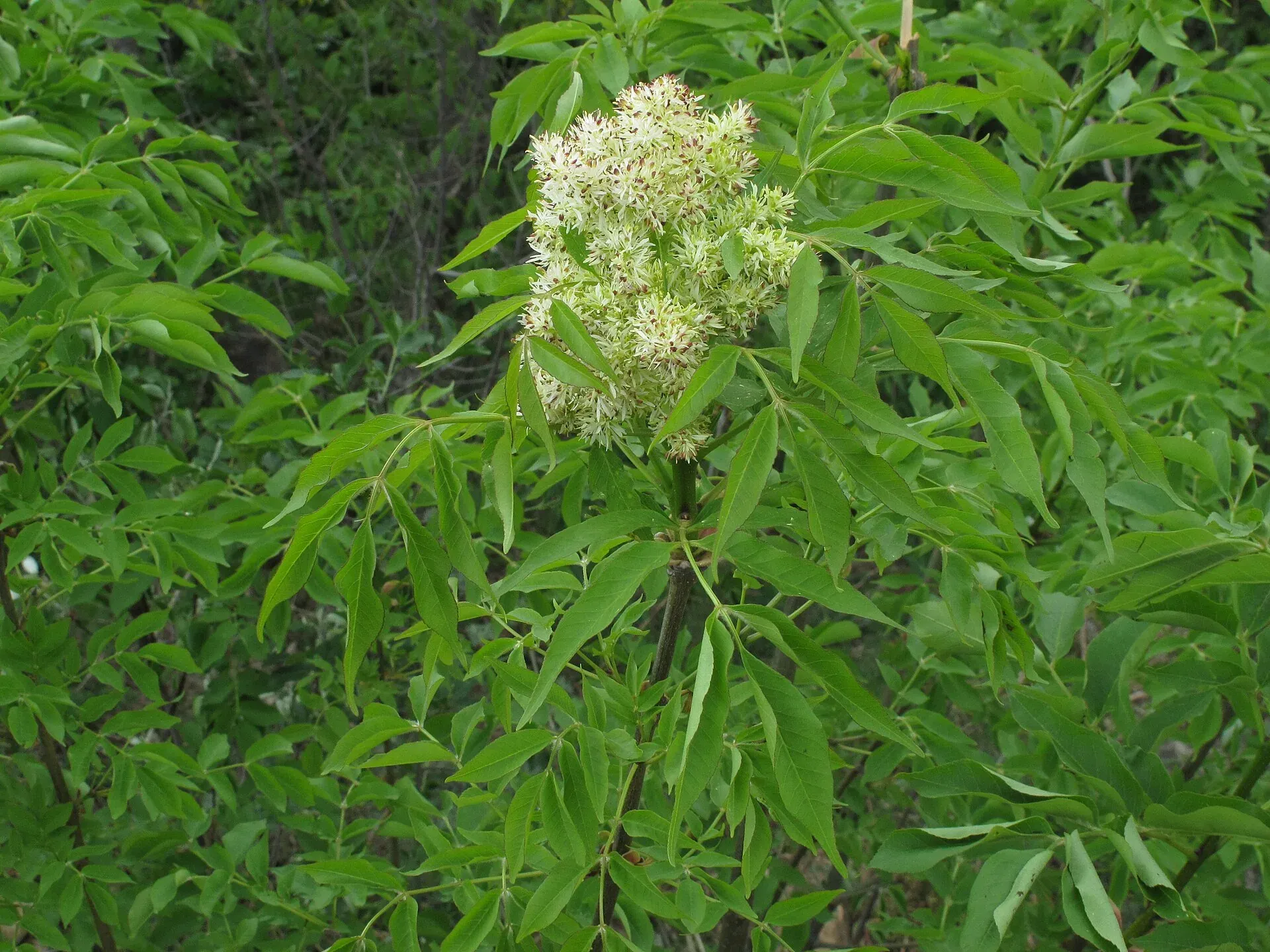
Manna is also used in home baking: cakes, biscuits, puddings and creams, the Slow Food Presidium writes. For what it is, how it is harvested and how to recognise it, see the guide to Madonie manna.
Gratteri, above Cefalù, has three products on the regional list of traditional products, all baked or fried and best eaten fresh. The regional sheets describe them as follows:
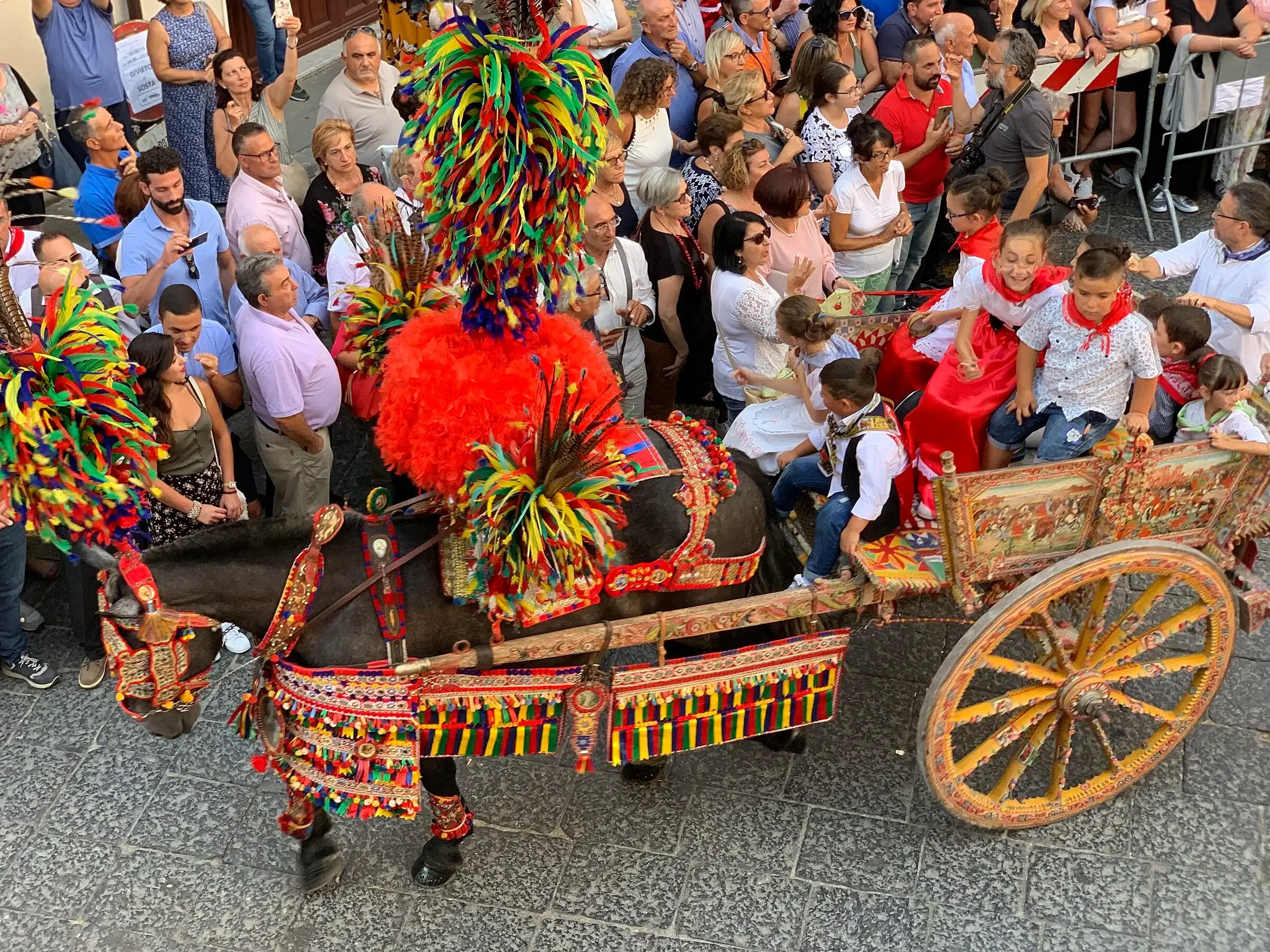
The village holds a festival for the vastedda in mid-August, the Sagra della Vastedda Fritta, with frying in the square and a parade of Sicilian carts. For local places, see where to eat in Gratteri.
Two summer festivals round out the picture of Madonie sweets:
In December, from the long weekend of the Immaculate Conception, Dolcemente Castelbuono brings the town’s historic pastry shops together in a village of wooden huts, with free tastings, a giant buccellato and testa di turco. Buccellato is also among the traditional products of Sicily.
For the rest of Madonie cooking, from cheese to beans, read what to eat in the Madonie. If you want to pair a dessert with a festival, the Madonie food festival calendar lists them by season.
Updated on 19 October 2026
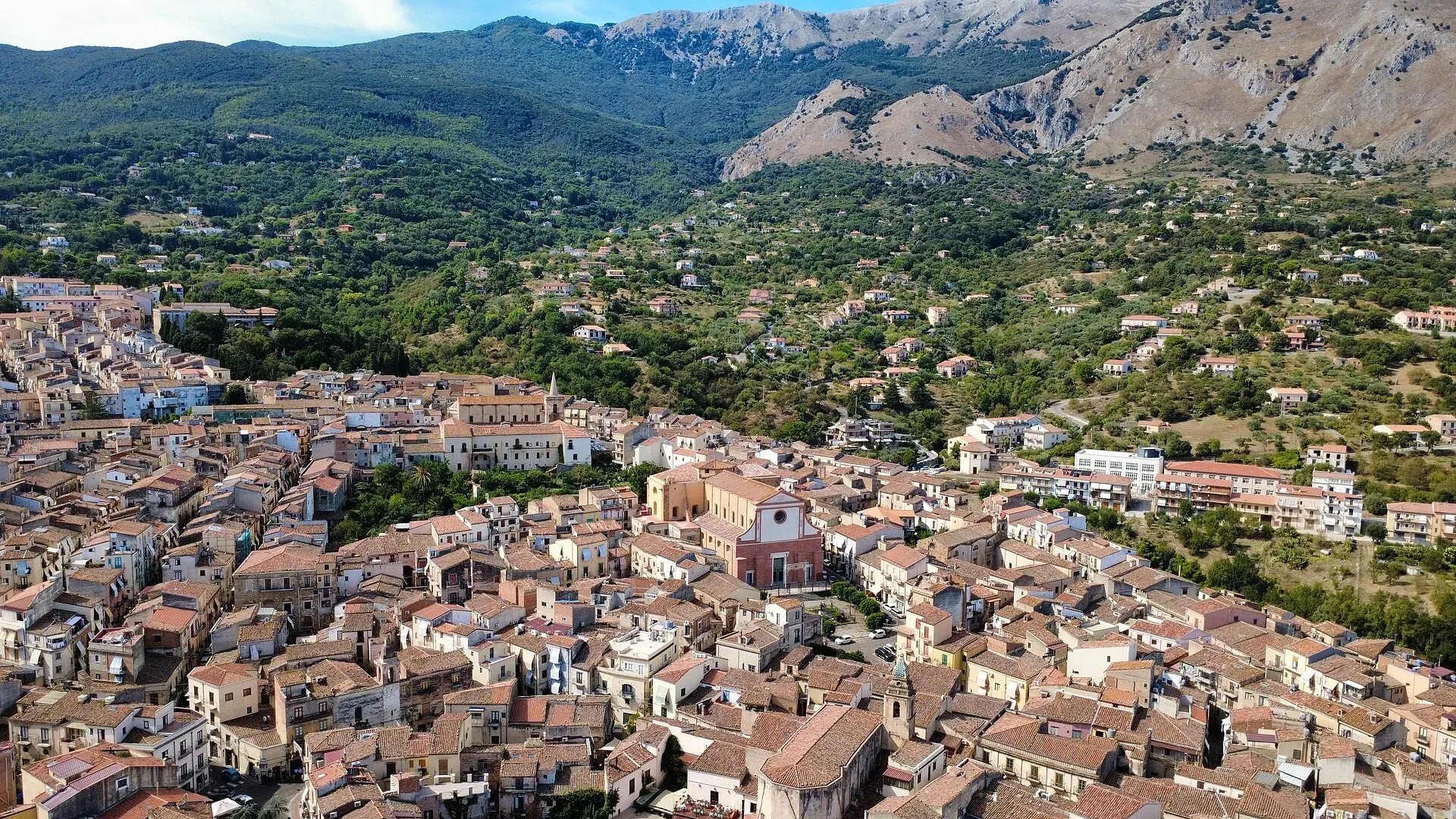
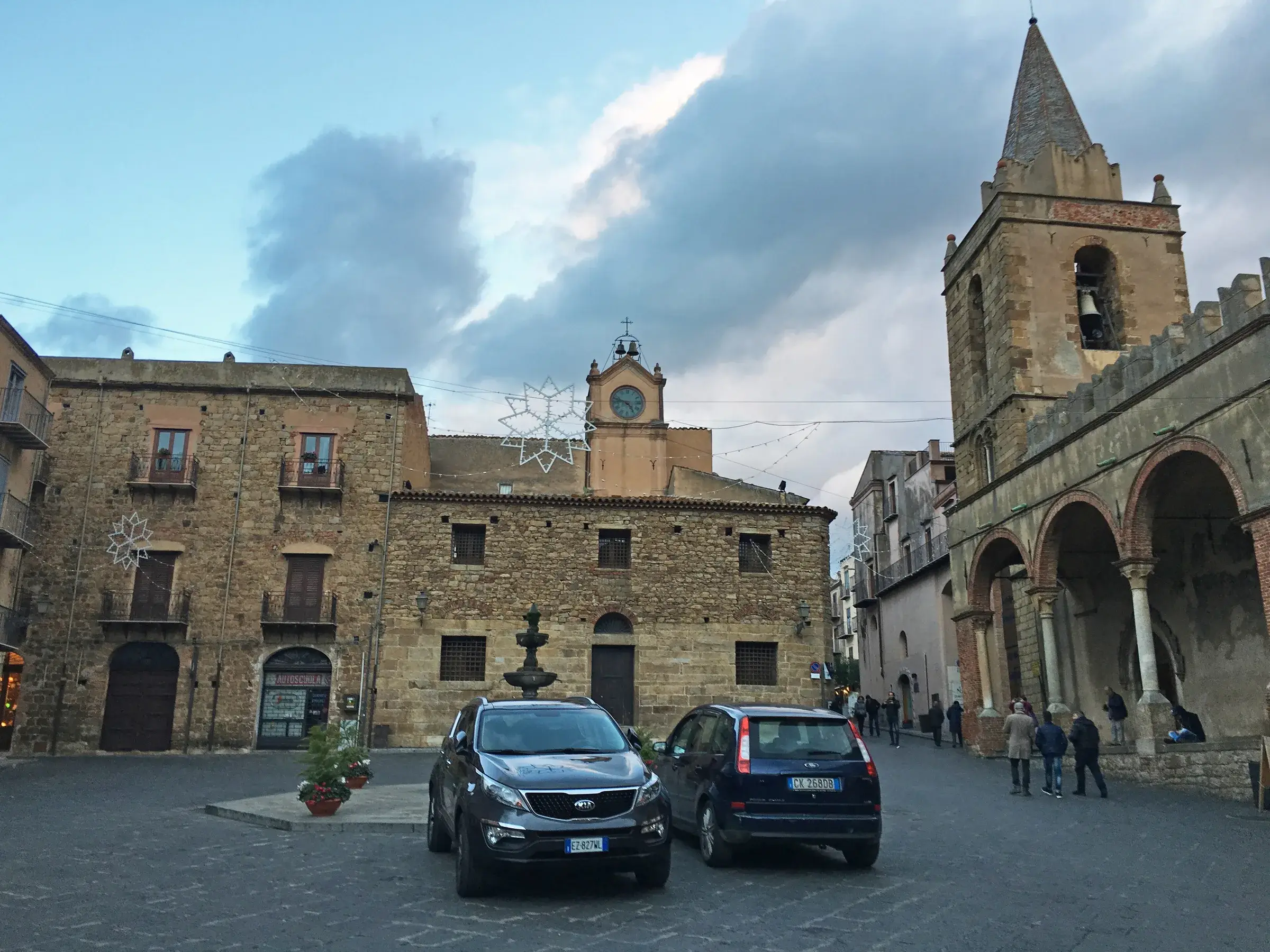
423 m a.s.l.
The town of the Ventimiglia castle, manna and testa di turco
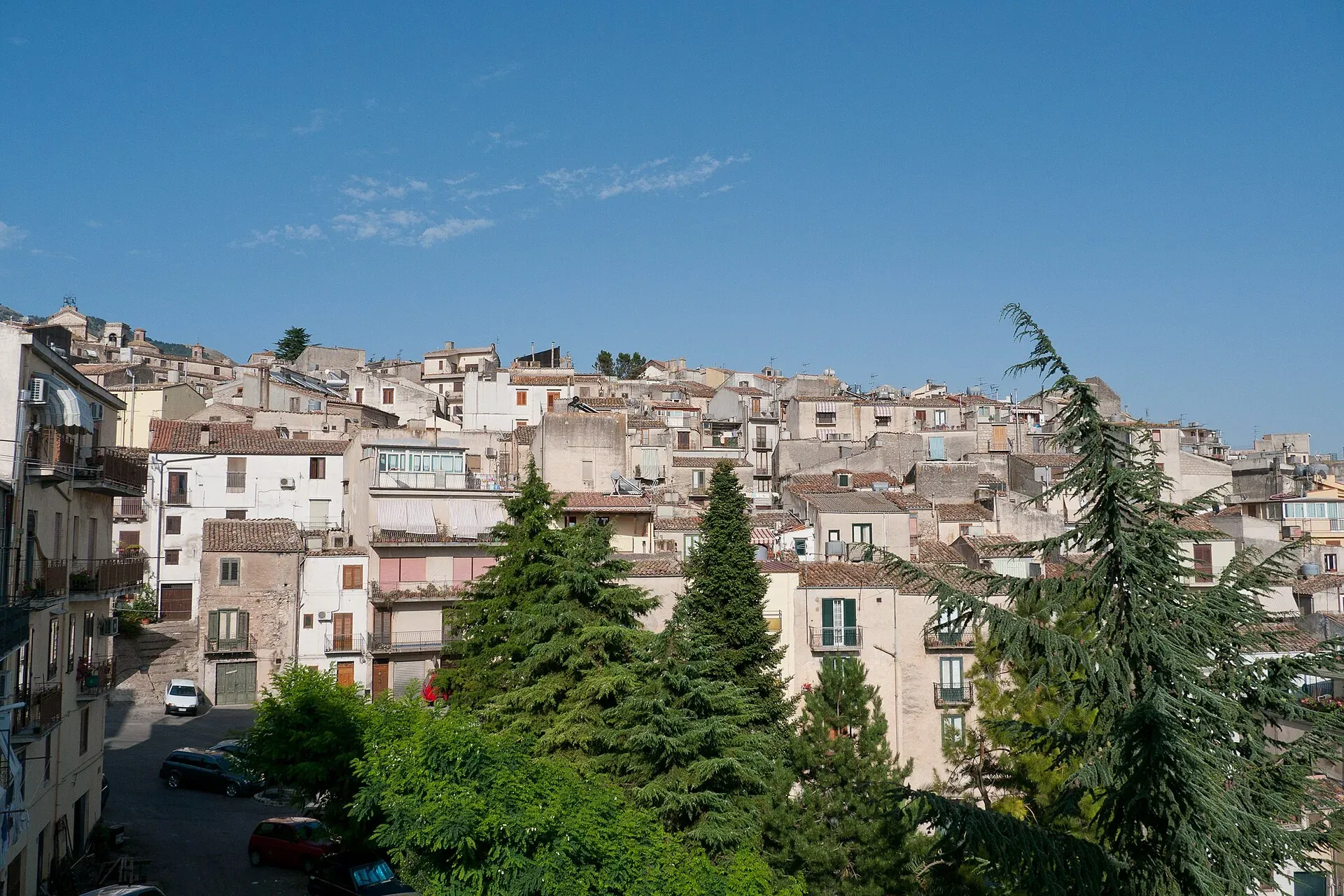
920 m a.s.l.
The town of the Abies nebrodensis, sfoglio and badda beans
774 m a.s.l.
The village of hamlets and murals
680 m a.s.l.
The terrace over the Tyrrhenian Sea above Cefalù
1,147 m a.s.l.
The highest town in the Madonie, Borgo dei Borghi 2018
 Over
Market · Castelbuono
 Over
Food festival · Castellana Sicula
 Over
Food festival · Gratteri
 Over
Food festival · Polizzi Generosa
Food
Madonie manna is the sap of ash trees cut by hand around Castelbuono and Pollina: Slow Food Presidium, summer harvest, grades, uses and where to buy it.
Food
Documented Madonie recipes step by step: Castelbuono's testa di turco, Polizzi's sfoglio, Gratteri's vastedda fritta and taralle, bread and broad beans.
Food
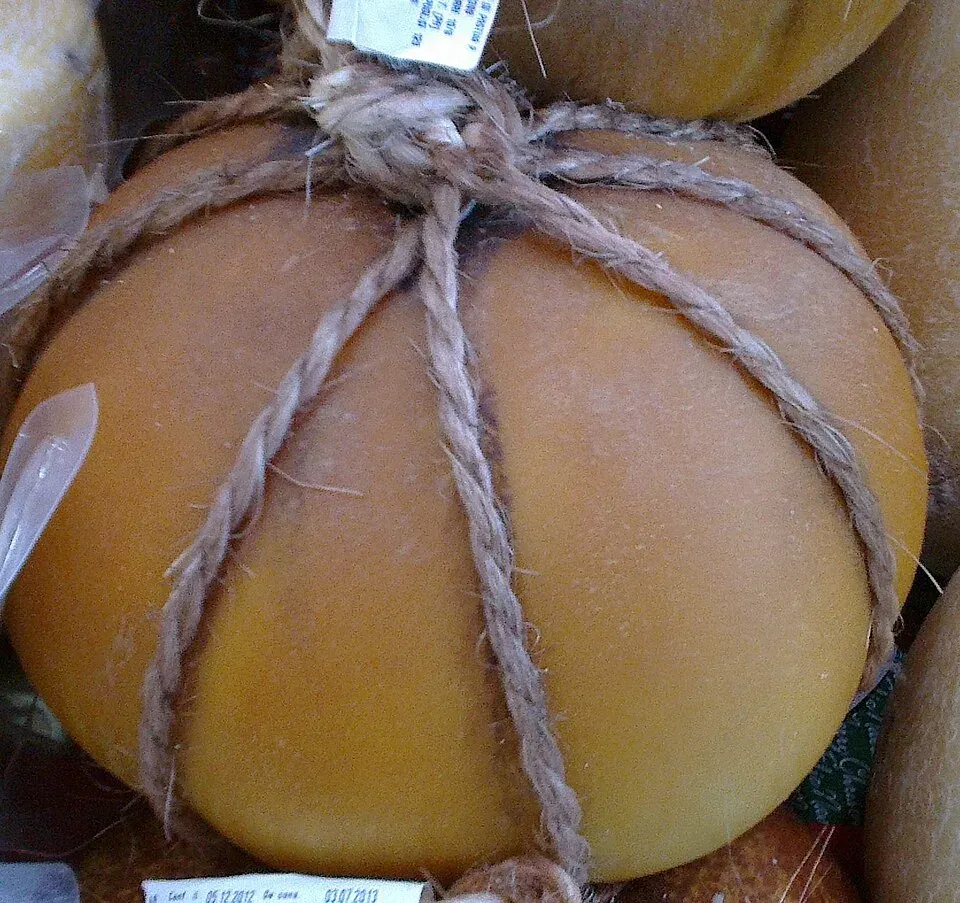
Madonie cheeses one by one: Slow Food provola, caciocavallo, Gratteri's canestrato, ricotta and tuma, with farms to visit, cheese festivals and pairings.
Food