History and culture
Churches of the Madonie: Cefalù Cathedral and the Gagini
Churches to see in the Madonie: Cefalù's Norman cathedral, mother churches with Gagini marbles, the Last Judgement of Gangi, the Polizzi triptych, Gibilmanna.
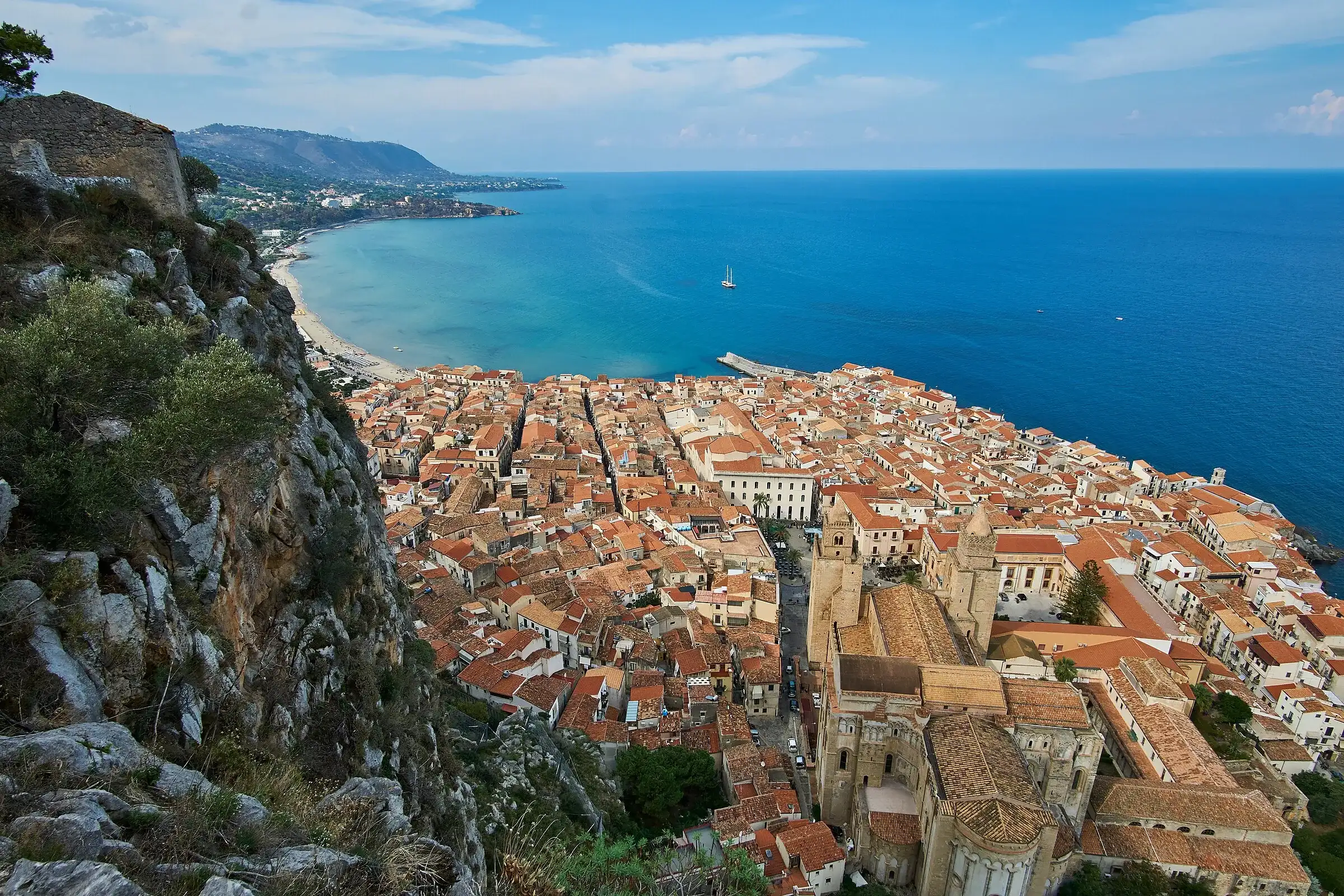
The most important church in the Madonie is Cefalù Cathedral, the Norman cathedral commissioned by Roger II in 1131 and a UNESCO site since 2015. But every village has a mother church worth a stop: Gagini marbles in Collesano, Isnello, Pollina and Geraci Siculo, the Last Judgement by lo Zoppo di Gangi, the Flemish triptych of Polizzi Generosa, the crucifixes of Frate Umile da Petralia.
At a glance
- Not to miss: Cefalù Cathedral, the Chiesa Madre of Gangi, the Chiesa Madre of Polizzi Generosa, the Basilica di San Pietro in Collesano.
- Names to know: the Gagini (sculptors, 15th-16th century), Giuseppe Salerno and Gaspare Vazzano (the two painters called “Zoppo di Gangi”), Frate Umile da Petralia (wooden crucifixes).
- Tickets: the mother churches are places of worship with free entry. In Cefalù the towers, cloister, close-up mosaics and Treasury are visited on paid itineraries.
- When: avoid Mass times and ask at the parish, because many village churches only open for services.
Cefalù Cathedral
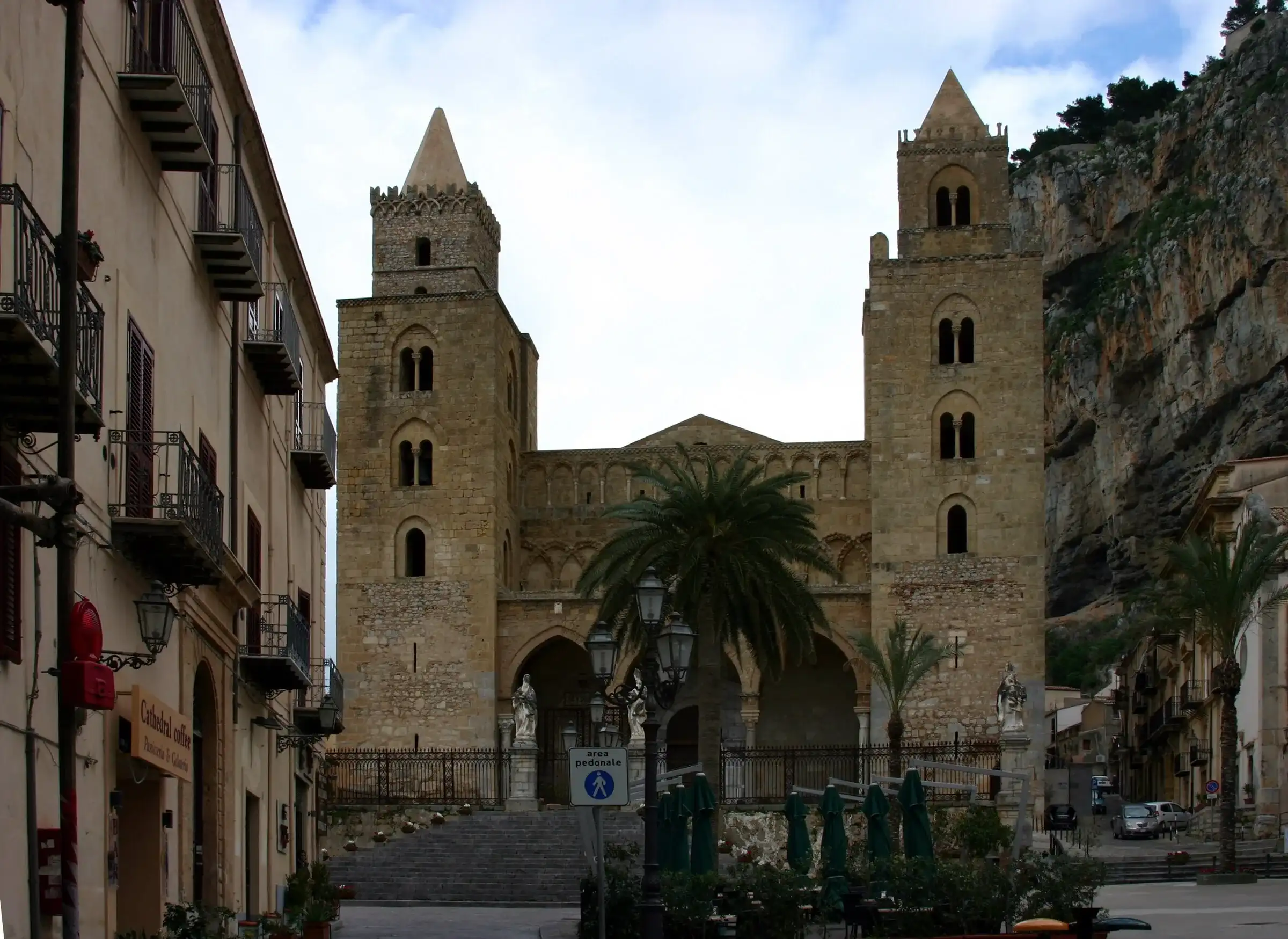
It is the cathedral that Roger II, first king of Sicily, wanted in his Cefalù, and according to the Ministry of Tourism portal its mosaics are a couple of decades older than those of Monreale. Roger II had it built from 1131. Tradition says it was a vow, after he escaped a storm by landing at Cefalù; other historians see the choice as a sign of the power of the new royal house (Balarm).
Since 3 July 2015 the cathedral has been part of the UNESCO site “Arab-Norman Palermo and the Cathedral Churches of Cefalù and Monreale”.
What to look at
- The two Norman towers of the facade, which give the church the look of a fortress.
- The portico in front of the main door, added in 1472.
- The right side, with battlements and apses decorated with interlaced arches.
- The apse with gold-ground mosaics and the great Christ Pantocrator.
- The stained glass of the nave and the large facade window, a modern work by the Palermo artist Michele Canzoneri.
- The cloister, from the 12th century, partly rebuilt after a fire in the 16th century.
Information on the building comes from the Ministry of Tourism portal Italia.it and the Balarm entry.
How to visit
The nave is a place of worship. The areas closed to the public are visited on itineraries run by the Cooperativa Il Segno for the Diocese of Cefalù: towers, cloister, mosaic area, Treasury museum and Osterio Magno, with tickets also sold online at duomocefalu.it. During services the mosaics cannot be visited.
The cathedral is on piazza Duomo, in the centre of Cefalù. The rest of the town is on the Cefalù page; the Rocca di Cefalù trail also starts here, with views of the cathedral from above.
Who were the Gagini and where are their works?
The Gagini were a family of sculptors and silversmiths. The founder, Domenico, came from Lake Lugano, worked in Genoa and settled in Palermo in 1463; he died in 1492. His son Antonello (1478-1536) is the best known, and sons and grandsons kept the workshop going until the 17th century (Wikipedia). In the Madonie you will find their works in almost every mother church.
This table brings together the works attributed to the Gagini and their workshop in the churches of this guide, with the sources used.
| Town | Church | Work |
|---|---|---|
| Collesano | Basilica di San Pietro | marble tabernacle of 1489, attributed to Domenico Gagini |
| Isnello | Chiesa Madre | marble ciborium by Domenico Gagini, 15th century |
| Polizzi Generosa | Chiesa Madre | marble shrine of San Gandolfo by Domenico Gagini; silver Holy Sacrament case by Nibilio Gagini |
| Pollina | Chiesa Madre | Madonna delle Grazie (1514-1517), Nativity group (1526) |
| Geraci Siculo | Chiesa Madre | statues of the Madonna della Neve and della Mercede, baptismal font |
| Caltavuturo | Chiesa Madre and Badia | tabernacle and Madonna delle Grazie of the Gagini school |
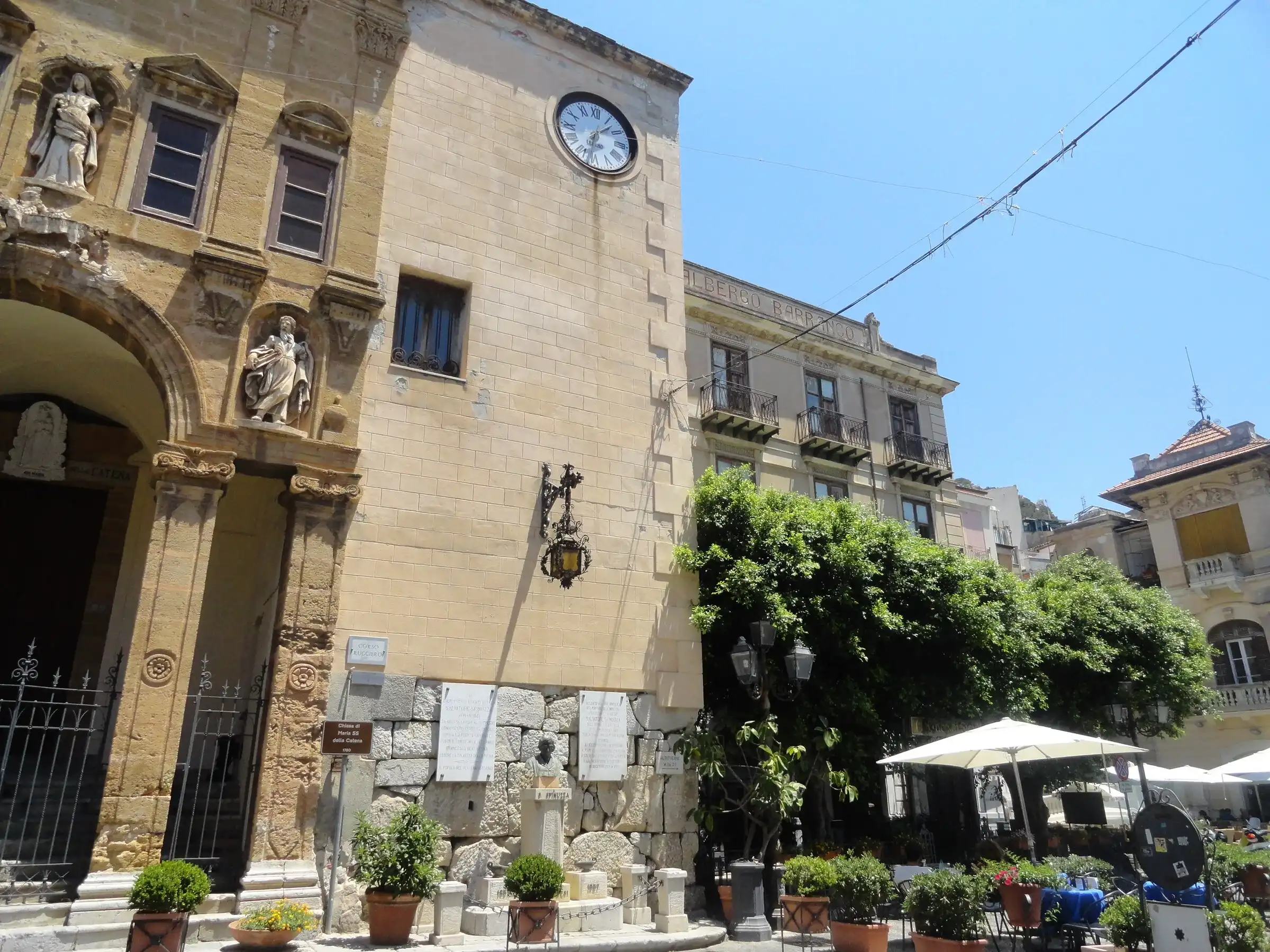
| Scillato | Sanctuary of Maria SS. della Catena | small statue of the Virgin of the Gagini school |
Sources: Consorzio Cefalù Madonie Himera (Collesano, Isnello, Pollina), Visit Polizzi Generosa, Ente Parco delle Madonie (Caltavuturo, Pollina, Scillato).
The Chiesa Madre of Gangi and the Last Judgement
The Chiesa Madre of San Nicolò stands on piazza del Popolo, joined to the Ventimiglia Tower: the tower was a civic tower and now serves as bell tower and as a vestibule to the entrance. The church began in the 14th century with a single nave and gained three naves in the 16th and 17th centuries (Consorzio Cefalù Madonie Himera).
Inside is the Last Judgement by Giuseppe Salerno, known as lo Zoppo di Gangi, dated 1629. Salerno took Michelangelo’s Last Judgement as a model and added his own scenes: Christ the judge, the open books, the skin of Saint Bartholomew, Charon’s boat (Balarm).
More to see:
- wooden statues attributed to the Gangi sculptor Filippo Quattrocchi;
- the San Nicola on the high altar, from 1661, by Scipione Li Volsi;
- the Oratory of the Holy Sacrament, frescoed in the 18th century;
- the crypt known as the Fossa di parrini, with the mummified bodies of 63 priests (Balarm).
Gangi also has the first crucifix by Frate Umile da Petralia, in the church of the Salvatore. The town is on the Gangi page.
The Chiesa Madre of Polizzi Generosa and the Flemish triptych
Polizzi Generosa is the town of churches: according to the Ente Parco every religious order was present here, with churches and convents full of works of art. The Chiesa Madre of Maria Santissima Assunta was built in the Arab-Norman style, enlarged in the 14th century and almost entirely rebuilt in the 18th (Visit Polizzi Generosa).
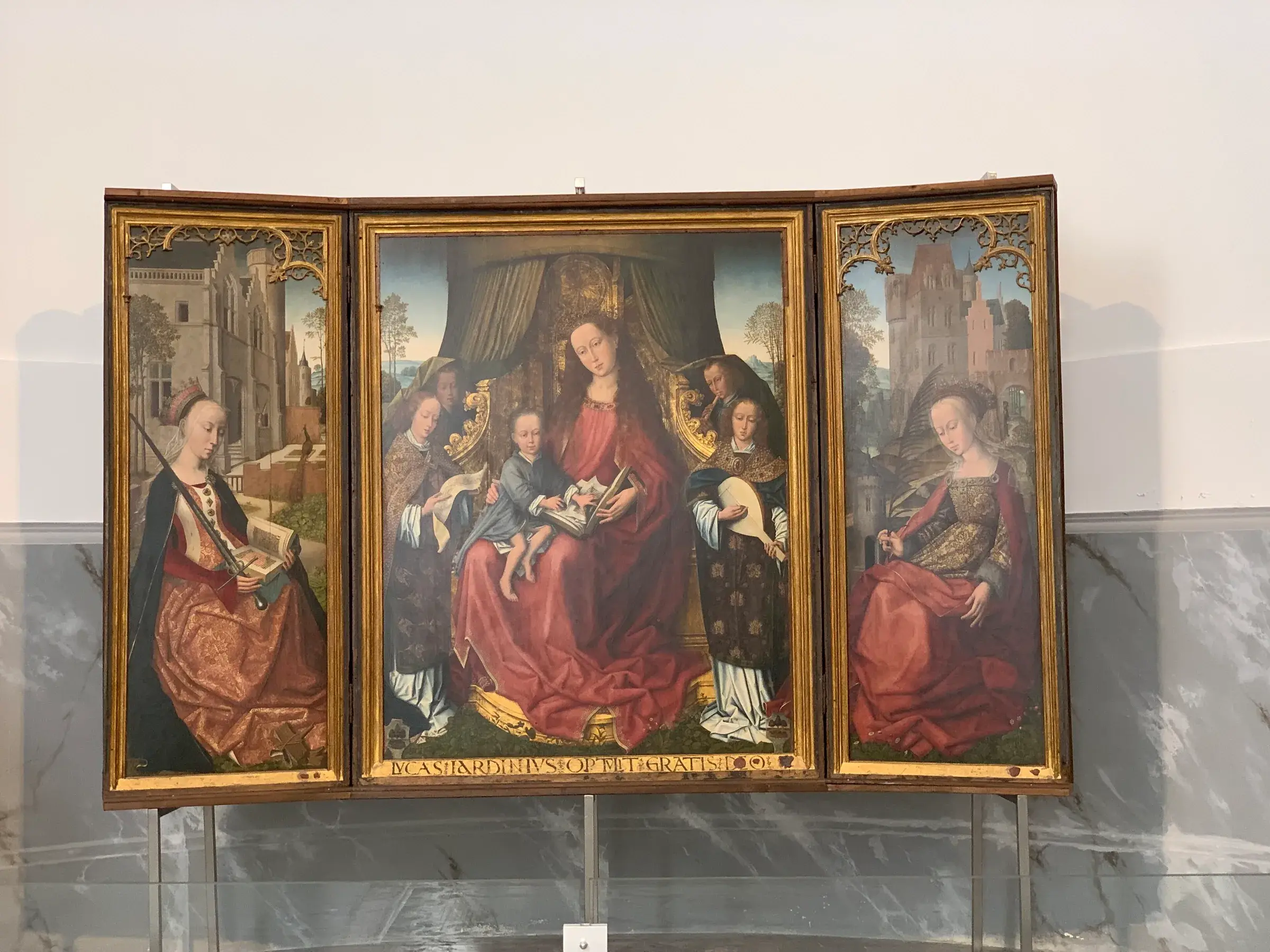
Its most famous work is the 15th-century Flemish triptych: in the centre the Madonna and Child among angels, on the sides two female saints. The town’s tourism website attributes it to Rogier van der Weyden; the authorship is debated and many assign it to a painter from his circle. Below the central panel is the inscription with the donor’s name, Lucas Iardinius.
In the same church you will find:
- the Visitation triptych by Joan de Matta;
- paintings by Giuseppe Salerno;
- the marble shrine of San Gandolfo by Domenico Gagini and the silver urn with the patron saint’s relics;
- the silver Holy Sacrament case by Nibilio Gagini, from the 16th century.
San Gandolfo is celebrated with the Fera di San Gandolfo. The town is on the Polizzi Generosa page.
The Basilica di San Pietro in Collesano
One of the most important churches of the Diocese of Cefalù, a minor basilica since 1983. It was built in the early 16th century, finished in 1543 and consecrated in 1548, next to a watchtower that served as bell tower until 1912 (Consorzio Cefalù Madonie Himera).
What to look at:
- the Crucifix of Providence (1555), a large wooden structure hanging over the nave, with the Resurrection painted on the back;
- the chancel frescoes with stories of Saints Peter and Paul, documented to 1624, by Gaspare Vazzano, the other “Zoppo di Gangi”;
- the marble tabernacle of 1489 attributed to Domenico Gagini;
- the wooden choir by Andrea Russo (1570-1578) and the organ by Antonino La Valle (1627);
- the chapel of the patron saint, Maria Santissima dei Miracoli, with frescoes by Giovanni Giacomo Lo Varchi.
The town is on the Collesano page.
The churches of Petralia Soprana and Frate Umile
The Chiesa Madre of Saints Peter and Paul is a three-nave basilica, with the old bell tower and an unfinished 18th-century new one. Inside are the statues of the Madonna dell’Udienza and the Madonna della Catena and a crucifix by Frate Umile (Consorzio Cefalù Madonie Himera).
Frate Umile da Petralia (surname Pintorno, according to the Ente Parco) was born in Petralia Soprana. He carved strikingly realistic wooden crucifixes, the body marked by the Passion, and worked for Franciscan friaries in Sicily and southern Italy until his death in 1639. In the Madonie you can see his crucifixes in Petralia Soprana, in Gangi (church of the Salvatore) and in Caltavuturo, where the Ente Parco dates the crucifix in the church of Santa Maria di Gesù to 1625-1626.
The town is on the Petralia Soprana page.
The Chiesa Madre of Petralia Sottana
The cathedral of Maria Santissima Assunta stands in the old Pusterna quarter. Of the 15th-century church the side portal survives, with thistle-leaf carving in the Gothic-Catalan style; the rest was rebuilt in the 17th century. The white limestone bell tower, about 30 metres high, was finished in 1680 (Consorzio Cefalù Madonie Himera).
The columns come from the Lumachella quarry, the fossil stone typical of Petralia. Among the works is a late Gothic wooden polyptych from the 15th century by an unnamed master.
Holy Week in Petralia Sottana, with the meeting of the Risen Christ and the Madonna, is on the Holy Week in Petralia Sottana page. The town is on the Petralia Sottana page.
Castelbuono: the Matrice Vecchia
It stands on piazza Margherita and is dedicated to Maria Assunta. It was built in 1362, under Francesco II Ventimiglia, with Ghibelline battlements unusual for a church; the portico dates from the 16th century and the fourth nave from the 15th (Consorzio Cefalù Madonie Himera).
On the altar is a large polyptych dedicated to the Virgin, which the same source dates to 1520 and attributes to Antonello de Saliba, nephew of Antonello da Messina; other descriptions call it a 15th-century work of the Antonello school. In the niches you will find the Santa Maria degli Angeli by Antonello Gagini (1520) and, under the chancel, a crypt.
The castle with the Palatine Chapel of Sant’Anna is in our guide to the Madonie castles. The town is on the Castelbuono page.
Other mother churches worth seeing
- Geraci Siculo: in the Chiesa Madre the marble statues of the Madonna della Neve and della Mercede and the baptismal font, attributed to the Gagini. The crypt holds the Treasury, with a 14th-century monstrance signed by the Pisan goldsmith Piro di Martino. Page: Geraci Siculo.
- Isnello: a 15th-century three-nave church, with frescoes of the Stories of the First Parents by Antonino Ferraro, a San Domenico by Giuseppe Salerno, a wooden choir of 1601 and the ciborium by Domenico Gagini. Page: Isnello.
- Pollina: a church founded around the year 1000 and enlarged in the 17th century, with the Gagini Madonna delle Grazie (1514-1517) and the marble Nativity group of 1526. Page: Pollina.
- Caltavuturo: the Chiesa Madre of Saints Peter and Paul has a marble Madonna attributed to Francesco Laurana and a 17th-century organ by Antonio La Valle; the Badia di Santa Maria la Nova has 18th-century stucco work (Ente Parco). Page: Caltavuturo.
- San Mauro Castelverde: the church of the patron saint San Mauro Abate has a bell tower topped with spheres of glazed, coloured brick; the Chiesa Madre is dedicated to San Giorgio. Page: San Mauro Castelverde.
The sanctuary of Gibilmanna
Above Cefalù, at about 800 metres on the slopes of Pizzo Sant’Angelo, is the sanctuary of Maria Santissima di Gibilmanna, run by the Capuchin friars. The present church was finished in 1623; the neo-Gothic facade dates from 1907, rebuilt after the portico collapsed (Wikipedia).
In 1954 Pius XII proclaimed the Madonna of Gibilmanna patron of the Diocese of Cefalù. The feast, once on 15 August, is celebrated on 8 September; since 1970 the diocesan feast has fallen on the first Sunday of September (Census of Italian sanctuaries).
Next to the sanctuary is the Fra Giammaria da Tusa museum, in ten rooms: a 17th-century organ with reed pipes, the tools the friars worked with, a library holding the first edition of 1558 of Tommaso Fazello’s De Rebus Siculis, and the Capuchin catacombs with 34 niches (Ente Parco delle Madonie). The other museums of the area are in our guide to the Madonie museums.
Churches and festivals
Many mother churches are at their best during festivals, when the statues and treasures come out:
- Holy Week in Cefalù, with processions around the cathedral;
- the feast of the Santissimo Salvatore in Cefalù, in August;
- Holy Week in Petralia Sottana.
The other religious traditions of the villages are in the History and culture section.
Frequently asked questions
- How much does it cost to visit Cefalù Cathedral?
- The towers, cloister, close-up views of the mosaics and the Treasury museum are visited on paid itineraries run by the Cooperativa Il Segno for the Diocese of Cefalù, with tickets also sold online at duomocefalu.it. During Mass the mosaic area is closed: check the service times before you go.
- Why is Cefalù Cathedral a UNESCO World Heritage site?
- Since 3 July 2015 it has been part of the serial UNESCO site Arab-Norman Palermo and the Cathedral Churches of Cefalù and Monreale. It was commissioned by Roger II and begun in 1131. It combines Latin, Byzantine and Arab elements: the two Norman towers, the apses with interlaced arches and the gold-ground mosaics of the apse with Christ Pantocrator.
- Who were the Gagini?
- A family of sculptors and silversmiths active in Sicily from the 15th to the 17th century. In the Madonie there are marbles by Domenico and Antonello Gagini and their workshop: the tabernacle in Collesano (1489), the ciborium in Isnello, the Madonna delle Grazie in Pollina, the shrine of San Gandolfo in Polizzi and the statues in the mother church of Geraci.
- Where is the Last Judgement of Gangi?
- In the Chiesa Madre of San Nicolò, on piazza del Popolo in Gangi, next to the Ventimiglia Tower that serves as its bell tower. The large painting is by Giuseppe Salerno, known as lo Zoppo di Gangi, dated 1629. Under the church is the crypt with the mummified bodies of priests, the Fossa di parrini.
- What is the Flemish triptych of Polizzi Generosa?
- A 15th-century triptych showing the Madonna and Child between two female saints, kept in the Chiesa Madre of Polizzi Generosa. The town's tourism website attributes it to Rogier van der Weyden; the authorship is still debated and many assign it to a Flemish painter from his circle. The donor's name is written below the central panel.
- Who was Frate Umile da Petralia?
- A Franciscan friar and sculptor, born in Petralia Soprana, who died in 1639, famous for wooden crucifixes of dramatic realism. In the Madonie you can see them in Petralia Soprana, in the Chiesa Madre, in Caltavuturo, in the church of Santa Maria di Gesù (1625-1626), and in Gangi, in the church of the Salvatore.
- When should you go to the sanctuary of Gibilmanna?
- The sanctuary of Maria Santissima di Gibilmanna stands at about 800 metres above Cefalù and is run by the Capuchin friars. The feast of the Madonna is on 8 September, while the diocesan feast falls on the first Sunday of September. Next to it is the Fra Giammaria da Tusa museum, with a 17th-century organ and the friary library.
Sources
- Itinerari della Cattedrale di Cefalù (Cooperativa Il Segno, Diocesi di Cefalù)
- Italia.it (Ministero del Turismo), Duomo di Cefalù
- Balarm, Basilica Cattedrale della Trasfigurazione di Cefalù
- Ente Parco delle Madonie, scheda di Cefalù (PDF)
- Ente Parco delle Madonie, scheda di Caltavuturo (PDF)
- Ente Parco delle Madonie, scheda di Pollina (PDF)
- Ente Parco delle Madonie, scheda di San Mauro Castelverde (PDF)
- Ente Parco delle Madonie, scheda di Scillato (PDF)
- Ente Parco delle Madonie, Museo Fra Giammaria da Tusa a Gibilmanna
- Visit Polizzi Generosa, Chiesa Madre di Maria Santissima Assunta
- Consorzio Cefalù Madonie Himera, Basilica di San Pietro di Collesano
- Consorzio Cefalù Madonie Himera, Chiesa Madre di Gangi
- Consorzio Cefalù Madonie Himera, Chiesa Madre di Petralia Soprana
- Consorzio Cefalù Madonie Himera, Chiesa Madre di Petralia Sottana
- Consorzio Cefalù Madonie Himera, Chiesa Madre di Isnello
- Consorzio Cefalù Madonie Himera, Chiesa Madre di Pollina
- Balarm, il Giudizio Universale nella Chiesa Madre di Gangi
- Censimento dei santuari italiani, Santuario Maria SS. di Gibilmanna (PDF)
- Consorzio Cefalù Madonie Himera, Chiesa Matrice Vecchia di Castelbuono
- Wikipedia, Domenico Gagini
- Wikipedia, Santuario di Gibilmanna
Updated on 19 October 2026
Villages
16 m a.s.l.
Cefalù
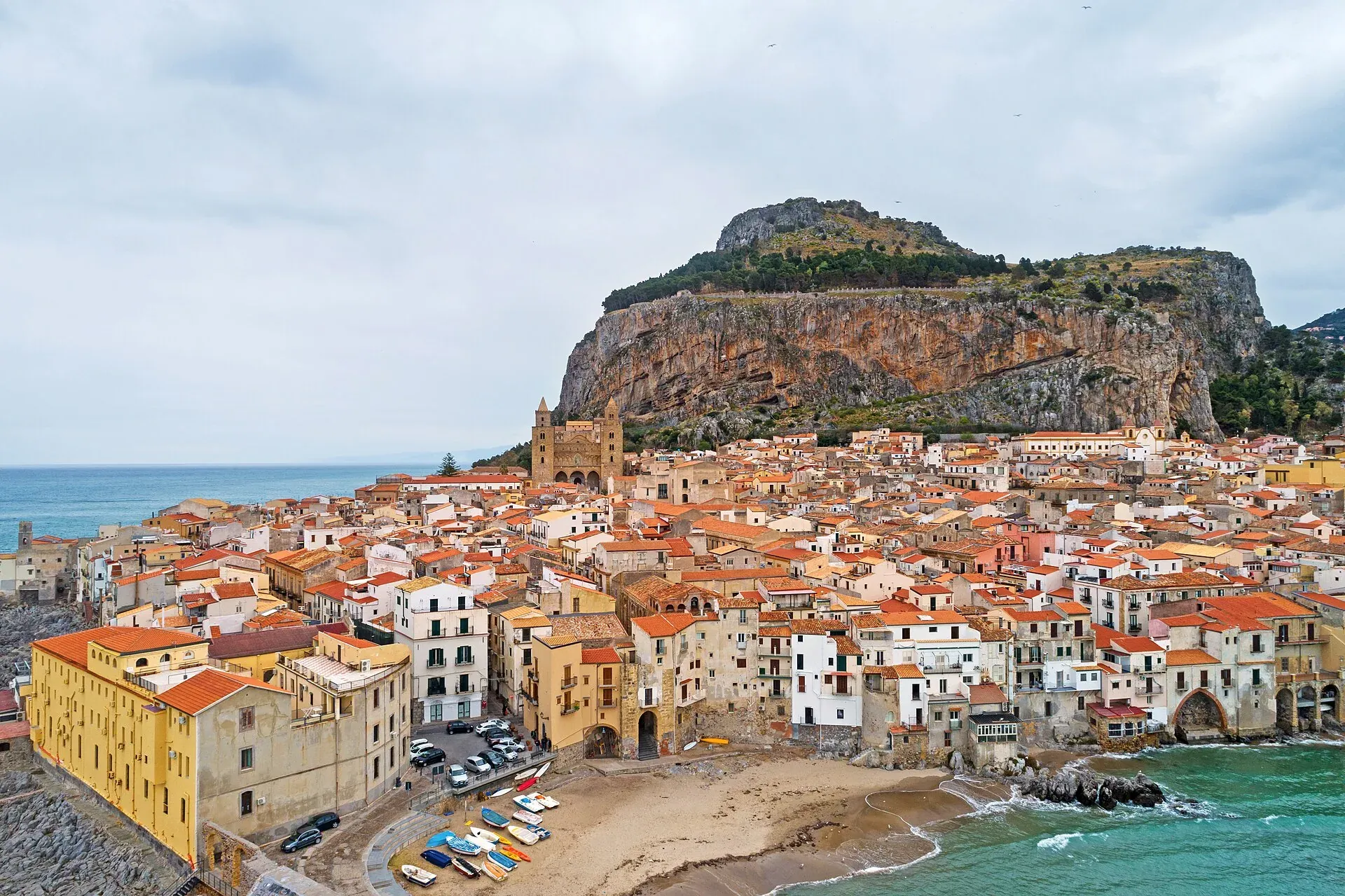
The Norman cathedral, the Rocca and the sea at the foot of the Madonie
1,011 m a.s.l.
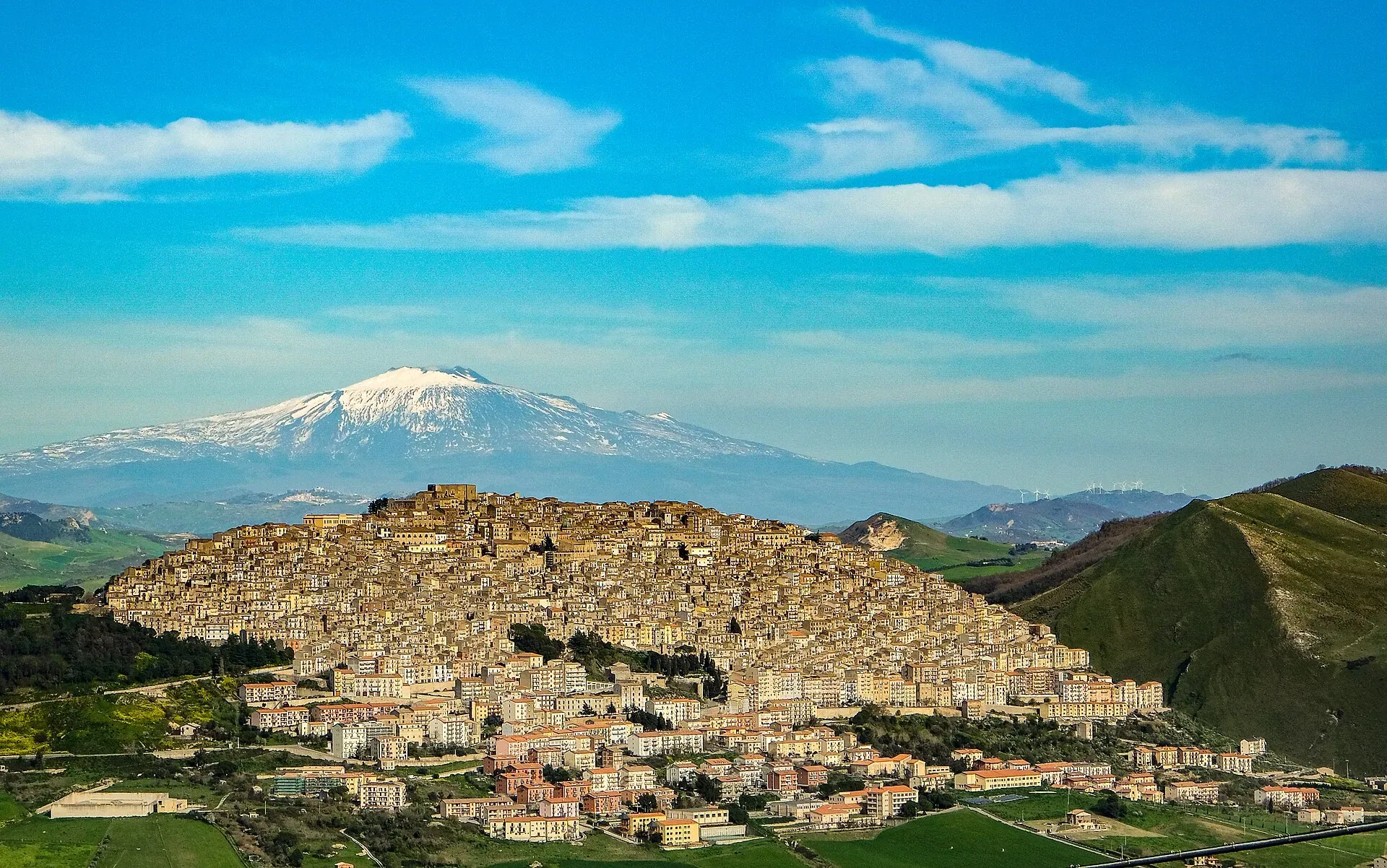
Gangi
Borgo dei Borghi 2014, all stone on Monte Marone
920 m a.s.l.
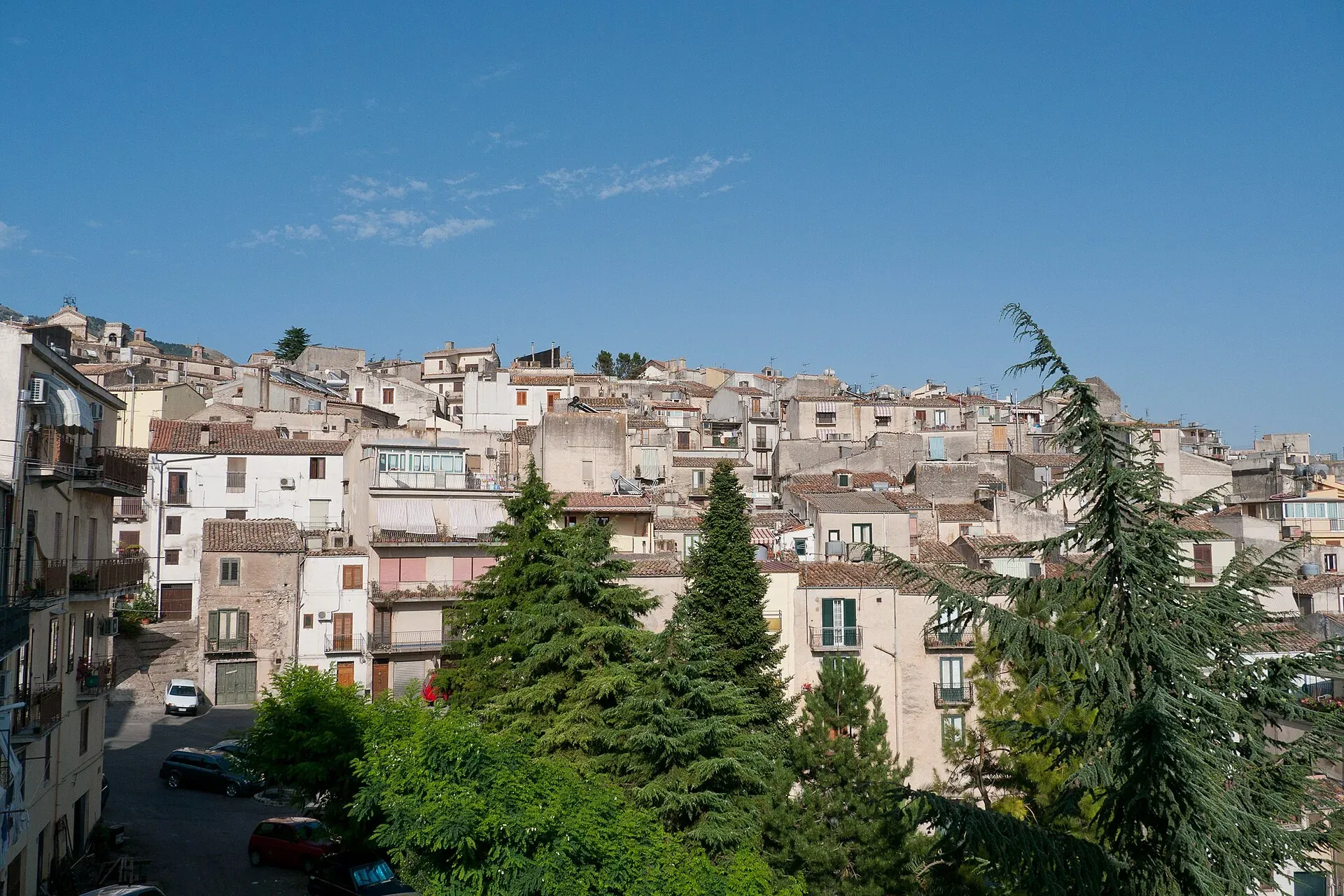
Polizzi Generosa
The town of the Abies nebrodensis, sfoglio and badda beans
470 m a.s.l.
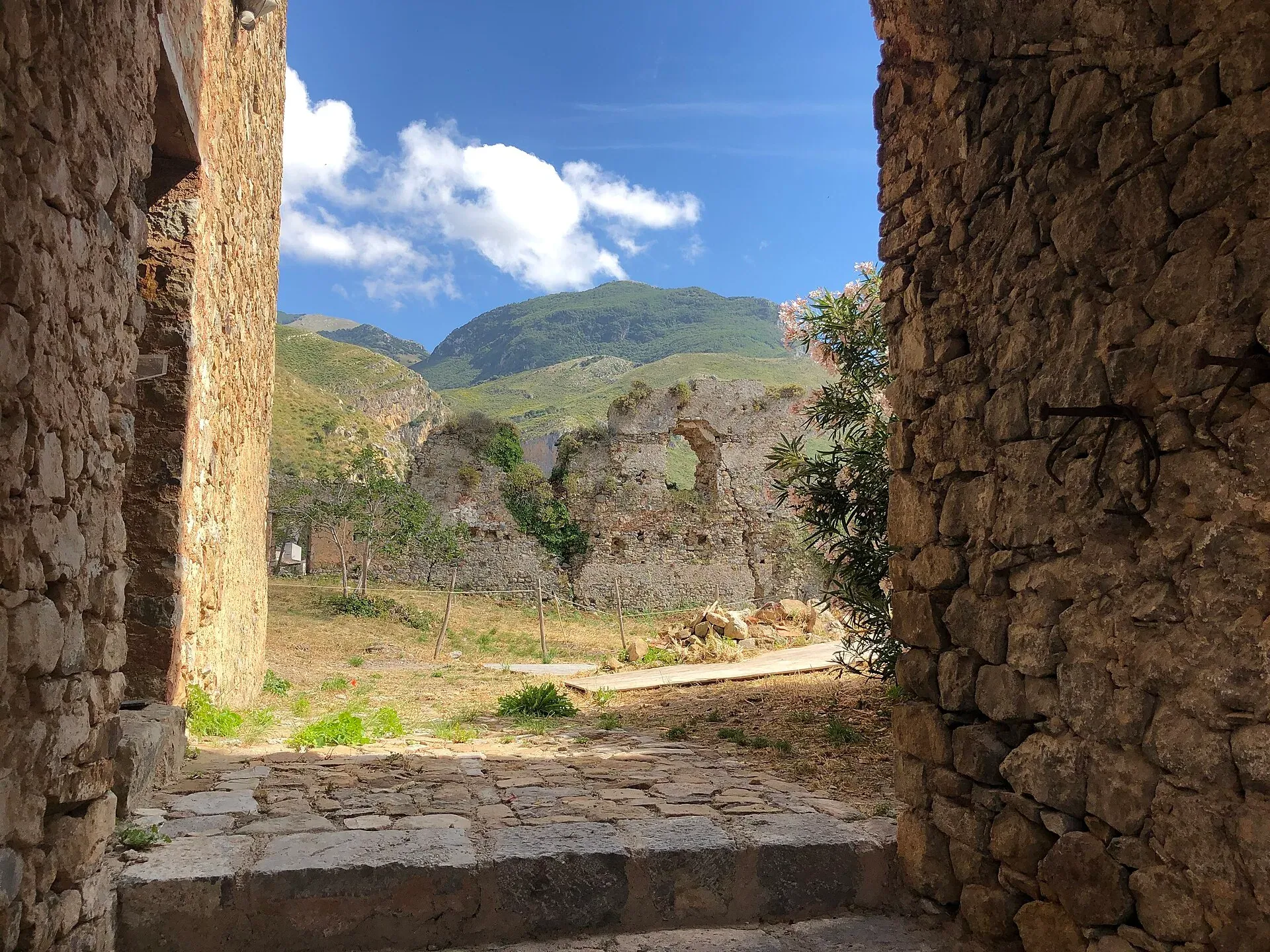
Collesano
Ceramics, a castle and the Targa Florio museum
1,147 m a.s.l.
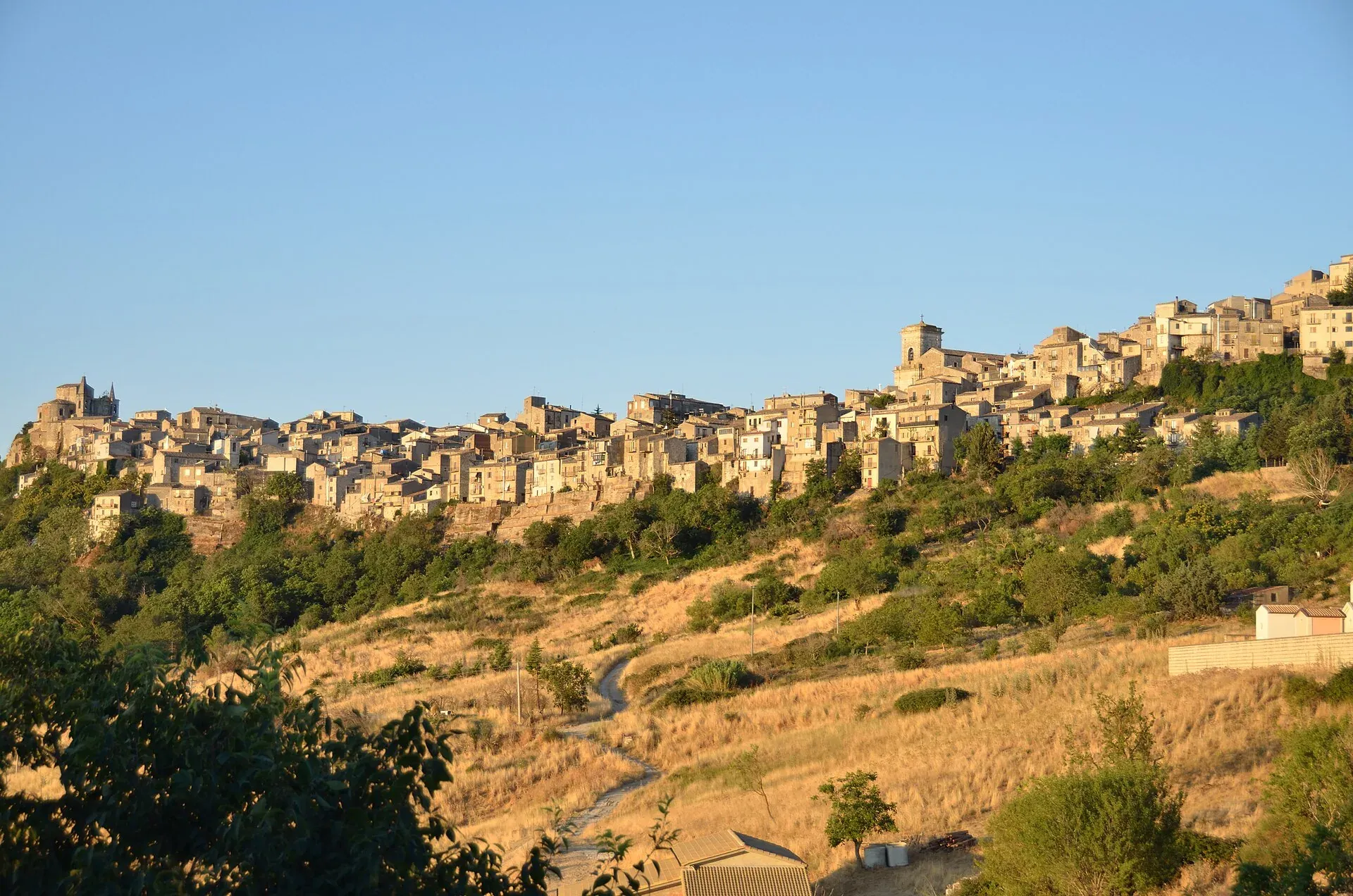
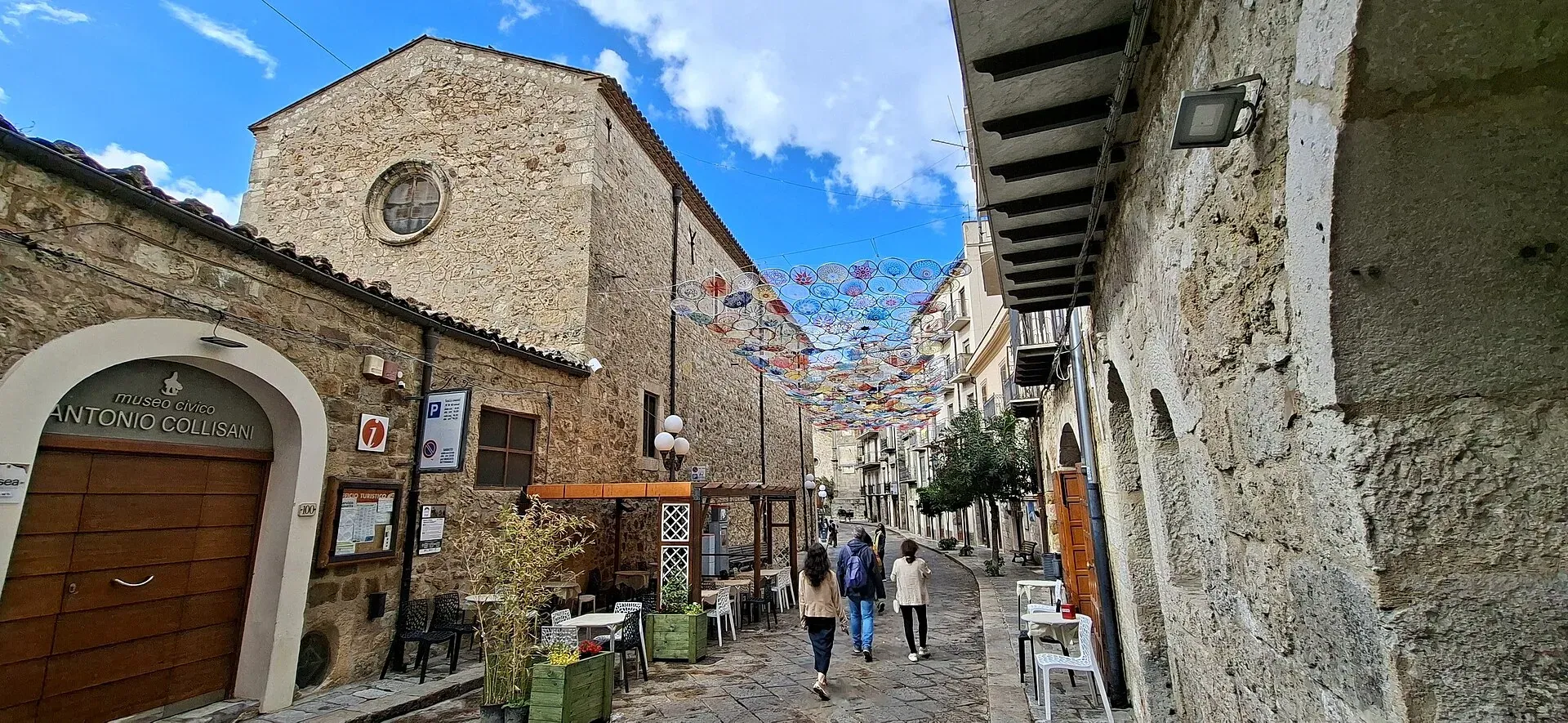
Petralia Soprana
The highest town in the Madonie, Borgo dei Borghi 2018
1,039 m a.s.l.
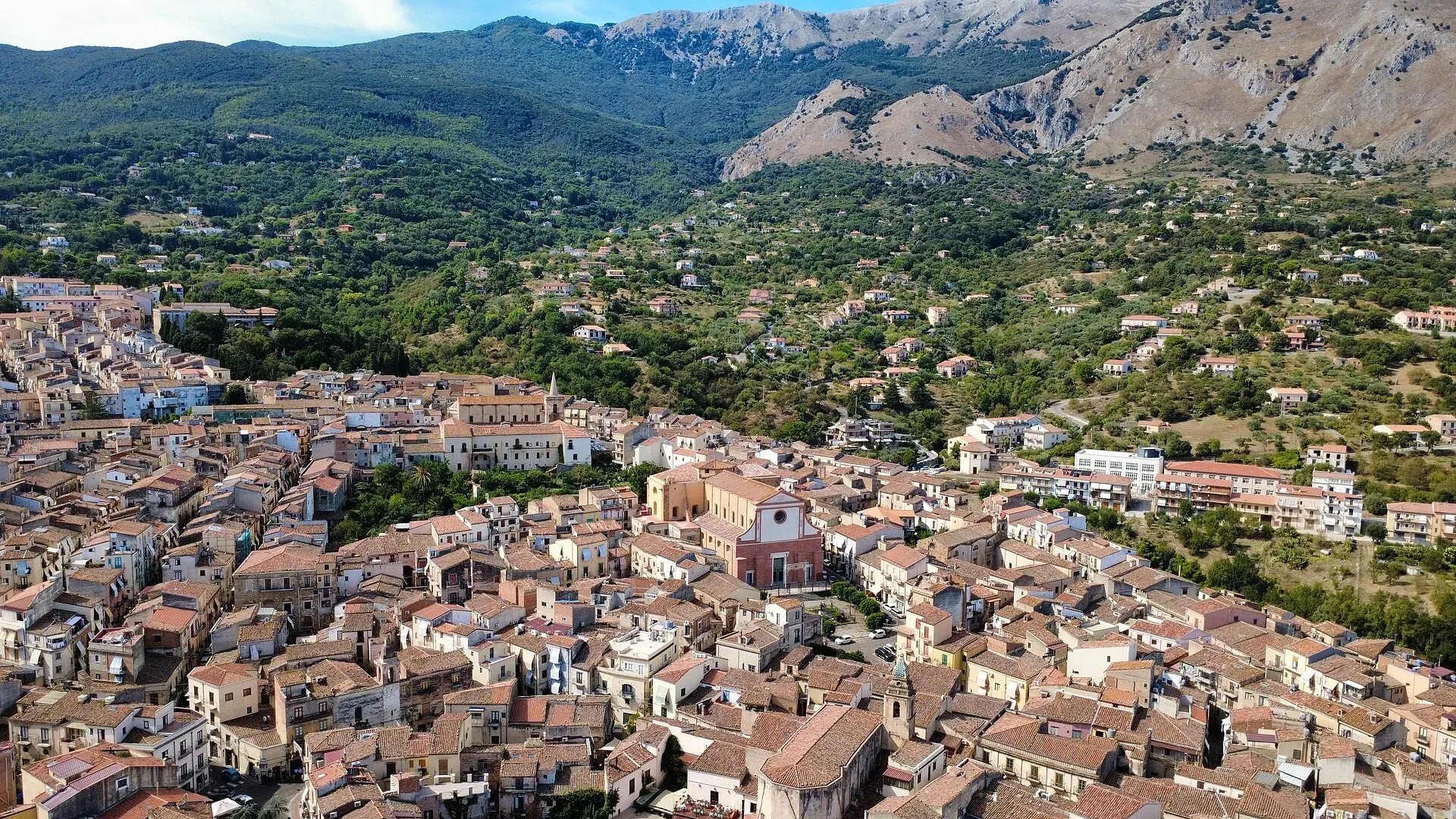
Petralia Sottana
Home of the Madonie Park, at the foot of Piano Battaglia
423 m a.s.l.
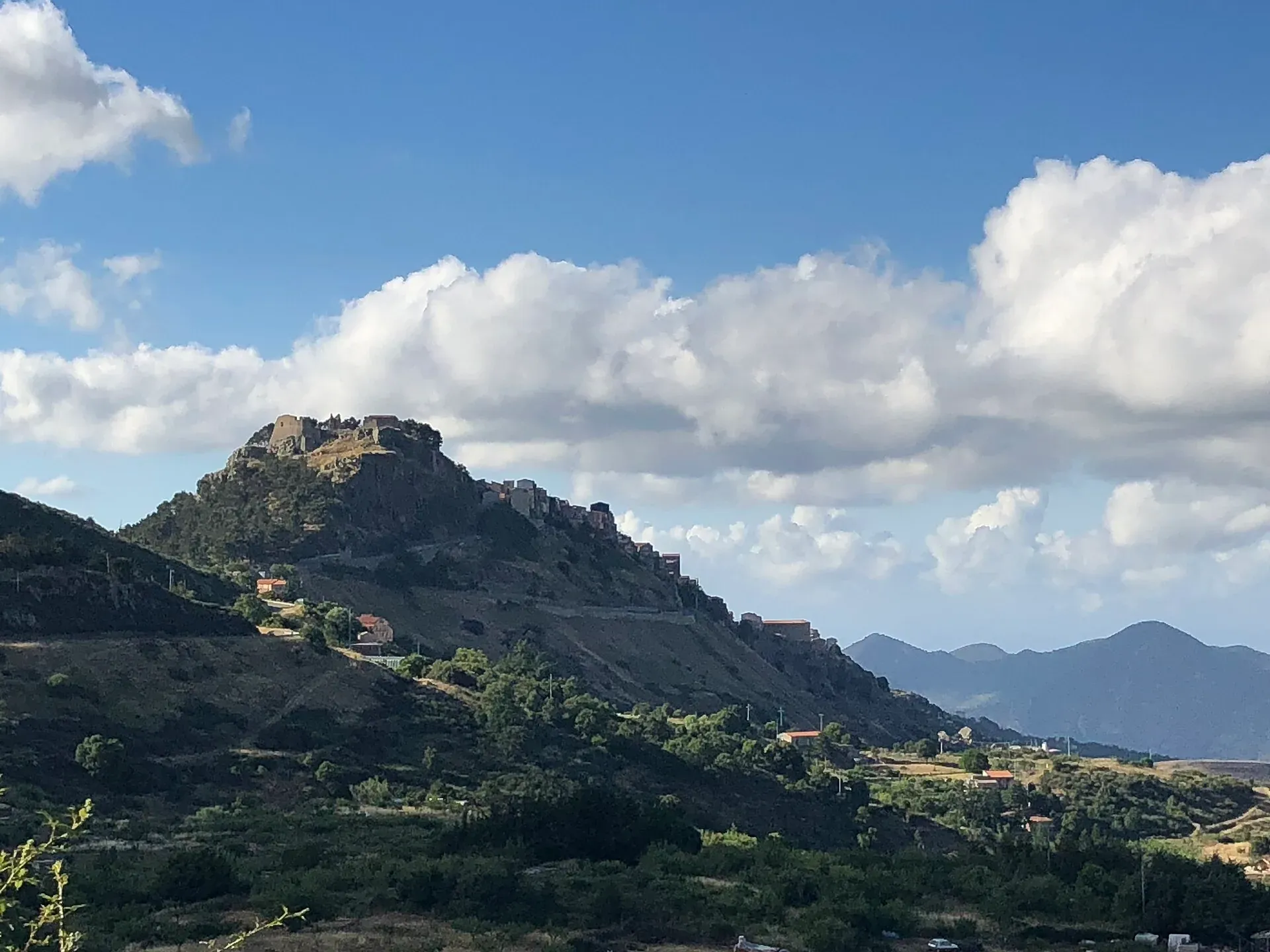
Castelbuono
The town of the Ventimiglia castle, manna and testa di turco
1,077 m a.s.l.
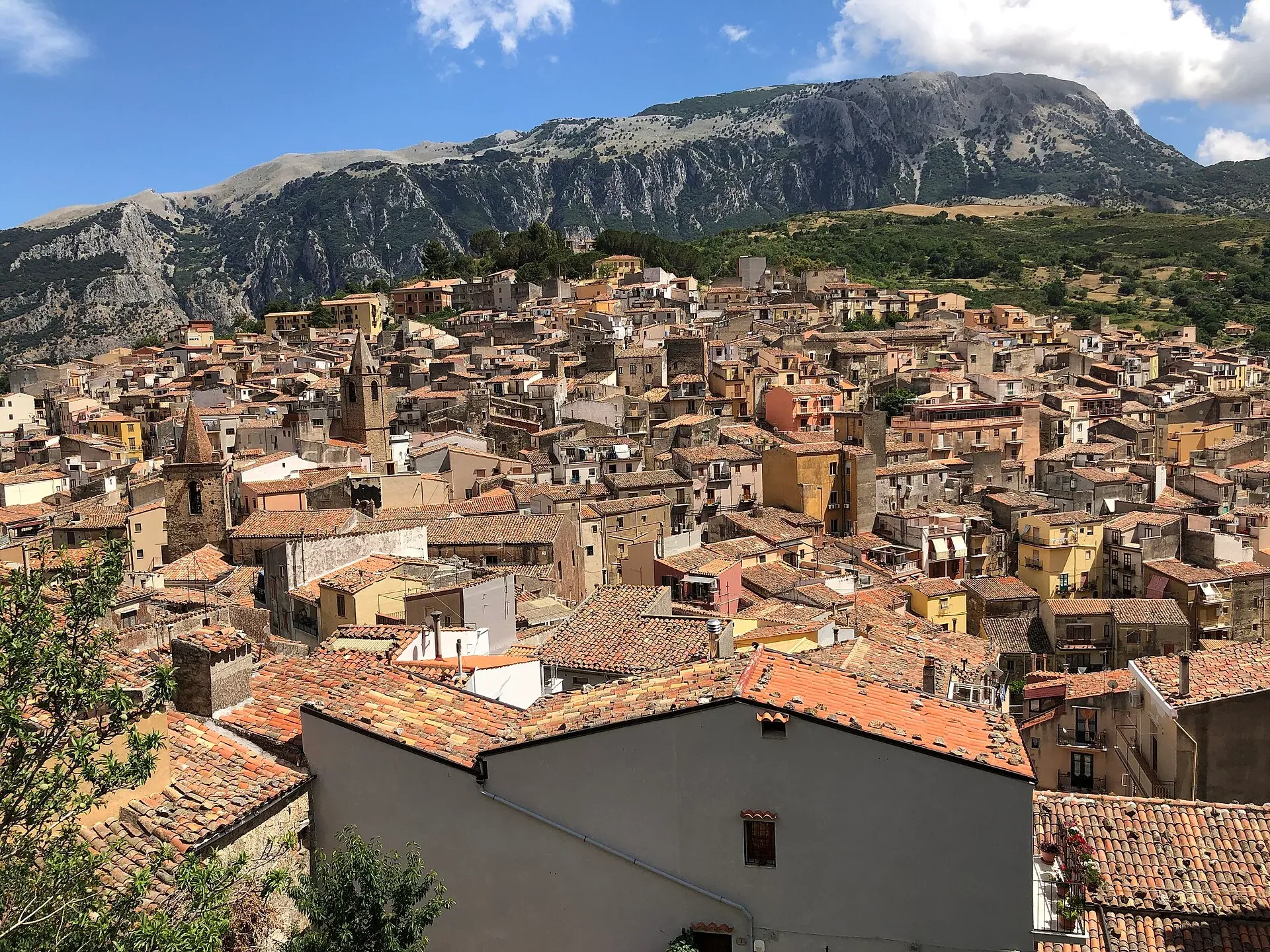
Geraci Siculo
The first capital of the Ventimiglia, above the Madonie woods
583 m a.s.l.
Isnello
The town of the stars, beneath the Madonie cliffs
664 m a.s.l.
Pollina
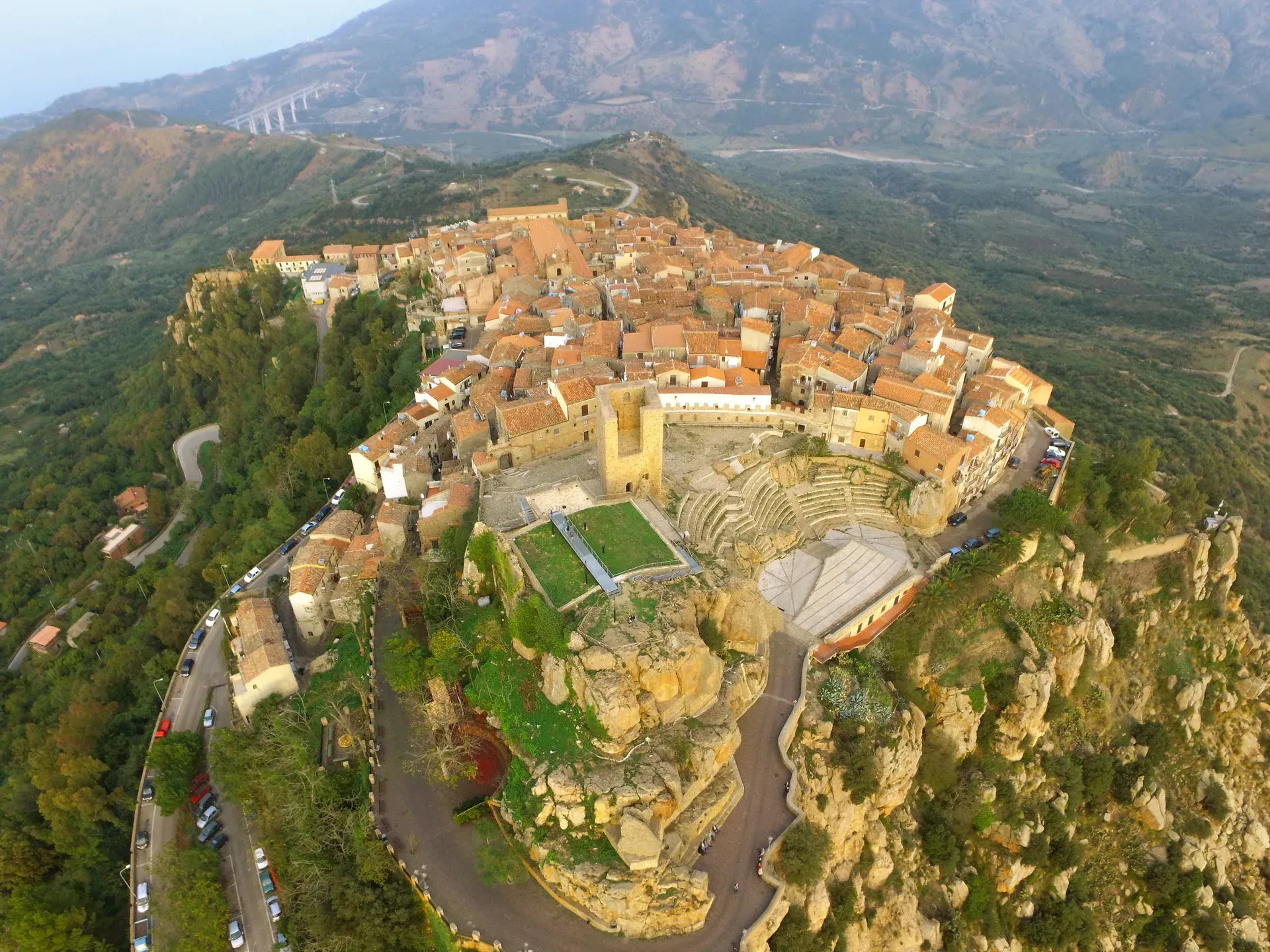
The stone theatre and the manna, above the sea at Finale
631 m a.s.l.
Caltavuturo
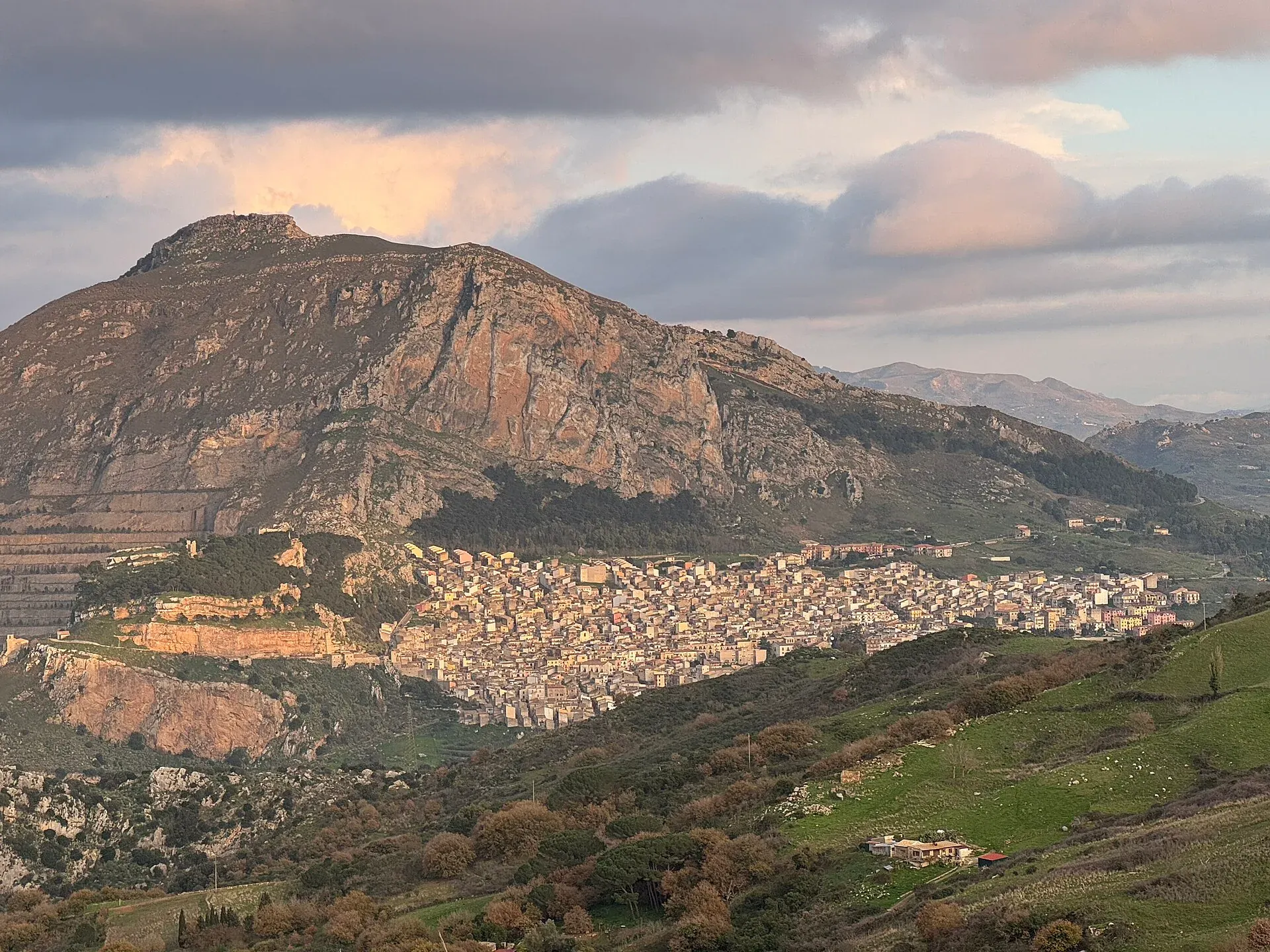
The village below the Rocca di Sciara
1,025 m a.s.l.
San Mauro Castelverde
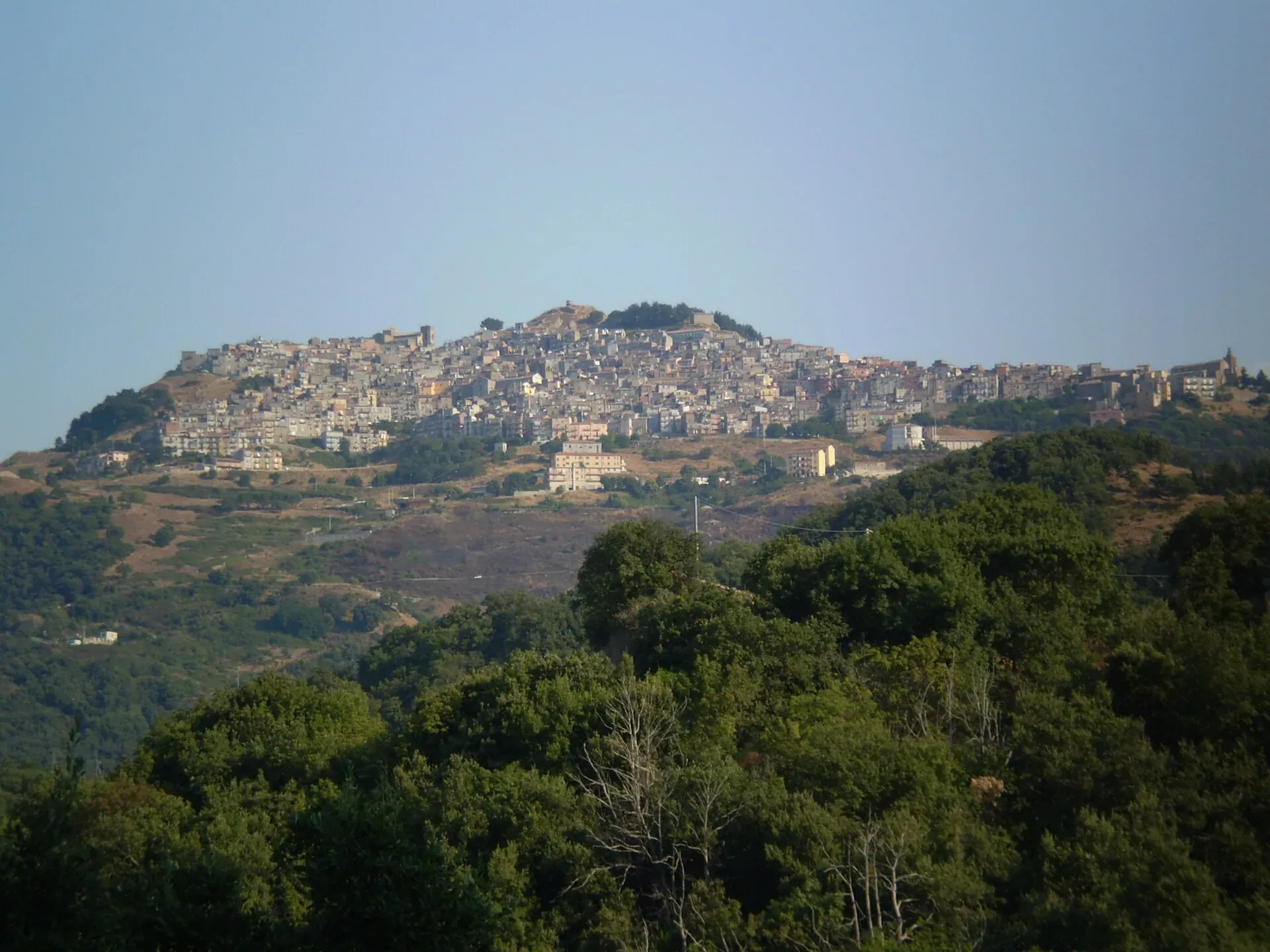
The village at a thousand metres above the Gole di Tiberio
Events
 Over
Religious festival · Cefalù
Holy Week in Cefalù
 Over
Religious festival · Petralia Sottana
Holy Week and 'Ncuontru in Petralia Sottana
 Over
Religious festival · Cefalù
Festa del Santissimo Salvatore, patron of Cefalù
 Over
Religious festival · Polizzi Generosa