Things to do in the Madonie
Horse riding in the Madonie: bridle paths and riding centres
Horse rides and treks in the Madonie: the Park's bridle paths on the old royal drove roads, riding centres listed by the Park authority, seasons and rules.
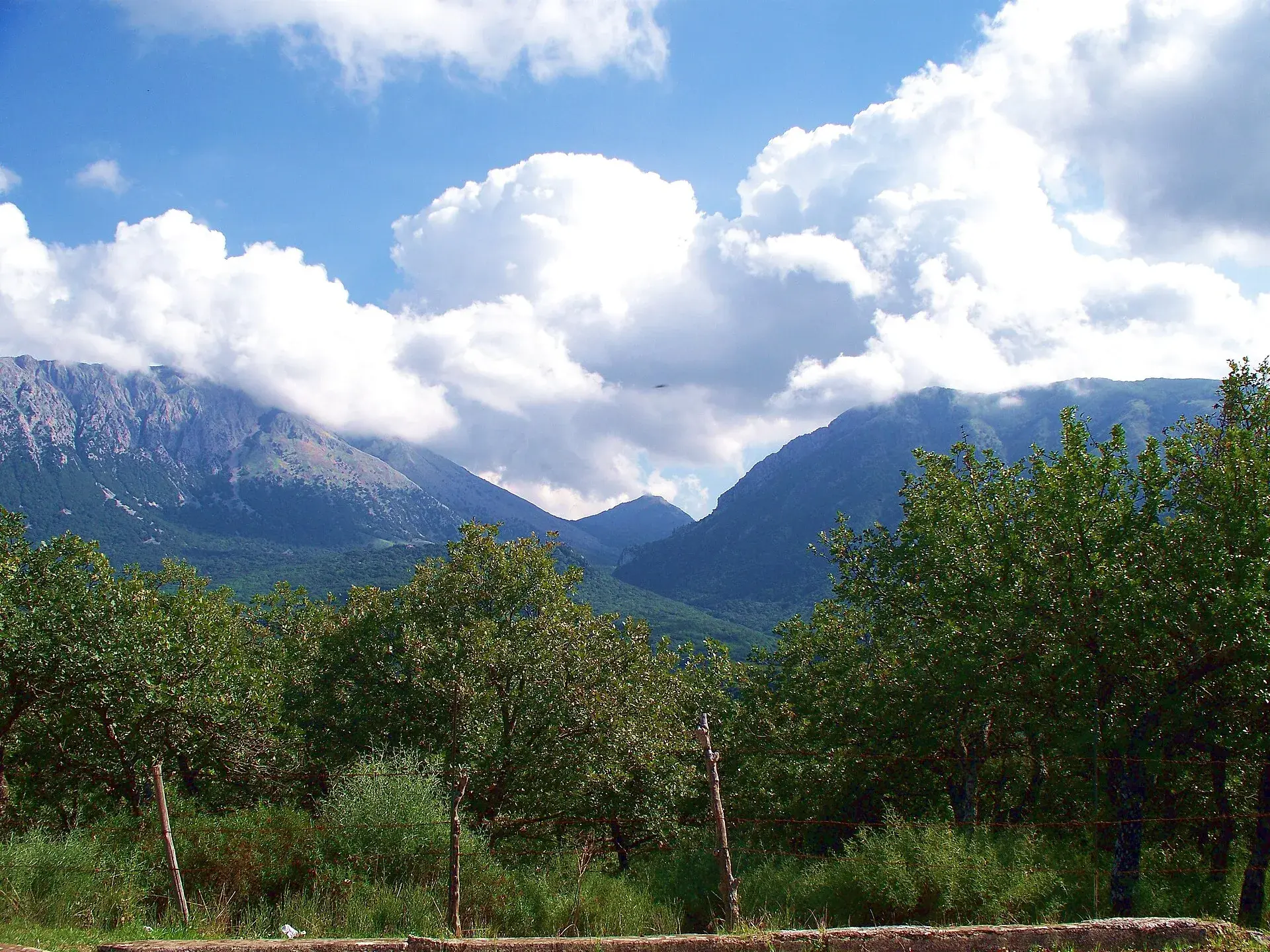
In the Madonie you ride along the Park’s bridle paths: old mule tracks, royal drove roads and paths that climb from the coast to the woods of Castelbuono, to Piano Pomo and the Gole di Tiberio. Riding centres organise short rides for beginners and longer outings for experienced riders. The best seasons are spring and autumn; on steep stretches you dismount and lead the horse.
There is no single bridle path waymarked from end to end. There are the centres, the drove roads and the people who know them.
At a glance
- Where: mainly on the northern side, between Castelbuono, Pollina, Cefalù and San Mauro Castelverde, and up high towards Piano Sempria and Piano Pomo.
- For whom: rides for beginners; high-level treks only for experienced, fit riders.
- How: with a riding centre, which provides the horse and a guide. The Park authority lists five.
- When: spring and autumn; in summer early in the morning or towards evening.
- Watch out: pine processionary caterpillars, dangerous for horses; private land and gates to close.
What the Madonie bridle paths are
The Park authority describes them as “green roads” along old mule tracks, crossing natural areas, archaeological remains and rural landscapes. The Park stretches from the sea to the mountains with a dense network of country roads and paths, and on horseback you can link villages, churches, crags, castles and abbeys.
At the base of it all are the regie trazzere, the old royal drove roads used for transhumance. According to the national tourism portal italia.it, in Sicily drove roads and old paths add up to more than 11,000 km.
In the Madonie the Park authority lists these destinations on horseback:
- Piano Pomo, with its centuries-old downy oaks and hollies;
- Pizzo Canna and the sanctuary of Madonna dell’Alto;
- the Vallone Madonna degli Angeli, among hollies and Abies nebrodensis;
- Castelbuono castle, the old paper mill and the Martinetto, the old forge where bells were cast;
- the Gole di Tiberio on the Pollina river, a Geopark geosite, with the chance to see shepherds at work and cheese being made.
Who organises rides: the riding centres
If you don’t have your own horse, you need a centre that provides one, knows the routes and has guides. The Park authority’s page on bridle paths, last updated in 2019, lists five.
| Centre | Where | Online status on 19 October 2026 |
|---|---|---|
| Centro Sportivo Cavallonatura | Castelbuono, contrada Sant’Elia | Website active |
| Sicily Horse Tours | not given | Website unreachable |
| Discovery Madonie | not given | Website unreachable |
| Ippoclub Parapo | Collesano | Social media page given by the Park authority |
| Centro Addestramento Sicilia Sport Equestri | Castellana Sicula | Social media page given by the Park authority |
A dead website doesn’t necessarily mean a closed centre. If you want to ride in the inland Madonie, also ask the Comune or the Punto Qui Parco in the village where you are staying.
Example routes: from Castelbuono to the sea and the gorges
The Centro Sportivo Cavallonatura, in contrada Sant’Elia at Castelbuono, publishes four rides starting from the centre, with length and pace agreed according to the group and the season:
- Zurrica: from contrada Zurrica, at Sant’Anastasia, an old drove road with views of the sea and the Madonie, the vineyards of the medieval abbey and a gallop of about two kilometres;
- Quattro Finaite: the hill where the boundaries of Castelbuono, Isnello, Cefalù and Pollina meet, from which you can see the Aeolian Islands on clear days;
- Due Querce: the hill above Cefalù with the Rocca and the small harbour, then a cork oak wood;
- Marcatagliastro: through manna ash groves, farmhouses and old olive presses to the Gole di Tiberio.
For longer outings the same centre suggests destinations such as Pollina, San Mauro Castelverde, Piano Sempria and Piano Pomo, the sanctuary of Gibilmanna and the beach at Finale di Pollina. Ask the centre for prices and duration.
How well do you need to ride?
It depends on the route. The Park authority, on its page about visiting the Park, distinguishes two cases.
- Rides around the centres: short, suitable for beginners too, with instructors and guides following the group.
- High routes: they can be done on horseback, except for some very steep stretches, but they need good riding skills and reasonable fitness. On dangerous passages you walk, leading the horse.
If it’s your first time, tell the centre and ask for a ride of an hour or two on wide drove roads. Gallops and high climbs come later.
When to ride in the Madonie
| Season | What it’s like |
|---|---|
| Spring | The period the Park authority recommends for outings: green meadows, mild temperatures |
| Summer | Hot in the middle of the day: early morning or sunset is better, on the coast too |
| Autumn | Woods changing colour from October, shorter days |
| Winter | Possible snow up high; the centre decides route and length according to the weather |
For snow, high routes and winter roads, see the snow in the Madonie section and the roads page.
Rules and safety for horse and rider
The Park has no published rules just for horses, but the general rules apply in the saddle too.
- Stay on drove roads and paths: much of the Park’s land is private, even without fences.
- Close gates: pasture gates must be left as you found them, and the Park authority asks this explicitly of cyclists, who use the same tracks.
- Give way to walkers and slow down when you meet hikers or flocks.
- Watch out for processionary caterpillars: the white nests on pines and caterpillars walking in line are dangerous for horses, which can swallow the hairs while grazing.
- No stops under big trees in strong wind or during weather alerts, as the Park authority asks.
- Bring water for yourself: in the Park there are no fountains or refreshment points outside villages and picnic areas.
The Park authority also mentions a practical detail for those travelling with their own horse: every Madonie village has farriers, saddlers and feed sellers.
What to bring for a day in the saddle
Centres provide the horse and tack. The rest is up to you:
- long, comfortable trousers that don’t ride up your leg;
- closed shoes with a small heel or boots, never wide-soled trainers;
- a helmet, if the centre doesn’t provide one: ask when you book;
- a light jacket, because the temperature changes a lot between coast and plateaus;
- water and something to eat for half-day rides.
The Park authority notes that on horseback you cover in a day distances that would be unthinkable on foot. It works the other way too: after three or four hours in the saddle, if you’re not used to it, your legs will feel it. Better one short ride too many than one long ride too many.
Horses, shepherds and transhumance
On horseback you see the Madonie of the shepherds, of drove roads and pastures. If you want to see herds on the move, at the end of May there is the Festa della transumanza in Geraci Siculo.
And if you’d rather walk or cycle the same tracks, there are the guides to hiking and mountain biking in the Madonie. To sleep near the riding centres, see where to stay in Castelbuono.
Frequently asked questions
- Can you go horse riding in the Madonie without experience?
- For a short ride, yes: the Park authority writes that horse tourism centres offer rides in the surrounding area suitable for beginners too, with instructors and guides accompanying the group. High routes are another matter: they need good riding skills and fitness, and on some steep stretches you dismount and lead the horse.
- What are the Madonie bridle paths?
- They are routes for riding along old mule tracks, royal drove roads and Park paths, linking woods, villages, castles and places of rural life. Among the destinations the Park authority mentions Piano Pomo, Pizzo Canna, the sanctuary of Madonna dell'Alto, the Vallone Madonna degli Angeli, Castelbuono castle and the Gole di Tiberio.
- Where are the riding centres in the Madonie?
- The Park authority's page on bridle paths lists five centres between Castelbuono, Collesano and Castellana Sicula, last updated in 2019. When we checked on 19 October 2026, the Centro Sportivo Cavallonatura in Castelbuono was online, with rides towards Cefalù, Pollina and the Gole di Tiberio. For the other centres, ask the Comuni or the Punti Qui Parco.
- When is the best time for horse riding in the Madonie?
- Spring and autumn, the same months the Park authority recommends for hikes. In summer it's better to ride early in the morning or towards sunset, when the heat eases. In winter the high ground may have snow and ice: centres decide route and length according to the season and the group's level.
- Are there dangers for horses in the Parco delle Madonie?
- The Park authority warns about the pine processionary: the caterpillars and their stinging hairs are very dangerous for horses and dogs, which can swallow them while grazing or sniffing the ground. Avoid stopping under pines with white nests. Other risks are steep, rough stretches, to be done leading the horse.
- Can you join a multi-day horse trek?
- Longer outings exist in the Madonie, but they are meant for experienced riders who can stay in the saddle for many hours, including on demanding routes. Centres tailor them to level and season. Always ask how stops, accommodation and luggage transport are organised.
Sources
- Ente Parco delle Madonie, Ippovie tra regie trazzere e sentieri del Parco
- Ente Parco delle Madonie, Equitazione
- Ente Parco delle Madonie, Visitare il Parco: equiturismo e mountain bike
- Ente Parco delle Madonie, istruzioni sulla processionaria
- Ente Parco delle Madonie, Regole della fruizione (PDF)
- Ente Parco delle Madonie, elenco dei divieti (27 giugno 2026)
- Italia.it, Ippovie di Sicilia
- Centro Sportivo Cavallonatura, passeggiate
Updated on 19 October 2026
Related trails
 Hiking trail
Case Marcatagliastro · Out and back
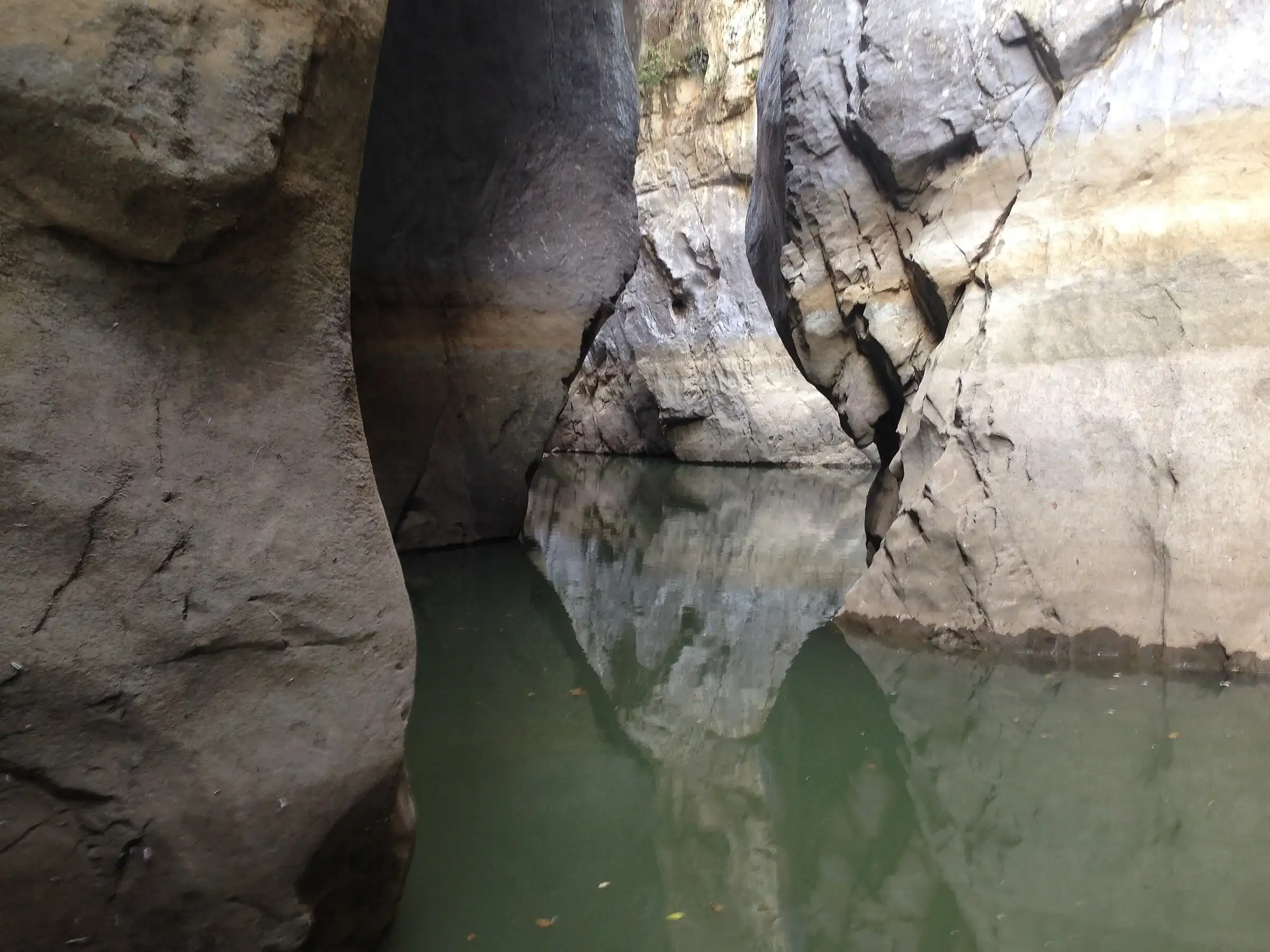
Gole di Tiberio, the Tiberio gorge in Sicily
- Distance
- about 2 km
- Time
- about 30 min
 Hiking trail
Piano Sempria · Out and back
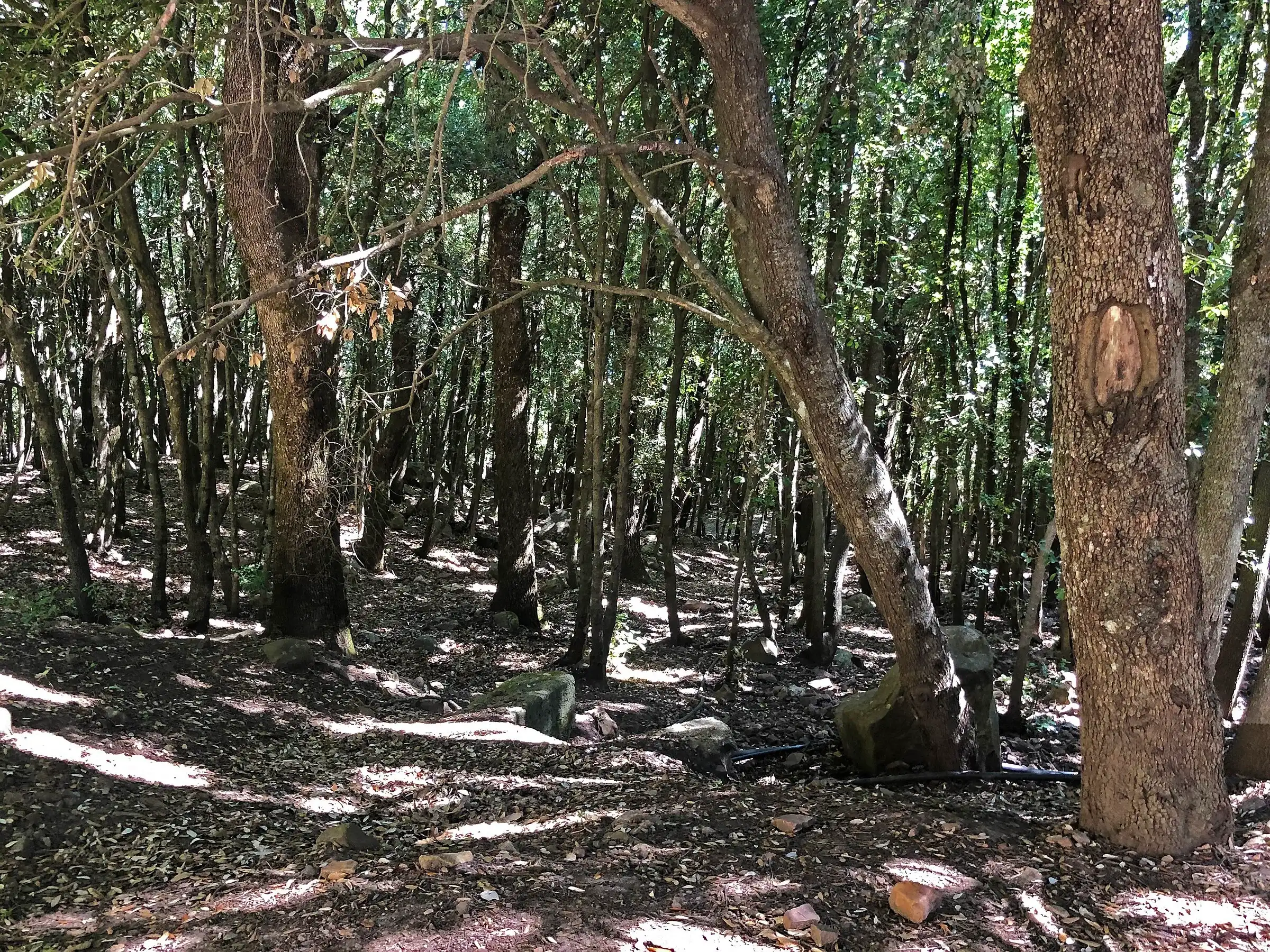
Bosco di Castelbuono: Piano Sempria and giant hollies
 Hiking trail
Contrada Quacella, SP119 · Loop
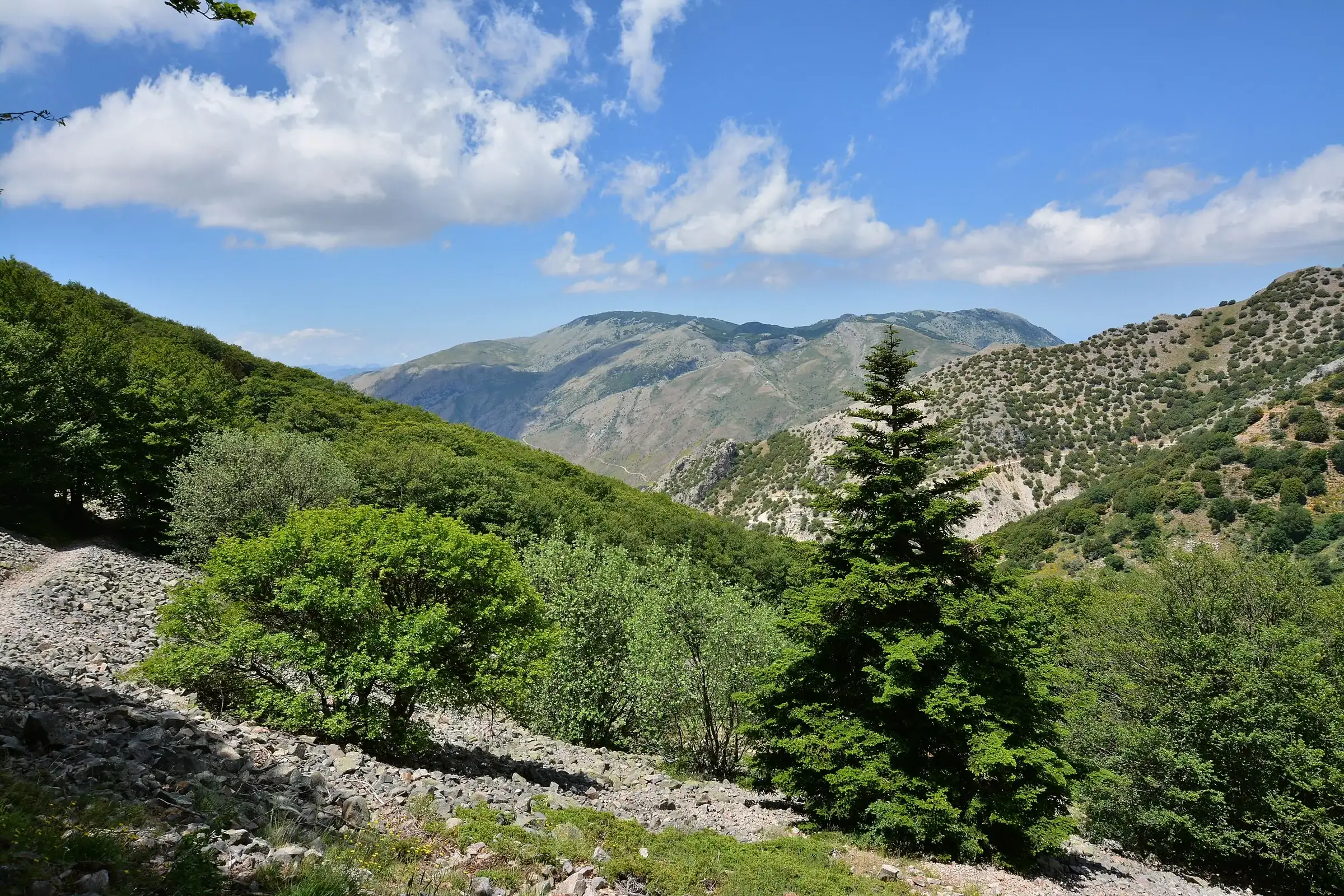
Vallone Madonna degli Angeli and the Abies nebrodensis
Villages
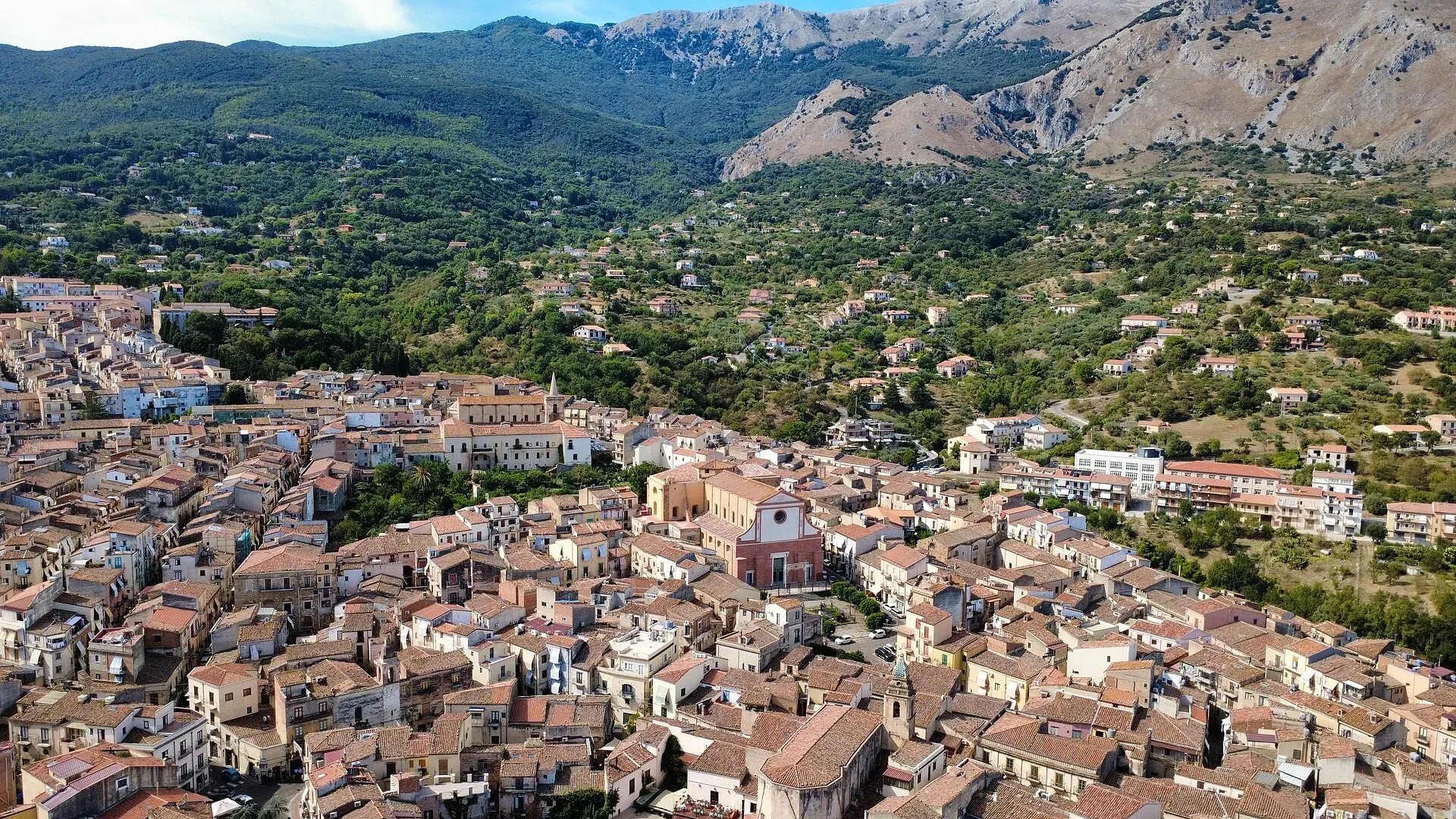
423 m a.s.l.
Castelbuono
The town of the Ventimiglia castle, manna and testa di turco
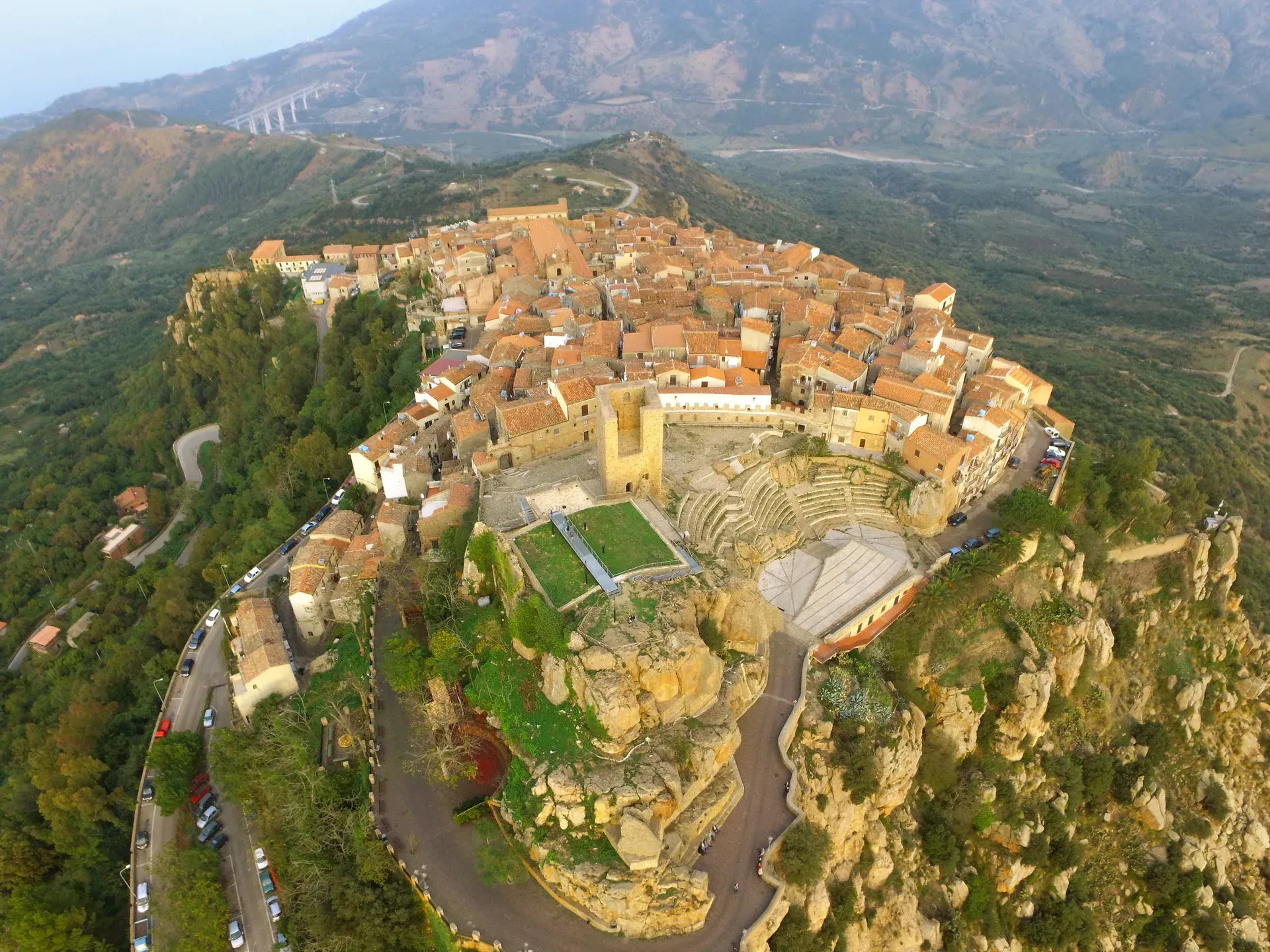
664 m a.s.l.
Pollina
The stone theatre and the manna, above the sea at Finale
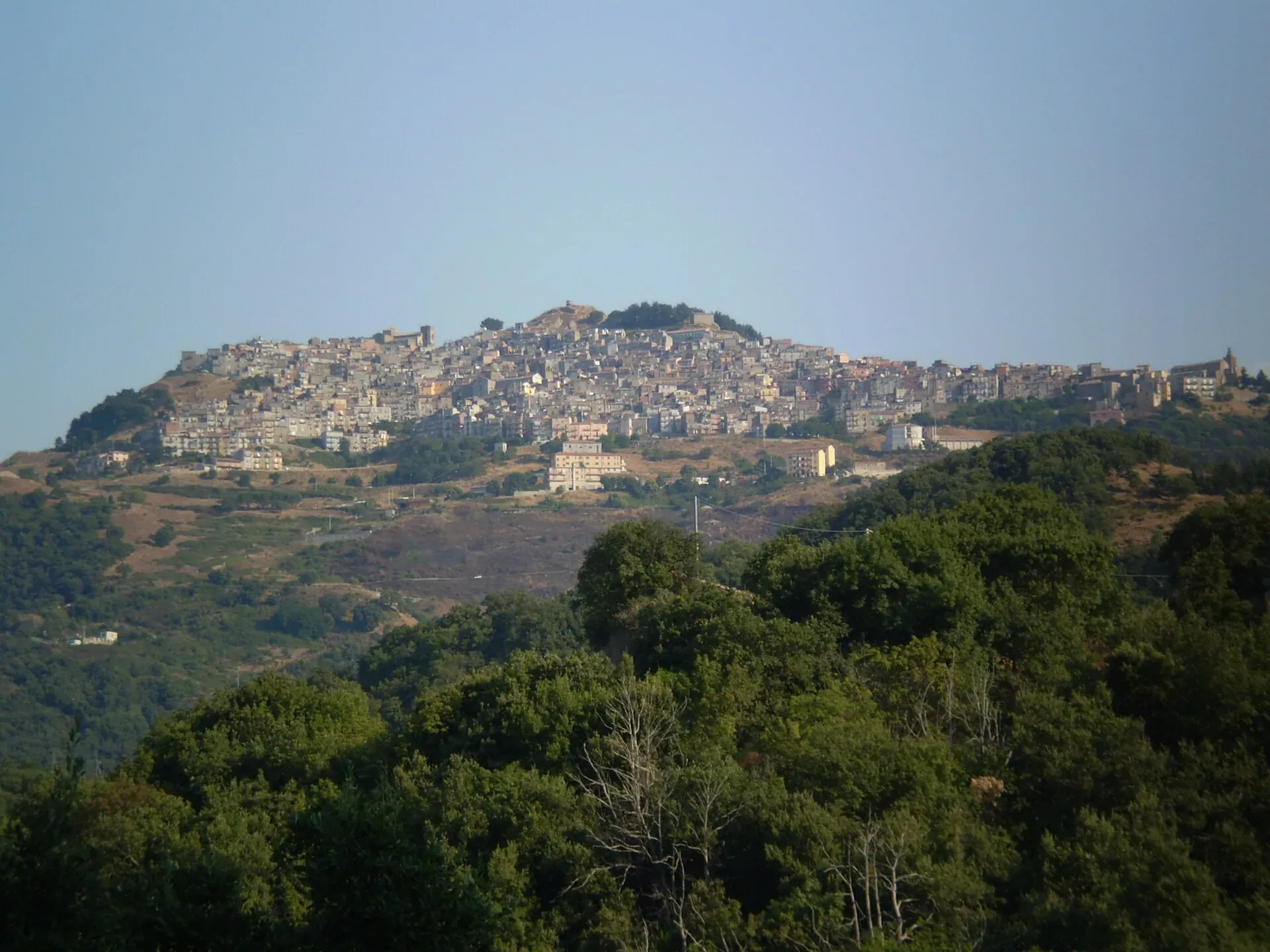
1,025 m a.s.l.
San Mauro Castelverde
The village at a thousand metres above the Gole di Tiberio
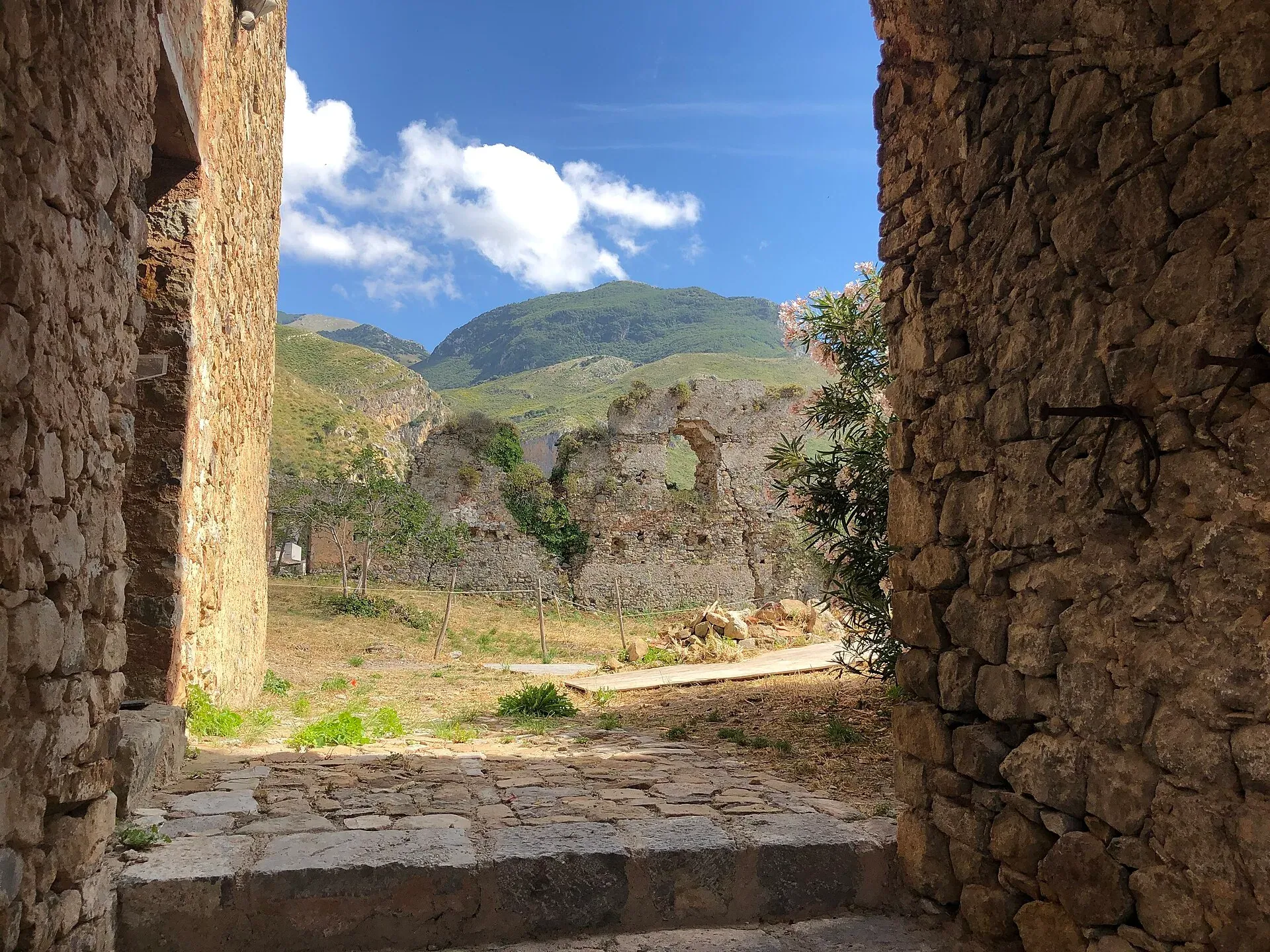
470 m a.s.l.
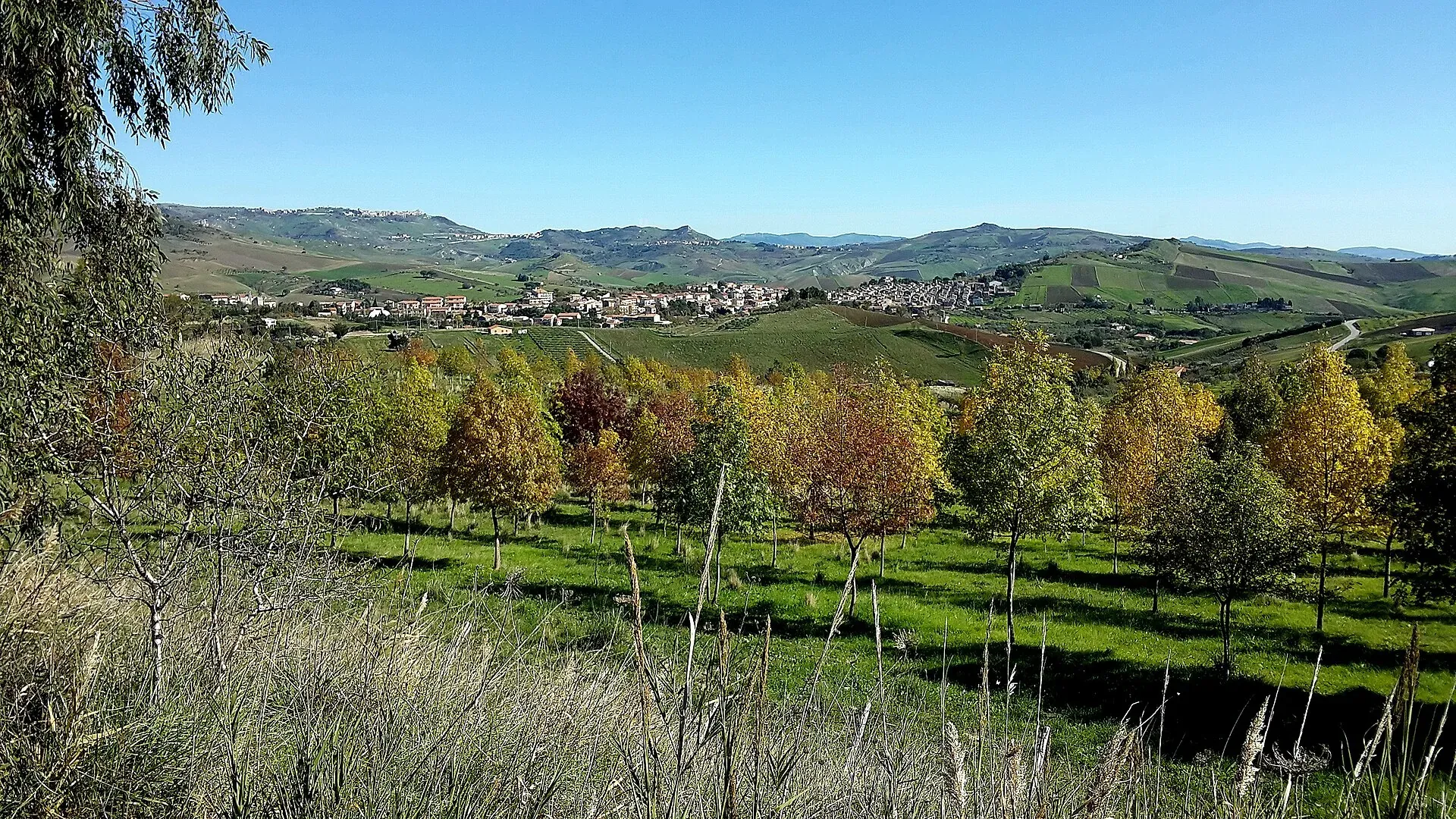
Collesano
Ceramics, a castle and the Targa Florio museum
774 m a.s.l.
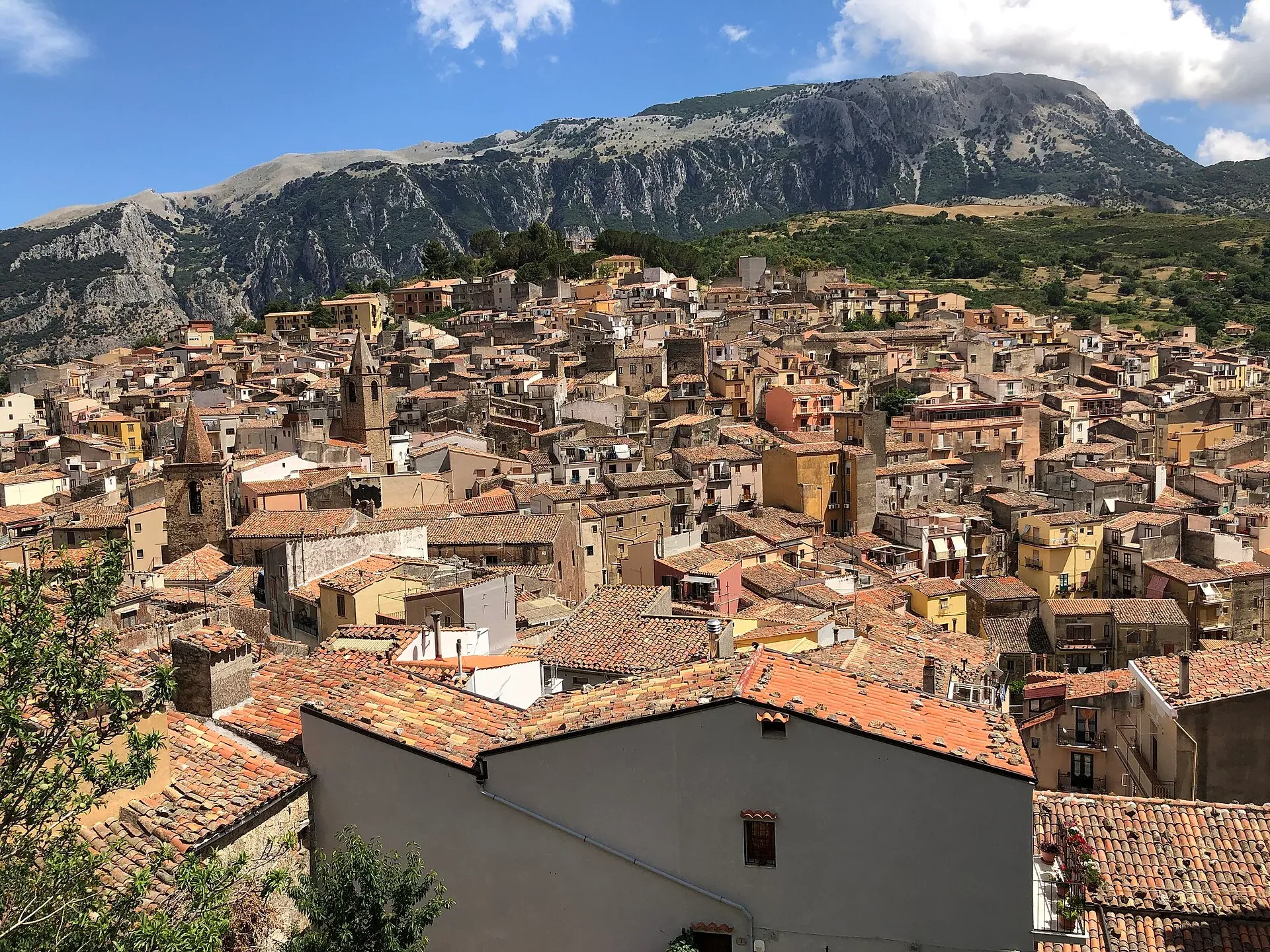
Castellana Sicula
The village of hamlets and murals
583 m a.s.l.
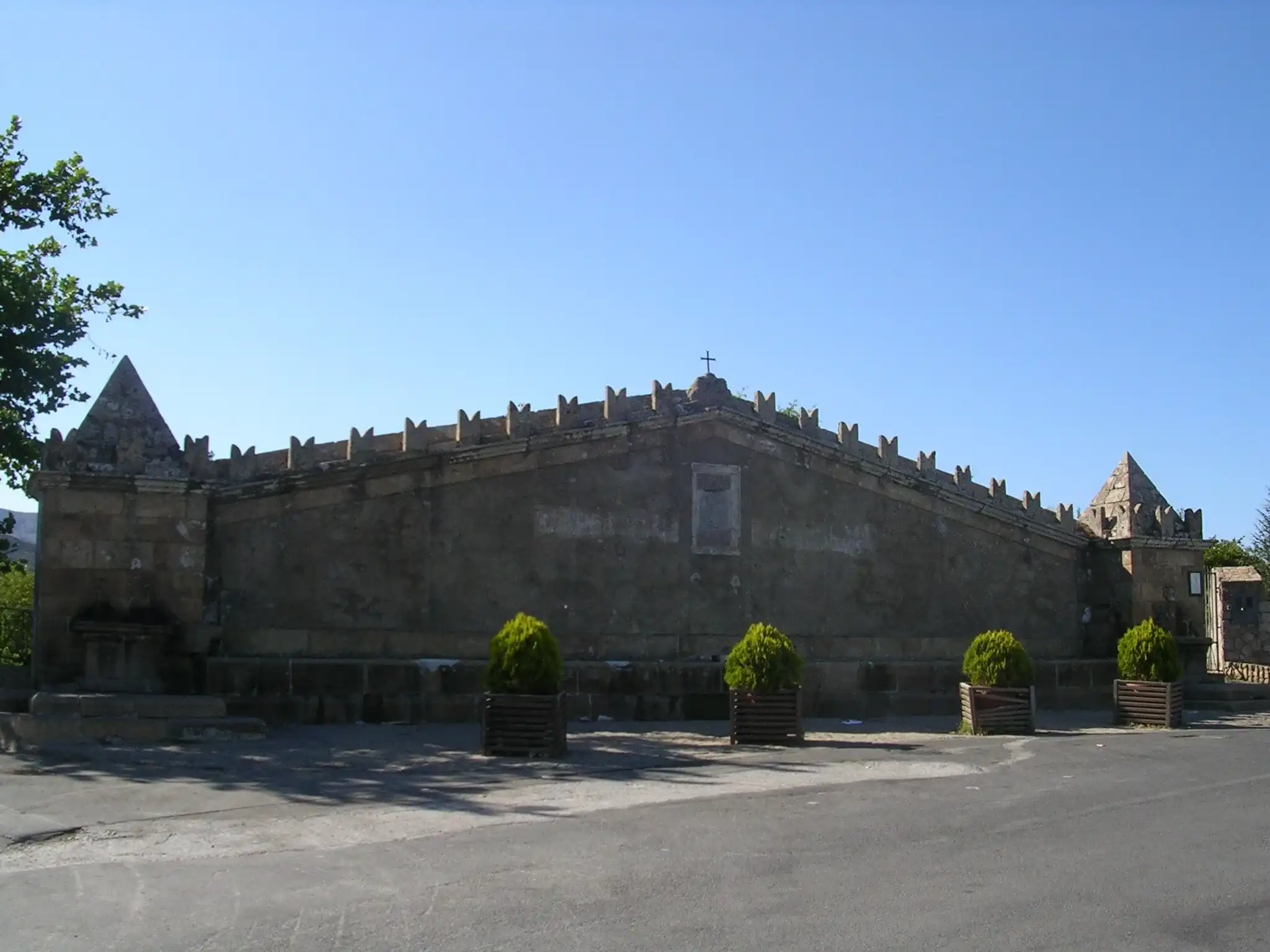
Isnello
The town of the stars, beneath the Madonie cliffs
See also
Things to do
Hiking in the Madonie: areas, seasons, CAI grades and guides
Hiking in the Madonie Park: where to walk, the right season, the CAI difficulty scale, the Sentiero Italia, hiking guides, the CAI and the Park rules.
Things to do
Mountain biking in the Madonie: forest roads and touring
MTB and e-bikes in the Madonie: where to ride around Piano Battaglia and Piano Zucchi, the CAI scale, the Ciclovia dei Parchi, bike hire and Park rules.
Things to do
The Madonie with kids: adventure parks, stars and snow
What to do in the Madonie with children: Parco Avventura Madonie, Pollina Adventure, GAL Hassin, picnic areas, easy trails and sledging, with 2026 prices.