Cefalù · Out and back
The Rocca di Cefalù and the Temple of Diana
The Rocca di Cefalù and the Temple of Diana: the climb from Salita Saraceni, ticket, 2026 opening hours, rules, what to see at the top and tips for your visit.
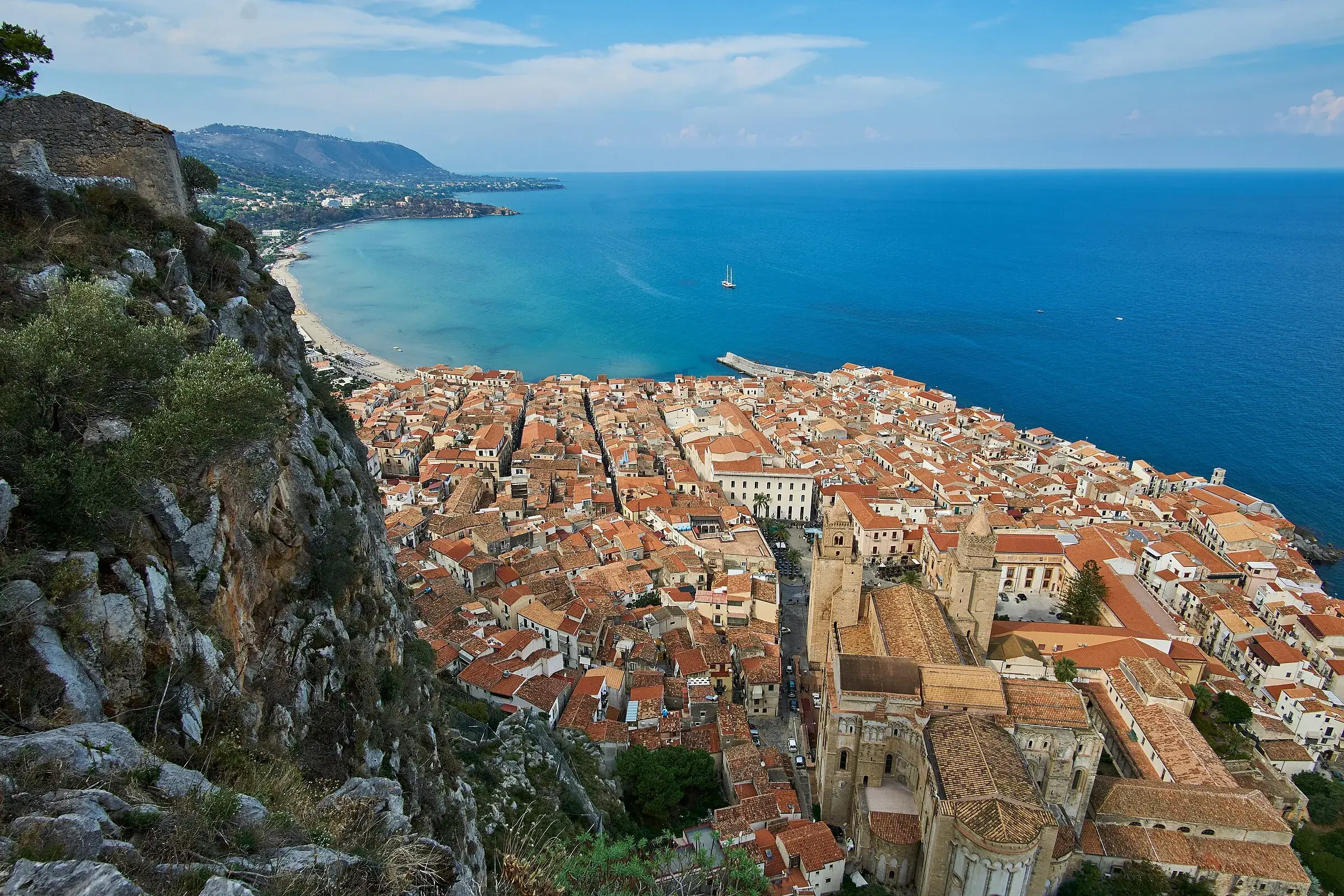
Along the way
- The Temple of Diana, a megalithic building with phases from the 9th century BC
- Medieval walls over 2 km long and the Great Cistern
- Ruins of the 12th and 13th century castle at the top
- Views of the Norman cathedral, the harbour and the Madonie
- A short climb from the old town, 270 metres above the sea
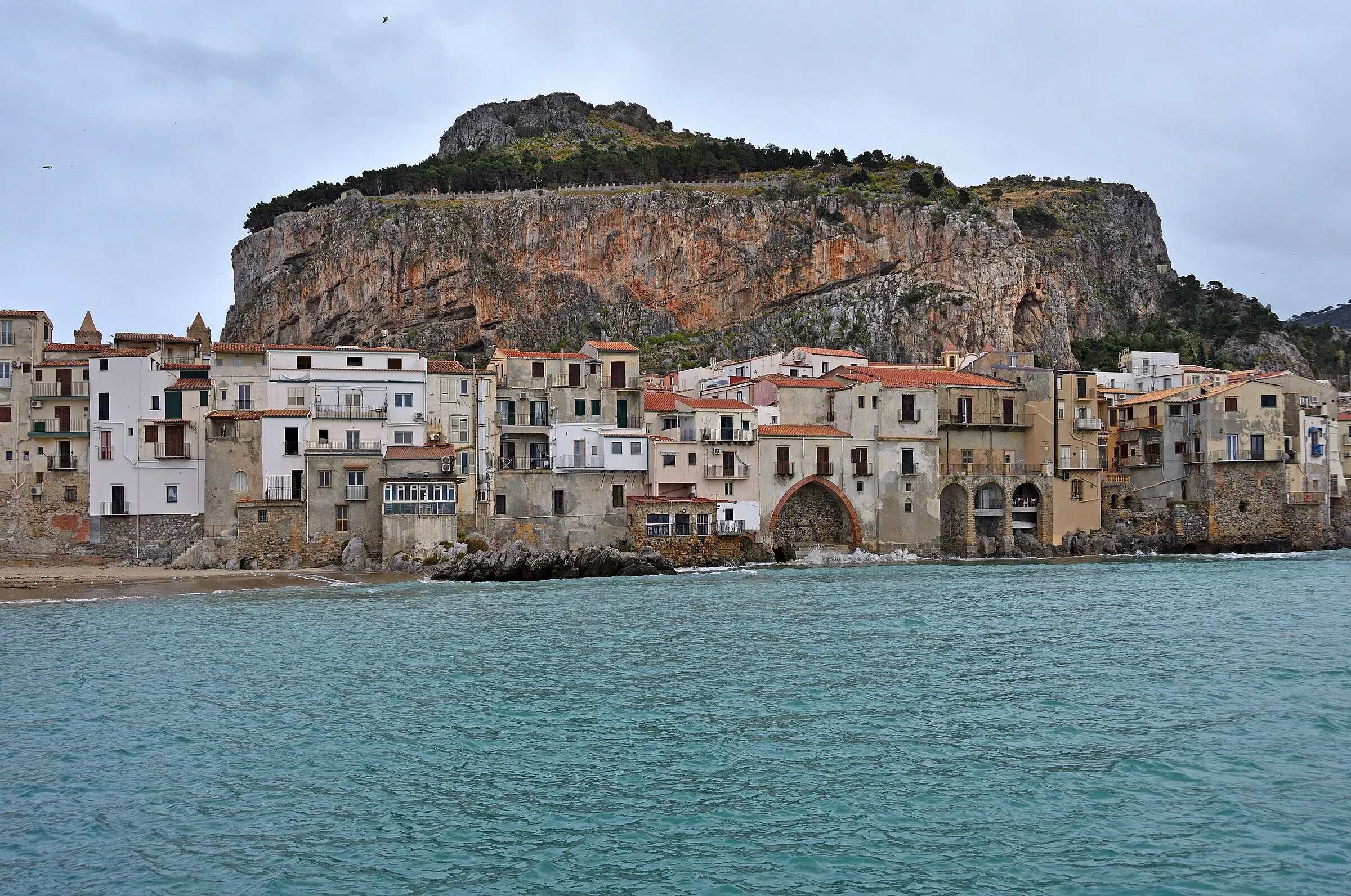
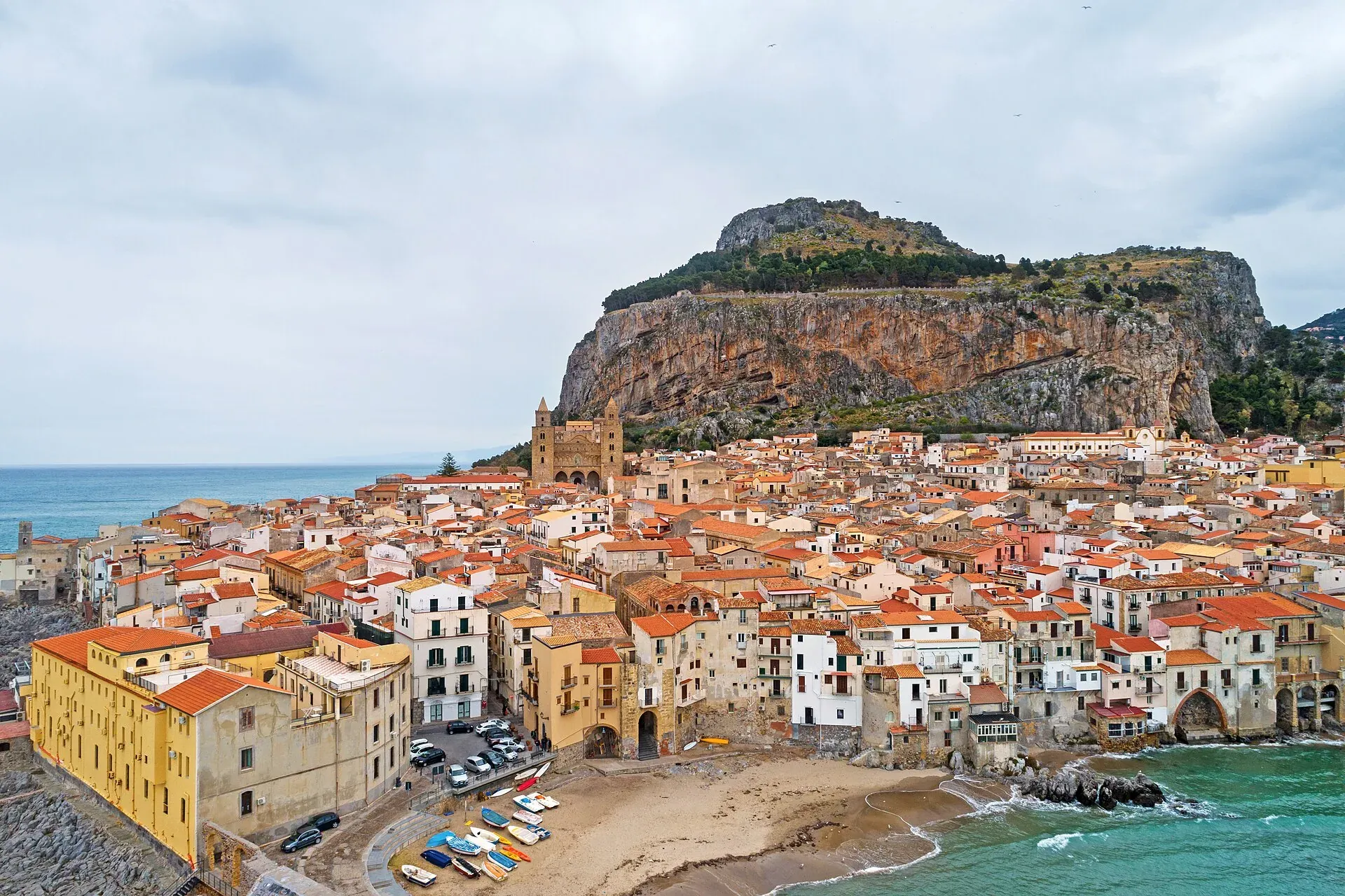
The Rocca di Cefalù is the 270-metre limestone crag that rises behind the town. You climb it on foot from the old town, from the ticket office between Piazza Garibaldi and the Salita Saraceni: about 200 metres of ascent on steps and paving to the Temple of Diana and the castle ruins. A full ticket costs 5 euros.
From up there you understand how Cefalù is laid out: the Norman cathedral, the harbour, the beach and, to the south, the Madonie.
Why climb the Rocca
For the history, even before the view. The Rocca was the stronghold of this coast for centuries, and the town recalls the names the city has had: Kephaloidion for the Greeks, Cephaledium for the Romans, Gafludi for the Arabs.
In the Byzantine period the settlement moved up onto the headland for defence. Only under Roger II did it return below, where the cathedral was built, and in those years work began on the city walls, over 2 km long.
What you see on the way up
The climb passes through the fortifications of the pass, built in three phases: early medieval, Norman and Renaissance, with work dated 1553-1554.
At around 130 metres you find the Great Cistern, the most important part of the water system. At 150 metres there are storerooms, ovens, the church of Sant’Anna and the Temple of Diana.
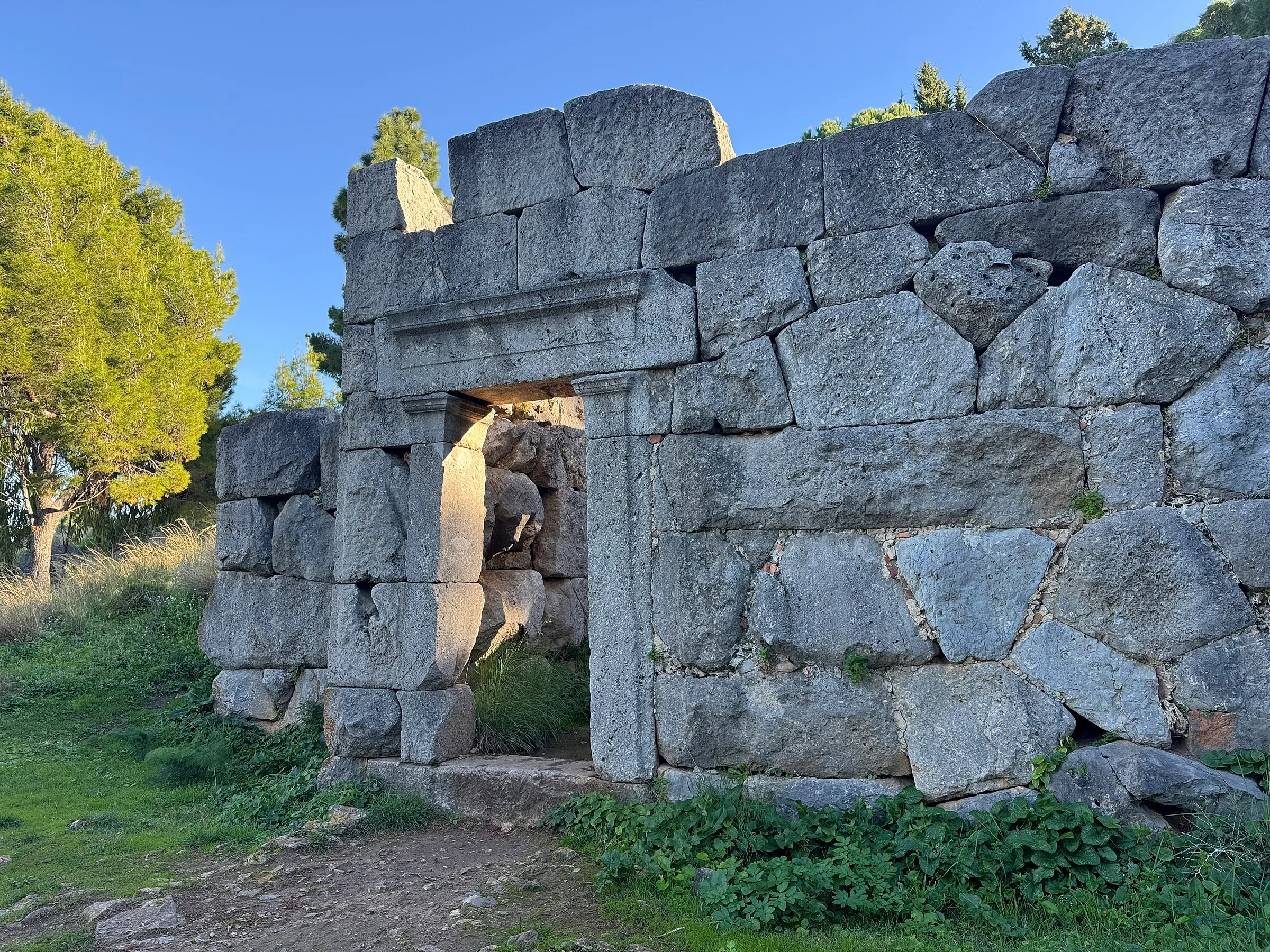
The Temple is a megalithic building whose purpose is still uncertain. According to the town it began as a cistern in the 9th century BC, perhaps linked to a water cult, and was transformed in Greek, Roman and finally Byzantine times, when it became a church.
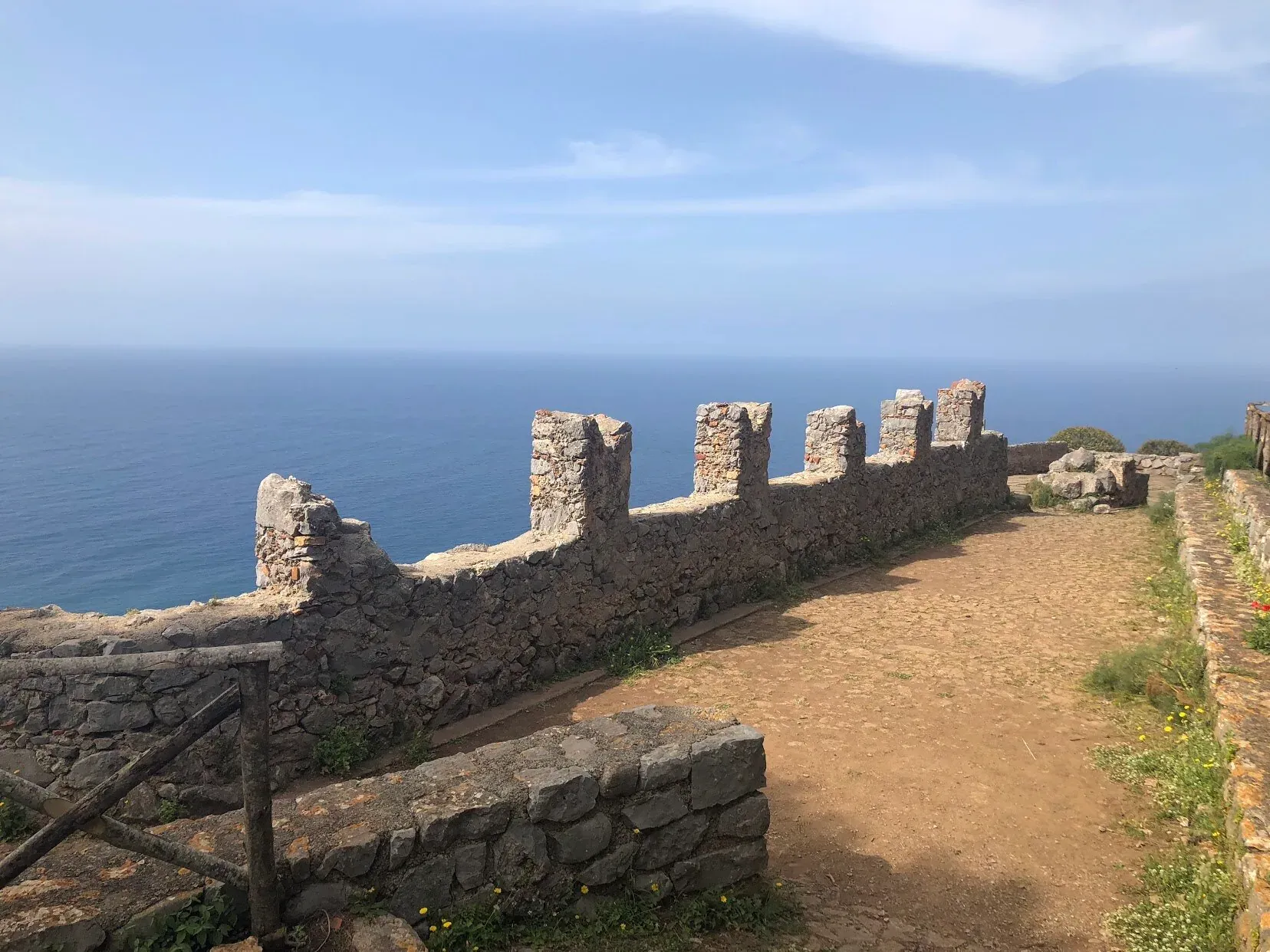
Higher up, at 200 metres, small barracks and lookout posts were used to pass optical signals along the coast. At the top stand the ruins of the 12th and 13th century castle: a document from 1238 records that Frederick II took it from the bishop to make it one of the island’s military strongholds.
Ticket and opening hours
The table summarises the town of Cefalù’s 2026 information. Last entry is always two hours before closing.
| Period | Opening | Last entry |
|---|---|---|
| From mid-September | 8 am-7 pm | 5 pm |
| Winter time (from 25 October 2026) | 8 am-5 pm | 3 pm |
| Spring, from 30 March | 8 am-7 pm | 5 pm |
| Summer time | 8 am-8 pm | 6 pm |
A full ticket costs 5 euros, the reduced ticket 2.50 euros (children aged 6 to 14, over-65s and teachers). Residents enter free.
The town’s rules
They really check them at the entrance. The town forbids:
- entry in sandals, flip-flops or smooth-soled shoes;
- entry for unaccompanied minors;
- fires, bivouacs and camping;
- paths not shown on the map;
- climbing on the monuments and the walls, or leaning out from the viewpoints;
- leaving litter, even biodegradable.
Who it is for and when to go
It is a tourist climb, fine for anyone who manages stairs. You need closed shoes with a good sole: polished stone is slippery.
Spring, autumn and winter are the best seasons. In summer start at opening time: the path is almost entirely in the sun. Check the weather in Cefalù before climbing: in strong wind the viewpoints are unpleasant.
Where to sleep and eat in Cefalù
Staying in the centre lets you be at the ticket office at 8. Accommodation is in where to stay in Cefalù, restaurants in where to eat in Cefalù. The Cefalù page covers the rest of the town.
In August there is the feast of the Santissimo Salvatore, patron of Cefalù. Between December and January the town sets up the Via dei Presepi.
What to bring
- Water: there are no fountains listed inside the Rocca park.
- A hat and sun cream from April to October.
- Tickets are bought on the spot.
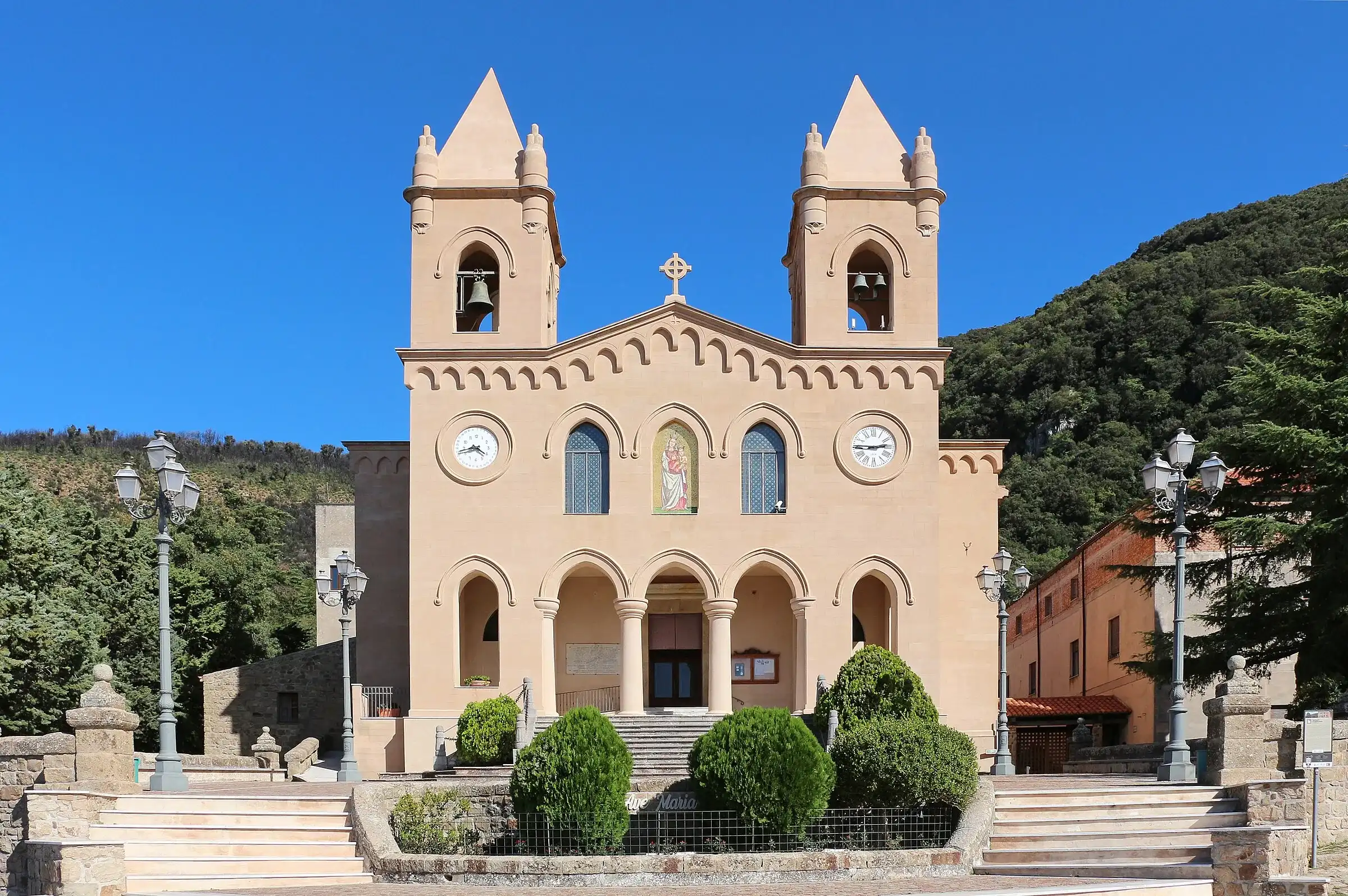
If you want a longer walk, Cefalù is the finish of the Via dei Frati, stage 8, which comes down to the sea from the Gibilmanna sanctuary.
Frequently asked questions
- How much does it cost to climb the Rocca di Cefalù?
- A full ticket costs 5 euros, the reduced ticket 2.50 euros for children aged 6 to 14, adults over 65 and teachers. Cefalù residents enter free. The ticket office is at the entrance, between Piazza Garibaldi and the Salita Saraceni, according to the town of Cefalù.
- What are the opening hours of the Rocca di Cefalù?
- From mid-September it opens from 8 am to 7 pm, last entry 5 pm. With winter time, which returns on 25 October in 2026, the hours become 8 am to 5 pm with last entry at 3 pm. In summer it closes at 8 pm and you can enter until 6 pm. The town may change them: check before you go.
- How long does it take to climb the Rocca di Cefalù?
- From the entrance to the top there are about 200 metres of ascent, on steps, paving and rock. The climb itself is short, but allow at least two hours to go up, see the Temple of Diana, walk round the viewpoints and come down without rushing.
- Is the Rocca di Cefalù suitable for children?
- For children who like walking it is a short trip full of things to see: walls, cisterns, the temple. The town does not admit unaccompanied minors and requires closed shoes for everyone. Leave the pushchair at the hotel: there are a lot of steps.
- Can you climb the Rocca in sandals?
- The town of Cefalù bans entry with open footwear such as sandals and flip-flops and with smooth-soled shoes. You need closed shoes with a sole that grips on polished stone. Without them, you will be turned away at the ticket office.
- When is the best time to climb the Rocca di Cefalù?
- In spring, autumn and winter, in the middle of the day. In summer go up at the 8 am opening: the path is exposed to the sun and at midday it is very hot. Remember that last entry is two hours before closing.
Sources
- Comune di Cefalù, Rocca di Cefalù (biglietti, orari, divieti)
- Sentieri Siciliani, rocche sopra i borghi (Rocca di Cefalù)
- Distretto turistico Cefalù Madonie Himera, Rocca e Tempio di Diana
Page updated on 19 October 2026
Nearby
Villages nearby
More trails
You may also like
Castelbuono · Point to point
Via dei Frati, stage 8: Castelbuono to Cefalù
- Distance
- about 26 km
- Time
- about 8 h 30
 Hiking trail
Contrada Quacella, SP119 · Loop
Vallone Madonna degli Angeli and the Abies nebrodensis
 Hiking trail
Piano Sempria · Out and back