Travel info
Things to do in the Madonie
Climbing in the Madonie: the Passo Scuro crag at Castelbuono, the CAI routes at Petralia Sottana, Collesano and Caltavuturo, courses, rules and safety.
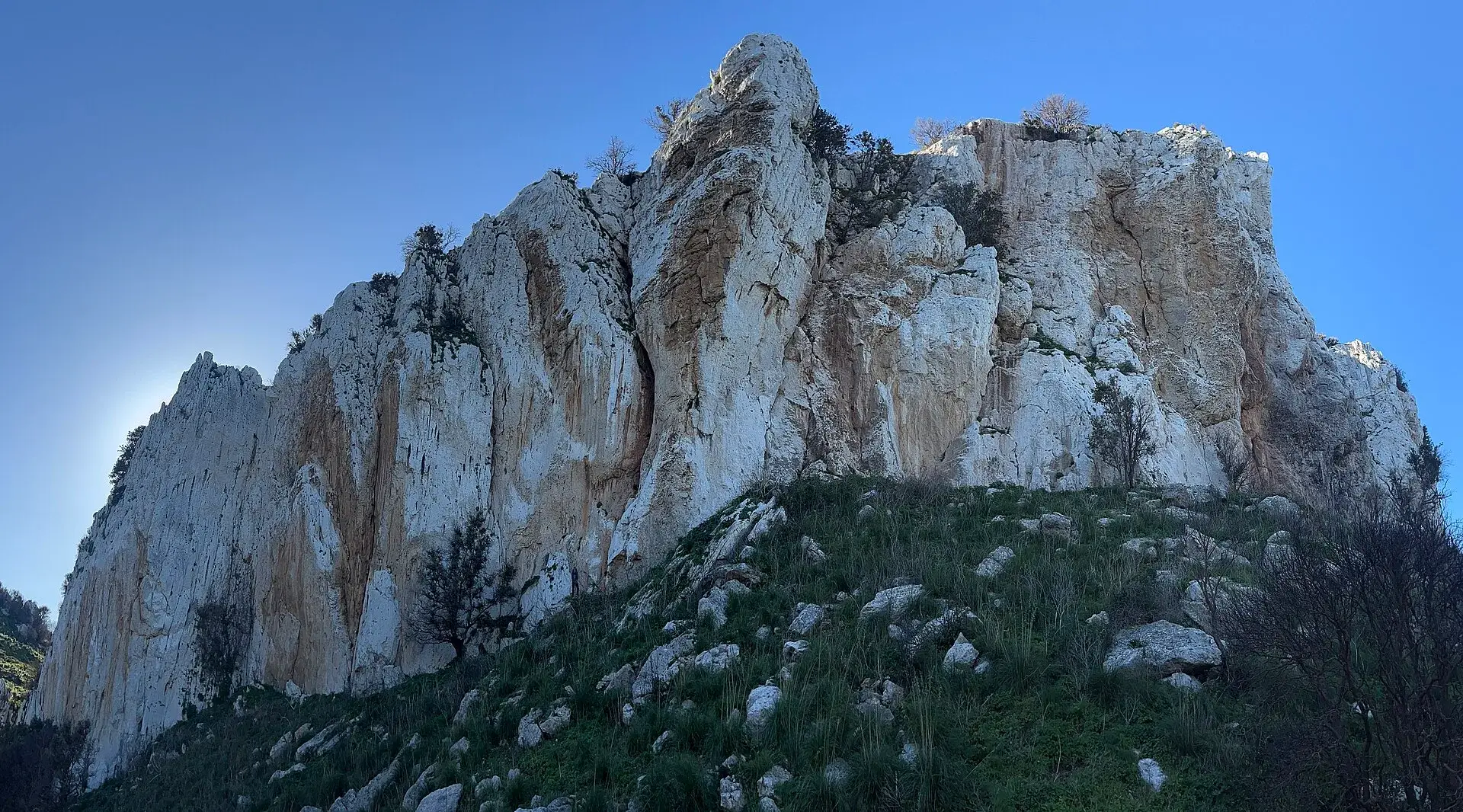
In the Madonie most climbing happens at the Passo Scuro crag, in contrada Monticelli at Castelbuono: 20 limestone routes, all under 30 metres, facing east and bolted with stainless steel by the Park authority together with CAI Sicilia. The Park authority also mentions routes on the Balza di Sant’Otiero at Petralia Sottana, at Montedoro near Collesano and on the Rocca di Sciara above Caltavuturo. A helmet is compulsory, and you should only climb if you can belay and lower off on your own.
On this page you won’t find route grades, detailed approaches or topos. You will find where the crags are, who bolted them, the rules and how to get started.
At a glance
The rock faces of the Madonie are limestone. At Passo Scuro, according to the then director of the Park authority, it is compact limestone of the Panormide Unit, the same rock as the Pizzo Carbonara massif. This table lists the sites mentioned by official sources.
| Site | Municipality | What we know | Source |
|---|---|---|---|
| Passo Scuro (contrada Monticelli) | Castelbuono | Bolted crag with 20 routes, the first real equipped crag in the Madonie | Park authority, CAI Sicilia |
| Balza di Sant’Otiero | Petralia Sottana | Routes opened by the CAI | Park authority, LiveSicilia 2009 |
| Montedoro | Collesano | Routes opened by the CAI | Park authority, LiveSicilia 2009 |
| Rocca di Sciara | Caltavuturo | Routes on the crag above the town | Park authority |
| Serra Daino | Pollina | 12-metre artificial wall, about 10 routes | Park authority |
For Sant’Otiero, Montedoro and the Rocca di Sciara, public sources only say that routes opened by the CAI exist. We found no up-to-date information on the state of the bolts: for these crags ask people who climb there, starting with the CAI Madonie section in Petralia Sottana.
Passo Scuro is the name of the rock face in contrada Monticelli, in the municipality of Castelbuono, in zone B of the Park. The project came from the Park authority, which in 2006 signed an agreement with CAI Sicilia to design and equip the crag. The funding came from the EU regional programme POR Sicilia 2000-2006, and the work was done by the CAI with its Petralia Sottana section and Castelbuono sub-section. The opening was set for 22 August 2009.
The board at the foot of the crag, also published by the Park authority, gives the key facts.
| Item | Value |
|---|---|
| Altitude | 732 metres |
| Aspect | east, routes in the shade in the afternoon |
| Number of routes | 20, numbered at the foot from left to right |
| Length | under 30 metres |
| Grades | French scale, written at the foot with the route name |
| Hardware | all stainless steel, lower-offs with carabiners |
The routes have names like Dolce Manna, Agrifoglio, Rosa Canina, Peonia and San Calogero. The lengths under 30 metres are no accident: the CAI planned them around standard 60-metre ropes, so you can climb and lower off from the anchor.
Leave the gate on the approach path open or closed as you find it. Animals may be grazing above the crag, and that’s where falling stones come from.
The board adds something that applies to every crag: always check your gear and the solidity of the holds, because written information does not replace your own judgement.
If you have never climbed, the crag is not the place to teach yourself. The Park authority says so clearly: people who are independent and qualified always climb roped; everyone else needs qualified staff to supervise the rope work.
There are three ways to start.
The rock faces of the Madonie are natural, and the Park warns that rock, by its nature, is worn away by frost, rain and heat. Material can fall even with nobody above.
For mountain safety in general, from the CAI scale to rescue, read the article on safety in the Madonie.
Passo Scuro faces east and its routes are in the shade in the afternoon, at 732 metres. Given its aspect and altitude it is a spring and autumn crag; in summer the afternoon is better, when the face is in the shade.
For the other crags the usual rule applies: up high, winter brings frost and snow; lower down, summer brings heat on sun-exposed rock.
Passo Scuro is close to Castelbuono, so the day ends well in town. Above Castelbuono, the paths of the wood of giant hollies start from Piano Sempria. To sleep, see where to stay in Castelbuono.
If you are also interested in the rock from the inside, the guide to caving in the Madonie covers the deep caves of Isnello and Cefalù. For ridge walking without a rope there is hiking in the Madonie, with demanding ridges such as Monte Quacella.
Updated on 19 October 2026
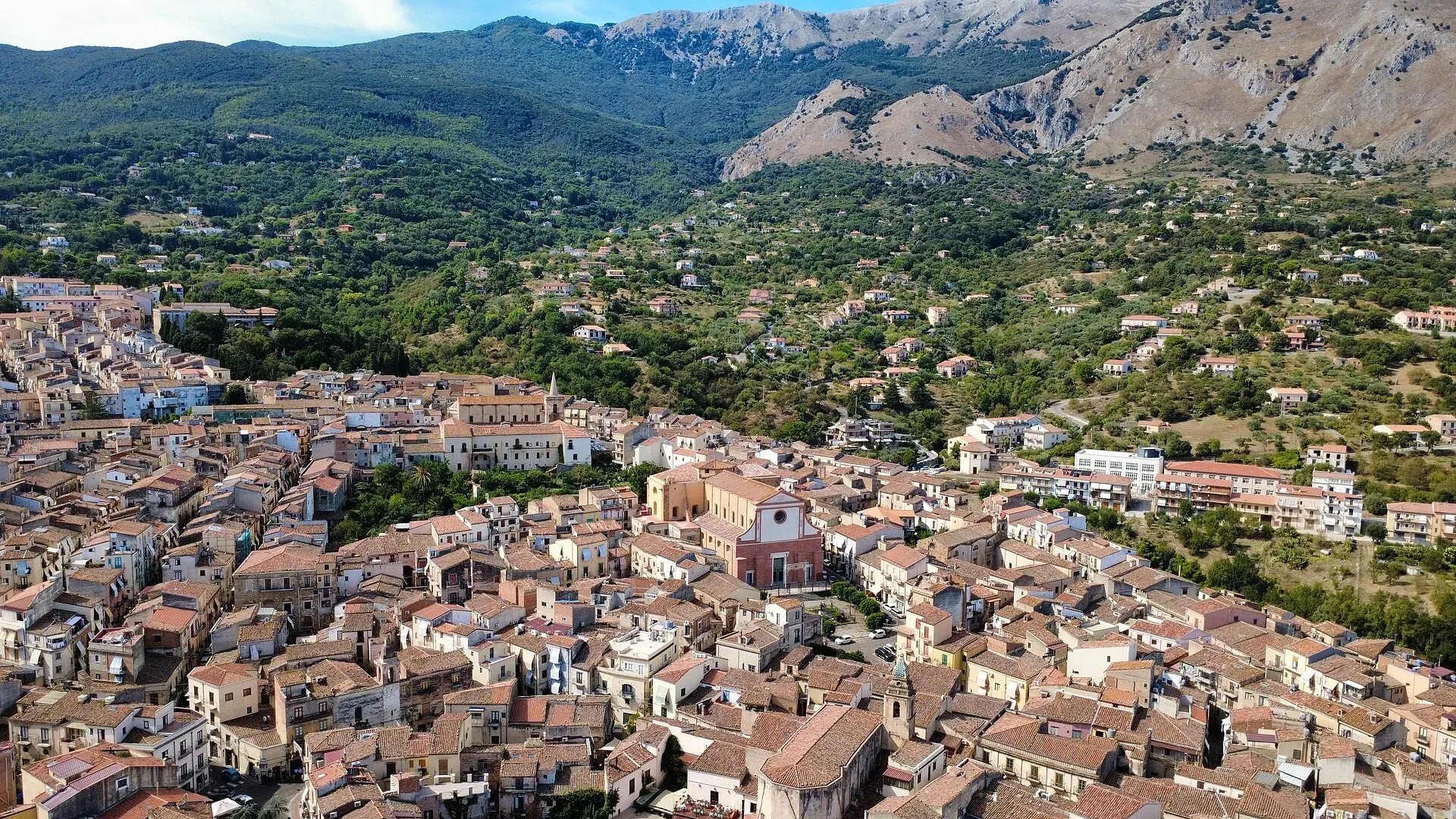
423 m a.s.l.
The town of the Ventimiglia castle, manna and testa di turco
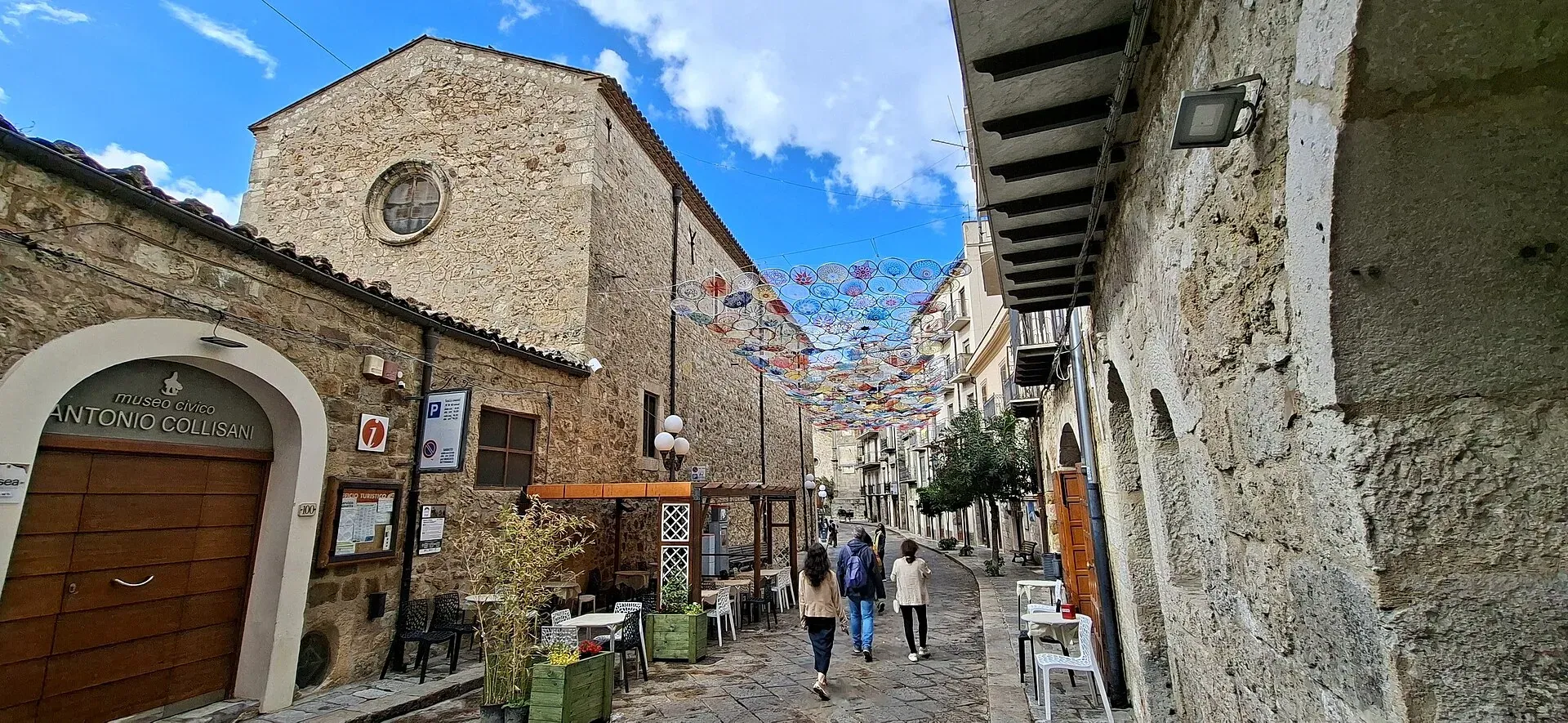
1,039 m a.s.l.
Home of the Madonie Park, at the foot of Piano Battaglia
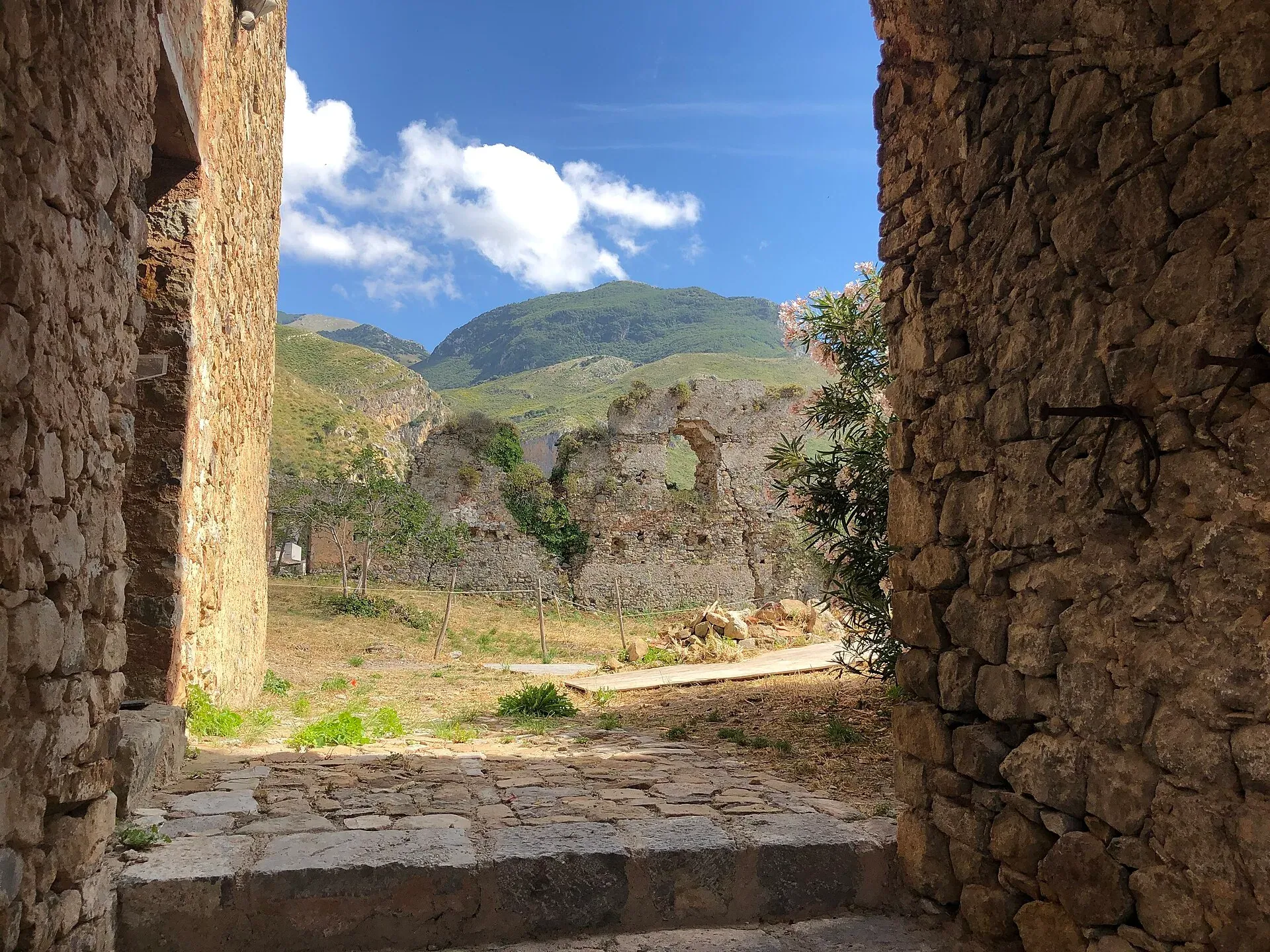
470 m a.s.l.
Ceramics, a castle and the Targa Florio museum
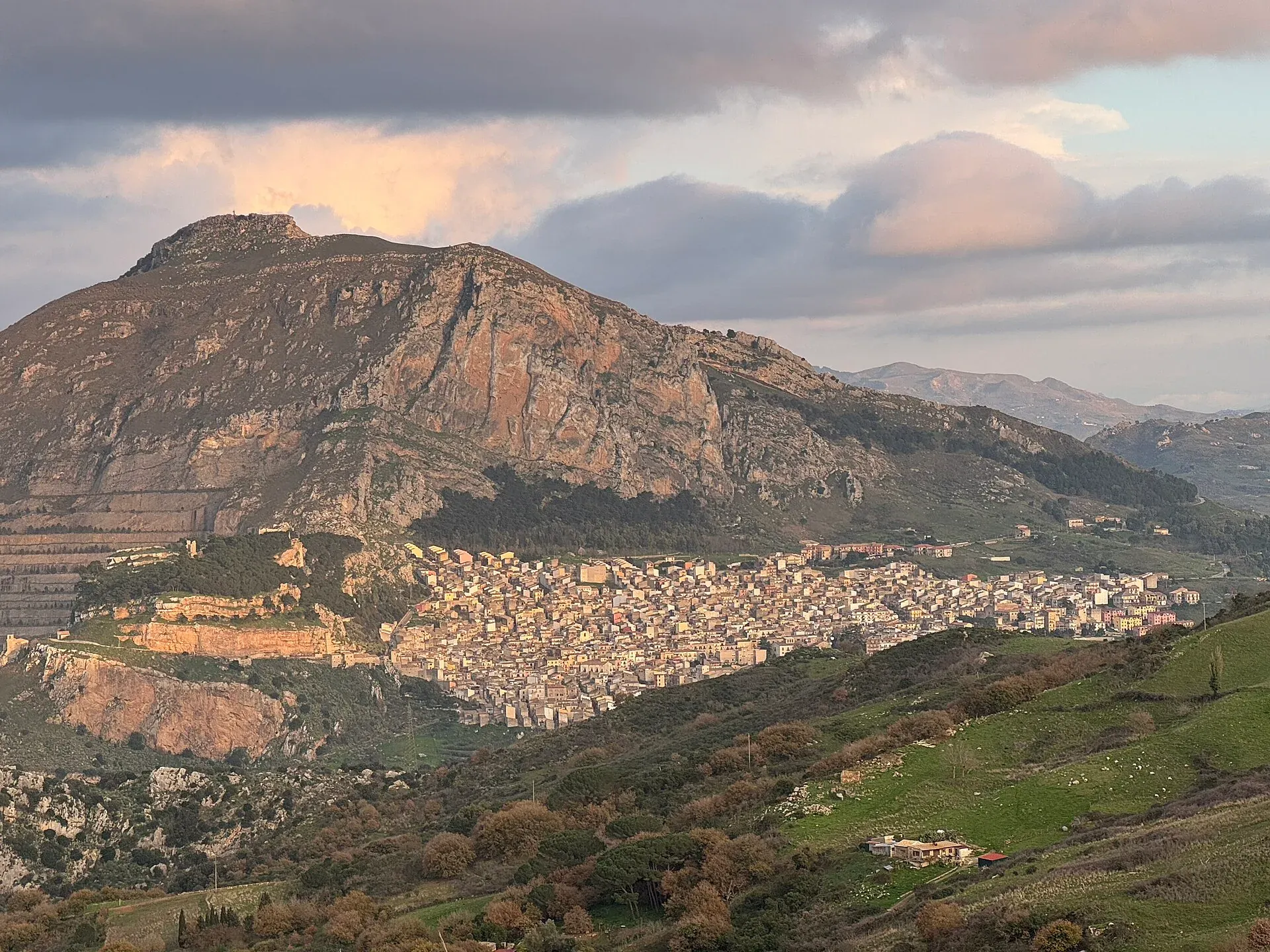
631 m a.s.l.
The village below the Rocca di Sciara
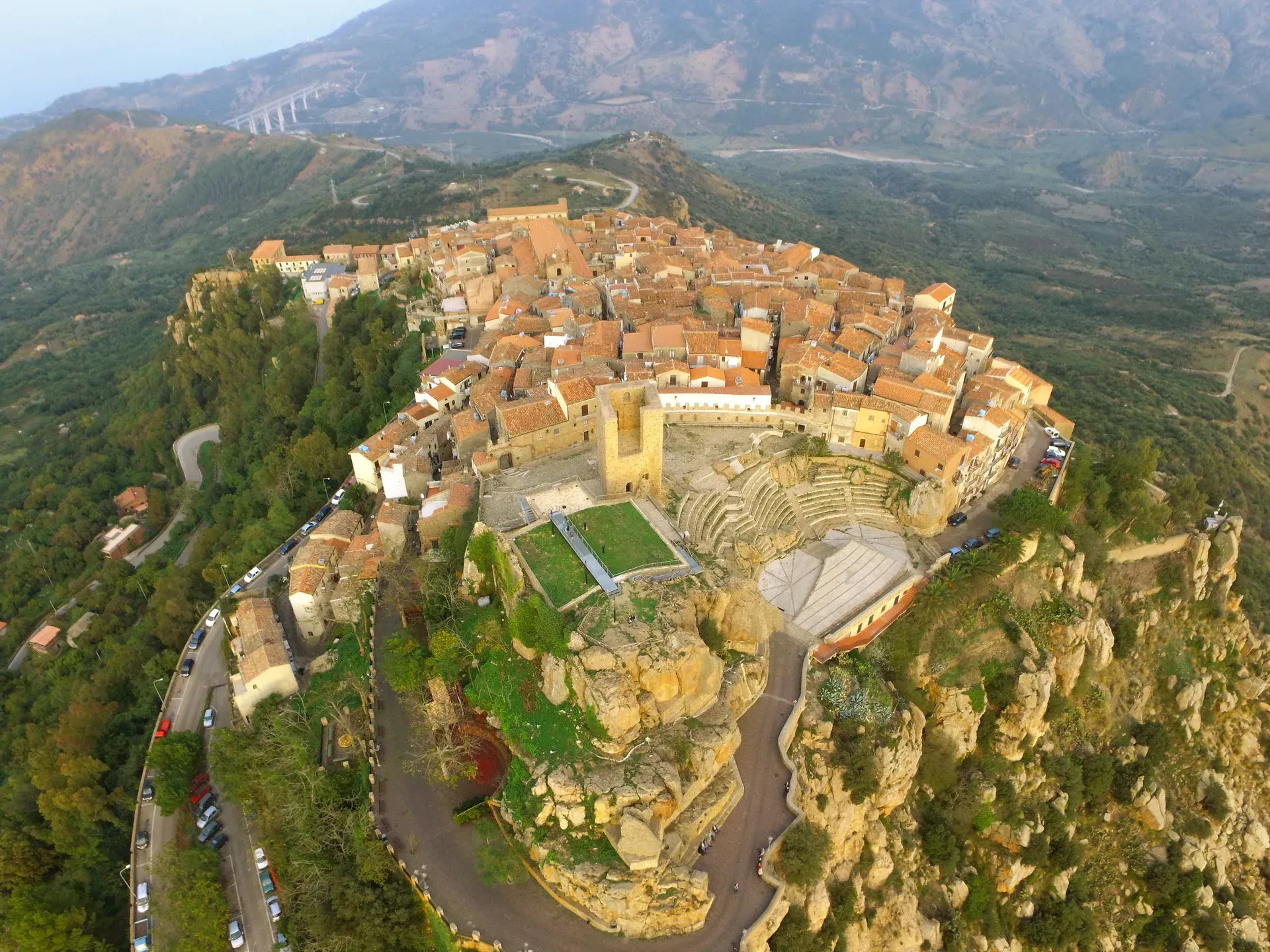
664 m a.s.l.
The stone theatre and the manna, above the sea at Finale
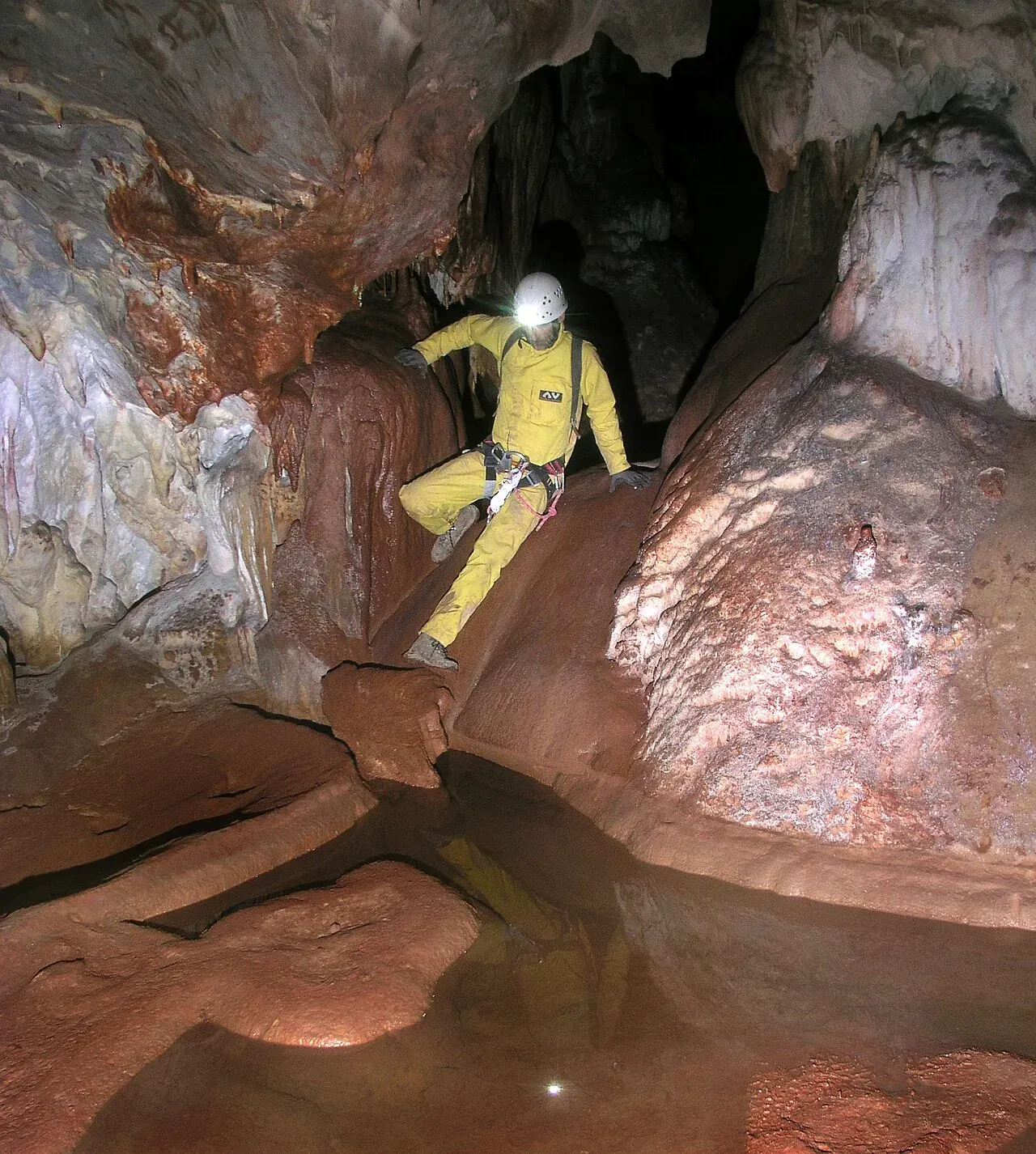
Things to do
Caving in the Madonie: the Abisso del Vento in Isnello and the Abisso del Gatto in Cefalù, the Park rules, CAI courses and who to call in an emergency.
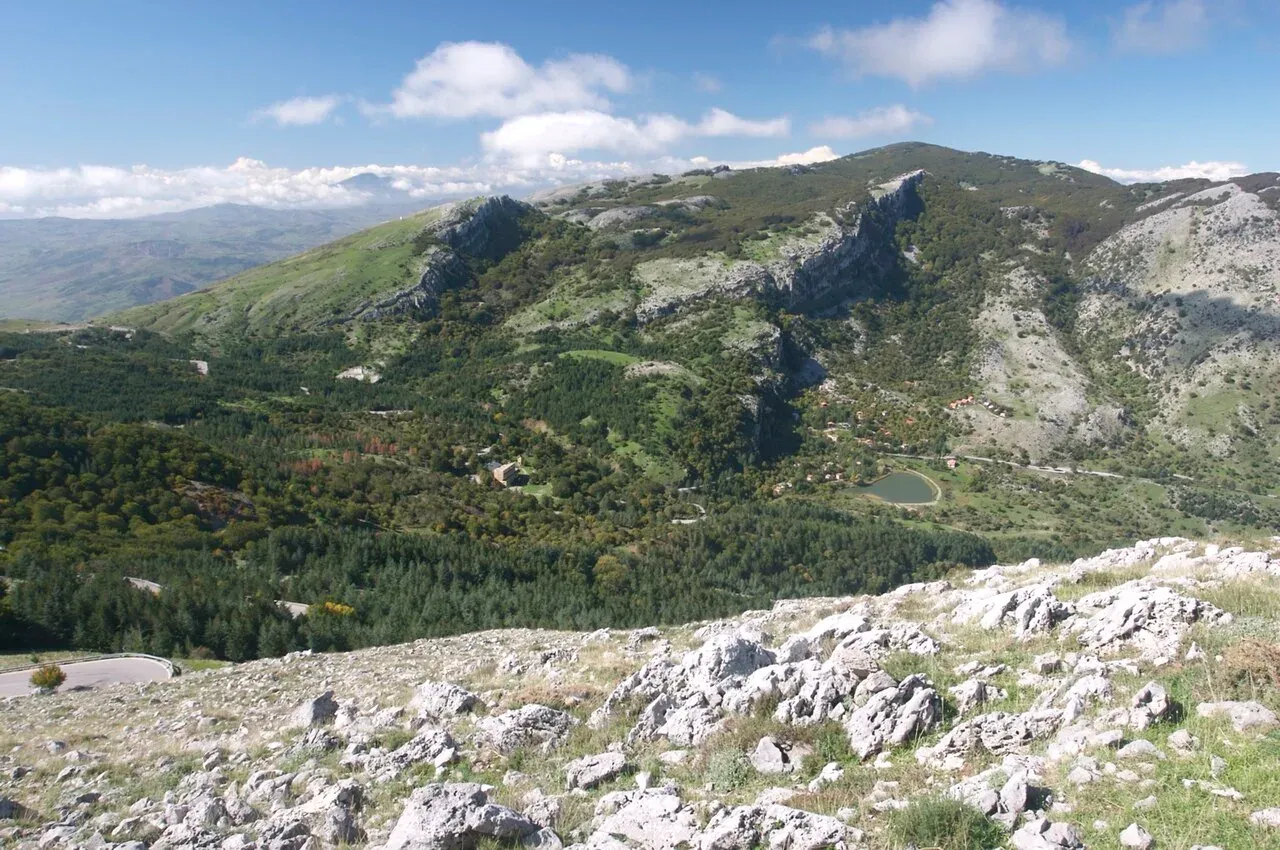
Things to do
Hiking in the Madonie Park: where to walk, the right season, the CAI difficulty scale, the Sentiero Italia, hiking guides, the CAI and the Park rules.
Things to do
What to do in the Madonie with children: Parco Avventura Madonie, Pollina Adventure, GAL Hassin, picnic areas, easy trails and sledging, with 2026 prices.
Travel info