Food
History and culture
Museums of the Madonie: the Mandralisca in Cefalù, the Museo Civico in Castelbuono castle, Minà Palumbo, the Targa Florio, salt sculptures and rural life.
The Madonie have more than twenty museums, almost all small and run by the town councils. The three not to miss are the Museo Mandralisca in Cefalù, with the Portrait of a Man by Antonello da Messina, the Museo Civico in the Ventimiglia castle in Castelbuono, and the Francesco Minà Palumbo natural history museum, also in Castelbuono. Then there are museums you only find here: the Targa Florio in Collesano, salt sculptures in a working mine, the Madonie fir in Polizzi Generosa.
At a glance
This table lists the museums by town, with the theme and location given by the Ente Parco delle Madonie and the museums’ own websites.
| Town | Museum | Theme | Location |
|---|---|---|---|
| Cefalù | Museo Mandralisca | painting, archaeology, coins, shells | via Mandralisca 13 |
| Cefalù (Gibilmanna) | Museo Fra Giammaria da Tusa | sacred art, friars’ life | Capuchin friary |
| Castelbuono | Museo Civico | castle, Sant’Anna, contemporary art | Ventimiglia castle |
| Castelbuono | Francesco Minà Palumbo natural history museum | natural history of the Madonie | former convent of San Francesco |
| Collesano | Museo della Targa Florio | the motor race | corso Vittorio Emanuele |
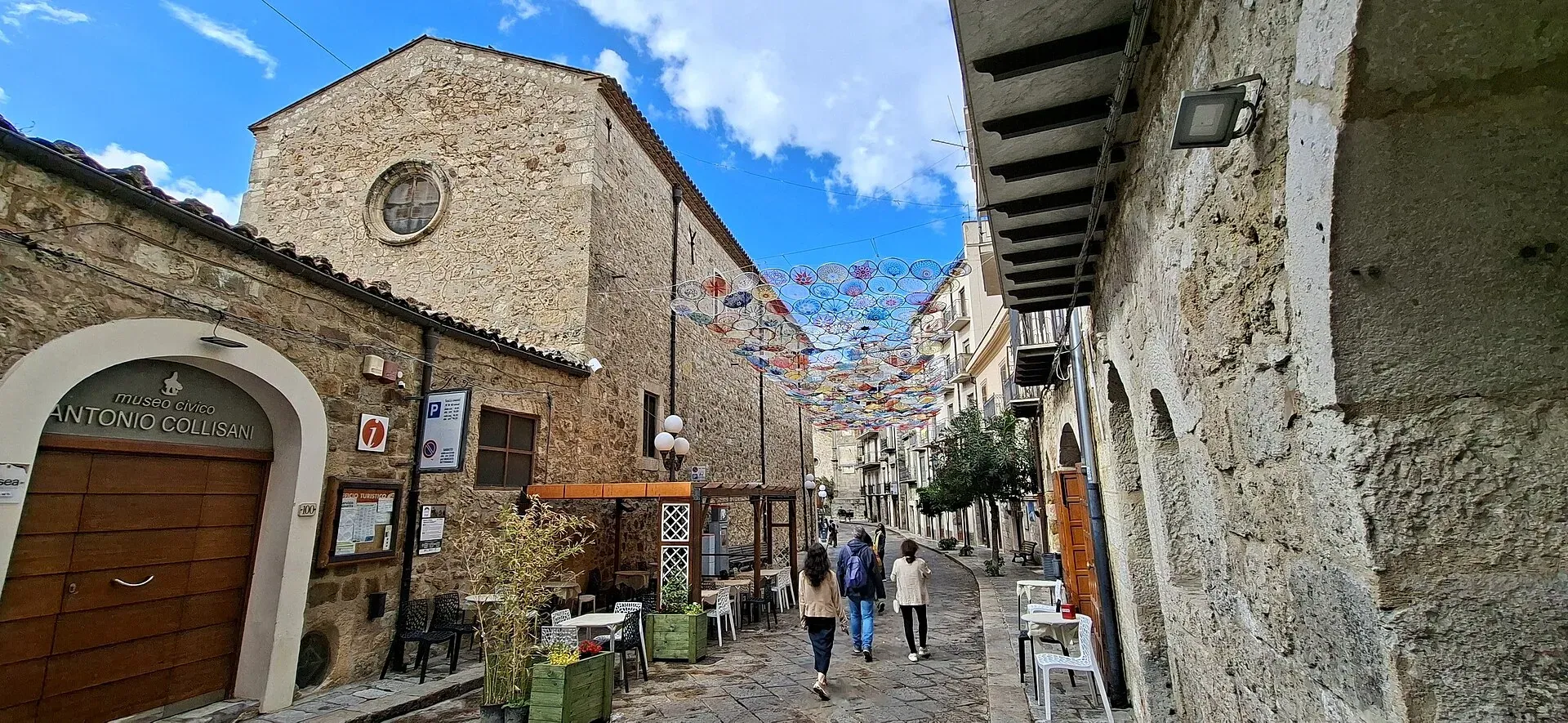
| Petralia Sottana | Museo Civico Antonio Collisani | archaeology and geology | corso Paolo Agliata 100 and Palazzo Pucci Martinez |
| Petralia Soprana | MACSS, Museo SottoSale | rock salt sculptures | Italkali mine at Raffo |
| Polizzi Generosa | Civico Museo Archeologico | Hellenistic necropolis | former Jesuit College |
| Polizzi Generosa | Museo Ambientalistico Madonita | Madonie wildlife | piazza Castello |
| Polizzi Generosa | Museo dell’Abies nebrodensis | the Madonie fir | Palazzo di Città |
| Polizzi Generosa | Museo Etnoantropologico | rural life | old town (ask the council) |
| Gangi | Palazzo Sgadari museum system | archaeology, painting, weapons, rural life | Palazzo Sgadari |
| Geraci Siculo | Museo Etnoantropologico delle Madonie | rural life | via Don Orione |
| Caltavuturo | Museo Civico Don Giuseppe Guarnieri | archaeology, puppets, sacred art | former convent of San Francesco |
| Castellana Sicula | Museo Civico di contrada Muratore | Roman archaeology | contrada Muratore |
| Isnello | Museo Trame di filo | embroidery and textiles | via Impillitteri |
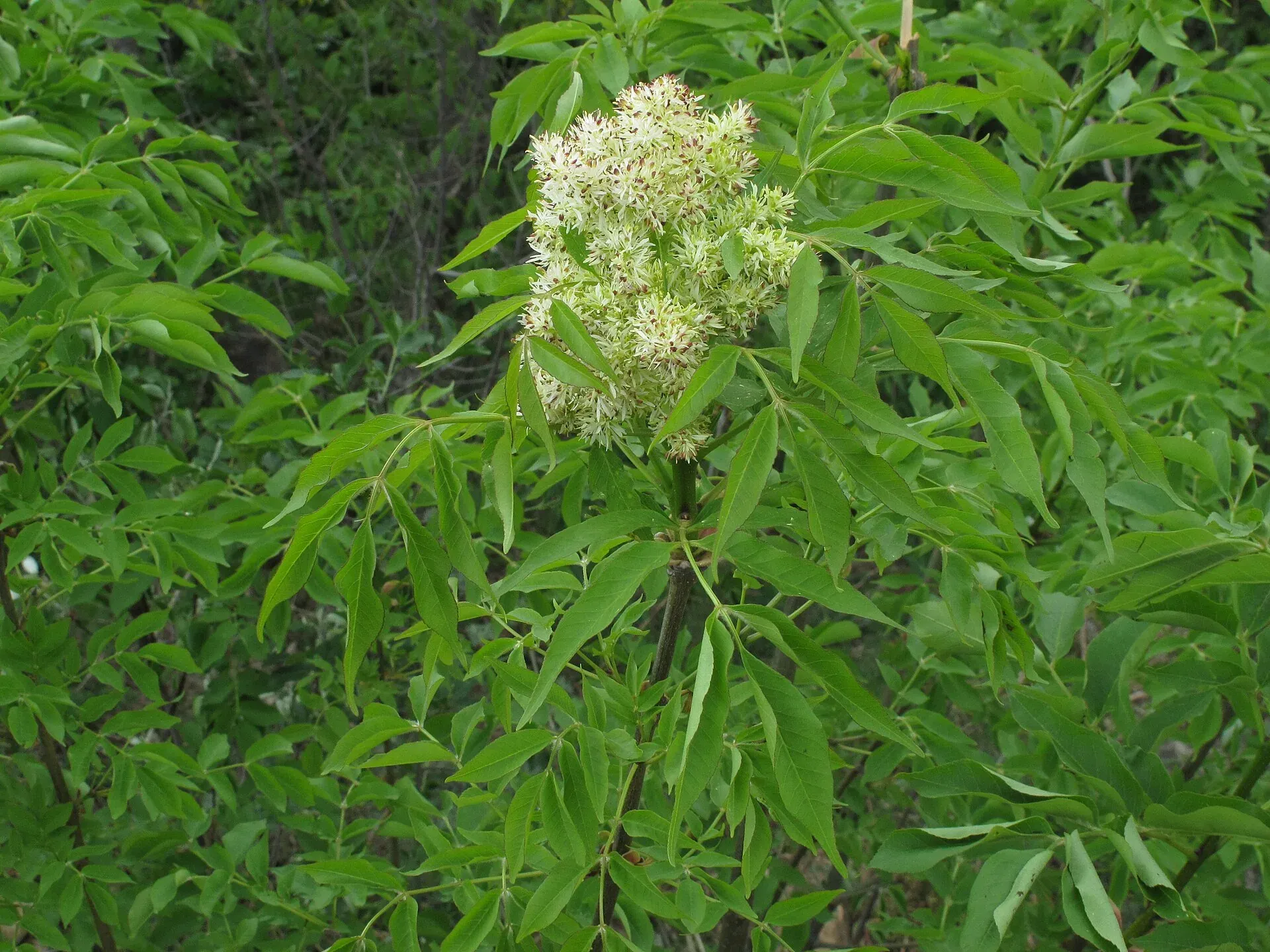
| Pollina | Museo della Manna | manna from the ash trees | former town hall, piazza Duomo |
| Scillato | Water museum | mills and springs | Paraturi mill |
| Gratteri | Museo Centro Ambientale | local nature | via del Sole 30 |
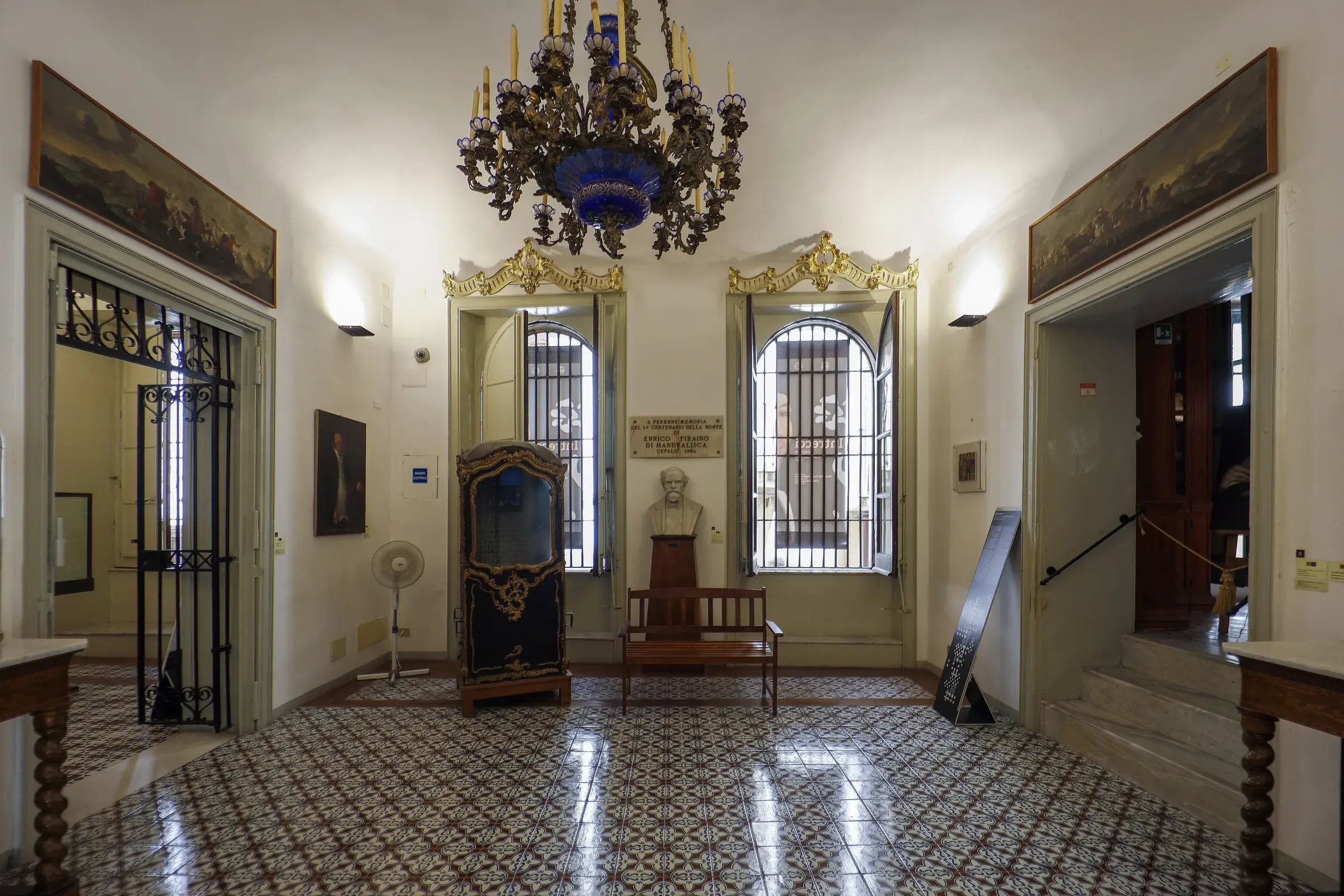
The richest museum in the Madonie. It occupies the house of Baron Enrico Pirajno di Mandralisca, a 19th-century naturalist and collector, a few metres from piazza Duomo. With no direct heirs, the baron left his whole estate, library and collections to a school foundation in Cefalù (Fondazione Mandralisca).
What to see:
The museum also holds the collection of the lawyer Vincenzo Cirincione, who in 1873 left more than 140 paintings to the town of Cefalù. The old town is on the Cefalù page and the cathedral in our guide to the Madonie churches.
The Museo Civico occupies the Ventimiglia castle, bought by the people of Castelbuono at a public auction in 1920 with a popular collection (Ente Parco delle Madonie). It has four sections:
The castle also holds the Palatine Chapel with stucco work by the Serpotta brothers and the relic of Sant’Anna.
Opening hours and tickets (Museo Civico di Castelbuono, checked on 19 October 2026):
| Period | Hours |
|---|---|
| November-March | every day, 9.30 am-4.45 pm |
| April-October | every day, 9.30 am-1 pm and 3-6.30 pm |
Full price 6 euros, reduced 4 euros, residents 2 euros, free up to age 7. Tickets on site only. Ticket office +39 0921 671211. The history of the castle is in our guide to the Madonie castles.
Francesco Minà Palumbo was a doctor and naturalist from Castelbuono who explored the Madonie between 1837 and 1899, collecting plants, animals, rocks, fossils and archaeological finds (Ente Parco delle Madonie). After decades in temporary homes, the museum is now in the former convent of San Francesco.
Inside are about 500 fossils of corals, gastropods and bivalves, collections of insects, rocks and minerals, prehistoric finds from around Castelbuono, and objects from the Gonato paper mill and the Martinetto foundry. The last corridor is devoted to manna.
The museum reopened on 19 July 2025 with a new layout, two dioramas and a visitor app (Balarm). The story of manna is in our article on Castelbuono manna; the town is on the Castelbuono page.
It opened on 27 June 2004 in a former Dominican convent next to the town hall, on the initiative of the historian Giacinto Gargano (Ente Parco delle Madonie). It displays the bronze trophies of 1921, 1932, 1937, 1950 and 1965, helmets and race suits of drivers such as Vaccarella, Elford, Merzario and Munari, a multimedia room with period films and, since December 2025, a wing dedicated to Elio Lombardo.
The Ente Parco warns that opening times change often and the council posts closure notices: phone first. The story of the race is in our Targa Florio guide.
The Museo Civico Antonio Collisani is in the former 15th-century prison at corso Paolo Agliata 100 and has an archaeology section with the Collisani collection (Ente Parco delle Madonie).
The geology section named after the geologist Giuseppe Torre, part of the Madonie UNESCO Global Geopark, has moved to Palazzo Pucci Martinez, the seat of the Ente Parco, and reopened with a new layout: rocks and fossils of the Madonie, interactive screens, augmented reality viewers, installations on the Raffo salt mine and Cefalù Cathedral. The Ente Parco asks visitors to book.
According to the Ente Parco page, the museum opens Monday to Friday from 9 am to 1.30 pm and on Tuesday and Thursday also from 3 to 6 pm (phone +39 0921 641811); groups must book. The town is on the Petralia Sottana page.
In the Italkali mine at Raffo, a hamlet of Petralia Soprana, rock salt is still extracted from a deposit formed about six million years ago. In the tunnels is MACSS, the SottoSale Museum of Contemporary Art: 40 rock salt sculptures made over six Biennials, a chapel dedicated to Saint Barbara and industrial archaeology finds (Balarm).
Because the mine is working, visits are limited to authorised days, by booking, and children under 12 are not allowed in. Special openings, such as those of the Borghi dei Tesori festival, are announced case by case. The town is on the Petralia Soprana page.
Polizzi has four museums:
The trail to the real fir trees is on the Abies nebrodensis page. The town is on the Polizzi Generosa page.
The 19th-century Palazzo Sgadari houses four museums (Consorzio Cefalù Madonie Himera):
The town is on the Gangi page.
It is in the former 18th-century convent of San Francesco and opened in 2007 (Ente Parco delle Madonie). It has four archaeology rooms, opened in 2013 with the Soprintendenza: prehistory of the area, Terravecchia and the Casale church, the Hellenistic settlement of Monte Riparato, and the Pagliuzza coin hoard (late 3rd to late 2nd century BC).
Inside is also the MOPS, the Museum of Sicilian Puppet Theatre of the Madonie, founded in 2008 with Angelo Sicilia’s collection, with a theatre where Palermo-style puppet shows are staged. The museum also has a rocks and minerals section and a sacred art section with 365 holy cards, one for every day of the year. The town is on the Caltavuturo page.
Opening hours of small museums change often and many open on weekday mornings or by appointment. Before you set off:
For getting between villages see the Madonie roads page. Other themes of Madonie history are in the History and culture section.
Updated on 19 October 2026
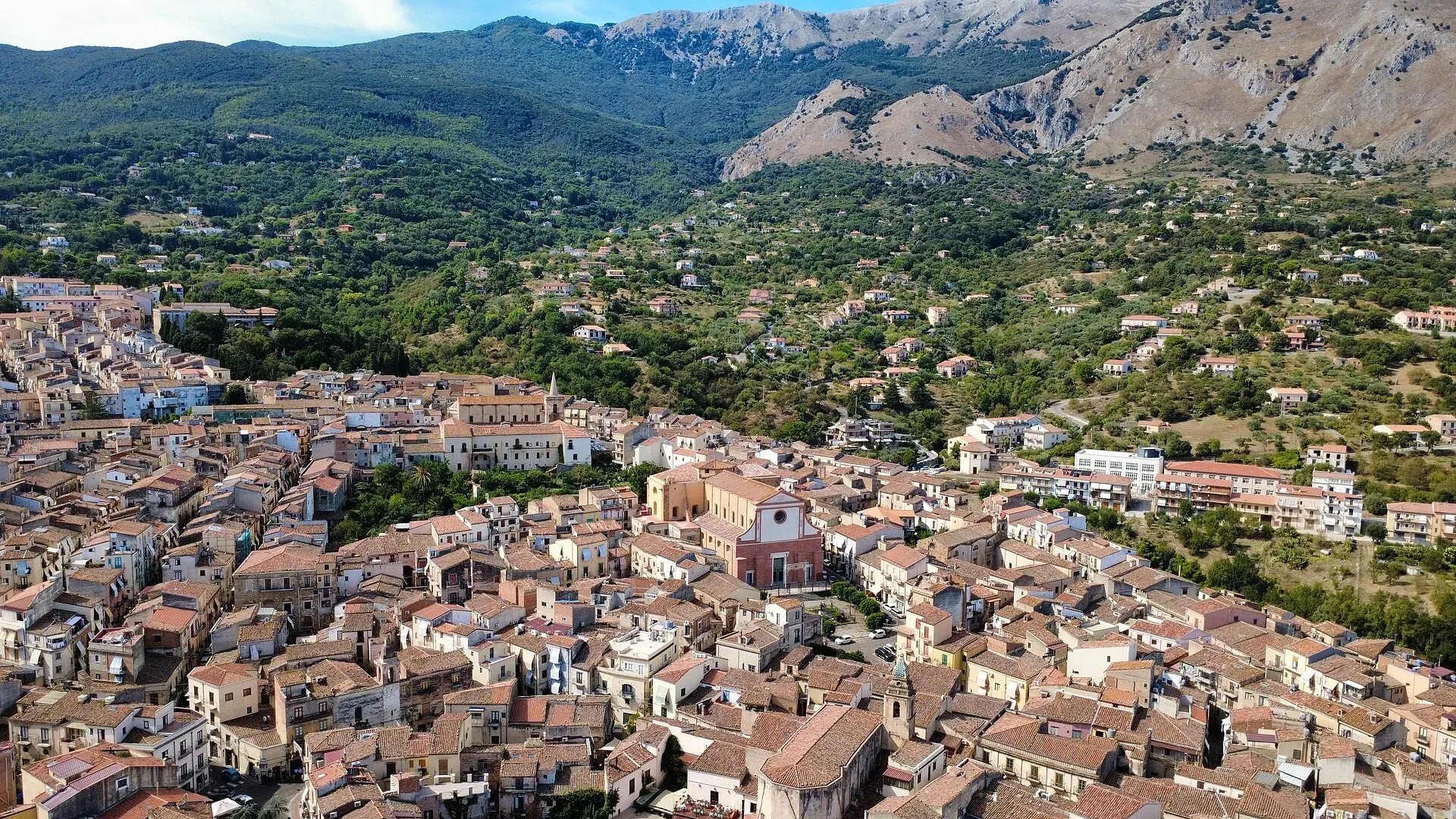
16 m a.s.l.
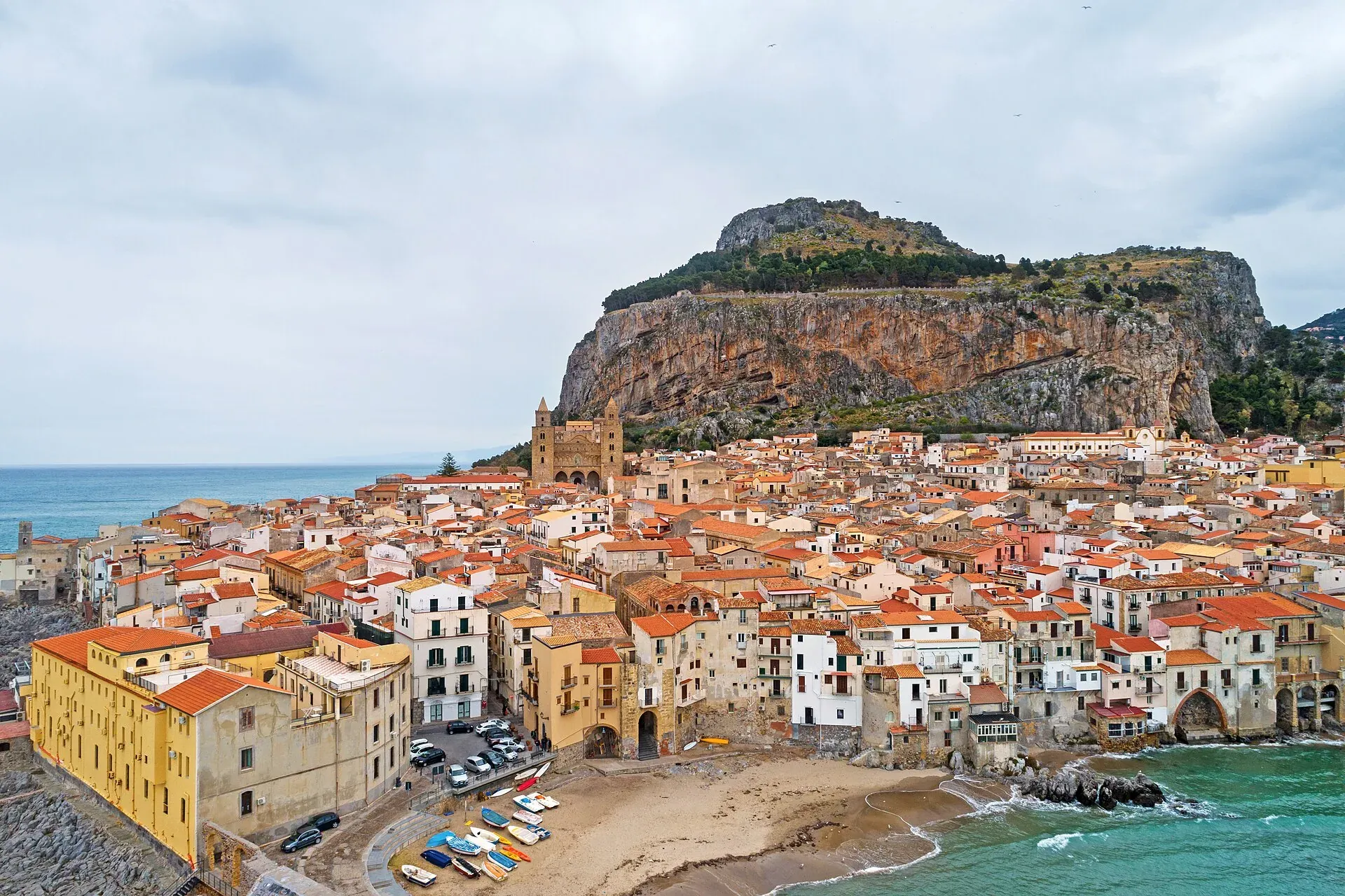
The Norman cathedral, the Rocca and the sea at the foot of the Madonie
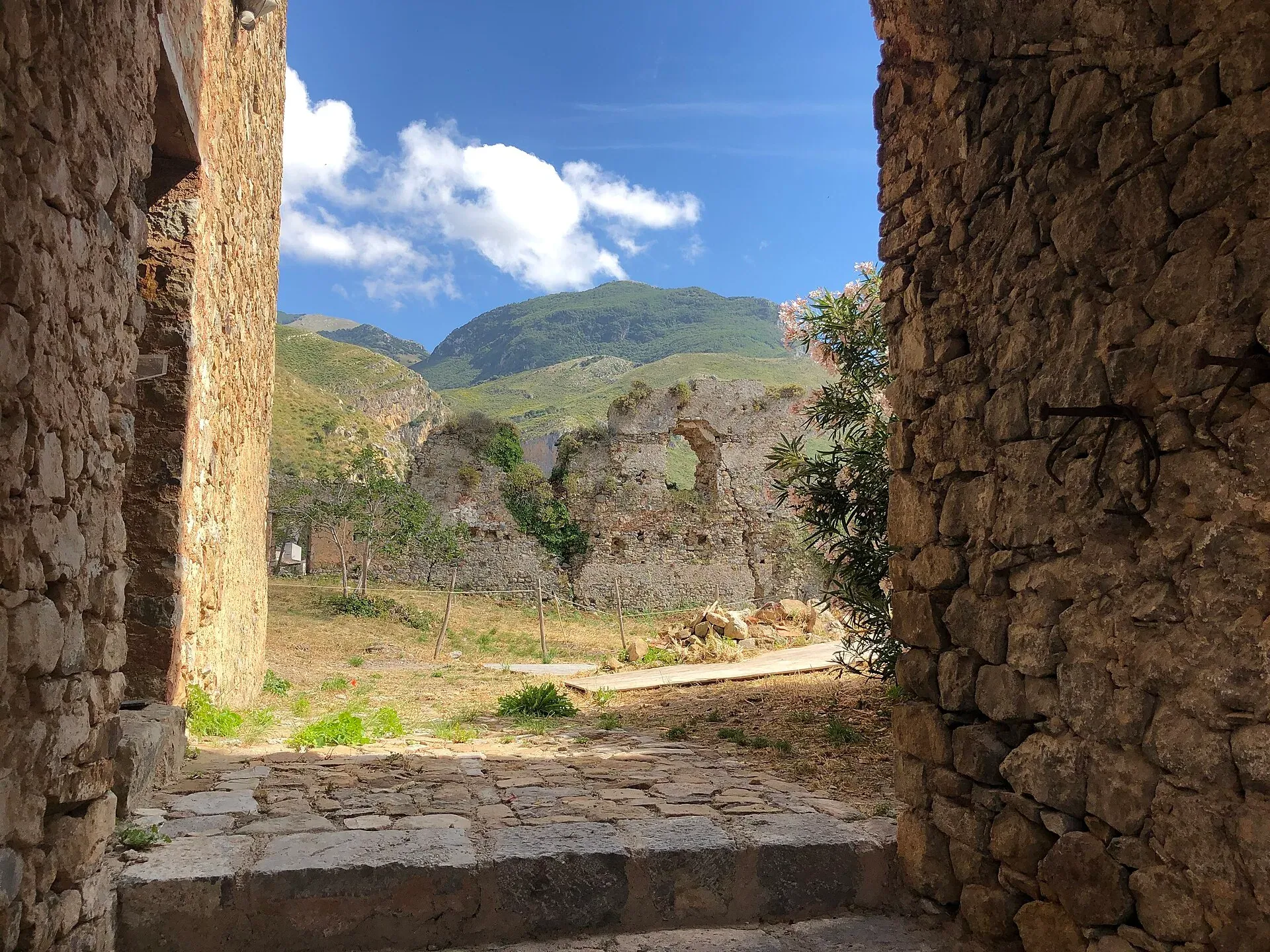
423 m a.s.l.
The town of the Ventimiglia castle, manna and testa di turco
470 m a.s.l.
Ceramics, a castle and the Targa Florio museum
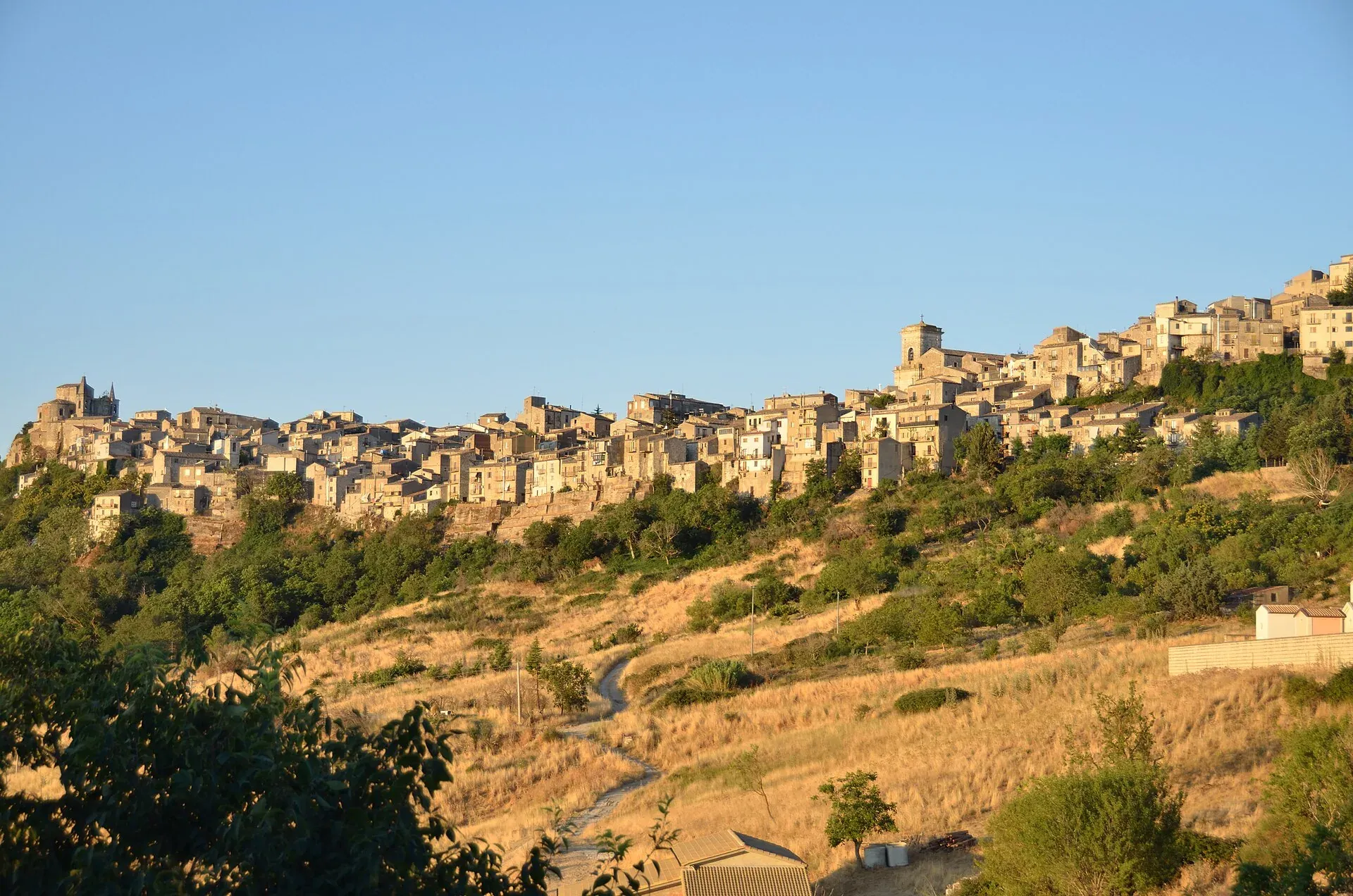
1,039 m a.s.l.
Home of the Madonie Park, at the foot of Piano Battaglia
1,147 m a.s.l.
The highest town in the Madonie, Borgo dei Borghi 2018
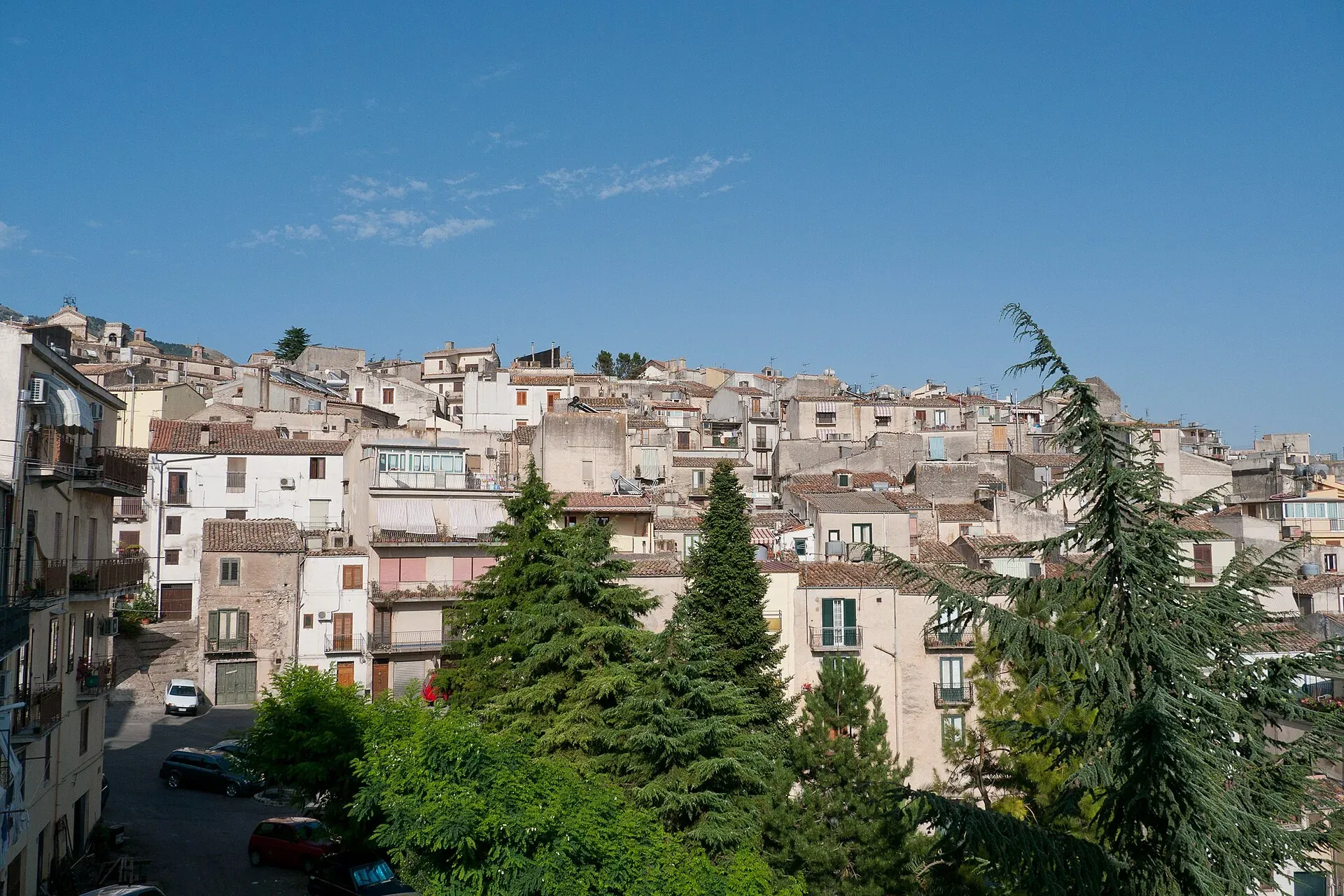
920 m a.s.l.
The town of the Abies nebrodensis, sfoglio and badda beans
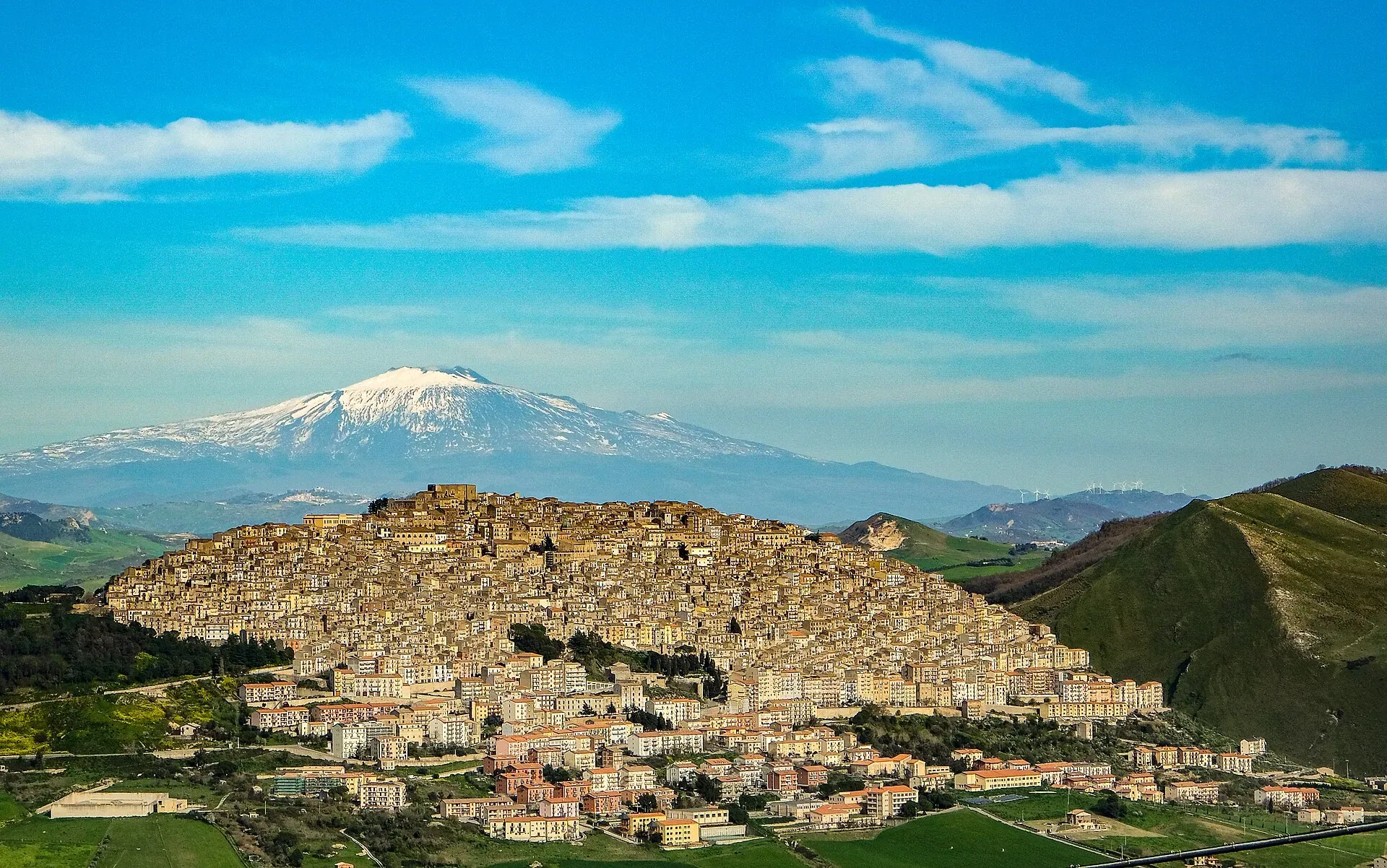
1,011 m a.s.l.
Borgo dei Borghi 2014, all stone on Monte Marone
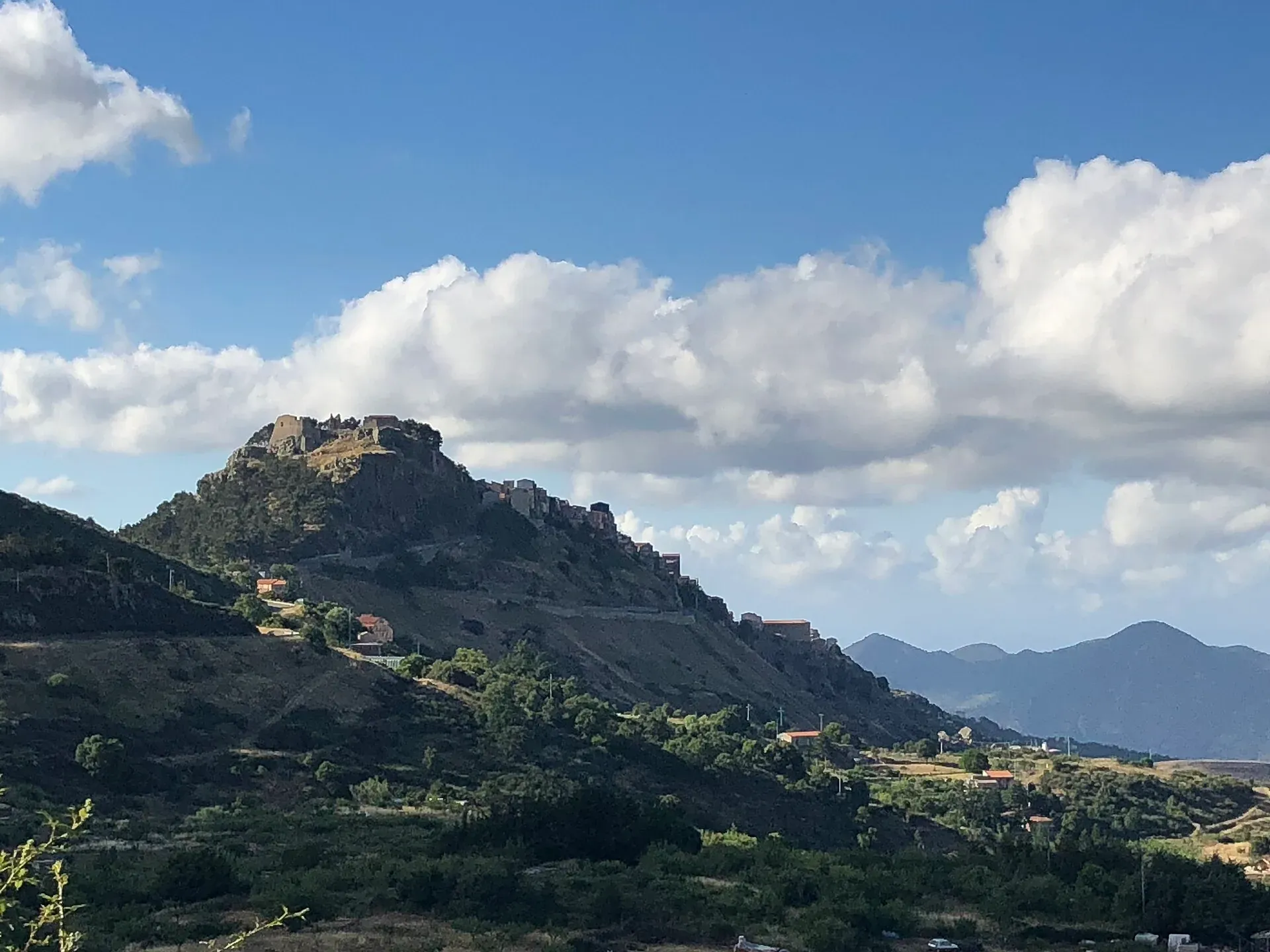
1,077 m a.s.l.
The first capital of the Ventimiglia, above the Madonie woods
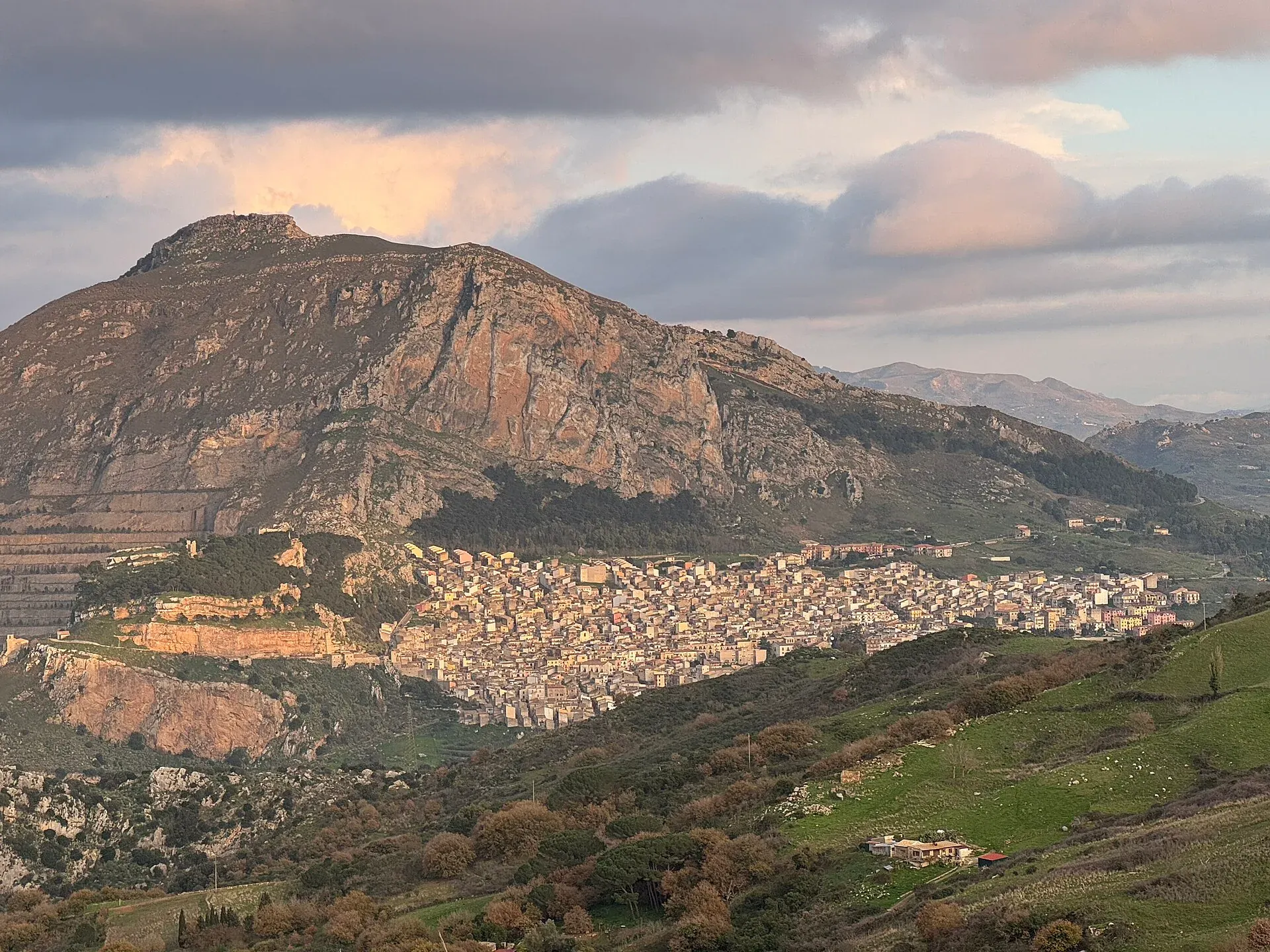
631 m a.s.l.
The village below the Rocca di Sciara
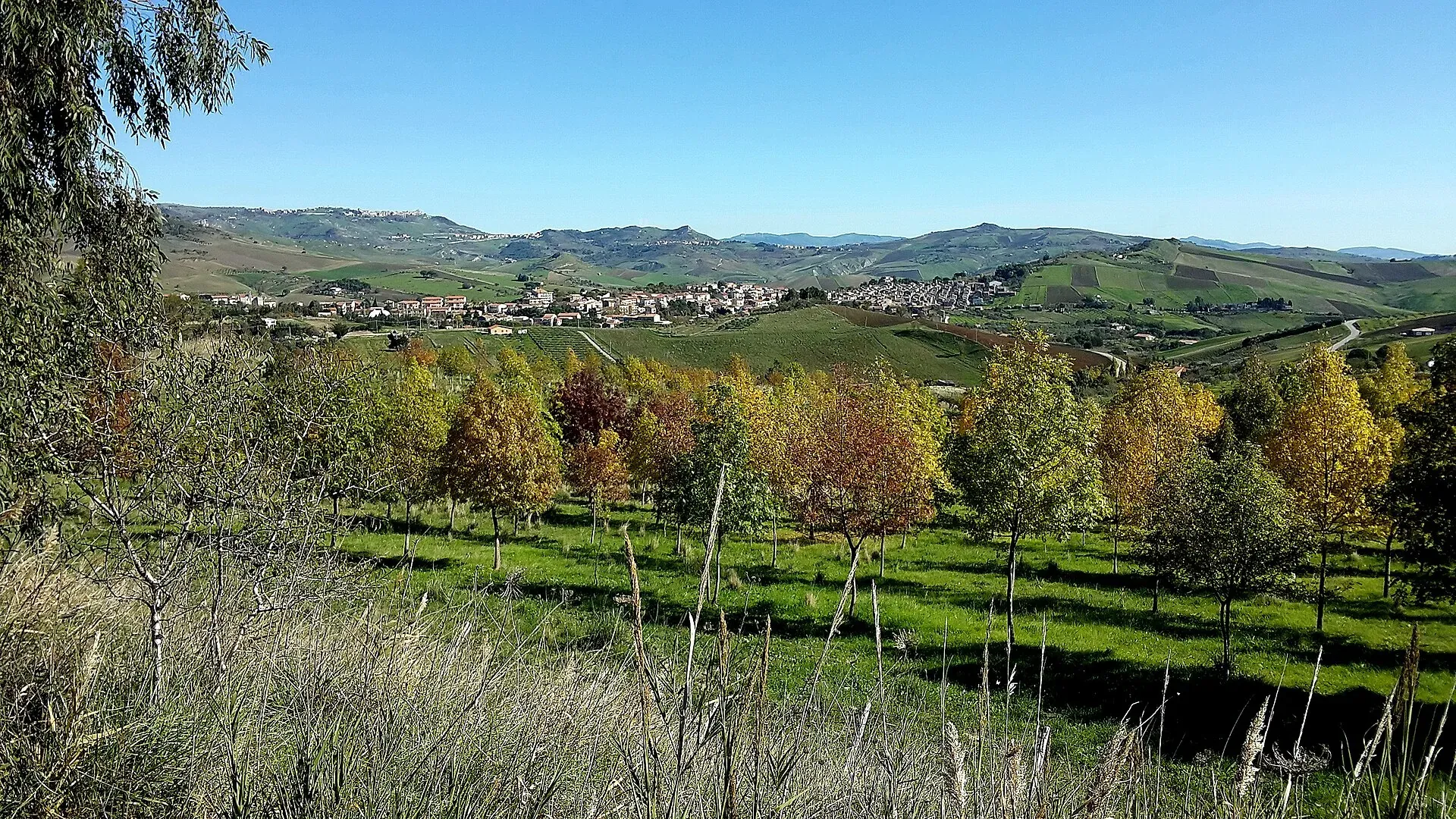
774 m a.s.l.
The village of hamlets and murals
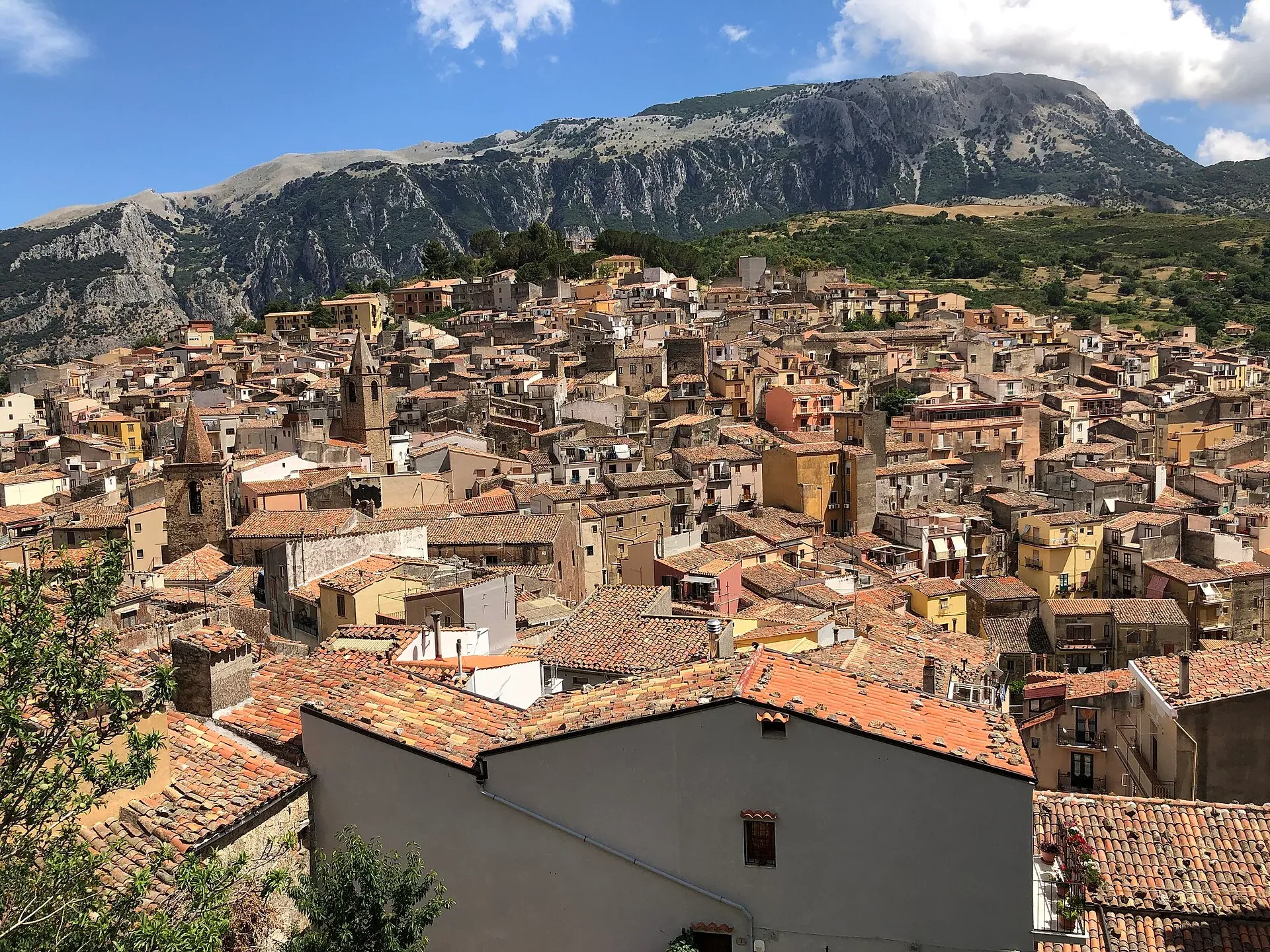
583 m a.s.l.
The town of the stars, beneath the Madonie cliffs
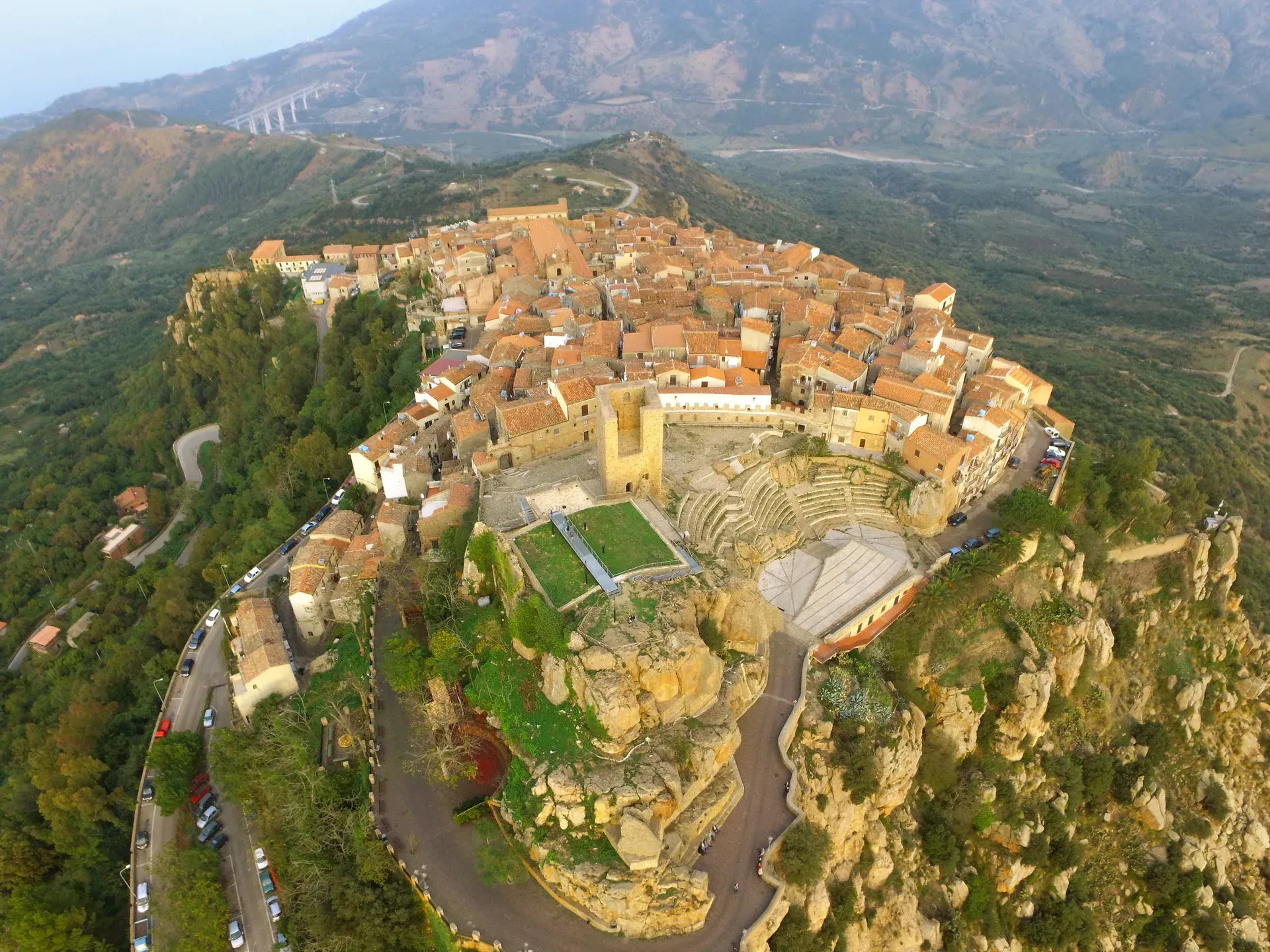
664 m a.s.l.
The stone theatre and the manna, above the sea at Finale
239 m a.s.l.
Springs, water mills and oranges
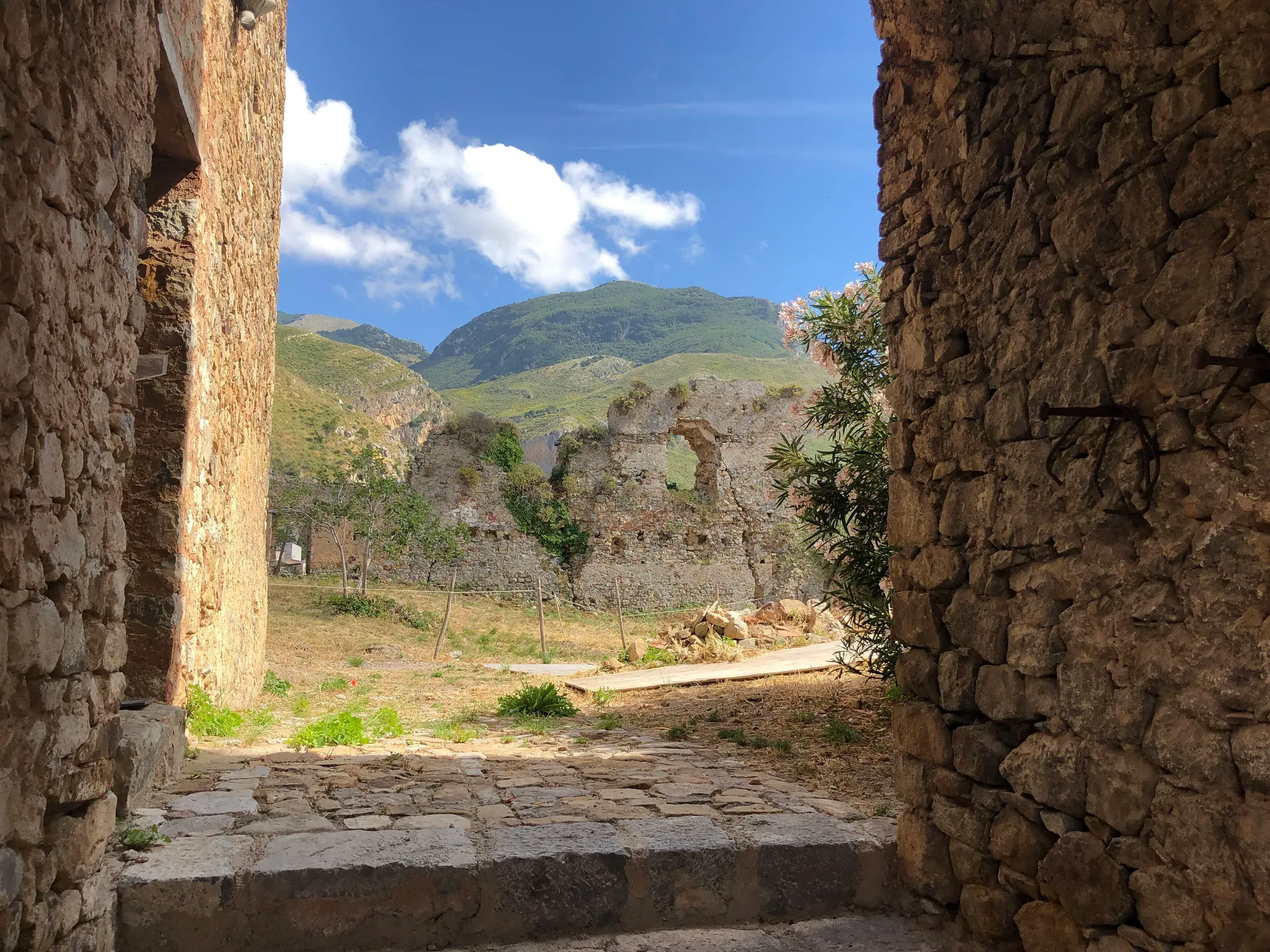
680 m a.s.l.
The terrace over the Tyrrhenian Sea above Cefalù
Culture
The castles of the Madonie town by town: Castelbuono with its museum, the ruins of Geraci, Collesano, Caltavuturo, Isnello, Pollina and the Rocca di Cefalù.
Culture
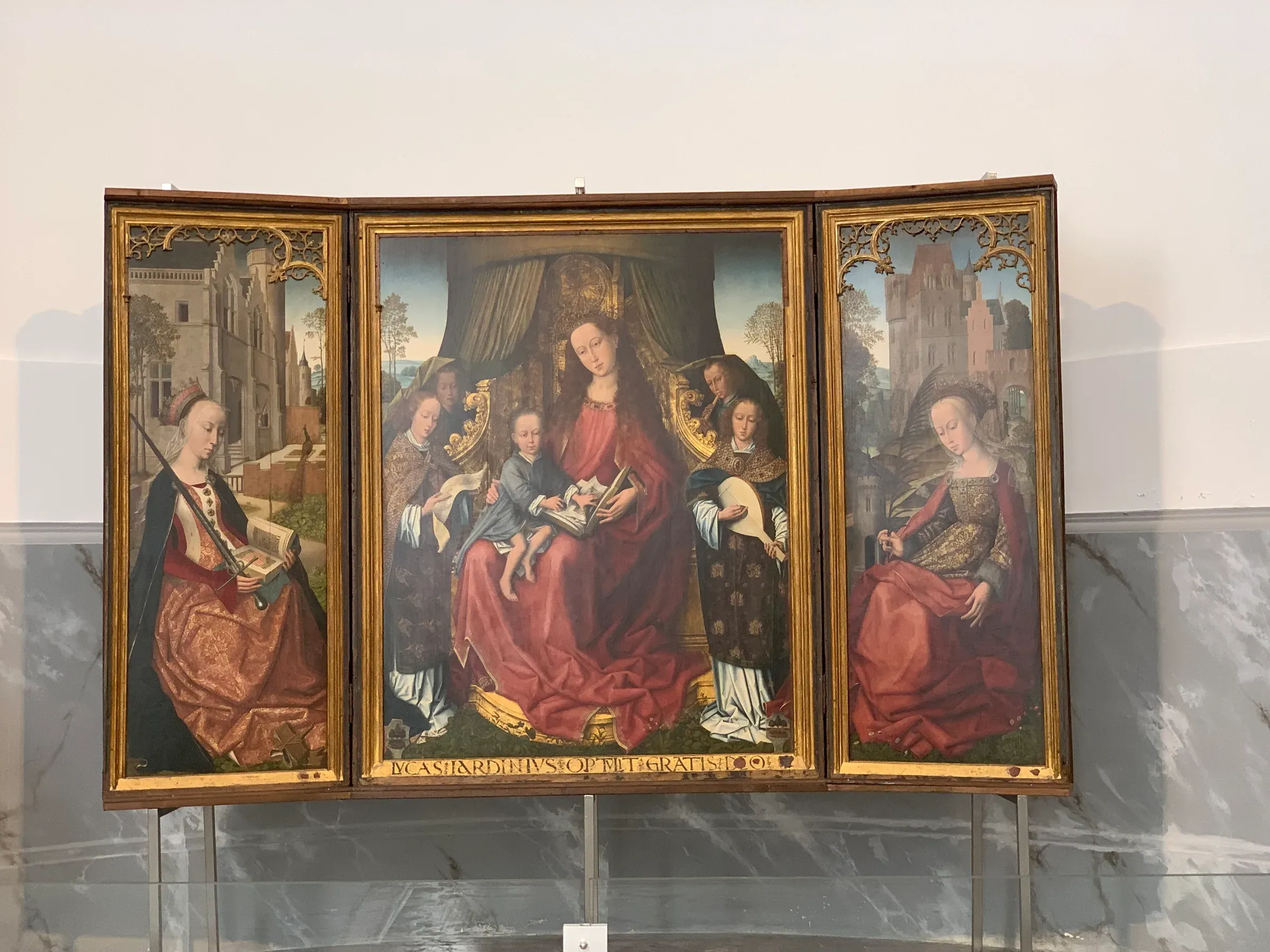
Churches to see in the Madonie: Cefalù's Norman cathedral, mother churches with Gagini marbles, the Last Judgement of Gangi, the Polizzi triptych, Gibilmanna.
Culture
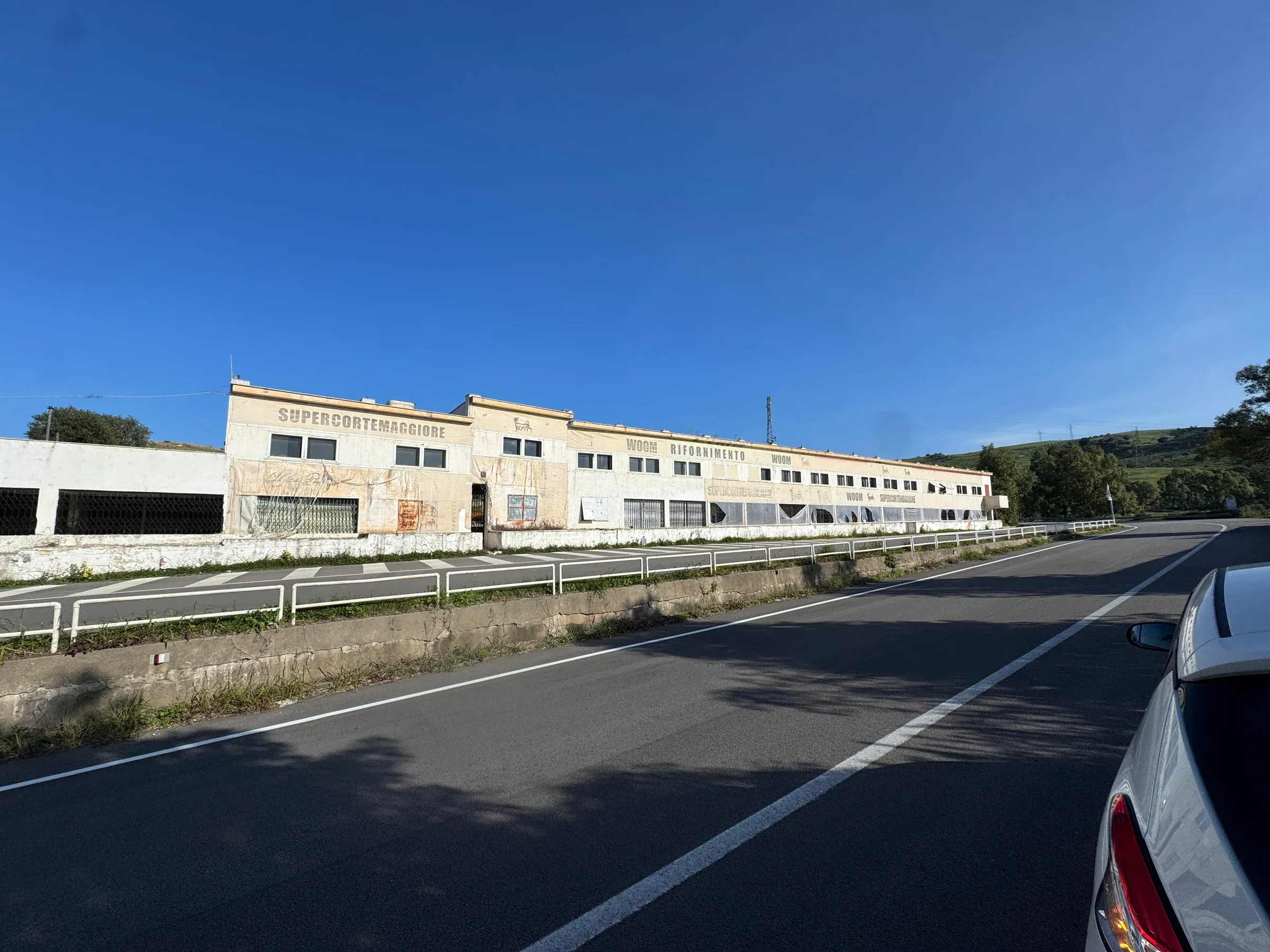
The Targa Florio was born in 1906 on the roads of the Madonie: history of the race, its three circuits, Floriopoli, the Collesano museum and today's events.
Food