Food
Food
Who harvests manna today in Castelbuono and Pollina: the summer days of the 'ntaccaluòri, the thread technique, the young growers and the ash groves to replant.
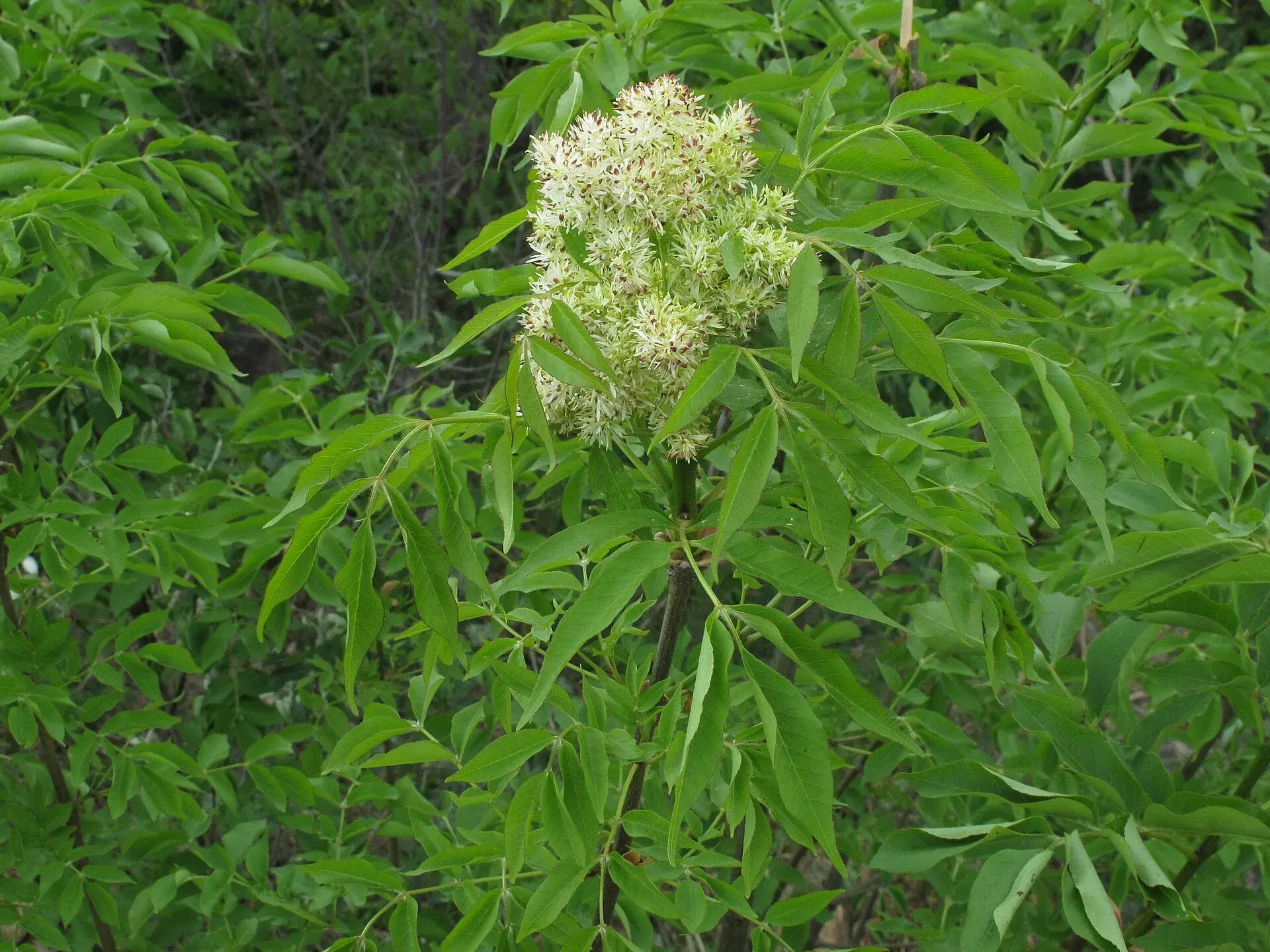
Every summer, in July and August, a few dozen people in the ash groves of Castelbuono and Pollina cut the bark of the trees by hand to make manna flow. They are called ’ntaccaluòri. They work from dawn into the full heat, every day for two months, and almost all of them are elderly: according to the Slow Food Presidium only two live mainly off manna.
This is the story of the people who make it. If you want to know what manna is, the types, how to recognise it and where to buy it, it’s all in the guide to Madonie manna.
At a glance
Until after the Second World War, manna ash was the main work of many families in the Madonie, writes the Fondazione Slow Food. Today there are still quite a few harvesters, but most are elderly, and for almost all of them manna is extra income, not a living.
Nobody keeps an official count. Here are the figures the sources give, each with its date.
| Source | Year | What it says |
|---|---|---|
| Fondazione Slow Food | current page | harvesters still numerous but elderly, only 2 live mainly off manna |
| Balarm, interview with Giulio Gelardi | 2021 | about 40 producers in the whole world, almost all in the Madonie and mostly over eighty |
| Il Gattopardo | 2024 | in the Madonie manna involves 4 cooperatives |
| Linkiesta, interview with Emilio Appiano | 2025 | about thirty keepers of the cutting craft left |
The know-how isn’t in books. You learn it in the field from an experienced grower, or from father to son, Appiano told Linkiesta. Skip one generation and the technique is lost.
Work starts at the end of the night and goes on into the heat, every day for at least two months: that’s how Emilio Appiano describes it to Il Gattopardo. There are three tools, listed by the Slow Food Presidium: the mannaruòlu, the curved billhook for cutting; the rasula, for scraping the manna left in the grooves of the bark; and a large prickly pear pad, for collecting what drips to the ground.
The cut goes from the bottom up, without pushing the blade too deep, where the sap runs. Appiano makes about sixty a day. The sap comes out very liquid and in the heat crystallises quickly into small white concretions.
For clean manna, nylon threads are hung under the cut: real fishing lines hooked to a small metal channel. The manna runs down and sets along the thread. What stays liquid and drips to the foot of the tree is picked up with prickly pear pads: this is the rottame, less valuable, which goes to the mannitol industry.
Then comes the wait. Appiano stores the manna in chests, dry and dark, for two to four years: freshly harvested it tastes too cloying.
Until a few decades ago, manna was left on the tree for a week and then scraped off, together with bits of bark, small insects and other impurities. Giulio Gelardi, son of one of the oldest producers in Pollina, tells the story to Balarm.
As a boy he hated manna: work that broke your back without paying for your day. He left for Tuscany for about fifteen years and came back at 35, determined to turn it into a product that paid. After several attempts he found the method of the thread hung where the sap forms the stalactite.
Gelardi lists three advantages. The manna stays pure and can be sold without going through industry. It dries faster, because it gets more air. And it is less exposed to rain, which with the old method could ruin a whole summer’s harvest. In 2021 he had 500 trees between Pollina and Castelbuono and was the largest producer; his is the producer’s name given on the Slow Food Presidium page.
Emilio Appiano is from Castelbuono. At 12 he started cutting on his own, copying the farmers, then did his apprenticeship in the ash grove of Pino Genchi, one of the big producers in the area (Il Gattopardo, 2024). He has been growing ash since 2013, he told Linkiesta in 2025, when he was 24.
His numbers, as Il Gattopardo reports them:
The ash tree needs no water, but manna needs the right weather. A shower, humidity that’s too high or even too much heat is enough to stop production, writes Linkiesta. In the best seasons a tree gives on average 200 grams of manna, at most a kilo.
Then there’s the problem of the trees. Of the ash groves that once covered thousands of hectares in north-western Sicily, about 250 are left, and only 20-30% of the trees still produce (Slow Food). Il Gattopardo adds that the groves in use have grown old: they should be cut back and renewed.
The economics of the trade have changed. In the 1950s a harvester brought home about 300 kilos of manna a year, today about 90. In 1965 a kilo cost 1,500 lire; today, writes Slow Food, growers earn very little.
The most concrete answer is the project “La Manna non cade dal cielo” (“Manna doesn’t fall from the sky”) of the Consorzio Manna Madonita, backed by the Fondazione con il Sud. It brings the main producers together in 4 cooperatives, each of which has put land back under ash (Fondazioni magazine, September 2024).
The project brought a laboratory and machinery to produce pure manna and cosmetics, plus farm equipment so the cooperatives can work on their own. Members deliver their manna to the consortium, which purifies and sells it.
Rosario Schicchi, professor of agricultural sciences at the University of Palermo and director of its Botanical Garden, told Il Gattopardo that without public support ash growing and manna won’t survive. For him the reason goes beyond the product: the ash trees are part of the biodiversity of these mountains.
The easiest chance is the Sagra della Manna in Pollina. In 2026, from 10 to 13 August at 10 am, you could book a visit to the ash groves where the trunks are still cut. During the festival free samples of manna in cannolo were handed out, and the Museo della Manna was open from 9 am to 1 pm and from 4 pm to 9 pm (MadoniePress, 5 August 2026).
If you stay a few days, in Castelbuono you can walk in the Bosco di Castelbuono and sleep in town: places to stay are in where to stay in Castelbuono. The growers’ manna also ends up in local sweets, starting with those of Fiasconaro in Piazza Margherita: you’ll find them in the guide to Madonie desserts.
Page updated on 19 October 2026